Genres
Artists
Albums
Make Music
Sign in
Sign in
Artists
Medieval
Artists
Medieval
Kalenda Maya
1989
·
1 album
Listen
1
/5
Genres
Medieval Metal
Medieval metal is a subgenre of folk metal that fuses the power and riff-driven weight of heavy metal with melodies, modes, and instruments associated with medieval and early modern European music. Centered largely in Germany—where it is known as Mittelalter-Metal or Mittelalter-Rock—the style features prominent use of hurdy-gurdy, bagpipes (Dudelsack), shawms/bombards, recorders, cittern/lute, nyckelharpa, and frame drums alongside distorted electric guitars, bass, and modern drum kits. Songs often draw on medieval dance rhythms (saltarello- or estampie-like pulses), modal melodies (Dorian, Aeolian, Mixolydian), and lyrics referencing legends, minstrelsy, battles, folk tales, and historical themes. Pioneered in the mid-to-late 1990s by bands such as Subway to Sally, In Extremo, and Schandmaul, the genre grew out of Germany’s Neo-Medieval movement and quickly established a vibrant live culture at medieval markets and major festivals.
Discover
Listen
Traditional Music
Traditional music is an umbrella term used in the mid–20th century by folklorists and ethnomusicologists to denote community-rooted, orally transmitted repertoires tied to social ritual, work, celebration, and storytelling. Unlike commercial pop or art-music traditions, traditional music is typically learned by ear, varies regionally, and evolves slowly through communal participation. It often features modal melodies, cyclic rhythms, heterophony or unison singing, and indigenous instruments whose timbres are integral to local identity. Lyrics tend to preserve language, history, and collective memory. While the musical practices themselves can be ancient, the phrase “traditional music” emerged to replace earlier, narrower or colonial framings like “folk” or “ethnic” music, foregrounding continuity, locality, and living practice rather than exoticism.
Discover
Listen
Traditional Folk
Traditional folk is a broad umbrella for orally transmitted songs and dance tunes that circulated in rural and working-class communities before the age of mass recording. Repertoires include narrative ballads, laments, love songs, work songs, lullabies, and instrumental dance sets such as reels, jigs, hornpipes, and marches. Stylistically, traditional folk favors strophic forms, pentatonic or modal melodies (often Dorian and Mixolydian), limited harmonic movement, and strong, memorable tunes designed for communal singing and dancing. Performances range from unaccompanied solo voice to small ensembles built around fiddle, flute/whistle, pipes, concertina/accordion, guitar, banjo, and frame drum. Ornamentation, variation by verse, and flexible tempo are integral, reflecting an oral tradition where songs live through continual reinterpretation. Although it is pan‑regional, the modern idea of “traditional folk” coalesced in the 19th century through collectors and revivalists who documented vernacular music and framed it as cultural heritage.
Discover
Listen
Norwegian Folk Music
Norwegian folk music is a regional tradition centered on the Hardanger fiddle (Hardingfele), kveding (traditional solo song), and a family of couple- and solo-dances such as springar, gangar, halling, and pols. It uses modal melodies (often Dorian and Mixolydian), drones, and distinctive asymmetric triple meters in which the three beats are of unequal length. Characteristic instruments include the Hardanger fiddle with sympathetic strings and scordatura tunings, standard fiddle, langeleik (zither), seljefløyte (willow flute), wooden lur, bukkehorn (goat horn), munnharpe (jaw harp), and later accordion. Vocal genres range from short, epigrammatic stev to medieval ballads and free, ornamented kveding styles. Ornamentation, double-stops, drones, and dance-driven bowing patterns are core to the sound. The repertoire is organized into slåtter (tunes) linked to particular dances and regions, carrying strong local identities (bygdedans). While deeply rooted in rural tradition, it has continually evolved through collectors, revivals, and collaborations with jazz, classical, and contemporary folk scenes.
Discover
Listen
Medieval
Medieval music refers to the diverse sacred and secular musical practices of Europe between the fall of the Western Roman Empire and the dawn of the Renaissance. It spans more than eight centuries, from early monophonic chant to the first notated polyphony. Core features include the use of church modes rather than major/minor, extensive reliance on vocal music (Latin sacred chant as well as vernacular song), and the progressive development from unmeasured chant to rhythmic modal notation and, later, mensural notation. Texture evolves from monophony (plainchant, troubadour songs) to organum, conductus, and the motet, culminating in complex isorhythmic works by the late 13th–14th centuries. Secular traditions—troubadours and trouvères in France, Minnesänger in German lands, and the Iberian Cantigas—coexisted with and influenced sacred practice. Instruments such as the vielle, harp, psaltery, recorder, shawm, hurdy-gurdy, and portative organ often doubled or accompanied voices, though much music remained purely vocal.
Discover
Listen
Albums
1989
2
/5
Norske Middelalderballader
Kalenda Maya
Norwegian Folk Music
Similar artists
2
/5
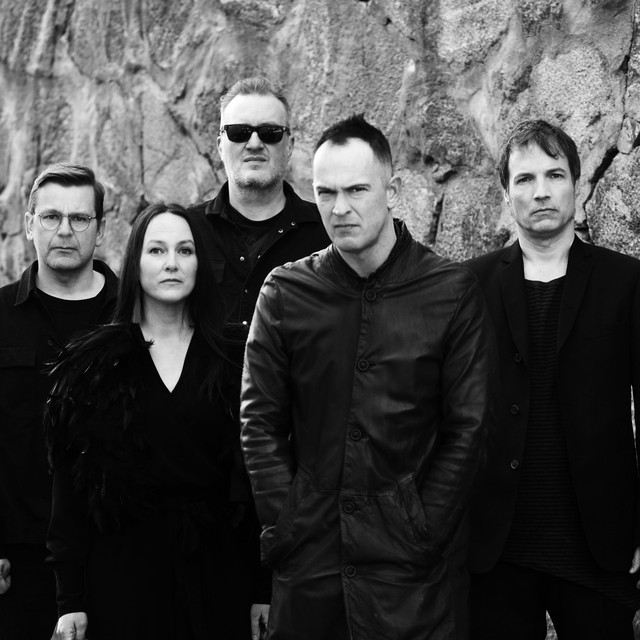
Garmarna
Folk
Nordic Folk Rock
Nordic Music
2
/5
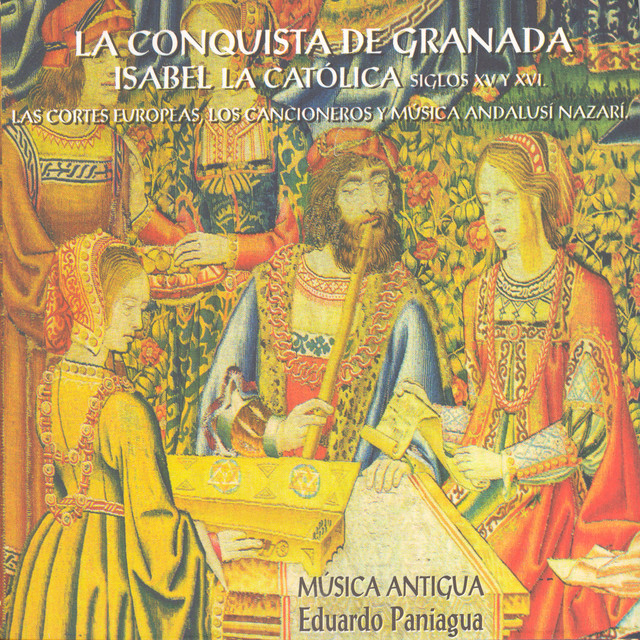
Eduardo Paniagua
Medieval
Medieval Lyric Poetry
Spanish Classical Music
2
/5
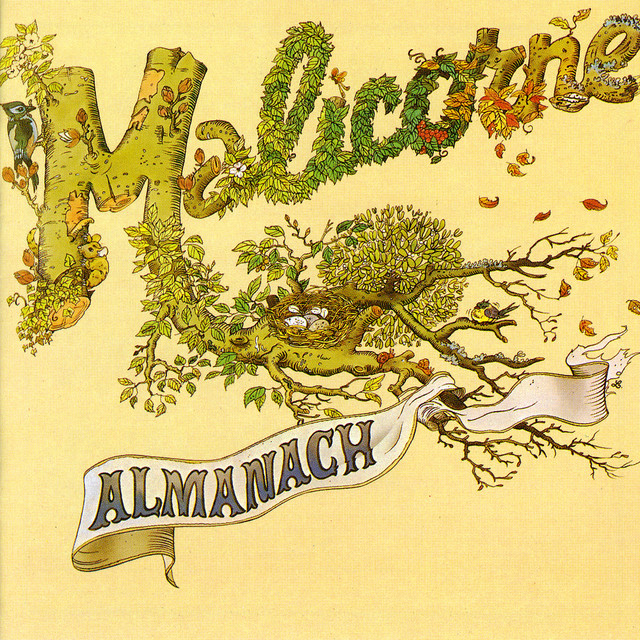
Malicorne
Folk
French Folk Music
Auvergnat Folk Music
1
/5
SAMI YLI-SIRNIO
Folk Metal
Medieval
Medieval Metal
1
/5
Alan Simon
Medieval
Medieval Metal
Traditional Music
1
/5
Qiyans Krets & Oscar Fredriks Kammarkör
Medieval
Traditional Folk
Traditional Music
1
/5
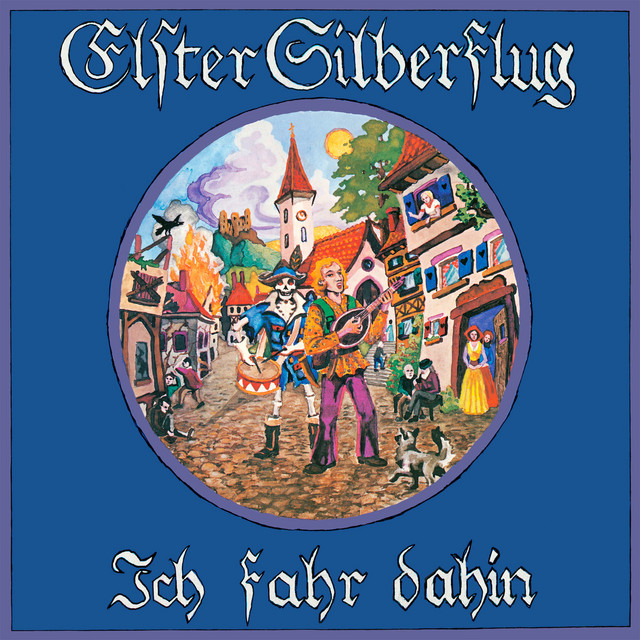
Elster Silberflug
German Folk Music
Krautrock
Medieval
1
/5
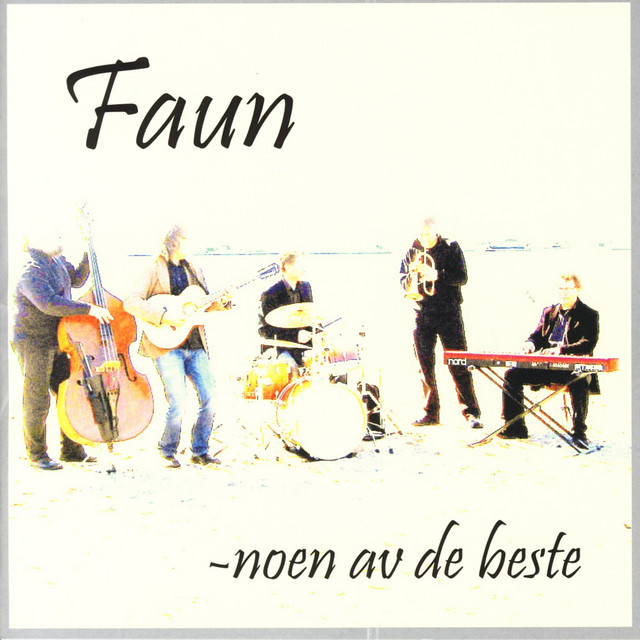
Faun
Celtic
Folk Metal
Folk Rock
4
/5
Miracle Of Sound
Antiviral Pop
Medieval Metal
Medieval
3
/5
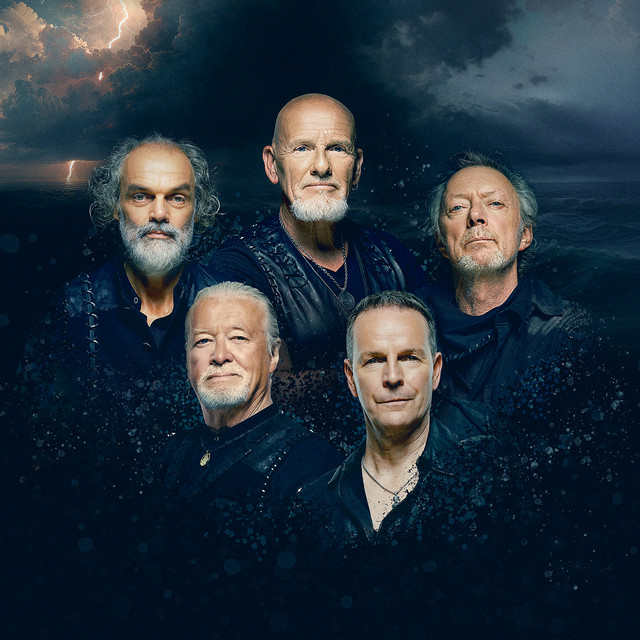
Santiano
Medieval Rock
Medieval Metal
Pirate Metal
Download our mobile app
Get the Melodigging app and start digging for new genres on the go
Download on the App Store
Get it on Google Play
© 2026 Melodigging
Give feedback
Legal
Melodding was created as a tribute to
Every Noise at Once
, which inspired us to help curious minds keep digging into music's ever-evolving genres.