Genres
Artists
Albums
Make Music
Sign in
Sign in
Artists
Hollywood
Artists
Hollywood
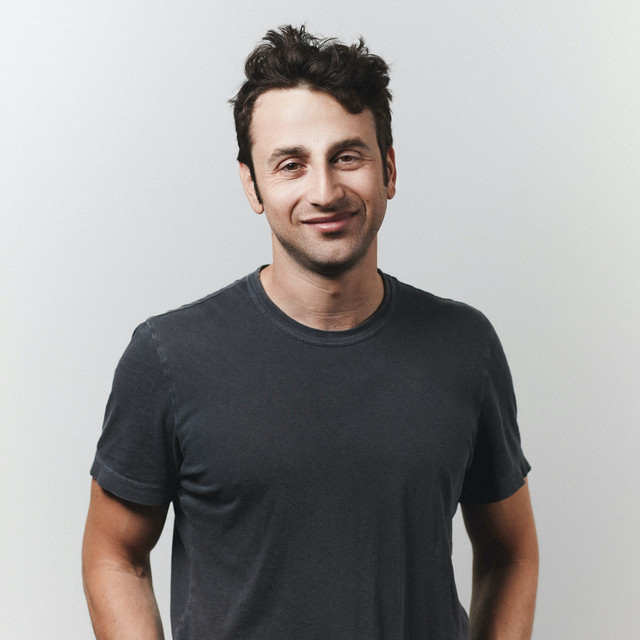
Justin Paul
2016
·
1 album
Listen
2
/5
Genres
Neo Soul
Neo soul is a back-to-the-roots subgenre of soul and contemporary R&B that emerged in the mid-to-late 1990s. The term was popularized by executive Kedar Massenburg to describe artists who revived classic soul values while embracing modern production aesthetics. Musically, neo soul blends the warmth of 1960s–70s soul with the rhythmic sensibility of hip hop, plus colors from jazz fusion, funk, and rock. Compared with mainstream contemporary R&B, it typically features more organic instrumentation (Rhodes/Wurlitzer, live bass and drums), harmonically richer progressions, and a laid‑back, behind‑the‑beat groove. Lyrically it tends toward introspective, socially conscious, and spiritual themes, often delivered with jazz-informed phrasing, melisma, and layered background vocals. The overall sound emphasizes authenticity, groove, and an intimate, analog-friendly ambiance.
Discover
Listen
Jazz Pop
Jazz pop blends the melodic immediacy and song structures of pop with the harmonic richness, phrasing, and instrumentation of jazz. Typical arrangements feature piano or guitar-led rhythm sections, upright or electric bass, light drum kits (often with brushes), and tasteful horns or strings. Harmonically it favors extended chords (maj7, 9ths, 13ths), ii–V–I cadences, and sophisticated substitutions, while rhythms range from gentle swing and bossa nova to straight pop backbeats. Vocals usually emphasize warm timbres, nuanced crooning, and elastic, behind-the-beat phrasing. The result is urbane, approachable music that keeps pop’s hooks and forms while carrying jazz’s color and elegance, making it a perennial crossover sound for radio, lounges, and contemporary singer‑songwriters.
Discover
Listen
Hollywood
Hollywood (as a music genre) denotes the stylistic language of American film music and screen musicals shaped around the Los Angeles studio system. It is characterized by lush late‑Romantic orchestration, bold leitmotivic themes linked to characters and ideas, and tightly synchronized cues that heighten on‑screen drama. While its orchestral core stems from European symphonic tradition brought by émigré composers, Hollywood music also absorbed American popular idioms—Tin Pan Alley songcraft, jazz/big‑band colors, and later rock, electronic timbres, and sound‑design—creating a flexible, narrative‑first style that can shift from sweeping romance to suspense, comedy, or spectacle within a single score. In practice, “Hollywood” spans two intertwined streams: (1) symphonic film scoring for dramas, adventures, epics, and animation, and (2) cinematic song forms found in screen musicals and contemporary film pop to carry story and character.
Discover
Listen
Soundtrack
Soundtrack is music created to accompany and enhance visual media such as film, television, and video games. It includes original scores (instrumental or vocal music composed specifically for the picture) and, at times, curated compilations of pre-existing songs. Stylistically, soundtrack is a meta-genre that can encompass orchestral symphonic writing, jazz, electronic and synth-driven textures, choral forces, popular song, and experimental sound design. Its defining trait is functional storytelling: themes, motifs, harmony, rhythm, and timbre are shaped by narrative needs, character psychology, pacing, and editing. Common features include leitmotifs for characters or ideas, modular cues that can be edited to picture, dynamic orchestration for dramatic range, and production approaches that sit well under dialogue and sound effects. Because it must synchronize to picture, soundtrack often uses clear dramatic arcs, tempo maps, and hit points.
Discover
Listen
Musical
Musical (musical theatre) is a narrative stage form that integrates songs, spoken dialogue, acting, and dance to tell a story. Its core aim is dramatic storytelling in which music advances plot, deepens character, and shapes emotional arcs, often through recurring motives and reprises. Developed primarily on Broadway (New York) and later the West End (London), the genre blends operetta’s melodic lyricism, vaudeville’s variety entertainment, revue’s song-driven showcase, and Tin Pan Alley’s popular songcraft. Musicals range from intimate chamber pieces to large-scale "megamusicals," and from traditional book musicals to rock, hip‑hop, and concept-driven works. The musical’s songbook has fed the Great American Songbook and popular music at large, while the stage craft has influenced film, television, and concert performance.
Discover
Listen
Albums
2016
4
/5
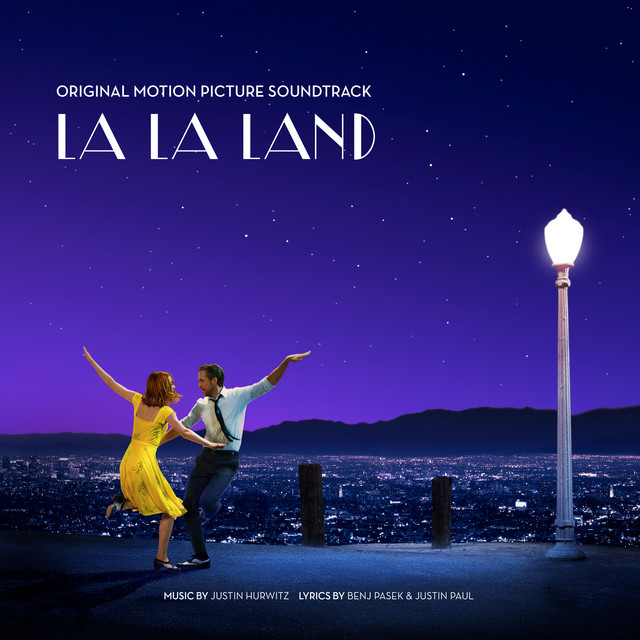
La La Land (Original Motion Picture Soundtrack)
John Legend
Hollywood
Neo Soul
Jazz Pop
Similar artists
4
/5
Justin Hurwitz
Score
Hollywood
Jazz Pop
2
/5
Benj Pasek
Hollywood
Jazz Pop
Musical
1
/5
Various Artists
Soundtrack
Afro-Funk
Alternative Rock
5
/5
Lady Gaga
Pop
Dance-Pop
Art Pop
5
/5
Disney
Comedy
Show Tunes
Wrestling
5
/5
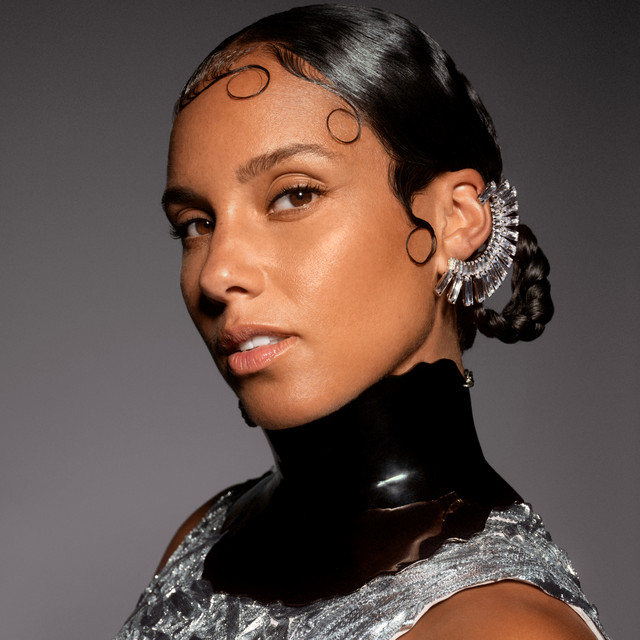
Alicia Keys
R&b
Contemporary R&b
Neo Soul
4
/5
Lin-Manuel Miranda
Musical
Latin Pop
Hip Hop
4
/5
Cynthia Erivo
Musical
Pop Soul
Hollywood
4
/5
Encanto - Cast
Hollywood
Musical
Pop
3
/5
Cast of Mamma Mia! The Movie
Musical
Ballad
Hollywood
Download our mobile app
Get the Melodigging app and start digging for new genres on the go
Download on the App Store
Get it on Google Play
© 2026 Melodigging
Give feedback
Legal
Melodding was created as a tribute to
Every Noise at Once
, which inspired us to help curious minds keep digging into music's ever-evolving genres.