Genres
Artists
Albums
Make Music
Sign in
Sign in
Artists
Kizomba
Artists
Kizomba
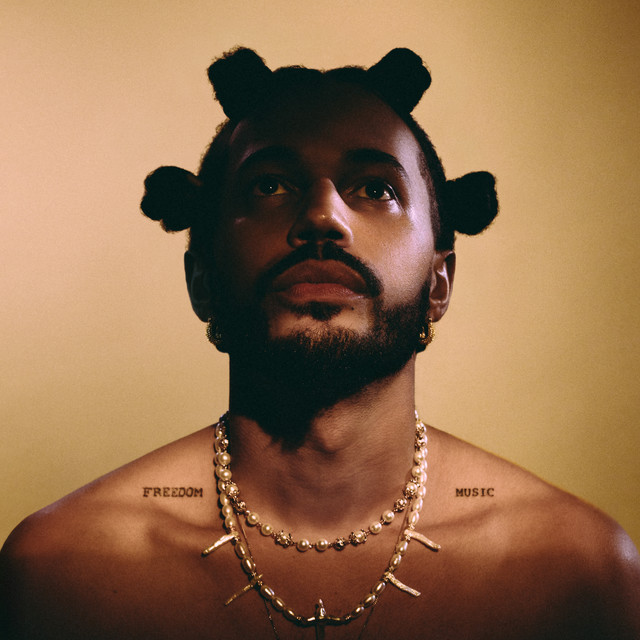
June Freedom
1 album
Listen
3
/5
Genres
3-Step
3-step is a contemporary club style built around a distinctive three‑kick‑drum pattern per bar instead of the traditional four‑on‑the‑floor. It blends the supple log‑drum bass and patient, rolling pace of Amapiano with the syncopated, jazz‑inflected looseness of UK Broken Beat. The result is relaxed, free‑form and playful, with a subtly swung feel, airy Rhodes‑style chords and nimble percussion that invite head‑nodding as much as dancing.
Discover
Listen
Afropiano
Afropiano is a contemporary fusion that marries the songwriting, vocal phrasing, and rhythmic sensibilities of West African Afrobeats with the deep, percussive textures of South Africa’s Amapiano. It retains Amapiano’s signature log drum bass, shaker-led swing, and soulful pads, while adopting Afrobeats’ catchy hooks, call-and-response choruses, and concise, radio-friendly structures. The result is a warm, dance-floor-oriented sound with mid-tempo grooves, plush jazz/house harmonies, and lyrics that often blend English, Nigerian Pidgin, and local languages.
Discover
Listen
Afro R&b
Afro R&B blends the melodic intimacy and harmonic richness of contemporary R&B with the polyrhythmic bounce, guitar licks, and percussive textures of West African pop forms (Afrobeats/afropop and highlife). The result is a smooth, groove-forward style that feels both tender and danceable, favoring spacious production, airy pads, and syncopated drums that leave room for expressive vocals. Core features include mid-tempo grooves (roughly 90–110 BPM), swung and syncopated percussion (shekere, rimshots, light congas), palm-wine/highlife-inspired guitar lines, and soulful toplines often sung in a mix of English, Nigerian Pidgin, and local languages (e.g., Yoruba). Lyrically, Afro R&B leans into romance, vulnerability, and everyday intimacy while embracing a contemporary, metropolitan sensibility.
Discover
Listen
Basshall
Basshall is a club-focused fusion of modern dancehall riddims with the sound design and drops of bass-heavy EDM. It keeps the dembow-derived, off‑beat swing of Jamaican dancehall while layering sub‑driven 808s, aggressive synths, and festival‑ready builds and drops borrowed from trap, electro house, and UK bass. Typical tempos sit around 95–110 BPM (or 130–140 BPM with a halftime feel). Vocals often draw on Jamaican patois toasting or catchy pop hooks, and arrangements alternate between groove-led verses and explosive, sound‑system drops. Emerging from European (especially Dutch) club culture and the global‑bass scene, Basshall spreads dancehall’s energy into big‑room contexts without losing its Caribbean rhythmic DNA.
Discover
Listen
Latin Afrobeat
Latin Afrobeat is a contemporary fusion style that welds the polyrhythmic engine of West African Afrobeat with Latin American and Caribbean grooves. It often marries Afrobeat’s interlocking drum kit, shekere, and highlife‑style guitars with salsa/cumbia percussion sections, montuno piano figures, and bold horn arrangements. The result is a dance‑forward, big‑ensemble sound: long vamps, call‑and‑response vocals (frequently in Spanish or Portuguese), syncopated bass ostinati, and brass stabs—recorded with a warm, live, analog aesthetic. While it honors Fela Kuti’s Afrobeat blueprint, it colors that framework with Afro‑Cuban jazz harmony, salsa horn voicings, and coastal Colombia/Brazilian percussion idioms.
Discover
Listen
Latin Afrobeats
Latin Afrobeats is a hybrid of West African Afrobeats and Latin urban pop in which Spanish (and sometimes Portuguese) lyrics ride syncopated, polyrhythmic grooves. It marries Afrobeats’ swung shakers, off‑beat hi‑hats, guitar licks, and buoyant bass with dembow and dancehall drum patterns common to reggaeton and Latin pop. The result is a bright, dance‑forward style with catchy toplines, call‑and‑response hooks, and concise song forms tailored to streaming. Production tends to be minimal yet percussive, with Afro‑percussion (shekere, conga/bongo colors), plucked guitars or synth plucks, and warm sub‑bass supporting melodies that often draw on pentatonic or natural minor scales. Themes revolve around romance, partying, and feel‑good celebration, making the music equally at home in clubs and playlists.
Discover
Listen
Melancholia
Melancholia is an internet-era microgenre centered on soft-focus, sorrow-tinged pop and indie songs that foreground intimacy, space, and emotional candor. Tracks are typically slow to mid‑tempo, sung in a close, almost confessional register, and framed by sparse, reverb‑soaked textures. Sonically it lives between dream pop, bedroom pop, and slowcore: shimmering guitars or wistful synth pads drift over understated beats; piano, acoustic guitar, and low‑key electronic drums carry muted, pulsing grooves. Harmonies often favor minor keys, suspended chords, and gentle extensions (7ths/9ths) that heighten a bittersweet glow. Lyrically, melancholia lingers on solitude, late‑night self‑reflection, breakups, and fragile hope. The genre coalesced through streaming playlists and social media, where its hush, negative space, and diaristic tone translate into a cohesive, instantly recognizable mood.
Discover
Listen
Urban Kiz
Urban Kiz is a contemporary, club-oriented offshoot of kizomba that took shape in Europe—especially in Paris—in the early-to-mid 2010s. It adapts the sensual, close-connection feel of kizomba to straighter, trap- and R&B-influenced beats with pronounced bass lines, crisp hi‑hats, and engineered breaks that suit the stop‑and‑go aesthetics of Urban Kiz social dancing. Musically, it favors 4/4 grooves around 88–102 BPM, less of the lilting/zouk swing found in classic kizomba, and more linear phrasing with dramatic drops, filters, and space for micro-pauses. Vocals (often in Portuguese, French, Cape Verdean Creole, or English) may be original toplines, sampled phrases, or R&B‑style hooks layered over sleek electronic production. Producers frequently label releases or remixes specifically for "Urban Kiz" floors, reinforcing the genre’s identity within the partner‑dance scene.
Discover
Listen
Afropop
Afropop is a modern, pan‑African pop style that blends West and Central African rhythmic traditions with global pop, R&B, hip hop, dancehall, and electronic production. It favors catchy toplines, call‑and‑response hooks, bright guitar licks inspired by highlife and soukous, and mid‑tempo grooves designed for dancing. Songs are often multilingual, moving fluidly between English or French and local languages or pidgins, while lyrics center on romance, joy, aspiration, and celebration. Production commonly uses syncopated percussion, warm sub‑bass, plucky synths or marimbas, and clean, melodic vocals (often with tasteful Auto‑Tune), resulting in an upbeat, accessible sound with unmistakably African groove and feel.
Discover
Listen
Kizomba
Kizomba is a smooth, romantic dance-music style that originated in Angola, blending the melodic sensibilities of local semba with the lush, slow-tempo grooves of Caribbean zouk. Typically set in 4/4 time around 86–100 BPM, it emphasizes a deep, round sub‑bass, sparse drum programming, and gently syncopated percussion that encourages close, flowing partner movement. Arrangements favor silky synth pads, clean electric guitar arpeggios or comping, and R&B-influenced vocals in Portuguese and other Angolan or Cape Verdean languages. Lyrical themes gravitate to love, intimacy, nostalgia, and urban life. Over time, kizomba diversified into substyles (such as the even sparser, bass-forward tarraxinha) and spread through the Lusophone diaspora, especially in Portugal, before becoming a global social-dance phenomenon.
Discover
Listen
World
World music is a broad, industry-coined umbrella for traditional, folk, and contemporary popular styles from around the globe that fall outside the Anglo-American pop mainstream. The label emerged in the 1980s as a retail and marketing category to group diverse regional musics for international distribution. Musically, it spans acoustic and electric instrumentation; modal, pentatonic, and microtonal pitch systems; and rhythms ranging from cyclical grooves and polyrhythms to asymmetrical meters. While the term can obscure local specificity, it also facilitated cross-cultural collaboration, festivals, and recordings that brought regional genres to wider audiences.
Discover
Listen
Worldbeat
Worldbeat is a pop-oriented fusion that blends contemporary Western production (pop, rock, dance, and electronic) with rhythms, instruments, scales, and vocal styles drawn from diverse musical traditions around the world. It typically features layered percussion, polyrhythms, call-and-response vocals, and multilingual or code-switching lyrics, while maintaining accessible song forms and hook-driven choruses. Arrangements often juxtapose drum kits, bass guitar, and synths with instruments such as kora, mbira, oud, sitar, djembe, balafon, or charango. As a retail and radio category in the 1980s–1990s, worldbeat served both as a creative space for cross-cultural collaboration and a marketing umbrella, attracting praise for bridge-building and criticism for occasional exoticism or unequal credit-sharing.
Discover
Listen
Zouk
Zouk is a high-energy dance music that originated in the French Caribbean (Guadeloupe and Martinique) in the early 1980s, crystallized by the band Kassav’. It blends Haitian compas (kadans) with local folk rhythms and the glossy production aesthetics of disco, funk, and early electronic pop. Early “zouk béton” emphasized driving, tightly arranged rhythms, bright synth-brass stabs, and call-and-response vocals. A slower, smoother branch known as “zouk love” followed, foregrounding romantic lyrics, silky harmonies, and sensual grooves. Sung primarily in Antillean Creole and French, zouk is both a party soundtrack and a cultural statement of Caribbean identity.
Discover
Listen
Afrobeat
Afrobeat is a horn-driven, polyrhythmic, and politically charged style that emerged in Nigeria, spearheaded by bandleader Fela Kuti and drummer Tony Allen. It fuses West African highlife and juju with American funk, jazz, and soul to create extended, hypnotic grooves. Typical tracks revolve around interlocking guitar and keyboard ostinatos, elastic bass vamps, dense percussion (shekere, congas, agogô, cowbell), and tightly arranged horn riffs that punctuate the beat. Vocals often use call-and-response and socially conscious lyrics, delivered in English, Nigerian Pidgin, or Yoruba. Harmonically sparse but rhythmically intricate, Afrobeat prioritizes feel: long, evolving arrangements, richly syncopated drum patterns, and sectional dynamics that spotlight solos and collective interplay.
Discover
Listen
Pop
Pop is a broad, hook-driven style of popular music designed for wide appeal. It emphasizes memorable melodies, concise song structures, polished vocals, and production intended for radio, charts, and mass media. While pop continually absorbs elements from other styles, its core remains singable choruses, accessible harmonies, and rhythmic clarity. Typical forms include verse–pre-chorus–chorus, frequent use of bridges and middle-eights, and ear-catching intros and outros. Pop is not defined by a single instrumentation. It flexibly incorporates acoustic and electric instruments, drum machines, synthesizers, and increasingly digital production techniques, always in service of the song and the hook.
Discover
Listen
Show all 15 genres
Albums
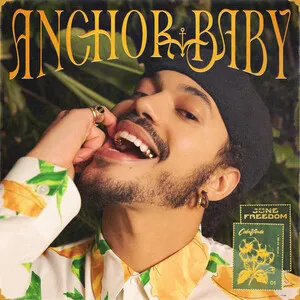
Anchor Baby
June Freedom
Kizomba
Similar artists
3
/5
Maleek Berry
Afroswing
Dancehall
Azonto
3
/5
Boy Spyce
Afro R&b
Afrobeat
Afrobeats
3
/5
Chop Daily
Afro R&b
Afrobeat
Afropop
3
/5
Nonso Amadi
Alté
Afro R&b
Afro Soul
3
/5
Soundz
Afro R&b
Afro Soul
Afrobeat
3
/5
Ya Levis
Kizomba
Zouk
Afro Drill
4
/5
Olamide
Afrobeat
Afrobeats
Afropop
4
/5
Young Jonn
Afrobeat
Afrobeats
Afropop
4
/5
Zlatan
Afro Adura
Azonto
Afro Drill
4
/5
Kizz Daniel
Azontobeats
Hiplife
Azonto
Download our mobile app
Get the Melodigging app and start digging for new genres on the go
Download on the App Store
Get it on Google Play
© 2026 Melodigging
Give feedback
Legal
Melodding was created as a tribute to
Every Noise at Once
, which inspired us to help curious minds keep digging into music's ever-evolving genres.