Genres
Artists
Albums
Make Music
Sign in
Sign in
Artists
Brazilian Jazz
Artists
Brazilian Jazz
José Peixoto
1997
·
1 album
Listen
1
/5
Genres
Brazilian Jazz
Brazilian jazz is the meeting point of Brazilian popular music and North American jazz, blending samba and bossa nova rhythms with jazz harmony, improvisation, and ensemble interaction. The style typically features syncopated Brazilian grooves (samba, bossa, partido‑alto) under extended jazz chord voicings and lyrical melodies. Acoustic guitar or piano often supplies a gently propulsive, off‑beat rhythmic bed, while bass and drums translate samba’s surdo and pandeiro patterns to the jazz rhythm section. Timbres range from intimate (nylon‑string guitar, brushed drum kit, flute) to expansive (full percussion batteries, horns, and electric keys). The overall feel can be both laid‑back and danceable—romantic yet harmonically sophisticated.
Discover
Listen
Traditional Music
Traditional music is an umbrella term used in the mid–20th century by folklorists and ethnomusicologists to denote community-rooted, orally transmitted repertoires tied to social ritual, work, celebration, and storytelling. Unlike commercial pop or art-music traditions, traditional music is typically learned by ear, varies regionally, and evolves slowly through communal participation. It often features modal melodies, cyclic rhythms, heterophony or unison singing, and indigenous instruments whose timbres are integral to local identity. Lyrics tend to preserve language, history, and collective memory. While the musical practices themselves can be ancient, the phrase “traditional music” emerged to replace earlier, narrower or colonial framings like “folk” or “ethnic” music, foregrounding continuity, locality, and living practice rather than exoticism.
Discover
Listen
Fado
Fado is an urban Portuguese song tradition centered on the feeling of saudade—an untranslatable mix of longing, nostalgia, and bittersweet melancholy. It emerged in 19th‑century Lisbon’s working-class neighborhoods and port districts and later developed a distinct academic strain in Coimbra. Typically performed by a solo singer (fadista) with accompaniment from the 12‑string guitarra portuguesa (Portuguese guitar) and a 6‑string viola (classical/steel‑string guitar), fado favors minor keys, expressive rubato, and ornate melodic embellishment. Its poetry (often in quatrains) contemplates love, fate, the sea, and everyday hardship. Two principal styles dominate: Fado de Lisboa, intimate and dramatic, and Fado de Coimbra, associated with student serenades and a more classical, restrained delivery. Recognized by UNESCO in 2011 as Intangible Cultural Heritage, fado remains a living tradition continually renewed by contemporary interpreters.
Discover
Listen
Guitarra Portuguesa
Guitarra portuguesa refers to the instrumental tradition and playing style centered on the Portuguese guitar, a 12‑string, double‑coursed, metal‑strung lute emblematic of Portugal. Closely bound up with fado, it also sustains a distinct solo repertoire characterized by elaborate ornamentation, lyrical counter‑melodies, and idiomatic variation sets (variações) on canonical fado templates. Two principal regional idioms are associated with distinct tunings and aesthetics: Lisboa (Lisbon) and Coimbra. The Lisbon practice is brighter and more extrovert, while the Coimbra practice—tuned a whole step lower—sounds darker and more introspective, aligning with the university serenade tradition. Right‑hand technique uses thumb and index plectra (unhas) to execute rapid dedilho (alternating strokes), arpeggios, tremolo, and rasgueado, while the left hand adds expressive slides, ligado (hammer‑ons and pull‑offs), campanelas (harp‑like cross‑string scales), and subtle vibrato. In ensemble fado, the Portuguese guitar weaves introductions, interludes, and codas around a vocalist, dialoguing with the classical guitar (viola) and bass guitar (viola baixo). In solo contexts, it becomes a virtuosic singing instrument capable of long‑breathed cantabile, intricate inner voices, and architectural variation cycles. Harmonically, the style gravitates to minor modes and the Andalusian cadence, shaping the music’s signature feeling of saudade—poignant longing and bittersweet nostalgia.
Discover
Listen
Albums
1997
As Vozes Dos Passos
José Peixoto
Guitarra Portuguesa
Similar artists
1
/5
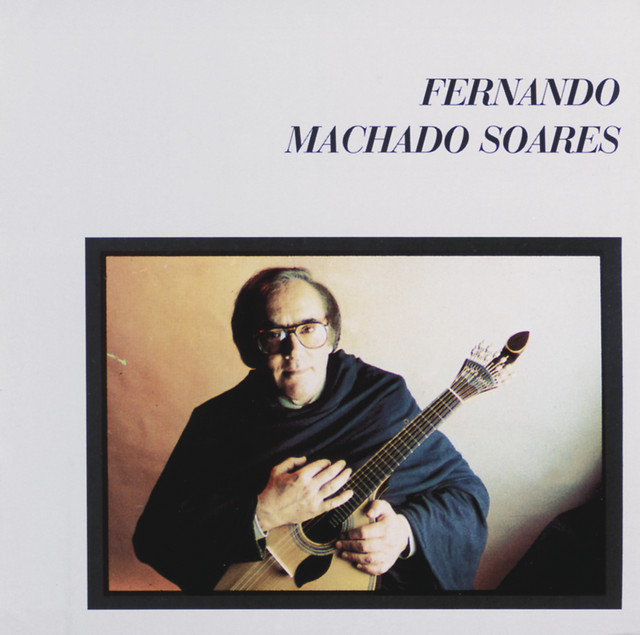
Fernando Machado Soares
Fado De Coimbra
Fado
Fado Instrumental
4
/5
Chico Buarque
Mpb
Tropicália
Latin
2
/5
José Afonso
Música De Intervenção
Folk
Portuguese Music
2
/5
Vitorino
Música De Intervenção
Fado
Traditional Music
2
/5
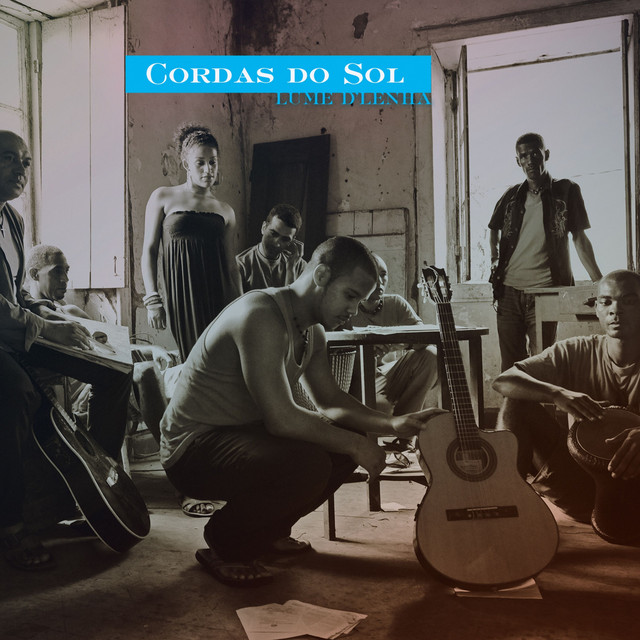
Cordas do Sol
Fado
Kizomba
Traditional Music
2
/5
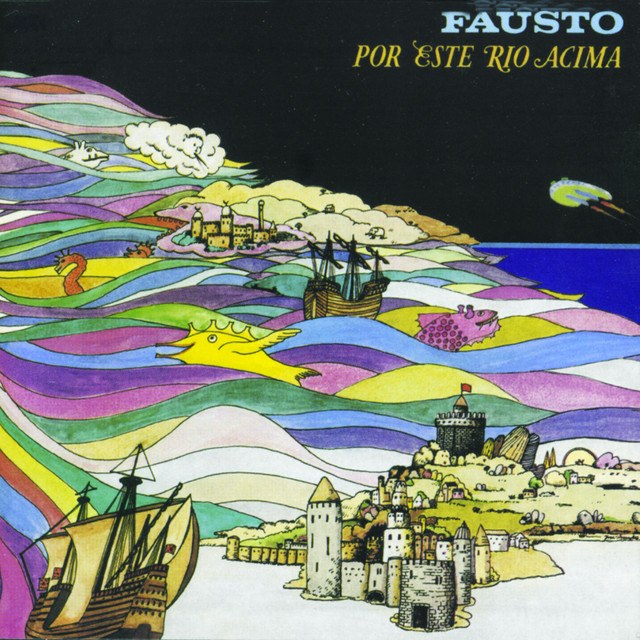
Fausto
Música De Intervenção
Portuguese Folk Music
Progressive Folk
2
/5
Sons da Terra
Fado
Traditional Music
2
/5
Ildo Lobo
Morna
Fado
Traditional Music
2
/5
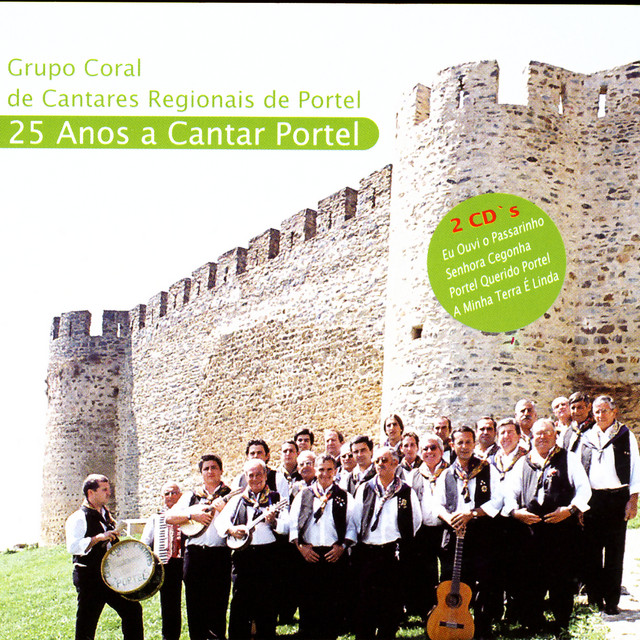
Grupo Coral de Cantares Regionais de Portel
Cante Alentejano
Fado
Traditional Music
2
/5
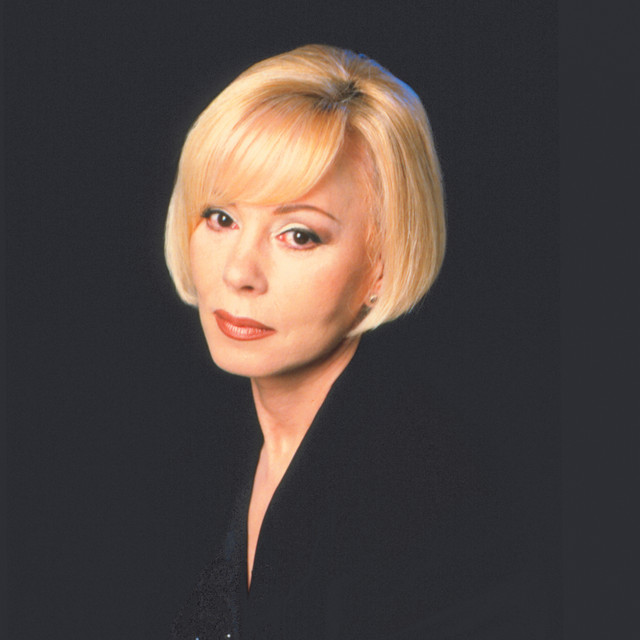
Tonicha
Fado
Traditional Music
Download our mobile app
Get the Melodigging app and start digging for new genres on the go
Download on the App Store
Get it on Google Play
© 2026 Melodigging
Give feedback
Legal
Melodding was created as a tribute to
Every Noise at Once
, which inspired us to help curious minds keep digging into music's ever-evolving genres.