Genres
Artists
Albums
Make Music
Sign in
Sign in
Artists
Jazz
Artists
Jazz
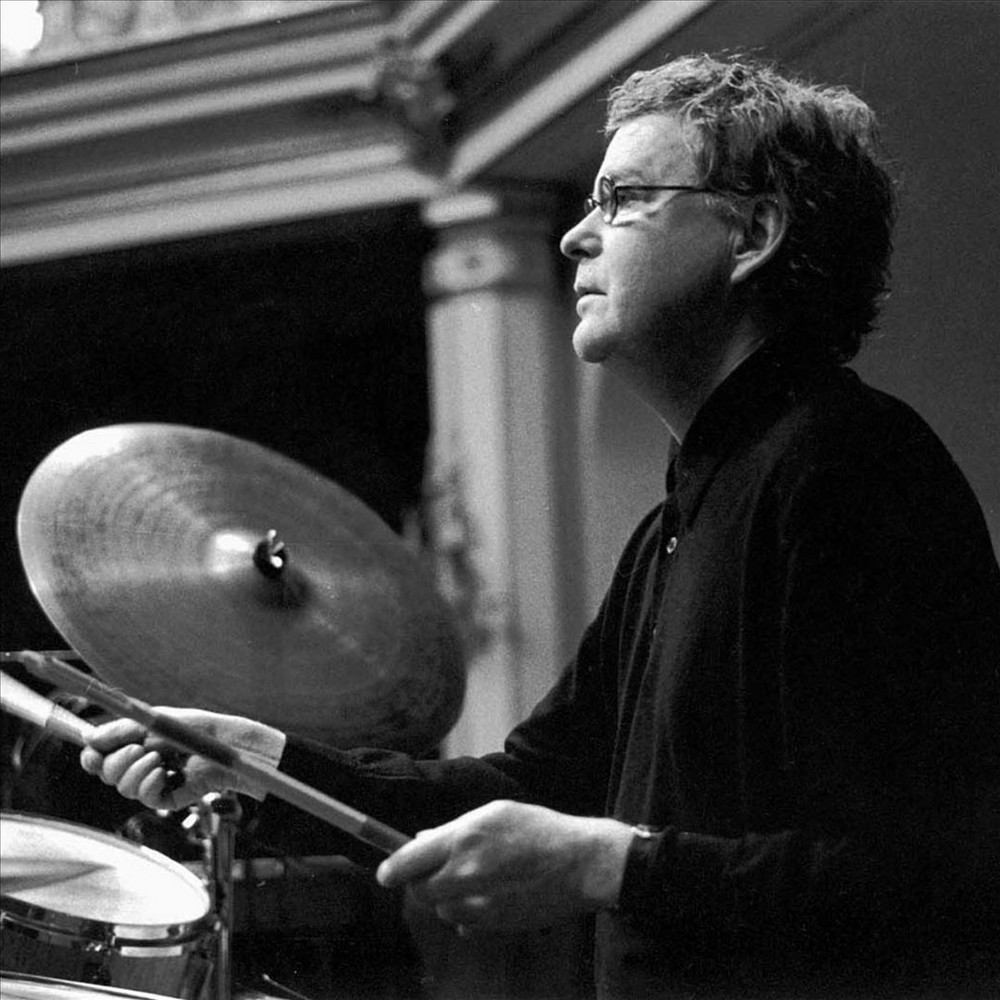
Jon Christensen
2011–2012
·
2 albums
Listen
3
/5
Genres
New Isolationism
New isolationism is a contemporary strain of isolationist ambient and post-industrial minimalism that emerged in the 2010s, particularly around Scandinavian experimental labels and studios. It foregrounds intimate, close-mic’d sound, negative space, and a quiet-but-present noise floor; its pieces feel both internal and architectural, like rooms built from reverb tails, tape hiss, and soft electronics. Sonically, the style blends glacial drones, fragile chamber timbres (strings, organ, piano), lo‑fi electronics, and field recordings into stark, slow-evolving tableaux. Melodic information is sparse—often only a few tones or gestures—while rhythm is either absent or reduced to distant pulses, heartbeats, or mechanical cycles. Vocals, when they appear, are murmured, diaristic, or abstracted by pitch and time manipulation. Aesthetically, new isolationism is post‑internet and diaristic: it captures solitude, memory, and dislocation with a palette that feels personal yet estranged, drawing as much from contemporary gallery sound practice as from classic dark ambient.
Discover
Listen
Contemporary Jazz
Contemporary jazz is an umbrella term for post-1970 jazz that absorbs advances from post‑bop, fusion, free jazz, modern classical, and global traditions while retaining the core values of improvisation and interaction. It favors a flexible rhythmic feel (from straight‑8 to polyrhythms), modal and post‑tonal harmony, and a producer’s ear for space, texture, and sound design. Unlike earlier era labels tied to a single movement, contemporary jazz denotes a living, evolving practice. It ranges from intimate acoustic trios to electronics‑enhanced ensembles, often using odd meters, ambient timbres, and song forms that move beyond the 32‑bar standard. The result is a wide spectrum—from lyrical, ECM‑influenced spaciousness to groove‑forward, rhythmically intricate music influenced by funk and world traditions.
Discover
Listen
Jazz Fusion
Jazz fusion (often simply called "fusion") blends the improvisational language and harmonic richness of jazz with the amplified instruments, grooves, and song forms of rock, funk, and R&B. It typically features electric guitars, electric bass or fretless bass, Rhodes electric piano, clavinet, analog and digital synthesizers, and a drum kit playing backbeat- and syncopation-heavy patterns. Hallmarks include extended chords and modal harmony, complex and shifting meters, brisk unison lines, virtuosic improvisation, and a production aesthetic that embraces effects processing and studio craft. The style ranges from fiery, aggressive workouts to polished, atmospheric textures, often within the same piece. Emerging in the late 1960s and flourishing through the 1970s, jazz fusion became a bridge between jazz audiences and rock/funk listeners, shaping later styles such as jazz-funk, smooth jazz, nu jazz, and parts of progressive and technical rock/metal.
Discover
Listen
Post-Bop
Post-bop is a modern jazz style that emerged in the early-to-mid 1960s as a synthesis of bebop, hard bop, modal jazz, cool jazz, third stream ideas, and the experimental impulses of the avant‑garde. It typically features acoustic small ensembles (often trumpet, saxophone, piano, bass, and drums) interacting with highly flexible time, non-functional or modal harmony, and motivic development rather than relying strictly on bebop chord cycles. Its sound balances structure and freedom: forms are clearly composed and often intricate, but improvisers stretch time feels, reharmonize on the fly, and use advanced harmonic colors such as quartal voicings, pedal points, and chromatic planing. Canonical touchstones include Miles Davis’s mid‑’60s Second Great Quintet (e.g., E.S.P., Nefertiti), Wayne Shorter’s Speak No Evil, Herbie Hancock’s Maiden Voyage, Andrew Hill’s Point of Departure, and many mid‑’60s Blue Note recordings that pushed beyond hard bop.
Discover
Listen
Prepared Piano
Prepared piano is a performance technique and repertoire in which an acoustic piano is altered by placing objects ("preparations") such as screws, bolts, erasers, rubber, paper, wood, or coins on or between the strings, hammers, or dampers. These additions transform the instrument’s timbre, producing sounds that resemble drums, gongs, bells, muted plucks, rattles, or metallic chimes. While the piano remains the sound source, the result is a compact percussion orchestra with a pitched framework. Composers notate detailed preparation charts specifying the materials and their exact string locations, and performers balance conventional keyboard playing with inside-the-piano gestures and pedaling control. The music ranges from meditative and bell-like to motoric and intensely percussive, and it occupies a pivotal place in 20th- and 21st-century experimental and contemporary classical practice.
Discover
Listen
Jazz
Jazz is an improvisation-centered music tradition that emerged from African American communities in the early 20th century. It blends blues feeling, ragtime syncopation, European harmonic practice, and brass band instrumentation into a flexible, conversational art. Defining features include swing rhythm (a triplet-based pulse), call-and-response phrasing, blue notes, and extended harmonies built on 7ths, 9ths, 11ths, and 13ths. Jazz is as much a way of making music—spontaneous interaction, variation, and personal sound—as it is a set of forms and tunes. Across its history, jazz has continually hybridized, from New Orleans ensembles and big-band swing to bebop, cool and hard bop, modal and free jazz, fusion, and contemporary cross-genre experiments. Its influence permeates global popular and art music.
Discover
Listen
Jazz Drums
Jazz drums refers to the art and practice of playing the drum set in jazz, where the drummer shapes time, texture, and dynamics for improvising ensembles. It is characterized by a swinging ride-cymbal pulse (the “spang‑a‑lang” pattern), syncopated “comping” on snare and bass drum, light hi‑hat on beats 2 and 4, and extensive use of brushes. Jazz drummers prioritize touch, nuance, and interaction—coloring the music with cymbal tones, cross‑stick, ghost notes, and dynamic swells while responding in real time to soloists. From early New Orleans ensembles to bebop, modal, free, and fusion contexts, jazz drums evolved into a virtuosic, conversational role: moving the time to the ride cymbal (Kenny Clarke), expanding independence and melodic phrasing (Max Roach), and introducing polyrhythms, metric modulation, and global rhythmic vocabularies.
Discover
Listen
Show all 7 genres
Albums
2012
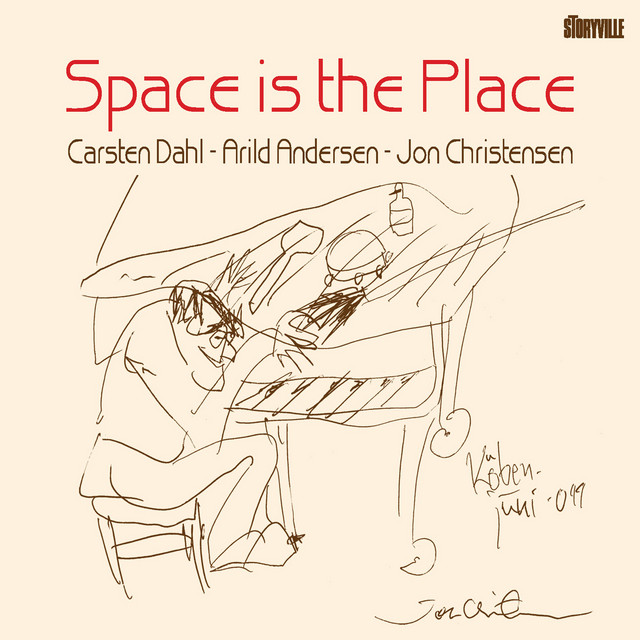
Space Is the Place
Carsten Dahl, Arild Andersen, Jon Christensen
Prepared Piano
2011
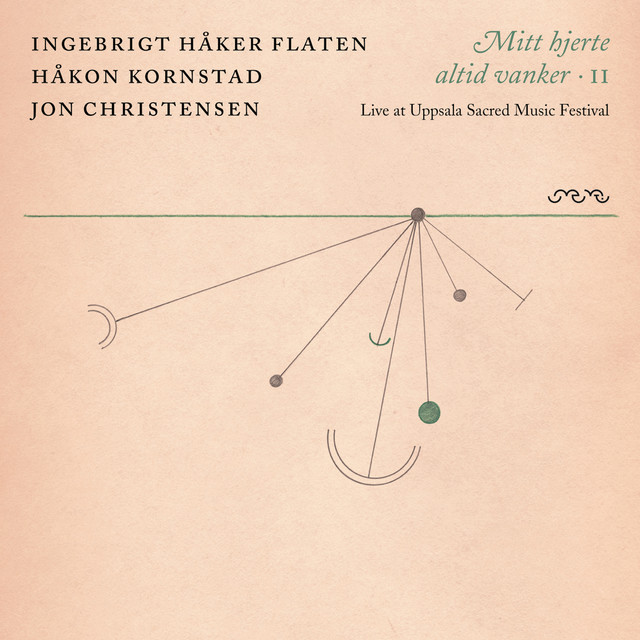
Mitt hjerte altid vanker II
Ingebrigt Håker Flaten, Jon Christensen, Håkon Kornstad
Jazz Drums
Similar artists
3
/5
Bill Frisell
Jazz
Free Jazz
Folk
3
/5
Jack DeJohnette
Jazz
Post-Bop
Ecm Style Jazz
2
/5
Peter Erskine
Jazz
Jazz Fusion
Jazz Drums
2
/5
Terri Lyne Carrington
Jazz
Jazz Drums
Contemporary Jazz
2
/5
Scott Henderson
Jazz Fusion
Jazz-Funk
Modern Blues
2
/5
Jimmy Haslip
Indonesian Jazz
Jazz Fusion
Jazz Drums
2
/5
Arild Andersen
Free Jazz
Jazz Double Bass
Prepared Piano
3
/5
Steve Gadd
Jazz
Jazz Fusion
Jazz-Funk
3
/5
Billy Cobham
Jazz Fusion
Jazz Rock
Jazz
3
/5
Victor Wooten
Jazz
Jazz Fusion
Jazz-Funk
Download our mobile app
Get the Melodigging app and start digging for new genres on the go
Download on the App Store
Get it on Google Play
© 2026 Melodigging
Give feedback
Legal
Melodding was created as a tribute to
Every Noise at Once
, which inspired us to help curious minds keep digging into music's ever-evolving genres.