Genres
Artists
Albums
Make Music
Sign in
Sign in
Artists
Ecm Style Jazz
Artists
Ecm Style Jazz
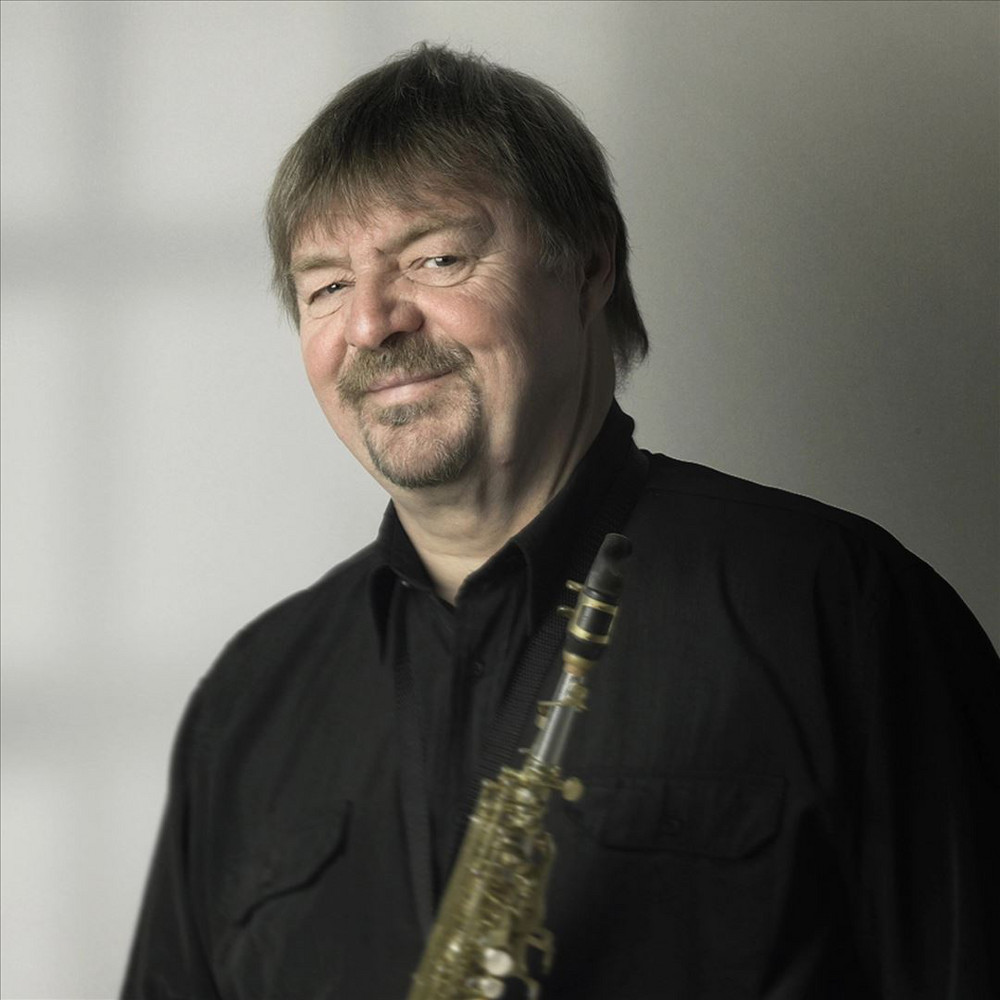
John Surman
1985
·
1 album
Listen
2
/5
Genres
Ecm Style Jazz
ECM style jazz refers to the spacious, chamber-like jazz aesthetic associated with the German label ECM (Edition of Contemporary Music), founded in 1969. The sound blends the restrained lyricism of Cool Jazz, the notated clarity and counterpoint of Third Stream/Western classical traditions, and the coloristic harmony and timbral exploration of Jazz Fusion. Hallmarks include crystalline recording quality with pronounced room ambience, patient tempos, modal or pedal-point harmony, and a strong emphasis on tone, silence, and ensemble blend. Melodies often feel hymn-like or folk-inflected; rhythms drift between rubato openness and subtly grooving ostinati rather than hard backbeats. The result is contemplative, atmospheric jazz that can feel as close to contemporary classical and ambient music as it does to post-bop.
Discover
Listen
Post-Bop
Post-bop is a modern jazz style that emerged in the early-to-mid 1960s as a synthesis of bebop, hard bop, modal jazz, cool jazz, third stream ideas, and the experimental impulses of the avant‑garde. It typically features acoustic small ensembles (often trumpet, saxophone, piano, bass, and drums) interacting with highly flexible time, non-functional or modal harmony, and motivic development rather than relying strictly on bebop chord cycles. Its sound balances structure and freedom: forms are clearly composed and often intricate, but improvisers stretch time feels, reharmonize on the fly, and use advanced harmonic colors such as quartal voicings, pedal points, and chromatic planing. Canonical touchstones include Miles Davis’s mid‑’60s Second Great Quintet (e.g., E.S.P., Nefertiti), Wayne Shorter’s Speak No Evil, Herbie Hancock’s Maiden Voyage, Andrew Hill’s Point of Departure, and many mid‑’60s Blue Note recordings that pushed beyond hard bop.
Discover
Listen
Free Jazz
Free jazz is a radical branch of jazz that rejects fixed chord progressions, strict meter, and conventional song forms in favor of collective improvisation, textural exploration, and spontaneous interaction. Musicians prioritize timbre, dynamics, and gesture as much as pitch and harmony, often using extended techniques (multiphonics, overblowing, prepared piano) and unconventional sounds. While rooted in the blues and earlier jazz vocabularies, free jazz frees improvisers from pre-set harmonic cycles, allowing lines to unfold over tonal centers, shifting modes, drones, or complete atonality. Rhythm sections may float without a steady pulse, or drive with layered polyrhythms and “energy playing.” The result ranges from contemplative soundscapes to cathartic, high-intensity eruptions. Culturally, the genre intersected with the civil rights era and broader avant-garde movements, emphasizing autonomy, community, and new possibilities for musical expression.
Discover
Listen
Avant-Garde Jazz
Avant-garde jazz is a boundary-pushing current of jazz that privileges experimentation, collective improvisation, and timbral exploration over conventional song forms and chord progressions. It often uses atonality or loose tonality, extended instrumental techniques, shifting or absent meters, and open forms. Ensembles may emphasize texture and density as much as melody and harmony, drawing as readily from modern classical music and non-Western traditions as from blues and bebop. While sometimes intense or noisy, avant-garde jazz also embraces spaciousness and silence, allowing players to interact in real time without predetermined roles. The result is music that questions the limits of jazz itself, foregrounding sound, spontaneity, and social expression.
Discover
Listen
Jazz
Jazz is an improvisation-centered music tradition that emerged from African American communities in the early 20th century. It blends blues feeling, ragtime syncopation, European harmonic practice, and brass band instrumentation into a flexible, conversational art. Defining features include swing rhythm (a triplet-based pulse), call-and-response phrasing, blue notes, and extended harmonies built on 7ths, 9ths, 11ths, and 13ths. Jazz is as much a way of making music—spontaneous interaction, variation, and personal sound—as it is a set of forms and tunes. Across its history, jazz has continually hybridized, from New Orleans ensembles and big-band swing to bebop, cool and hard bop, modal and free jazz, fusion, and contemporary cross-genre experiments. Its influence permeates global popular and art music.
Discover
Listen
Chamber Music
Chamber music is a tradition of composed music for small ensembles—typically one player per part—intended for intimate spaces such as courts, salons, and private rooms rather than large public halls. Its aesthetic emphasizes clarity of texture, conversational interplay among parts, and balance without a conductor. Hallmark formations include the string quartet, piano trio, wind quintet, string quintet, and various mixed ensembles. Multi‑movement cycles (often in sonata form) and finely wrought counterpoint are common, ranging from Baroque trio sonatas to Classical string quartets and modern works with expanded timbres and techniques. Because of its scale and transparency, chamber music has long been a proving ground for compositional craft and ensemble musicianship, shaping the core of Western art music from the Baroque through the present.
Discover
Listen
Albums
1985
1
/5
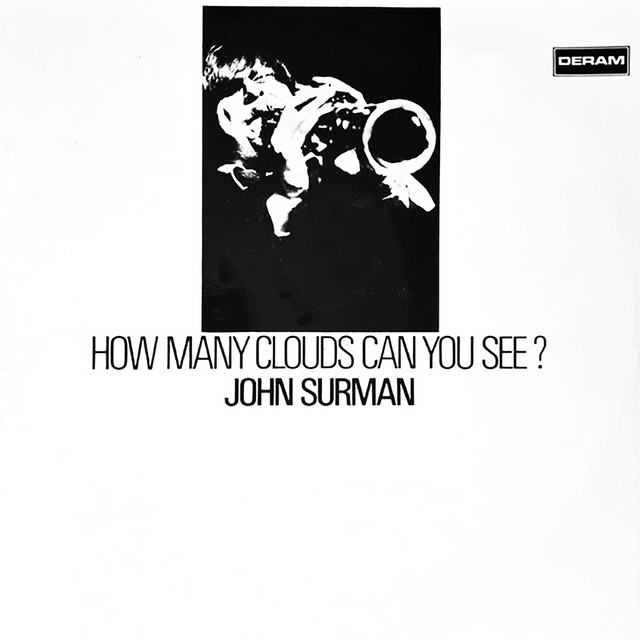
How Many Clouds Can You See?
John Surman
Ecm Style Jazz
Free Jazz
Similar artists
3
/5
Chick Corea
Ecm Style Jazz
Jazz Fusion
Free Jazz
3
/5
Dave Holland
Jazz
Free Jazz
Jazz Fusion
3
/5
Jack DeJohnette
Jazz
Ecm Style Jazz
Free Jazz
2
/5
Tomasz Stanko Quintet
Free Jazz
Jazz
Avant-Garde Jazz
4
/5
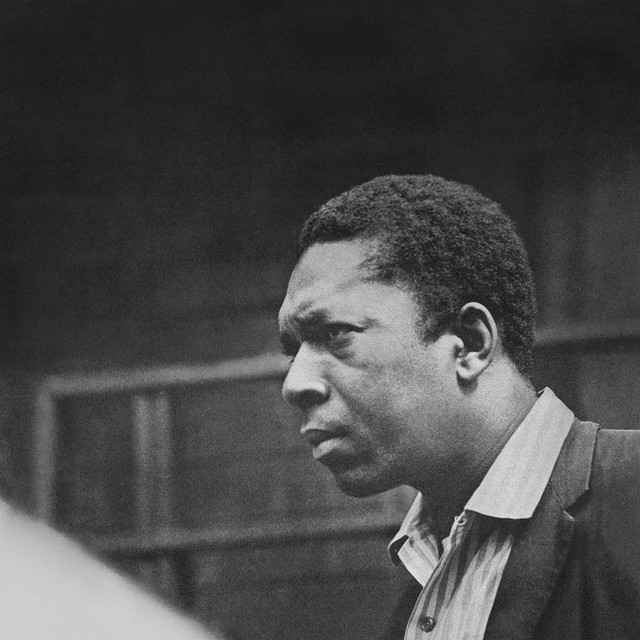
John Coltrane
Free Jazz
Hard Bop
Jazz
4
/5
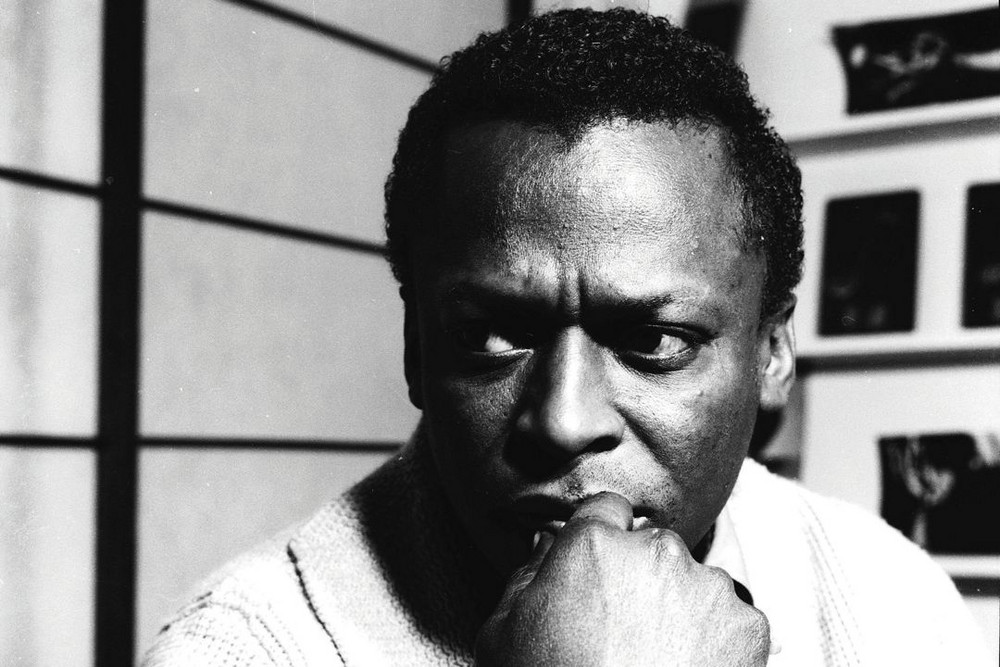
Miles Davis
Jazz
Jazz Fusion
Hard Bop
3
/5
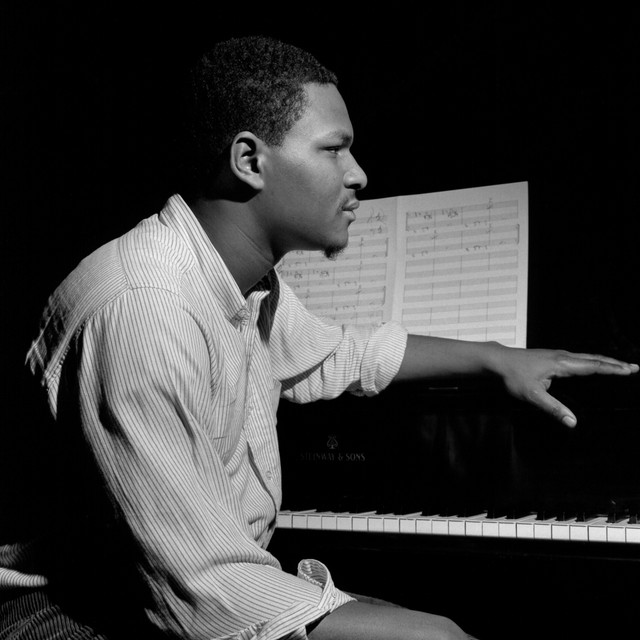
McCoy Tyner
Bebop
Cool Jazz
Free Jazz
3
/5
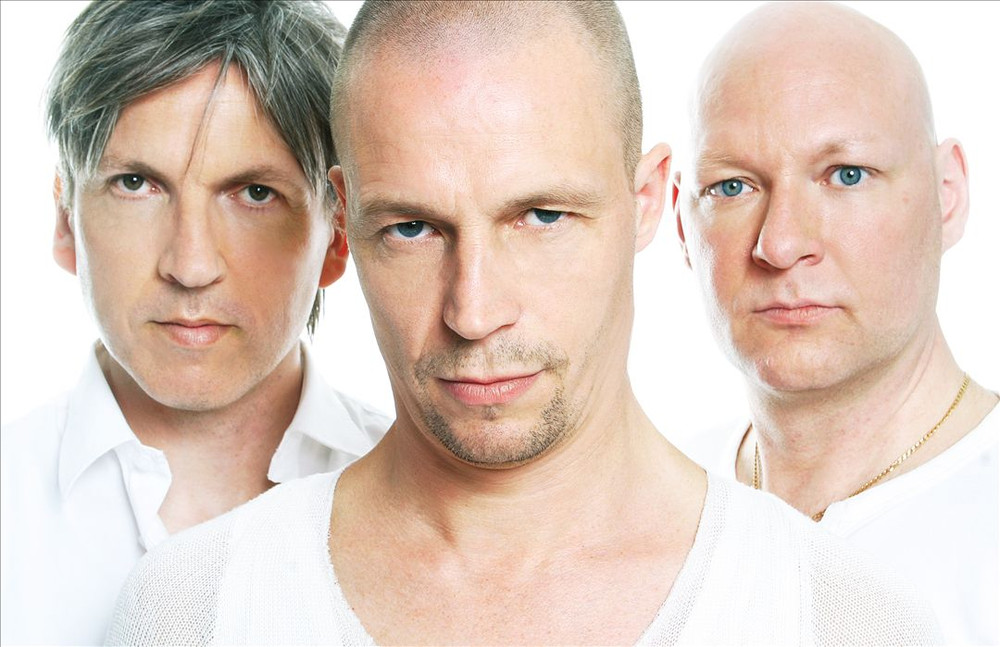
Esbjörn Svensson Trio
Jazz
Modern Jazz Trio
Contemporary Jazz
2
/5
Charles Lloyd
Jazz
Free Jazz
Contemporary Jazz
2
/5
Andrew Hill
Avant-Garde Jazz
Free Jazz
Avant-Garde
Download our mobile app
Get the Melodigging app and start digging for new genres on the go
Download on the App Store
Get it on Google Play
© 2026 Melodigging
Give feedback
Legal
Melodding was created as a tribute to
Every Noise at Once
, which inspired us to help curious minds keep digging into music's ever-evolving genres.