Genres
Artists
Albums
Make Music
Sign in
Sign in
Artists
Musica Sinfonica
Artists
Musica Sinfonica
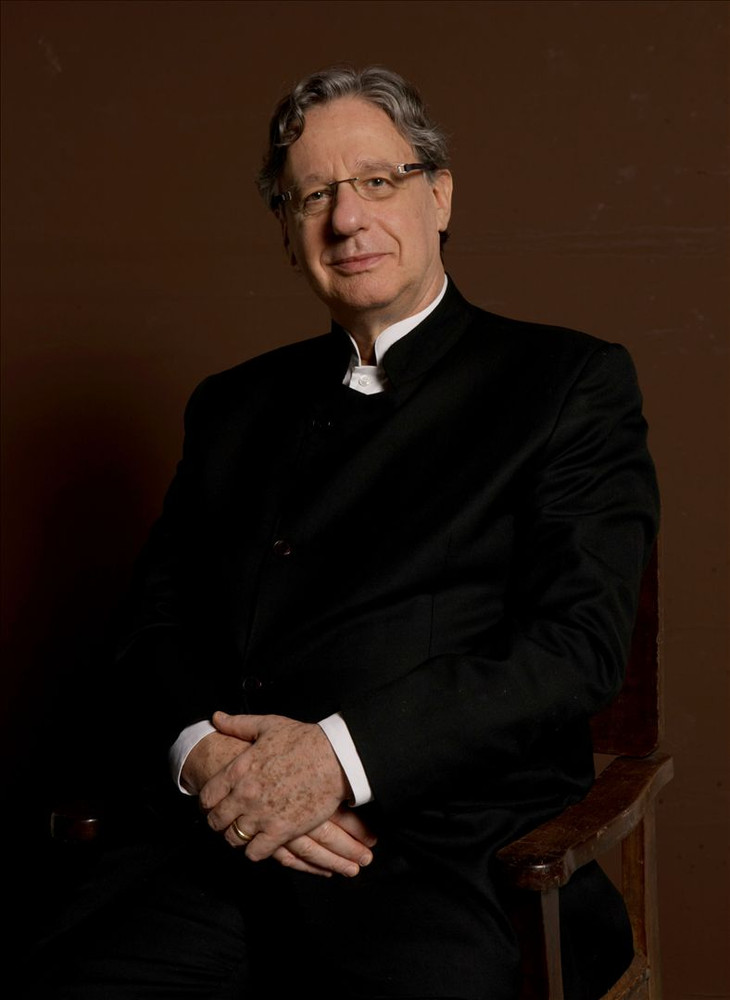
John Neschling
1995–2011
·
3 albums
Listen
2
/5
Genres
Musica Sinfonica
Música sinfónica designates large-scale orchestral music, typically written for a full symphony orchestra and articulated in several movements. It emphasizes thematic development, contrast of keys and textures, and idiomatic orchestration across strings, woodwinds, brass, and percussion. Historically, the term and practice grew out of the Italian opera overture or sinfonia of the late 17th and early 18th centuries (fast–slow–fast), which evolved into autonomous multi-movement works and the Classical symphony. From Haydn and Mozart through Beethoven, the genre became the central orchestral form. Romantic and 20th-century composers expanded its scale, color, and expressive range while retaining its core orchestral identity.
Discover
Listen
Orchestral
Orchestral music refers to compositions written for an orchestra—a large ensemble typically built around a string section (violins, violas, cellos, double basses), complemented by woodwinds, brass, percussion, and often harp, keyboard, or other auxiliary instruments. A conductor coordinates the ensemble, shaping balance, phrasing, and expression. The style emphasizes coloristic timbre combinations, dynamic range from the softest pianissimo to explosive tuttis, and textures that can shift seamlessly between transparent chamber-like writing and monumental masses of sound. Orchestral writing underpins concert genres such as symphonies, overtures, and tone poems, as well as opera, ballet, and modern film and game scores. While orchestral writing evolved across centuries, its core craft centers on melody, counterpoint, harmony, register, and orchestration—the art of assigning musical ideas to instruments to achieve clarity, contrast, and narrative impact.
Discover
Listen
Classical
Classical music is the notated art-music tradition of Europe and its global descendants, characterized by durable forms, carefully codified harmony and counterpoint, and a literate score-based practice. The term “classical” can refer broadly to the entire Western art-music lineage from the Medieval era to today, not just the Classical period (c. 1750s–1820s). It privileges long-form structures (such as symphonies, sonatas, concertos, masses, and operas), functional or modal harmony, thematic development, and timbral nuance across ensembles ranging from solo instruments to full orchestras and choirs. Across centuries, the style evolved from chant and modal polyphony to tonal harmony, and later to post-tonal idioms, while maintaining a shared emphasis on written notation, performance practice, and craft.
Discover
Listen
Albums
2011
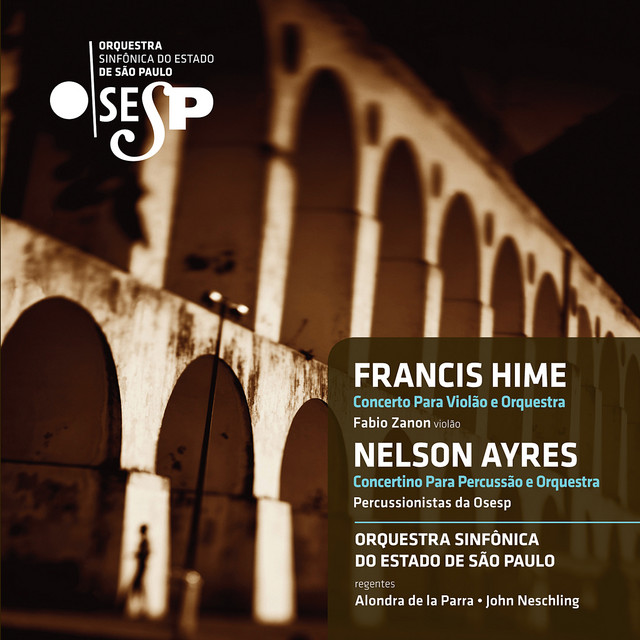
Hime: Concerto para Violão e Orquestra - Ayres: Concertino para Percussão e Orquestra
Orquestra Sinfônica do Estado de São Paulo, John Neschling, Alondra de la Parra
Musica Sinfonica
2009
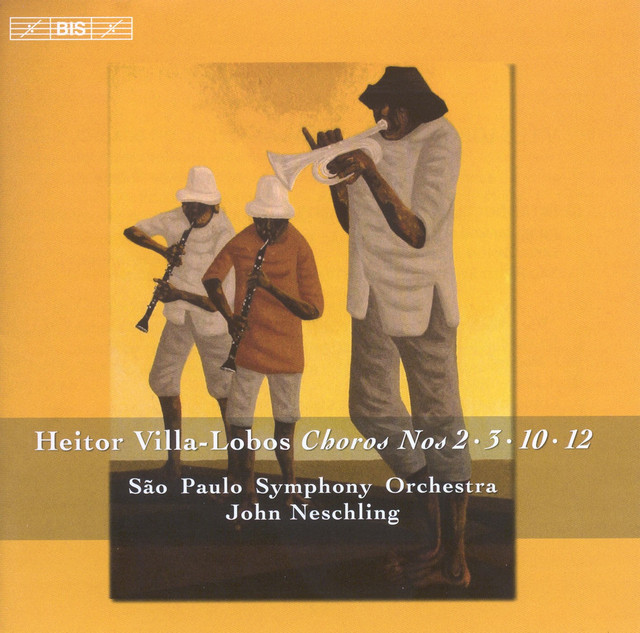
Villa-Lobos, H.: Choros, Vol. 3 - Choros Nos. 2, 3, 10, 12 / Introduction To the Choros / 2 Choros Bis
Heitor Villa-Lobos, John Neschling, Orquestra Sinfônica do Estado de São Paulo
Musica Sinfonica
1995
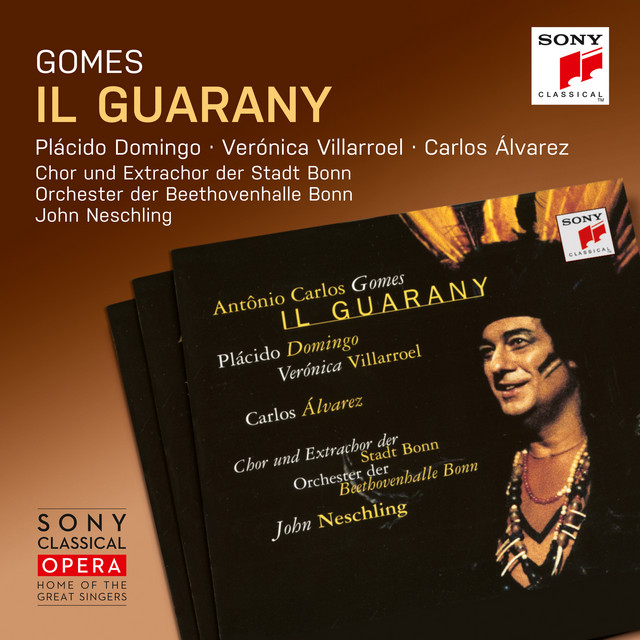
Gomes: Il Guarany
Antônio Carlos Gomes, John Neschling, Chor und Extrachor der Oper der Stadt Bonn
Musica Sinfonica
Similar artists
3
/5
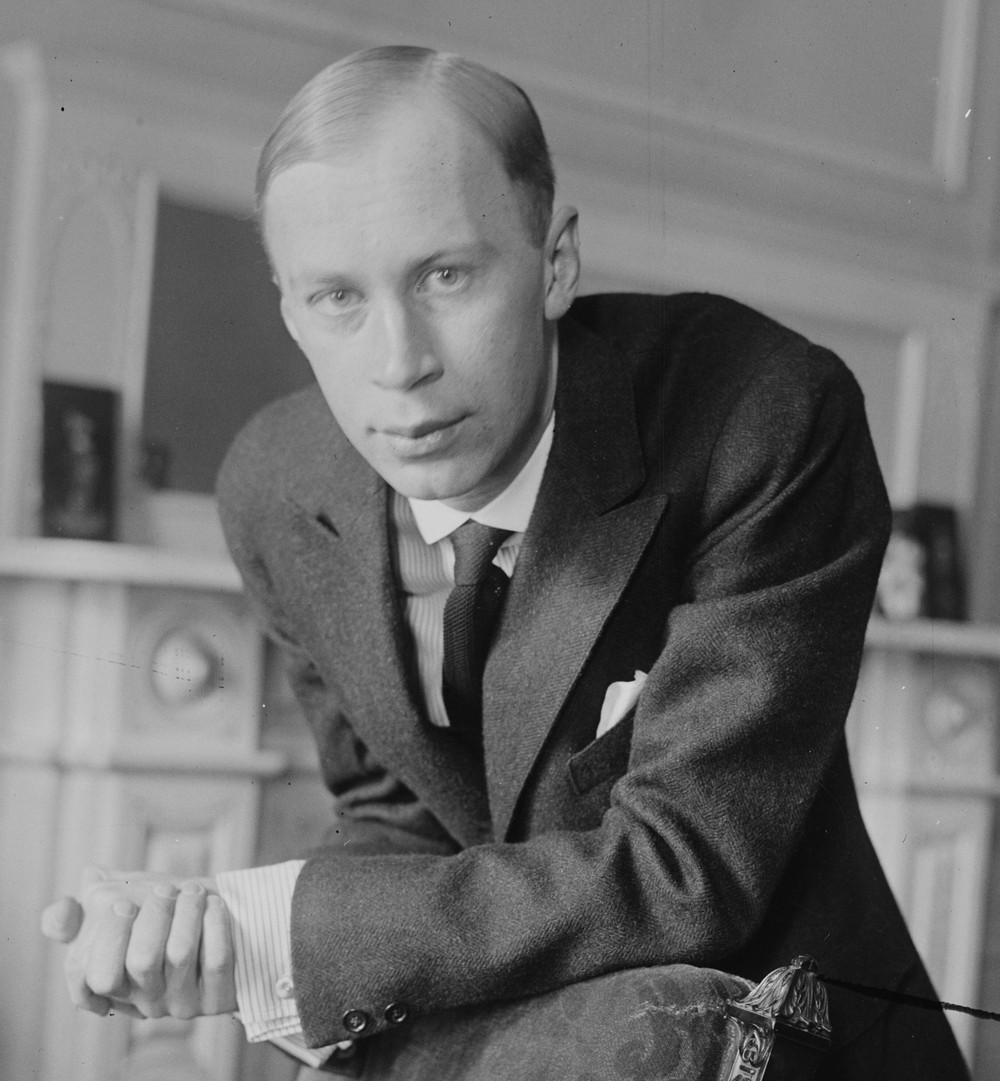
Sergei Prokofiev
Modern Classical
Ballet
Classical
3
/5
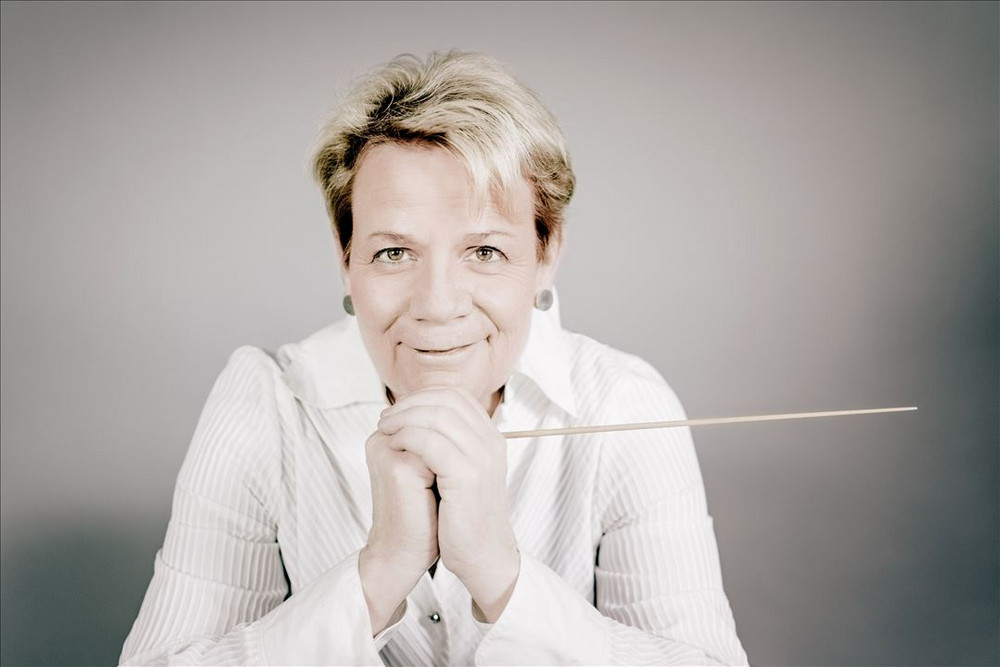
Marin Alsop
Classical
Minimalism
Orchestral
4
/5
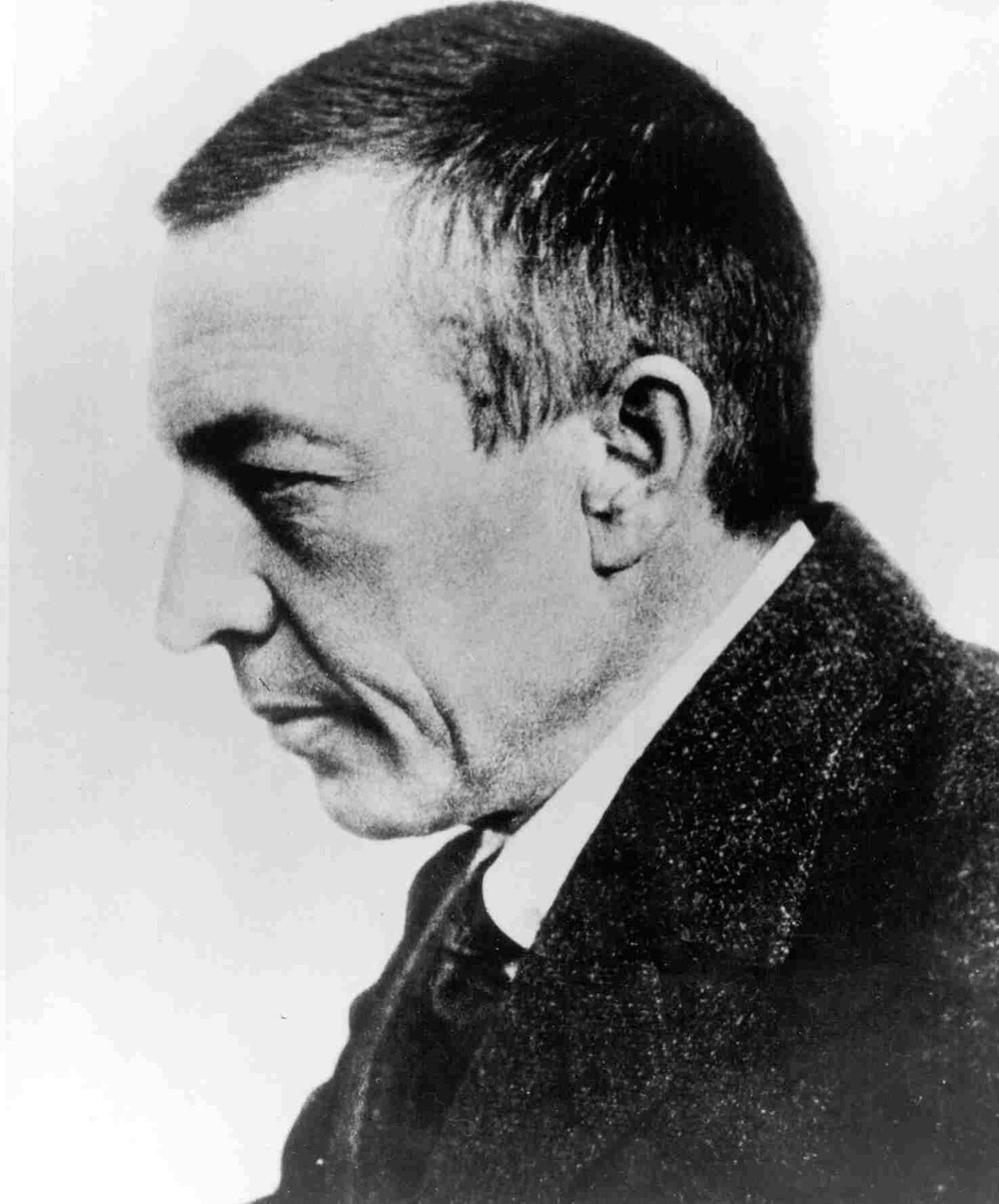
Sergei Rachmaninoff
Classical
Moscow School
Concerto
3
/5
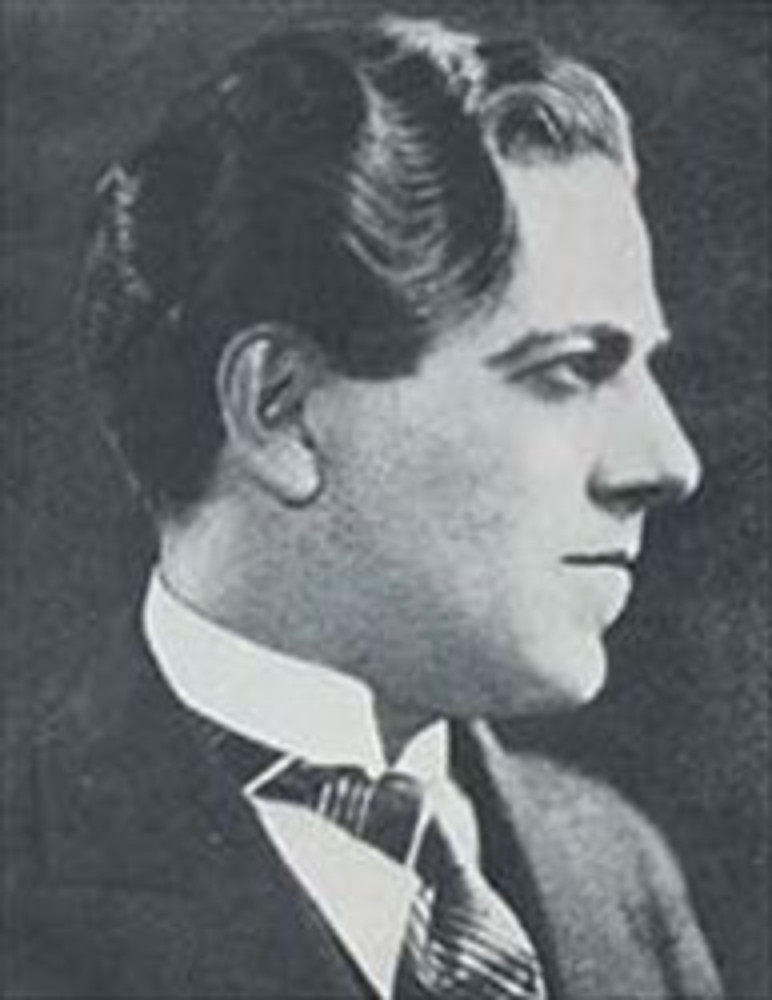
Heitor Villa-Lobos
Brazilian Classical Music
Neoclassicism
Classical
2
/5
Orquestra Sinfônica do Estado de São Paulo
Musica Sinfonica
Classical
5
/5
Hans Zimmer
Score
Soundtrack
Classical
4
/5
Johann Sebastian Bach
Baroque
Classical
Baroque Suite
4
/5
London Symphony Orchestra
Classical
Ballet
American Classical Piano
4
/5
Berliner Philharmoniker
Classical
Symphony
Romantic Classical
4
/5
John Williams
Soundtrack
Classical
Orchestral
Download our mobile app
Get the Melodigging app and start digging for new genres on the go
Download on the App Store
Get it on Google Play
© 2026 Melodigging
Give feedback
Legal
Melodding was created as a tribute to
Every Noise at Once
, which inspired us to help curious minds keep digging into music's ever-evolving genres.