Genres
Artists
Albums
Make Music
Sign in
Sign in
Artists
Persian Classical
Artists
Persian Classical
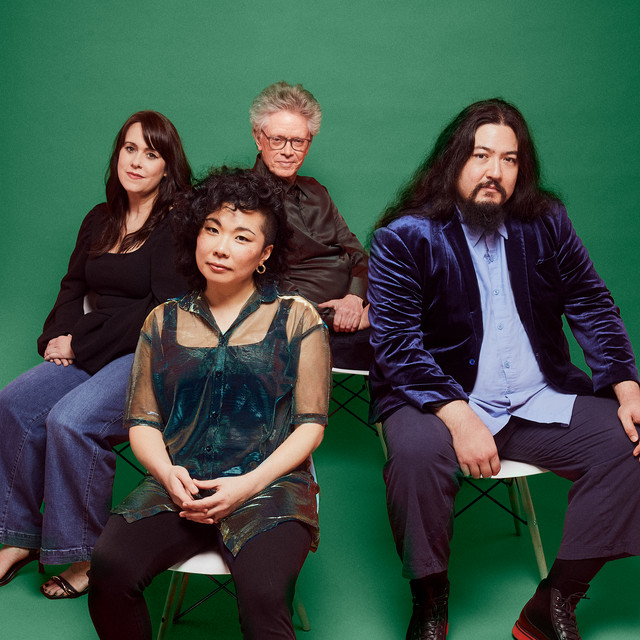
Jessika Kenney
2 albums
Listen
Genres
Modern Classical
Modern classical is a contemporary strand of instrumental music that applies classical composition techniques to intimate, cinematic settings. It typically foregrounds piano and strings, is sparsely orchestrated, and embraces ambience, repetition, and timbral detail. Rather than the academic modernism of the early 20th century, modern classical as used today refers to accessible, mood-driven works that sit between classical, ambient, and film music. Felt pianos, close‑miked string quartets, tape hiss, drones, soft electronics, and minimal harmonic movement are common, producing a contemplative, emotionally direct sound that translates well to headphones, streaming playlists, and screen media.
Discover
Listen
Electroacoustic
Electroacoustic music is a broad art-music tradition that integrates recorded acoustic sound and electronically generated or processed sound into coherent musical works. It privileges timbre, gesture, texture, and spatialization over conventional melody-and-harmony song forms, often employing tape manipulation, synthesis, live electronics, and computer-based signal processing. Works are frequently composed for fixed media (stereo or multichannel loudspeakers) and may also involve live performers who are transformed in real time. Concert presentation typically emphasizes spatial diffusion and immersive listening, and the repertoire spans concert works, radio pieces, installations, and soundscape compositions.
Discover
Listen
Persian Classical
Persian classical (musiqi-e asil) is the art-music tradition of Iran centered on the modal system called dastgāh and its body of canonical melodies known as the radif. Performances are typically intimate and improvisation-forward, unfolding through a succession of gusheh (short melodic pieces) within a dastgāh, guided by recognizable cadential gestures (forud) and a central tone (shāhed). Its sound world features nuanced microtonal inflections using koron (lowered) and sori (raised) accidentals, fluid rhythmic freedom in avāz (non-metric improvisation), and contrasting metered forms like pishdarāmad, chahārmezrāb, tasnif (song), and reng (dance). Core instruments include tar, setar, kamancheh, santur, ney, and tombak (tonbak), with the human voice employing elaborate ornaments (tahrir). The repertoire draws on classical Persian poetry (Hafez, Rumi, Saadi), creating a contemplative, mystical, and deeply expressive aesthetic.
Discover
Listen
Chamber Music
Chamber music is a tradition of composed music for small ensembles—typically one player per part—intended for intimate spaces such as courts, salons, and private rooms rather than large public halls. Its aesthetic emphasizes clarity of texture, conversational interplay among parts, and balance without a conductor. Hallmark formations include the string quartet, piano trio, wind quintet, string quintet, and various mixed ensembles. Multi‑movement cycles (often in sonata form) and finely wrought counterpoint are common, ranging from Baroque trio sonatas to Classical string quartets and modern works with expanded timbres and techniques. Because of its scale and transparency, chamber music has long been a proving ground for compositional craft and ensemble musicianship, shaping the core of Western art music from the Baroque through the present.
Discover
Listen
Persian Music
Persian music refers broadly to the musical traditions of Iran, centered on the radif repertoire and the modal system known as the dastgāh and its related āvāz branches. It is characterized by microtonal intervals (koron and sori accidentals), fluid melodic development through short pieces called gusheh, and a performance practice that balances composition with refined improvisation (bedāheh-navāzi). Typical ensembles feature tar, setar, kamancheh, santur, ney, and frame drums such as tombak and daf, with vocals employing the distinctive ornament called tahrir. Texts often draw on classical Persian poetry (Hafez, Rumi, Saadi), yielding contemplative, romantic, and introspective moods. While the tradition’s roots reach back to pre-Islamic Persia, its courtly and urban forms crystallized from the Safavid era onward and were codified in the Qajar period, continuing to influence regional modal musics across West and Central Asia.
Discover
Listen
Gamelan
Gamelan is a traditional Indonesian ensemble music, centered on tuned metal percussion (metallophones and gongs), drums, and soft-sounding melodic instruments. It is most closely associated with the islands of Java and Bali, where distinct courtly and village traditions evolved. Its sound is defined by cyclical structures marked by gongs (colotomic cycles), interlocking figurations, and modal systems (laras) called sléndro and pélog. Textures are “stratified,” with a core melody (balungan) surrounded by elaborating parts. The result ranges from serene, floating atmospheres to dazzling, kinetic brilliance, depending on region and context. Beyond ceremony and theater (wayang), gamelan has influenced global composers and experimentalists, while continuing to thrive in Indonesia as a living, communal art.
Discover
Listen
Albums
Atria
Jessika Kenney
Persian Classical
Atria
Jessika Kenney
Persian Music
Similar artists
3
/5
Kronos Quartet
Classical
Chamber Music
Latin American Classical Music
2
/5
Nonesuch Explorer Series
East Asian Classical Music
Japanese Music
East Asian Music
1
/5
Various Artists
Soundtrack
Afro-Funk
Alternative Rock
3
/5
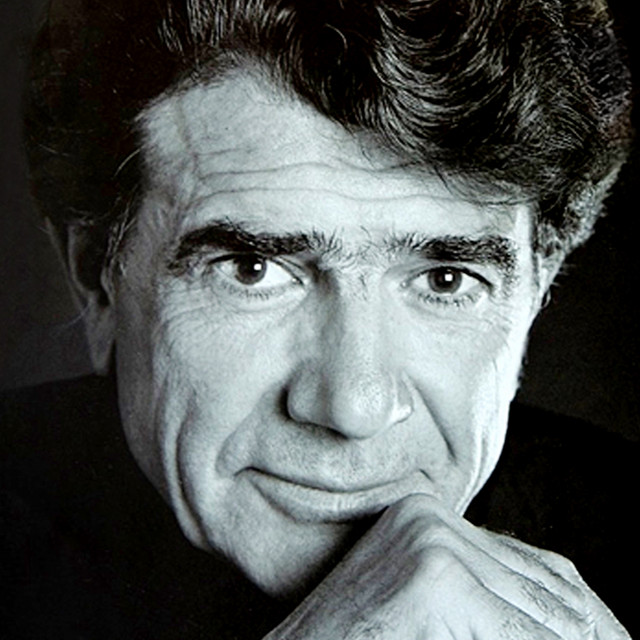
Mohammad-Reza Shajarian
Persian Classical
Persian Music
Traditional Music
2
/5
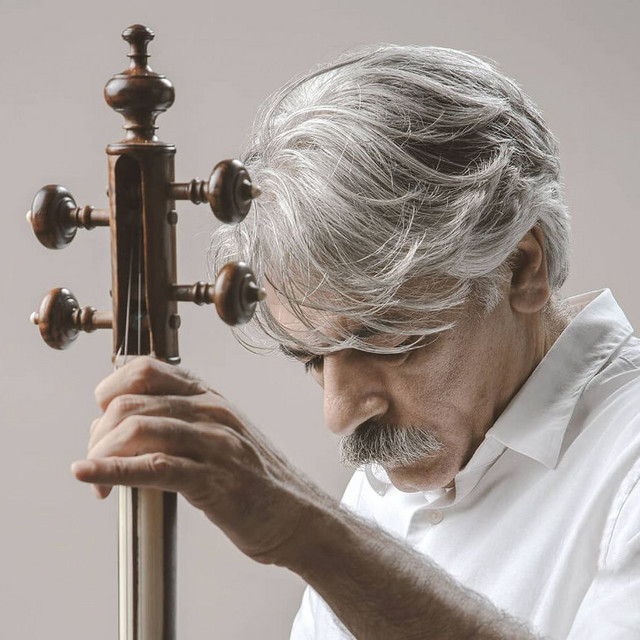
Kayhan Kalhor
Persian Classical
Persian Music
Ghazal
1
/5
Ghazal
Ghazal
Indian Classical
Persian Classical
Kayhan Kalhor
Persian Classical
Jazz
Persian Music
2
/5
Hossein Alizadeh
Persian Classical
Sufi
Traditional Folk
3
/5
Toumani Diabaté
Griot
Mande Music
World
3
/5
Alireza Ghorbani
Traditional Music
Sufi
Persian Classical
Download our mobile app
Get the Melodigging app and start digging for new genres on the go
Download on the App Store
Get it on Google Play
© 2026 Melodigging
Give feedback
Legal
Melodding was created as a tribute to
Every Noise at Once
, which inspired us to help curious minds keep digging into music's ever-evolving genres.