Genres
Artists
Albums
Make Music
Sign in
Sign in
Artists
Orchestral
Artists
Orchestral
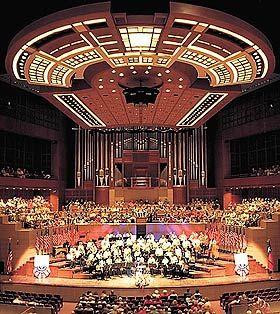
Jerry Junkin
2012
·
2 albums
Listen
2
/5
Genres
Wind Symphony
Wind symphony is a concert music tradition for large wind, brass, and percussion ensembles that perform original symphonic works, suites, overtures, marches, and transcriptions. It favors orchestral color drawn from woodwinds and brass rather than strings, often supported by a wide percussion battery, piano, harp, and occasional double bass. The term is frequently used interchangeably with concert band, symphonic band, and wind ensemble, yet it typically implies a high-art, symphonic aesthetic: extended formal designs, sophisticated harmony and counterpoint, and a focus on timbral nuance. University, military, civic, and professional groups around the world commission and premiere new repertoire, making the wind symphony one of the most prolific engines of contemporary concert music.
Discover
Listen
American Contemporary Classical
American contemporary classical is the broad umbrella for concert music created in the United States from the mid‑20th century to the present. It includes post‑war modernist currents, radical experimentalism, minimalist process music, and today’s post‑genre, postmodern eclecticism. Hallmarks include expanded harmonic palettes (from atonality and serialism to neo‑tonality and modal writing), rhythmic innovation (pulse‑driven minimalism, additive meters, phasing), a keen interest in timbre (extended techniques, prepared instruments, unconventional ensembles), and a deep engagement with technology (tape, electronics, live processing). American strands often braid in vernacular influences—jazz, rock, folk hymnody—alongside rigorous “uptown” academic traditions, yielding a scene that is both institutionally grounded and fiercely independent.
Discover
Listen
Orchestral
Orchestral music refers to compositions written for an orchestra—a large ensemble typically built around a string section (violins, violas, cellos, double basses), complemented by woodwinds, brass, percussion, and often harp, keyboard, or other auxiliary instruments. A conductor coordinates the ensemble, shaping balance, phrasing, and expression. The style emphasizes coloristic timbre combinations, dynamic range from the softest pianissimo to explosive tuttis, and textures that can shift seamlessly between transparent chamber-like writing and monumental masses of sound. Orchestral writing underpins concert genres such as symphonies, overtures, and tone poems, as well as opera, ballet, and modern film and game scores. While orchestral writing evolved across centuries, its core craft centers on melody, counterpoint, harmony, register, and orchestration—the art of assigning musical ideas to instruments to achieve clarity, contrast, and narrative impact.
Discover
Listen
Albums
2012
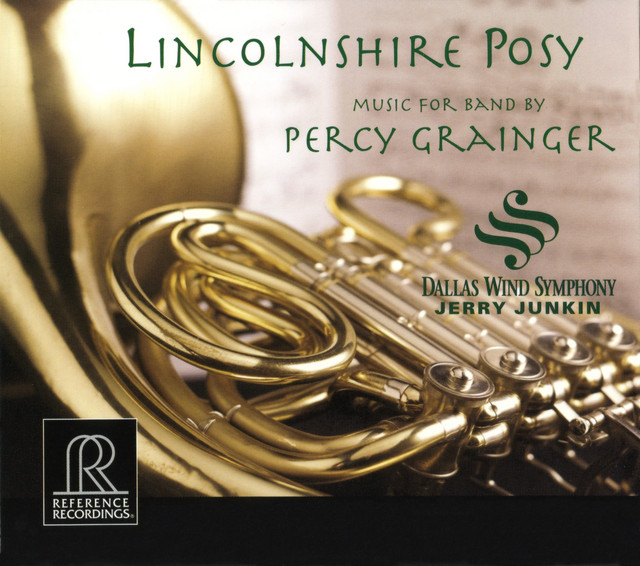
Lincolnshire Posy
Percy Grainger, Dallas Wind Symphony, Jerry Junkin
Wind Symphony
2012
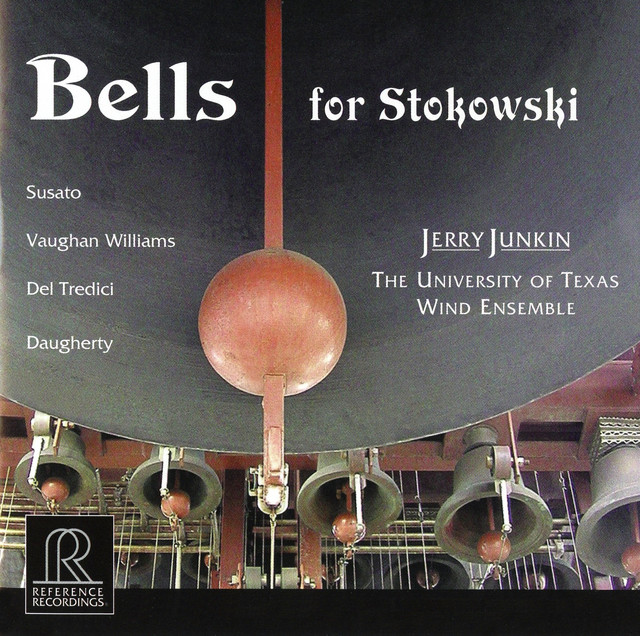
Bells for Stokowski
The University of Texas Wind Ensemble, Jerry Junkin
American Contemporary Classical
Similar artists
4
/5
London Symphony Orchestra
Classical
Ballet
American Classical Piano
4
/5
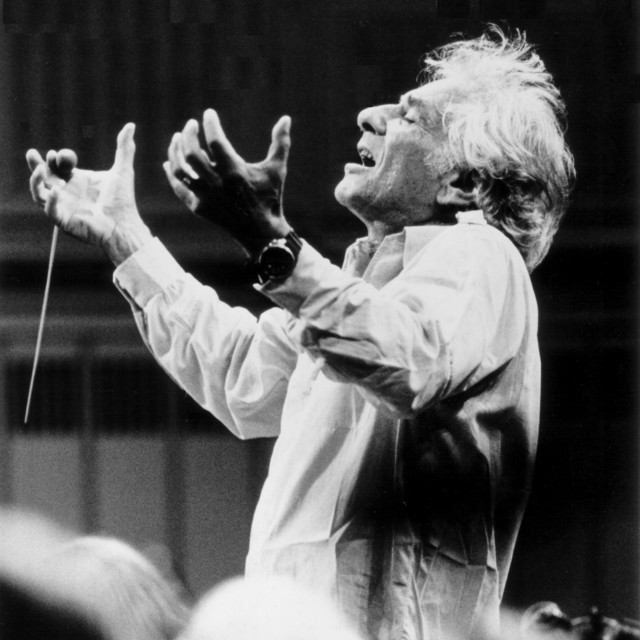
Leonard Bernstein
Classical
Orchestral Performance
Symphony
3
/5
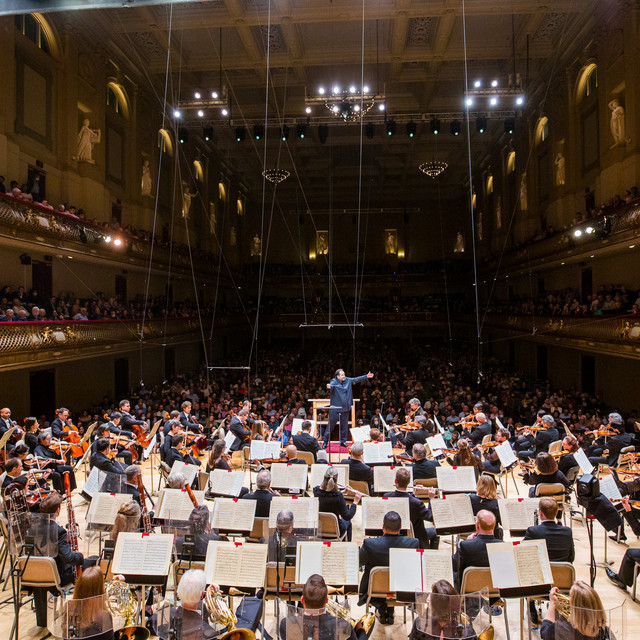
Boston Symphony Orchestra
Classical
Concerto
Moscow School
3
/5
Gustav Holst
Symphonic Poem
Classical
English Pastoral School
3
/5
Bavarian Radio Symphony Orchestra
Austro-German Modernism
Classical
Classical Contralto
3
/5
Gerard Schwarz
American Modern Classical
Classical
Orchestral
3
/5
Eugene Migliaro Corporon
Orchestral
Wind Symphony
American Modern Classical
2
/5
Dallas Wind Symphony
Classical
Orchestral
Wind Symphony
2
/5
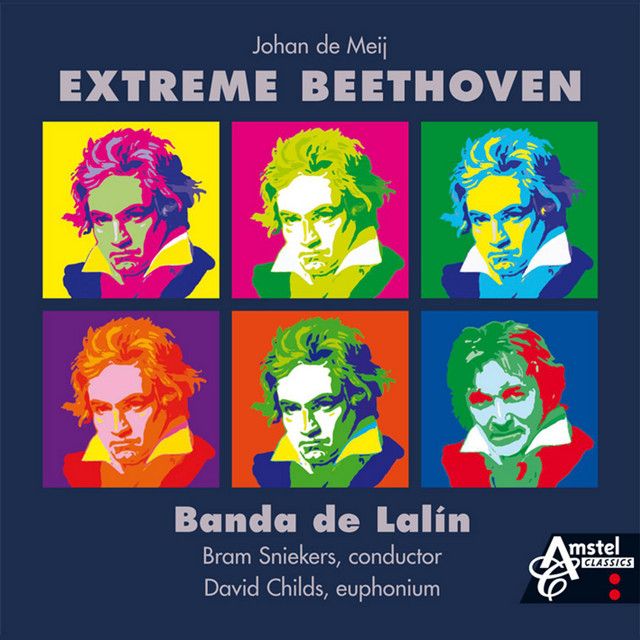
Johan de Meij
Concert Band
Orchestral
Wind Symphony
2
/5
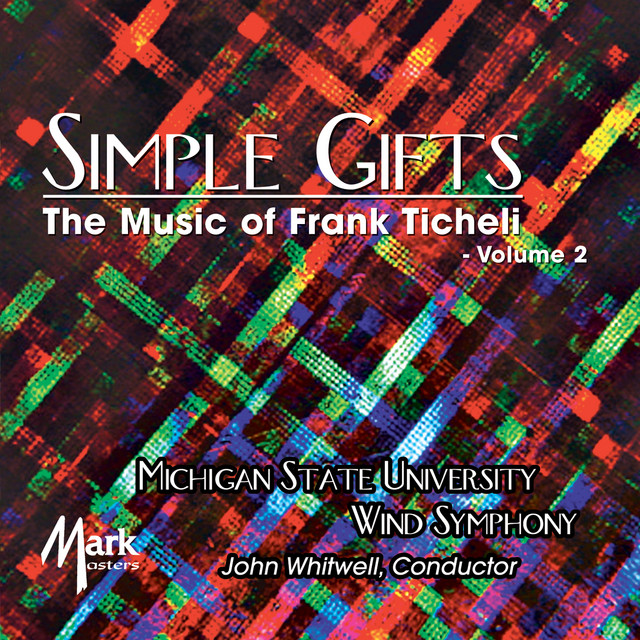
John Whitwell
Orchestral
Wind Symphony
Download our mobile app
Get the Melodigging app and start digging for new genres on the go
Download on the App Store
Get it on Google Play
© 2026 Melodigging
Give feedback
Legal
Melodding was created as a tribute to
Every Noise at Once
, which inspired us to help curious minds keep digging into music's ever-evolving genres.