Genres
Artists
Albums
Make Music
Sign in
Sign in
Artists
Hardcore Punk
Artists
Hardcore Punk
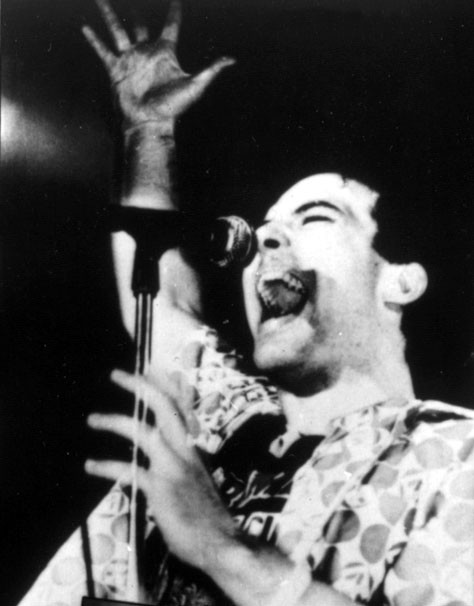
Jello Biafra
1989–1994
·
2 albums
Listen
2
/5
Genres
Cowpunk
Cowpunk is a hybrid of country and punk that emerged at the turn of the 1980s, mixing the speed, grit, and DIY bluntness of punk rock or new wave with the twang, song forms, and storytelling of country, folk, rockabilly, and blues. The style typically features overdriven guitars playing two-step and train-beat grooves, twangy leads, and bar-band immediacy, while lyrics lean on honky‑tonk themes (heartbreak, highways, workaday life, gallows humor) delivered with punk bite. It was cultivated concurrently in Southern California and the United Kingdom, with scenes that cross‑pollinated roots rock, rockabilly revivals, and post‑punk. Many of its key artists later paved the way for alternative country, Americana, and related roots‑minded punk offshoots.
Discover
Listen
Sludge Metal
Sludge metal is a hybrid of doom metal’s slow, downtuned weight and hardcore punk’s raw aggression. It emphasizes thick, overdriven guitar tones, throttling bass, and drums that lurch between trudging slow-motion grooves and ragged mid‑tempo blasts. Vocals are typically screamed, barked, or anguished, often buried slightly in the mix to feel abrasive and cathartic. The style took shape in the late 1980s United States—particularly the Pacific Northwest and the American South—where bands fused Sabbath‑like doom riffs with the DIY harshness of hardcore and the scabrous textures of noise rock. Lyrical themes commonly explore addiction, despair, social decay, and Southern Gothic imagery, delivered with an intentionally gritty, unvarnished production aesthetic.
Discover
Listen
Christian Hardcore
Christian hardcore is a faith-oriented branch of hardcore punk that combines the speed, aggression, and DIY ethos of hardcore with explicitly Christian themes. Songs are typically short, fast, and intense, featuring shouted or screamed vocals, thick power‑chord riffs, and mosh‑friendly drum patterns. Lyrically, bands address spirituality, personal struggle, social justice, redemption, and community, often drawing on biblical imagery while avoiding proselytizing clichés by grounding messages in lived experience. The scene emphasizes all-ages shows, inclusivity, and grassroots ethics, mirroring the broader hardcore community’s focus on authenticity and communal support.
Discover
Listen
Crossover Thrash
Crossover thrash is a high-speed fusion of hardcore punk’s brevity, aggression, and shouted vocals with thrash metal’s palm-muted riffing, galloping rhythms, and precision. Songs are typically short and explosive, built on frantic tempos, chunky power-chord riffs, skank and thrash beats, and gang-shout choruses. The style emphasizes mosh-worthy breakdowns, razor-edged guitar tones, and a raw, street-level attitude that keeps the music direct and confrontational. While lyrically rooted in hardcore’s anti-authoritarian and everyday-life themes, crossover thrash often adds a sarcastic or tongue-in-cheek edge, pairing social commentary with skate culture and party energy.
Discover
Listen
Hardcore Punk
Hardcore punk is a faster, louder, and more abrasive offshoot of late-1970s punk rock. Songs are typically short (often under two minutes), propelled by rapid tempos, aggressive down‑stroked guitar riffs, and shouted or barked vocals. The style prioritizes raw energy over technical ornamentation: power‑chord harmony, minimal guitar solos, and tightly locked rhythm sections dominate. Lyrically, hardcore punk is intensely direct—often political, anti‑authoritarian, and socially critical—reflecting a DIY ethic that values independent labels, self‑organized shows, and community‑run spaces. The genre coalesced in U.S. scenes such as Los Angeles, Washington, D.C., New York, and Boston, and soon spread internationally. Its velocity, attitude, and grassroots infrastructure profoundly shaped underground music and paved the way for numerous metal, punk, and alternative subgenres.
Discover
Listen
Punk
Punk is a fast, abrasive, and minimalist form of rock music built around short songs, stripped-down instrumentation, and confrontational, anti-establishment lyrics. It emphasizes DIY ethics, raw energy, and immediacy over virtuosity, often featuring distorted guitars, shouted or sneered vocals, and simple, catchy melodies. Typical songs run 1–3 minutes, sit around 140–200 BPM, use power chords and basic progressions (often I–IV–V), and favor live, unpolished production. Beyond sound, punk is a cultural movement encompassing zines, independent labels, political activism, and a fashion vocabulary of ripped clothes, leather, and safety pins.
Discover
Listen
Art Punk
Art punk is a strand of punk that embraces avant-garde methods, conceptual framing, and experimental songcraft while retaining punk’s immediacy and economy. It favors angular guitars, nonstandard song structures, and an art-school sensibility that treats the band as both a musical and visual project. Drawing on proto‑punk, art rock, and the downtown gallery/club scenes, art punk often features dissonance, spoken or affectless vocals, minimal or motorik grooves, and lyrics that are ironic, cerebral, or politically critical. The result is music that is fierce yet meticulously designed, marrying punk energy to avant-garde curiosity.
Discover
Listen
Punk Rock
Punk rock is a fast, raw, and stripped‑down form of rock music that foregrounds energy, attitude, and the DIY ethic over technical polish. Songs are short (often 90–180 seconds), in 4/4, and driven by down‑stroked power‑chord guitars, eighth‑note bass, and relentless backbeat drumming. Vocals are shouted or sneered rather than crooned, and lyrics are direct, often political, anti‑establishment, or wryly humorous. Production is intentionally unvarnished, prioritizing immediacy and live feel over studio perfection. Beyond sound, punk rock is a culture and practice: independent labels, fanzines, all‑ages venues, self‑organized tours, and a participatory scene that values inclusivity, affordability, and self‑reliance.
Discover
Listen
Folk Rock
Folk rock is a fusion genre that blends the narrative lyricism, modal melodies, and acoustic timbres of traditional folk with the backbeat, amplification, and song structures of rock. It typically pairs acoustic or traditional instruments (acoustic guitar, mandolin, fiddle) with a rock rhythm section (electric guitar, bass, drums), often featuring chiming 12‑string guitar textures, close vocal harmonies, and socially conscious or storytelling lyrics. The result ranges from intimate, reflective ballads with a steady backbeat to more anthemic, roots‑driven rock. Emerging in the mid‑1960s through artists such as Bob Dylan and The Byrds, folk rock became a gateway for traditional and roots materials to enter mainstream popular music, and it seeded later movements from country rock and Americana to jangle pop and modern indie folk.
Discover
Listen
Spoken Word
Spoken word is a performance-centered genre where text—poems, monologues, stories, or manifestos—is delivered aloud with musicality in voice rather than through singing. It may be entirely a cappella or accompanied by sparse instrumentation (often jazz combos, ambient textures, or minimal electronics) that frames the cadence and rhetoric of the performer. The emphasis is on language: prosody, pacing, imagery, and argument. Pieces often explore personal narratives, social critique, and political themes, drawing on techniques such as internal rhyme, alliteration, and repetition. While recordings exist, the tradition is fundamentally live, prioritizing immediacy, audience engagement, and oratorical presence.
Discover
Listen
Rock
Rock is a broad family of popular music centered on amplified instruments, a strong backbeat, and song forms that foreground riffs, choruses, and anthemic hooks. Emerging from mid‑20th‑century American styles like rhythm & blues, country, and gospel-inflected rock and roll, rock quickly expanded in scope—absorbing folk, blues, and psychedelic ideas—while shaping global youth culture. Core sonic markers include electric guitar (often overdriven), electric bass, drum kit emphasizing beats 2 and 4, and emotive lead vocals. Rock songs commonly use verse–chorus structures, blues-derived harmony, and memorable melodic motifs, ranging from intimate ballads to high‑energy, stadium‑sized performances.
Discover
Listen
Country
Country is a roots-based popular music from the rural American South that blends Anglo-Celtic ballad traditions with African American blues, gospel, and string-band dance music. It is characterized by narrative songwriting, plainspoken vocals with regional twang, and a palette of acoustic and electric instruments such as acoustic guitar, fiddle, banjo, pedal steel, and telecaster guitar. Rhythmically it favors two-step feels, train beats, shuffles, and waltzes, while harmony is largely diatonic (I–IV–V) with occasional country chromaticism and secondary dominants. Across a century, country has evolved through substyles like honky-tonk, the Nashville and Bakersfield sounds, outlaw country, neotraditionalist revivals, pop-country, and country-rap hybrids, but it consistently prioritizes storytelling about everyday life, love, work, faith, place, and identity.
Discover
Listen
Show all 12 genres
Albums
1994
2
/5
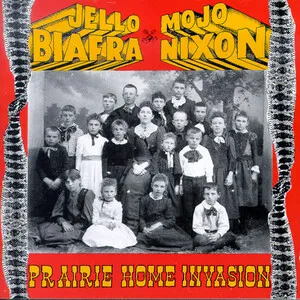
Prairie Home Invasion
Jello Biafra & Mojo Nixon
Cowpunk
Country
Folk Rock
1989
2
/5
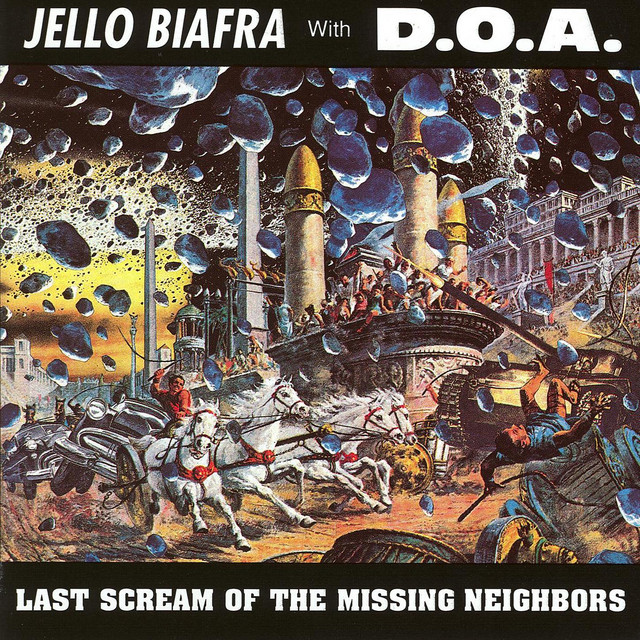
Last Scream of the Missing Neighbors
D.O.A.
Crossover Thrash
Christian Hardcore
Hardcore Punk
Similar artists
3
/5
Black Flag
Hardcore Punk
Punk
Hardcore
2
/5
Doom
Hardcore Punk
Grindcore
Punk
3
/5
Converge
Hardcore Punk
Metalcore
Mathcore
3
/5
Crass
Anarcho-Punk
Crust Punk
Punk
1
/5
Various Artists
Afro-Funk
Alternative Rock
Ambient
2
/5
disrupt
Crust Punk
Grindcore
Anarcho-Punk
2
/5
Nausea
Grindcore
Hardcore Punk
Punk
2
/5
Skitsystem
D-Beat
Crust Punk
Grindcore
2
/5
Capitalist Casualties
Grindcore
Hardcore
Hardcore Punk
2
/5
Antiseen
Cowpunk
Hardcore Punk
Punk
Download our mobile app
Get the Melodigging app and start digging for new genres on the go
Download on the App Store
Get it on Google Play
© 2026 Melodigging
Give feedback
Legal
Melodding was created as a tribute to
Every Noise at Once
, which inspired us to help curious minds keep digging into music's ever-evolving genres.