Genres
Artists
Albums
Make Music
Sign in
Sign in
Artists
Lo-Fi House
Artists
Lo-Fi House
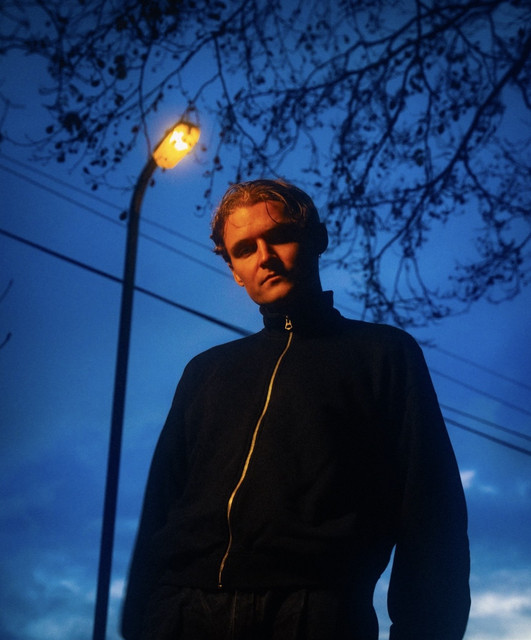
Jasper Tygner
2025
·
1 album
Listen
3
/5
Genres
Stutter House
Stutter house is a contemporary house microgenre defined by the percussive use of chopped and rapidly re-triggered vocal fragments that “stutter” rhythmically over a four-on-the-floor groove. Producers slice a short vocal phrase into tiny grains (often 1/8–1/32 notes), gate or retrigger them in syncopated patterns, and then pitch-, formant-, or time-shift the pieces to create a hook that functions as both melody and rhythm. The style typically runs at 124–130 BPM, pairs a tight, sidechained low-end with crisp tech house drums, and relies on minimalist arrangement so the stuttering vocal lead remains the focal point. It borrows the tactile, loop-centric immediacy of tech house and the glitchy ear-candy of modern EDM while keeping club mixing and dancefloor momentum in mind.
Discover
Listen
Lo-Fi House
Lo-fi house is a strain of house music that embraces imperfections—tape hiss, vinyl crackle, overdriven drums, and slightly detuned synths—to evoke warmth and nostalgia. It retains a classic 4/4 house pulse but softens the edges with hazy pads, subdued vocals, and wistful melodies. Emerging as an internet-driven micro–scene, the style often uses inexpensive or deliberately degraded production chains (cassette saturation, bit reduction, SP-404–style resampling) to achieve its character. The result is dance music that feels intimate and bedroom-made, equally suited to small dancefloors and solitary late-night listening.
Discover
Listen
Ukg Revival
UKG revival refers to the modern resurgence of UK garage (UKG) aesthetics after the style’s early‑2000s decline. It recasts classic 2‑step swing, rubbery sub‑bass, chopped R&B vocals, and organ/piano stabs with contemporary production, club formats, and pop sensibilities. Typical tracks sit around 128–135 BPM, with syncopated, skippy drum programming and swung hi‑hats, soulful chord colors, and prominent, rolling basslines. The revival often blends speed‑garage grit, bassline energy, and house polish, while borrowing contemporary topline writing and social‑media‑driven hooks for wider crossover appeal. Culturally, the movement connects today’s audiences to late‑’90s/early‑’00s UKG heritage (pirate radio, MC culture, and champagne‑garage euphoria) through fresh artists, labels, and events that foreground inclusivity, DIY distribution, and festival‑ready anthems.
Discover
Listen
Organic Ambient
Organic ambient is a strain of ambient music that emphasizes natural, acoustic, and tactile timbres over purely synthetic ones. Its sound world is built from softly mic’d pianos and guitars, mallet percussion, strings, voice layers, and environmental field recordings (wind, water, birds, room tone), then gently processed with spacious reverbs, tape warmth, and subtle granular or delay treatments. Compared with classic electronic ambient, the adjective “organic” points to breath, touch, and the audible presence of rooms and spaces: creaking pedals, bow noise, finger sounds on strings, and a bed of environmental sound. Harmony tends toward consonant, slowly evolving chords; rhythm is minimal or absent; and dynamics are restrained, inviting calm, contemplation, and connection with place.
Discover
Listen
Channel Pop
Channel pop is a digital-era strain of mainstream pop shaped by video and creator platforms—especially YouTube and later TikTok and Instagram—where artists build audiences through frequent uploads on their own “channels.” Musically it favors intimate, highly polished but close-mic’d vocals, acoustic guitar or piano-led arrangements, restrained beats, and succinct, playlist-friendly structures. Many releases are cover-first (reimagining recent chart hits) with a steady flow of glossy singles, session-style performances, and creator collaborations that gradually blend into original material. Titles, artwork, and release cadence are optimized for search and recommendation algorithms, yielding a sound that is simultaneously personal and platform-aware.
Discover
Listen
Organic Electronic
Organic electronic is a downtempo, groove‑driven branch of electronic music that blends acoustic and world instruments with modern production. Typically sitting around 100–115 BPM, it favors hand percussion, mallets, strings, winds, and field recordings over hard-edged drum machines. The result is a warm, tactile sound where shakers, frame drums, and ethnic instruments (such as oud, kora, saz, flutes, or kalimba) weave through gentle synth pads and understated basslines. Melodic language often leans on modal colors (Dorian, Phrygian, Mixolydian) and drone‑like sustains, creating a hypnotic, earthy atmosphere. Born from bohemian club culture and outdoor gatherings, the style emphasizes long, evolving arrangements, subtle crescendos, and humanized timing—music equally at home on intimate dancefloors, sunset sets, and mindful listening contexts.
Discover
Listen
Seapunk
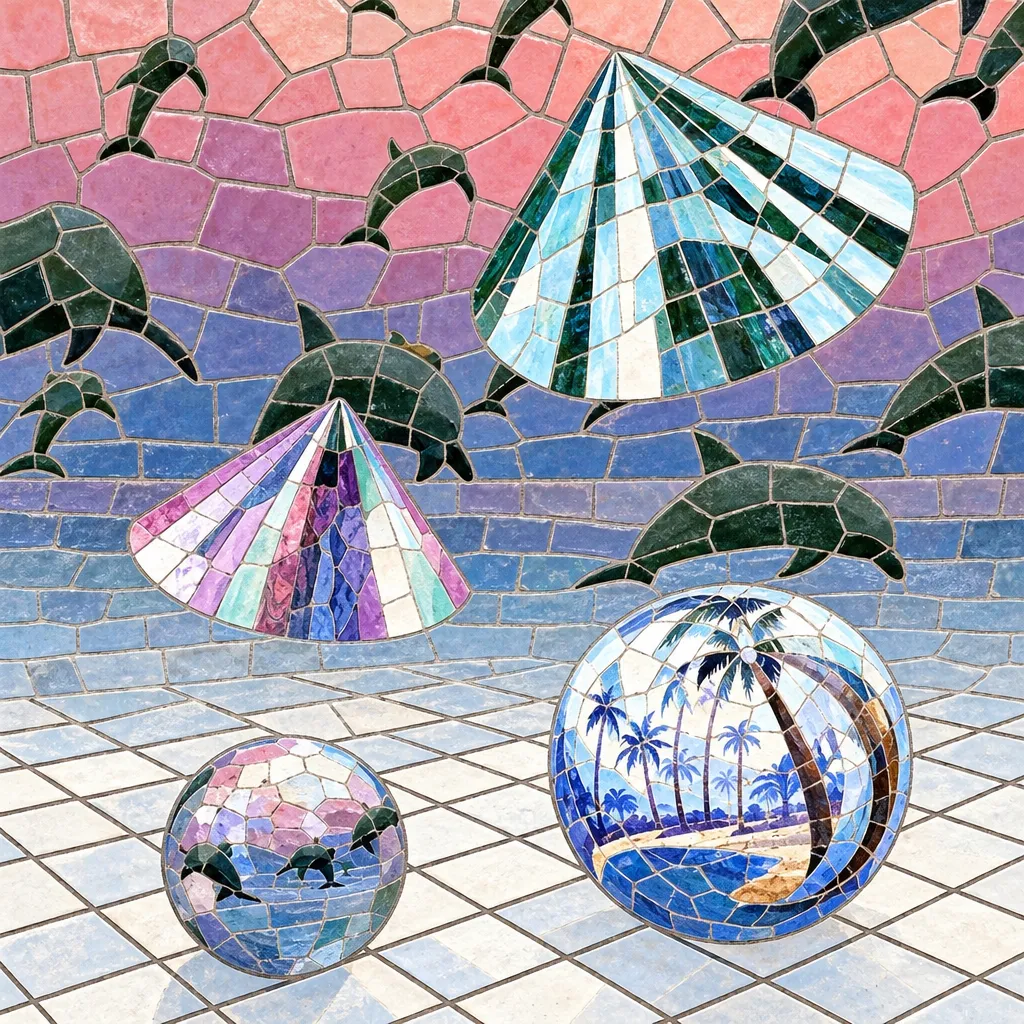
Seapunk is an early-2010s internet-born microgenre and multimedia aesthetic that fuses retro-rave sonics with Y2K-era, ocean-themed visuals. Its sound blends 1990s house and trance riffs, chopped-and-screwed and vaporwave-adjacent sampling, splashy 808/909 drums, and glossy, “watery” synth textures. The visual world is as important as the music: turquoise/teal palettes, 3D chrome dolphins, coral gradients, pixel seas, and GIF-era net art. Together, these define a playful, nostalgic, and cyber-aquatic identity that celebrates both rave euphoria and web-native DIY culture.
Discover
Listen
House
House is a dance music genre that emerged in Chicago in the early 1980s, defined by a steady four-on-the-floor kick drum, off-beat hi-hats, soulful or hypnotic vocals, and groove-centric basslines. Typical tempos range from 118–130 BPM, and tracks are structured in DJ-friendly 16–32 bar phrases designed for seamless mixing. Drawing on disco’s celebratory spirit, electro-funk’s drum-machine rigor, and Italo/Hi-NRG’s synth-led sheen, house prioritizes repetition, tension-and-release, and communal energy on the dancefloor. Its sound palette often includes 808/909 drums, sampled or replayed disco/funk elements, filtered loops, piano/organ stabs, and warm, jazzy chords. Over time, house diversified into many substyles—deep house, acid house, French house, tech house, progressive house, and more—yet it remains a global foundation of club culture, known for emphasizing groove, inclusivity, and euphoria.
Discover
Listen
Rave
Rave is a high-energy electronic dance music style and party culture that crystallized in the late 1980s in the United Kingdom, growing out of acid house nights and warehouse parties. Musically, it emphasizes relentless dance-floor momentum, big breakdowns and drops, bright "rave stabs" and hoover leads, chopped breakbeats or four-on-the-floor kicks, and euphoric vocal samples. While the word "rave" refers to the broader culture of all-night events, the genre tag often points to the early 1990s UK sound sometimes called hardcore rave or breakbeat hardcore: uptempo BPMs, Amen/Think breaks, 808/909 drums, M1 piano riffs, diva hooks, sirens, and airhorns. The mood ranges from ecstatic and communal to dark and intense, with DJ-friendly structures designed for long blends and peak-time rushes.
Discover
Listen
Dance
Dance (as a broad, mainstream club- and radio-oriented style) is pop-leaning music designed primarily for dancing, characterized by steady, driving beats, catchy hooks, and production that translates well to nightclubs and large sound systems. It emerged after disco, blending four-on-the-floor rhythms with electronic instrumentation and pop songwriting, and it continually absorbs elements from house, techno, Hi-NRG, synth-pop, and later EDM. Tempos commonly fall between 110–130 BPM, vocals often emphasize memorable choruses, and arrangements are structured for both club mixing and mass appeal.
Discover
Listen
Pop
Pop is a broad, hook-driven style of popular music designed for wide appeal. It emphasizes memorable melodies, concise song structures, polished vocals, and production intended for radio, charts, and mass media. While pop continually absorbs elements from other styles, its core remains singable choruses, accessible harmonies, and rhythmic clarity. Typical forms include verse–pre-chorus–chorus, frequent use of bridges and middle-eights, and ear-catching intros and outros. Pop is not defined by a single instrumentation. It flexibly incorporates acoustic and electric instruments, drum machines, synthesizers, and increasingly digital production techniques, always in service of the song and the hook.
Discover
Listen
Electronic
Electronic is a broad umbrella genre defined by the primary use of electronically generated or electronically processed sound. It encompasses music made with synthesizers, drum machines, samplers, computers, and studio/tape techniques, as well as electroacoustic manipulation of recorded or synthetic sources. The genre ranges from academic and experimental traditions to popular and dance-oriented forms. While its sonic palette is rooted in electricity and circuitry, its aesthetics span minimal and textural explorations, structured song forms, and beat-driven club permutations. Electronic emphasizes sound design, timbre, and studio-as-instrument practices as much as melody and harmony.
Discover
Listen
Show all 12 genres
Albums
2025
2
/5
Blue
Jasper Tygner
Lo-Fi House
Similar artists
3
/5
DJ Seinfeld
Lo-Fi House
Outsider House
Candy Pop
3
/5
Sofia Kourtesis
Experimental House
Electronic
Lo-Fi House
5
/5
Calvin Harris
Electro House
Progressive House
Electronic
5
/5
Fred again..
House
Stutter House
Electronic
3
/5
Tchami
G-House
House
Future House
3
/5
Malaa
G-House
Bass House
Future House
3
/5
Todd Edwards
Garage House
Uk Garage
Speed Garage
2
/5
DJ Q
2-Step
Speed Garage
Bassline
4
/5
Cult Member
Dreampunk
Outsider House
Lo-Fi House
3
/5
HNNY
Swedish Synthpop
Electronic
Future Garage
Download our mobile app
Get the Melodigging app and start digging for new genres on the go
Download on the App Store
Get it on Google Play
© 2026 Melodigging
Give feedback
Legal
Melodding was created as a tribute to
Every Noise at Once
, which inspired us to help curious minds keep digging into music's ever-evolving genres.