Genres
Artists
Albums
Make Music
Sign in
Sign in
Artists
Nu Jazz
Artists
Nu Jazz
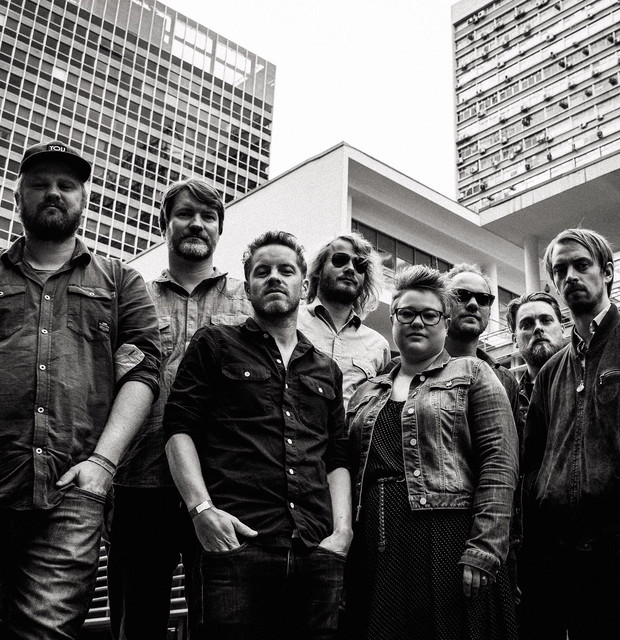
Jaga Jazzist
2001–2005
·
2 albums
Listen
2
/5
Genres
Nu Jazz
Nu jazz is a late-1990s movement that blends contemporary electronic production with the improvisational language and harmony of jazz. It keeps jazz’s extended chords, modal colors, and live soloing, but places them over programmed beats, sampled textures, and synth-driven arrangements. Typical tracks feature warm Rhodes or piano voicings, roomy horns, and deep bass sitting alongside house, broken beat, or downtempo grooves. The result is music that feels both club-ready and listening-focused, bridging intimate jazz sensibilities with modern electronic sound design.
Discover
Listen
Jazztronica
Jazztronica is a hybrid style that fuses the improvisational language, harmony, and timbres of jazz with contemporary electronic music production and rhythms. It often balances live instrumentation—such as saxophone, keys, bass, and drums—with programmed beats, sampling, and synthesis. Producers and bands in this genre draw from jazz-funk, acid jazz, and fusion, then layer in elements of downtempo, house, hip hop, broken beat, and IDM. The result ranges from head‑nod, beat‑driven tracks to club‑leaning grooves and cinematic, atmospheric pieces. Hallmarks include extended jazz chords, swung or syncopated drum programming, elastic basslines (both electric and synthesized), and textural sound design that supports improvisation and groove.
Discover
Listen
Post-Rock
Post-rock is a style that uses traditional rock instrumentation—guitars, bass, drums, and often piano or strings—to create expansive textures, evolving soundscapes, and dynamic arcs rather than conventional verse–chorus songs. It emphasizes timbre, atmosphere, and gradual development: clean or lightly overdriven guitars drenched in delay and reverb, cyclical ostinatos, layered crescendos, and pronounced quiet–loud dynamics. Vocals, if present, are often sparse, wordless, or treated as another textural layer. The genre draws heavily from ambient, minimalism, krautrock, progressive and space rock, shoegaze, noise rock, and experimental practices, yielding music that can feel cinematic, contemplative, and emotionally cathartic.
Discover
Listen
Acid Jazz
Acid jazz is a groove-focused fusion that blends the rhythmic drive of 1970s funk and soul with jazz harmony, improvisation, and DJ culture. Emerging from the UK club scene in the late 1980s, it revived crate-dug "rare groove" aesthetics and reintroduced live instrumentation—Hammond organ, Rhodes, horns, and tight rhythm sections—into contemporary dance music. Stylistically, acid jazz favors mid-tempo, syncopated rhythms, vamp-based structures, extended chords, and concise solos, often paired with warm, analog-leaning production. It sits between dancefloor energy and lounge sophistication, bridging DJs, bands, and studio producers while maintaining a polished, urban, and feel-good mood.
Discover
Listen
Jazz Fusion
Jazz fusion (often simply called "fusion") blends the improvisational language and harmonic richness of jazz with the amplified instruments, grooves, and song forms of rock, funk, and R&B. It typically features electric guitars, electric bass or fretless bass, Rhodes electric piano, clavinet, analog and digital synthesizers, and a drum kit playing backbeat- and syncopation-heavy patterns. Hallmarks include extended chords and modal harmony, complex and shifting meters, brisk unison lines, virtuosic improvisation, and a production aesthetic that embraces effects processing and studio craft. The style ranges from fiery, aggressive workouts to polished, atmospheric textures, often within the same piece. Emerging in the late 1960s and flourishing through the 1970s, jazz fusion became a bridge between jazz audiences and rock/funk listeners, shaping later styles such as jazz-funk, smooth jazz, nu jazz, and parts of progressive and technical rock/metal.
Discover
Listen
Jazz
Jazz is an improvisation-centered music tradition that emerged from African American communities in the early 20th century. It blends blues feeling, ragtime syncopation, European harmonic practice, and brass band instrumentation into a flexible, conversational art. Defining features include swing rhythm (a triplet-based pulse), call-and-response phrasing, blue notes, and extended harmonies built on 7ths, 9ths, 11ths, and 13ths. Jazz is as much a way of making music—spontaneous interaction, variation, and personal sound—as it is a set of forms and tunes. Across its history, jazz has continually hybridized, from New Orleans ensembles and big-band swing to bebop, cool and hard bop, modal and free jazz, fusion, and contemporary cross-genre experiments. Its influence permeates global popular and art music.
Discover
Listen
Albums
2005
2
/5
What We Must
Jaga Jazzist
Nu Jazz
2001
2
/5
A Livingroom Hush
Jaga Jazzist
Nu Jazz
Similar artists
1
/5
Various Artists
Afro-Funk
Alternative Rock
Ambient
3
/5
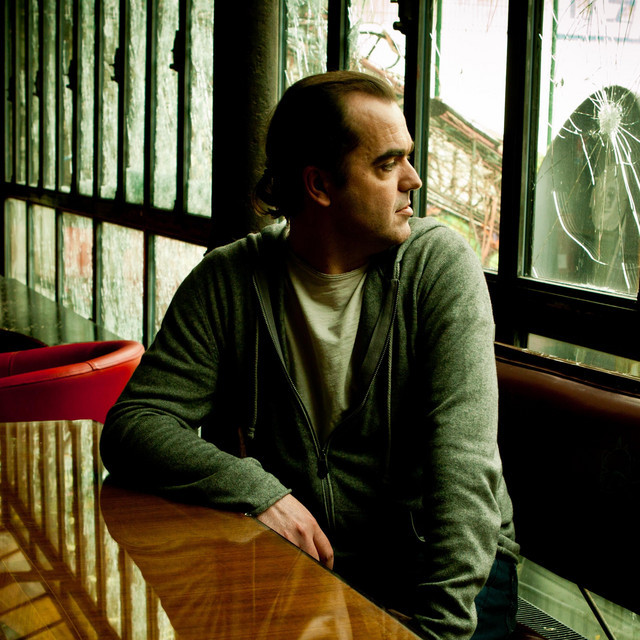
Erik Truffaz
Nu Jazz
Dark Jazz
Acid Jazz
3
/5
St Germain
Jazztronica
Acid Jazz
Downtempo
3
/5
GoGo Penguin
Modern Jazz Trio
Contemporary Jazz
Jazz
3
/5
Ronny Jordan
Acid Jazz
Jazz
Jazz Fusion
3
/5
Jazzanova
Acid Jazz
Downtempo
Indian Indie
3
/5
Four80East
Acid Jazz
Cool Jazz
Jazz Fusion
3
/5
Anomalie
Jazz Fusion
Jazztronica
Nu Jazz
2
/5
Micatone
Acid Jazz
Jazztronica
Nu Jazz
2
/5
Groove Collective
Acid Jazz
Jazz Fusion
Jazz-Funk
Download our mobile app
Get the Melodigging app and start digging for new genres on the go
Download on the App Store
Get it on Google Play
© 2026 Melodigging
Give feedback
Legal
Melodding was created as a tribute to
Every Noise at Once
, which inspired us to help curious minds keep digging into music's ever-evolving genres.