Genres
Artists
Albums
Make Music
Sign in
Sign in
Artists
Iraqi Maqam
Artists
Iraqi Maqam
Iraqi Maqam Ensemble
2001–2008
·
3 albums
Listen
1
/5
Genres
Al-Jadīd
Al-jadīd (Arabic for "the new") is the modernist current in Arabic song that emerged from early 20th‑century urban centers—most prominently Cairo—and reshaped traditional, maqam‑based music with expanded orchestration, new song forms, and selective Western harmonies. It retains Arabic modal language (maqām) and rhythmic cycles (iqāʿāt), yet introduces larger string sections, cinematic introductions, modulating bridges, and dance‑derived meters such as waltz and tango alongside indigenous rhythms. Lyrically, it favors contemporary vernacular or refined colloquial poetry while preserving the expressive, melismatic vocal style associated with tarab. The result is a long‑form, emotionally intense song tradition that bridges courtly/urban classicism and popular mainstream appeal, forming the foundation of the Arab world’s mid‑century “golden age” of music and later Arabic pop.
Discover
Listen
Iraqi Maqam
Iraqi Maqam is a highly structured yet semi‑improvised urban art music of Iraq within the wider Arabic maqam tradition. Centered on a virtuosic lead singer (qāriʾ) and a Baghdadi chamber ensemble (Al Chalghi al‑Baghdadi), it sets classical Arabic or Iraqi dialect poetry to modal melodies. Performances are organized as suites (fasl) named for the opening maqam—often Bayāt, Ḥijāz, Rāst, Nawā, or Ḥusaynī. Within each fasl, the singer unfolds a prescribed sequence of sections, modulating among related modes, balancing free‑rhythmic passages with metrically precise songs. The ensemble typically includes santūr (hammered dulcimer), joza/jawza (spike fiddle), goblet drum (darbuka), cello, and at times ʿūd and naqqārāt. Its aesthetic blends ornate melodic lines, microtonal intonation, and complex rhythmic cycles into an intensely expressive, text‑driven performance practice.
Discover
Listen
Arabic Classical Music
Arabic classical music is the art-music tradition of the Arabic-speaking world, built on the modal system of maqam and cyclical rhythmic modes called iqaʿat. It prioritizes ornate melody, nuanced intonation (including microtonal intervals), heterophonic ensemble texture, and a balance between composed forms and improvisation (taqsim). Core forms include the samaʿi (often in 10/8), longa (2/4), dulab (short prelude), muwashshah (strophic song), and the wasla (a multi-movement suite). The aesthetic of tarab—emotional ecstasy and deep musical rapture—guides performance and listening. Typical instruments include the ʿūd (fretless lute), qānūn (plucked zither), nay (end-blown flute), violin/kamanja, riqq (tambourine), and darbuka/tabla, often assembled as a takht (chamber ensemble) or, in later periods, the larger firqa (orchestra).
Discover
Listen
Albums
2008
1
/5
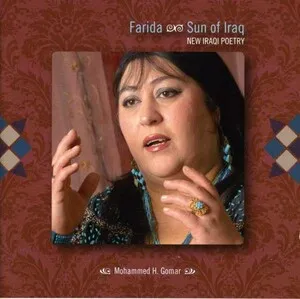
Sun of Iraq
Farida
Iraqi Maqam
Arabic Classical Music
2005
1
/5
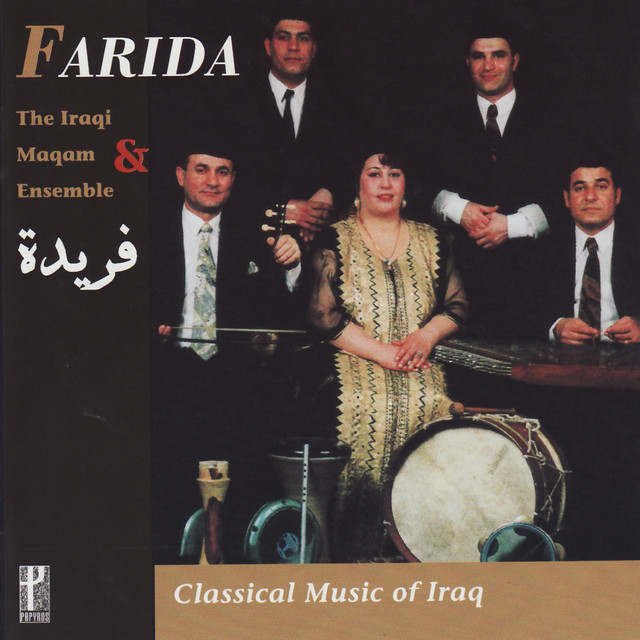
Classical Music of Iraq
Farida & The Iraqi Maqam Ensemble
Iraqi Maqam
2001
1
/5
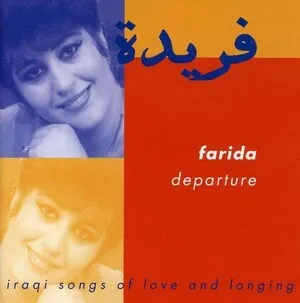
Departure: Iraqi Songs of Love and Longing
Farida
Iraqi Maqam
Al-Jadīd
Similar artists
1
/5
Farida
Iraqi Maqam
Al-Jadīd
Arabic Classical Music
4
/5
Fairuz
Al-Jadīd
Mūsīqā Lubnāniyya
Dabke
3
/5
Dudu Tassa
Muzika Mizrahit
Sawt
Electronic
3
/5
Umm Kulthum
Al-Jadīd
Arabic Music
Classic Arab Pop
3
/5
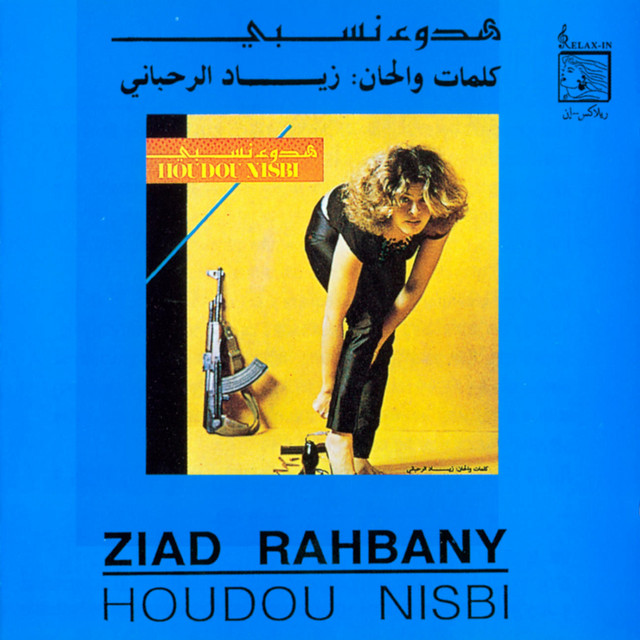
Ziad Rahbani
Arab Groove
Arabic Jazz
Levantine Arabic Music
2
/5
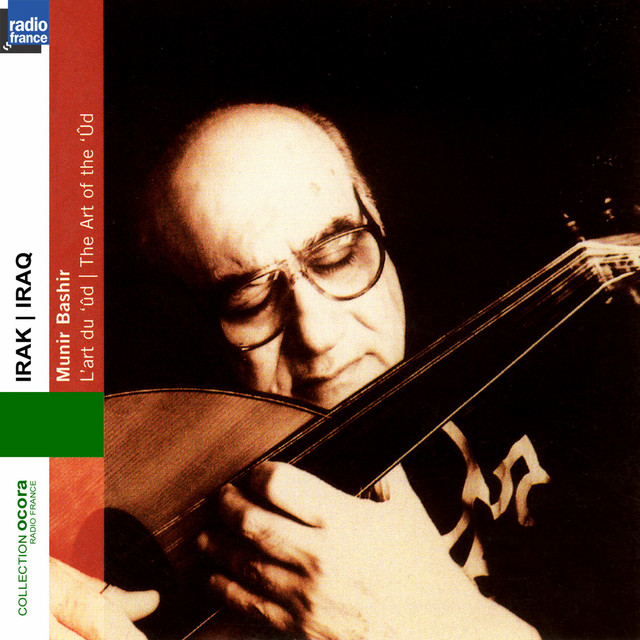
Munir Bashir
Traditional Music
Arabic Classical Music
Country
1
/5
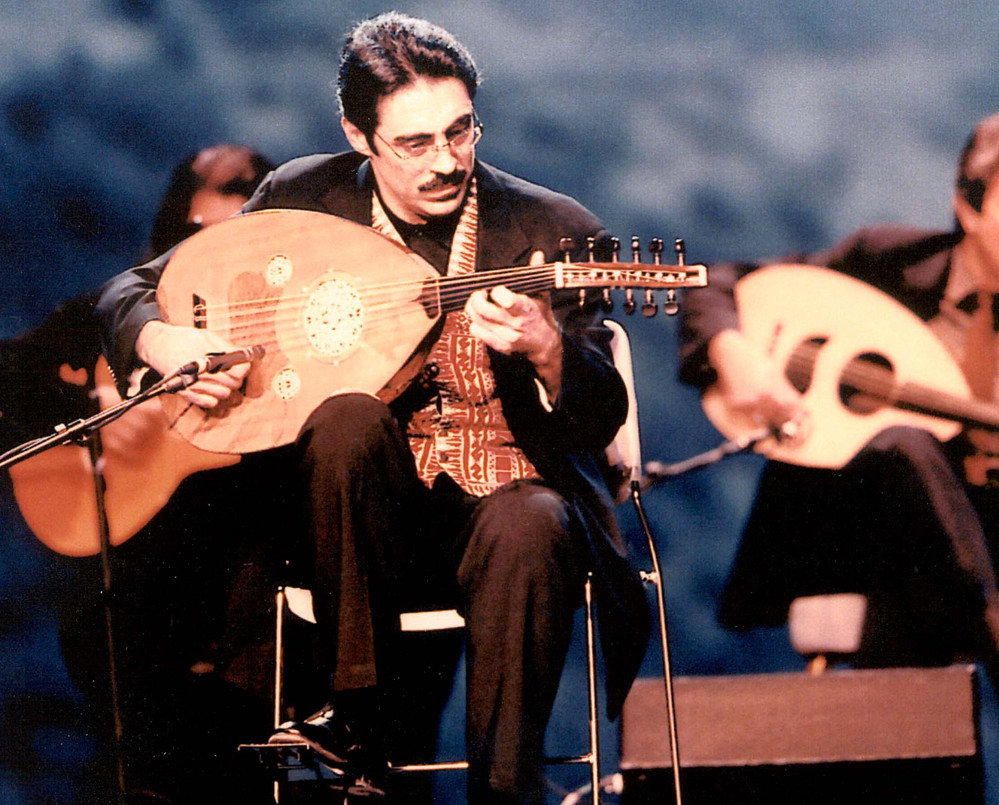
Simon Shaheen
Arabic Classical Music
Gnawa
Al-Jadīd
2
/5
Nazem al-Ghazali
Iraqi Maqam
Khaleeji
1
/5
Yusuf Omar
Iraqi Maqam
4
/5
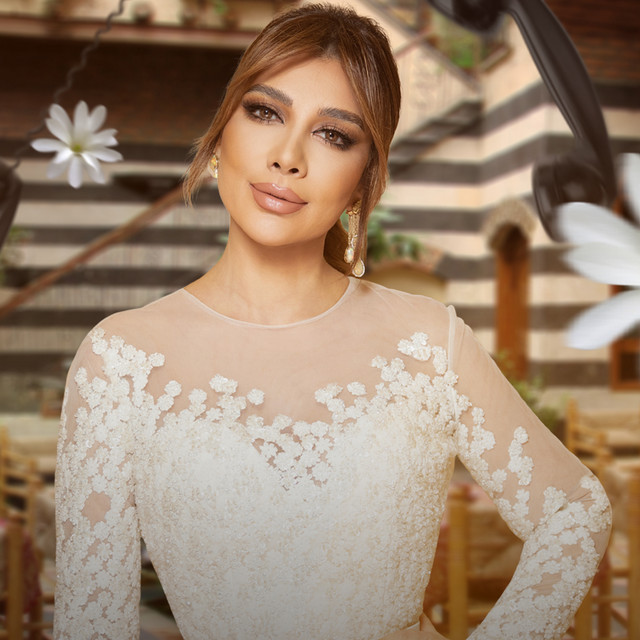
Assala
Classic Arab Pop
Al-Jadīd
Egyptian Pop
Download our mobile app
Get the Melodigging app and start digging for new genres on the go
Download on the App Store
Get it on Google Play
© 2026 Melodigging
Give feedback
Legal
Melodding was created as a tribute to
Every Noise at Once
, which inspired us to help curious minds keep digging into music's ever-evolving genres.