Genres
Artists
Albums
Make Music
Sign in
Sign in
Artists
Melodic Death Metal
Artists
Melodic Death Metal
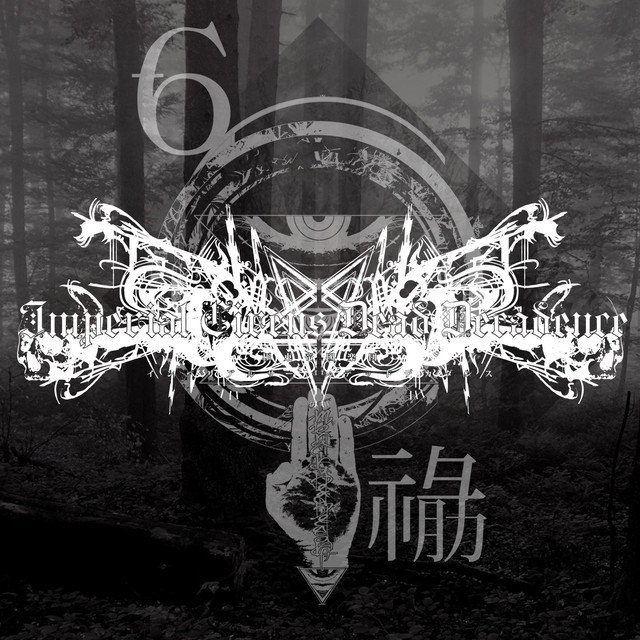
Imperial Circus Dead Decadence
2011–2025
·
3 albums
Listen
3
/5
Genres
Gaming Dubstep
Gaming dubstep is a high-energy offshoot of modern dubstep tailored for gameplay, esports highlights, and streaming content. It emphasizes explosive drops, cinematic builds, and hyper-detailed sound design that cuts through voice chat and game SFX. Typically centered around 140 BPM with a half-time groove, it blends brostep aggression, riddim simplicity, and melodic dubstep breakdowns. Producers favor bright, wide leads for anthemic choruses and gritty, midrange-focused bass timbres for drops. The result is music that feels epic and adrenalized, built to amplify on-screen action and montage pacing.
Discover
Listen
Maidcore
Maidcore (sometimes called "maid rock") is an underground, internet-native microgenre and scene that took shape on Russian social media (especially VK) in the mid‑2010s. It is aesthetically defined by artists adopting anime‑style French maid avatars (“maidsonas”), a lineage that traces back to the Nijiura maid characters from Japanese imageboards. Musically, it blends spacious post‑rock guitars and shoegaze textures with witch‑house and broader electronic production, sometimes pulling in metal bite or breakbeat grit. The result ranges from hazy, melancholic instrumentals to driving, emotionally charged tracks—all wrapped in otaku/maid imagery and tongue‑in‑cheek service‑role theatrics.
Discover
Listen
Melodic Death Metal
Melodic death metal (often shortened to melodeath) blends the speed, aggression, and harsh vocals of death metal with the harmonized guitar leads, memorable melodies, and songcraft of traditional heavy metal and thrash. It is characterized by twin‑guitar harmonies, fast tremolo riffs, punchy palm‑muted rhythms, and growled or screamed vocals, often contrasted with catchy, clearly articulated lead lines. Compared to traditional death metal, the genre favors stronger tonal centers, consonant interval harmonies (thirds and sixths), and more accessible structures, while retaining double‑kick intensity and occasional blast beats. Production tends to be tighter and clearer than early death metal, and many bands incorporate keyboards for texture. The style is strongly associated with the early–mid 1990s Gothenburg scene in Sweden, though parallel strains also emerged in the UK and Finland.
Discover
Listen
Doujin Music
Doujin music is the self-published, grassroots music ecosystem of Japan’s doujin (fan-made/independent) culture. It is created by individuals or small “circles” and released directly to fans, most famously at events like Comiket, M3, and Hakurei Jinja Reitaisai. Stylistically, it is genre-agnostic: you will find high-energy club styles (J-core, trance, eurobeat), cute and eccentric pop (denpa), rock/metal bands, orchestral and piano works, and an enormous number of fan arrangements of game and anime music—especially from the Touhou Project. Many releases use vocal synthesizers (Vocaloid/UTAU) or utaite singers from video platforms like Niconico Douga. Distribution is typically physical CDs and merch at events alongside digital storefronts (BOOTH, Bandcamp) and video platforms. The scene values rapid iteration, strong visual identity, and community feedback, resulting in a distinct “otaku-centric” aesthetic and a remarkably prolific catalog.
Discover
Listen
Symphonic Death Metal
Symphonic death metal fuses the ferocity of death metal—blast beats, double‑kick barrages, down‑tuned riffing, and guttural vocals—with fully scored orchestral writing and choir textures. Arrangements often deploy strings, brass, woodwinds, and percussion (either recorded or via high‑end virtual instruments) to create cinematic scope. Harmonically, the style favors minor keys, Phrygian and harmonic‑minor colors, ostinati, and dramatic modulations reminiscent of film music and late‑Romantic classical idioms. Lyrical themes frequently explore mythology, esoterica, antiquity, apocalyptic imagery, and grand historical narratives. The result is a maximalist, theatrical sound where extreme metal’s weight is heightened by symphonic grandeur, yielding music that is simultaneously aggressive, dark, and epic.
Discover
Listen
Symphonic Power Metal
Symphonic power metal blends the speed, melody, and anthemic choruses of power metal with full‑scale symphonic/orchestral arrangement techniques. Bands employ rich layers of keyboards and orchestral libraries (or live ensembles), choirs, cinematic narrations, and neoclassical guitar/keyboard lines to create a “film score meets metal” aesthetic. Lyrics commonly draw on high‑fantasy, mythic and historical themes, with conceptual albums and serialized sagas being typical. Tempos are generally fast (often 140–200 BPM), the vocals are clean and soaring (frequently with choral backing), and harmony leans on classical voice‑leading, pedal‑point grandeur, and triumphant key changes.
Discover
Listen
Visual Kei
Visual kei is a Japanese rock/metal-centered movement defined as much by its theatrical, gender-fluid visual presentation as by its sound. Bands employ elaborate makeup, dramatic hairstyles, flamboyant or gothic costumes, and stylized stagecraft to create a total art experience that fuses music and spectacle. Musically, visual kei spans hard rock, heavy/speed metal, punk/post-punk, new wave, and gothic influences, often blending melodic hooks with virtuosic guitar work, dynamic arrangements, and emotionally charged vocals. Lyrical themes commonly explore romance, decadence, existential angst, fantasy, and nostalgic longing, while arrangements may incorporate strings, synths, or piano for cinematic effect. Substyles like kote kei (early, heavier), Nagoya kei (darker, post-punk/goth-leaning), and later softer or pop-inflected variants illustrate its breadth and evolution.
Discover
Listen
Power Metal
Power metal is a fast, melodic, and anthemic branch of heavy metal that emphasizes uplifting melodies, soaring clean vocals, triumphant choruses, and virtuosic guitar and keyboard leads. Its lyrical focus often centers on fantasy, mythology, historical epics, and heroic narratives, aiming for a cinematic sense of grandeur. The genre coalesced in the mid-1980s from the speed and melody of NWOBHM and speed metal, then split into two recognizable strains: the more aggressive, riff‑driven U.S. power metal and the highly melodic, keyboard‑rich European style. Hallmarks include double‑bass drumming, harmonized twin‑guitar lines, neoclassical flourishes, and rousing sing‑along refrains designed for large audiences.
Discover
Listen
Death Metal
Death metal is an extreme subgenre of heavy metal defined by heavily distorted, low‑tuned guitars, rapid and complex riffing, blast beat drumming, and harsh guttural vocals. Its harmonic language favors chromaticism, dissonance, and tremolo-picked lines that create an ominous, abrasive atmosphere. Lyrically, death metal often explores dark or transgressive themes—mortality, mythology, anti-religion, psychological horror, and the macabre—sometimes with philosophical or social commentary. Production ranges from raw and cavernous to hyper-precise and technical, reflecting the genre’s many regional scenes and substyles. From the mid‑1980s Florida scene (Tampa) and parallel developments in the US, UK, and Sweden, death metal evolved into numerous branches including brutal death metal, technical death metal, melodic death metal, and death‑doom, each emphasizing different aspects of speed, complexity, melody, or heaviness.
Discover
Listen
Progressive Metal
Progressive metal blends the ambition and extended song forms of progressive rock with the heaviness, timbre, and energy of heavy metal. It is characterized by complex arrangements, frequent time‑signature changes, virtuosic instrumental passages, thematic or concept‑driven albums, and a wide dynamic range from delicate, atmospheric sections to aggressive, high‑gain climaxes. Harmonically it draws on modal interchange, chromatic voice‑leading, and jazz‑fusion colors, while rhythmically it favors polymeters, polyrhythms, and metric modulation. Keyboards and layered production often add orchestral or cinematic scope.
Discover
Listen
J-Rock
J-rock (Japanese rock) is the umbrella term for rock music created in Japan, spanning everything from classic rock, punk, and metal to alternative, indie, and progressive strains. It blends Western rock instrumentation and songcraft with Japanese melodic sensibilities, crisp production, and lyrics primarily in Japanese (often mixed with some English phrases). Typical features include hook-forward choruses, expressive guitar leads, tight rhythm sections, and dynamic arrangements that can pivot from delicate verses to big, anthemic refrains. Because of Japan’s media ecosystem, J-rock frequently intersects with anime, TV dramas, and video games, which helps bands reach mainstream audiences while retaining a band-centric, live-performance identity. Although stylistically diverse, J-rock commonly emphasizes memorable melodies, emotional catharsis, and precise musicianship, with influences ranging from British Invasion and classic rock to punk/new wave, progressive rock, and heavy metal.
Discover
Listen
Rock
Rock is a broad family of popular music centered on amplified instruments, a strong backbeat, and song forms that foreground riffs, choruses, and anthemic hooks. Emerging from mid‑20th‑century American styles like rhythm & blues, country, and gospel-inflected rock and roll, rock quickly expanded in scope—absorbing folk, blues, and psychedelic ideas—while shaping global youth culture. Core sonic markers include electric guitar (often overdriven), electric bass, drum kit emphasizing beats 2 and 4, and emotive lead vocals. Rock songs commonly use verse–chorus structures, blues-derived harmony, and memorable melodic motifs, ranging from intimate ballads to high‑energy, stadium‑sized performances.
Discover
Listen
Show all 12 genres
Albums
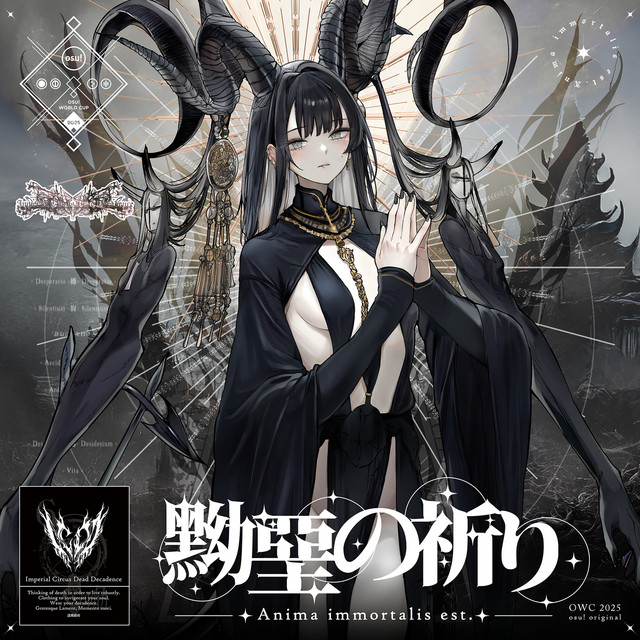
2025
2
/5
黝堊の祈り - Anima immortalis est.
Imperial Circus Dead Decadence
Melodic Death Metal
Visual Kei
2022
3
/5
Mogari - Shi e fukeru omoi wa rikujoku sura kurai, kanata no sei wo aisuru tame ni inoti wo tataeru. 殯――死へ耽る想いは戮辱すら喰らい、…
Imperial Circus Dead Decadence
Melodic Death Metal
Power Metal
Rock
2011
3
/5
Kuruoshiku saita seisan na mukuro wa kanade, itooshiku saita shoujo wa seisan no kotoba wo utau. 狂おしく咲いた凄惨な骸は奏で、愛おしく裂いた…
Imperial Circus Dead Decadence
Doujin Music
Similar artists
3
/5
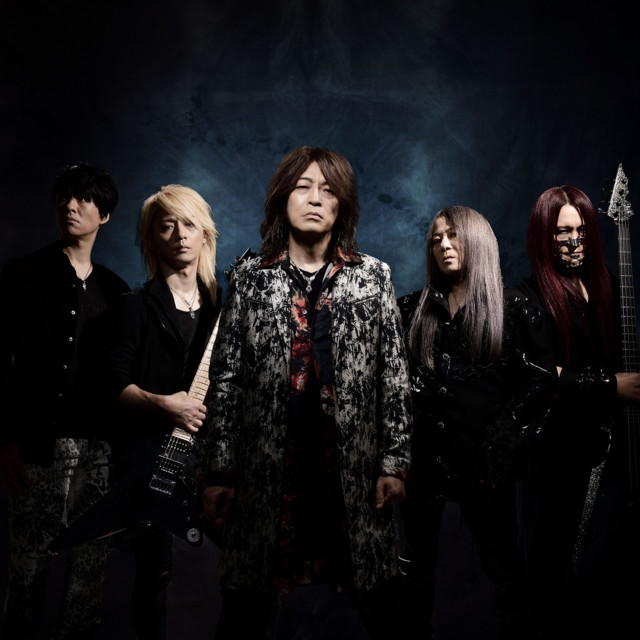
GALNERYUS
Power Metal
Neoclassical Metal
Anime
3
/5
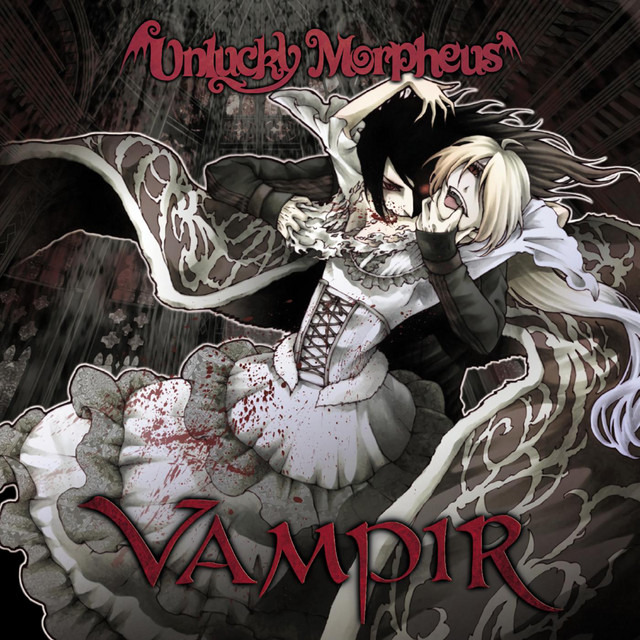
Unlucky Morpheus
Power Metal
Symphonic Metal
J-Rock
4
/5
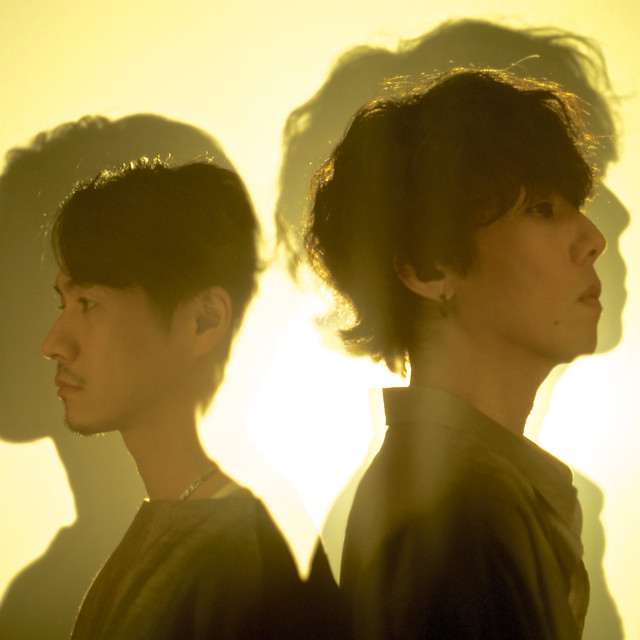
RADWIMPS
Visual Kei
Anime
J-Pop
4
/5
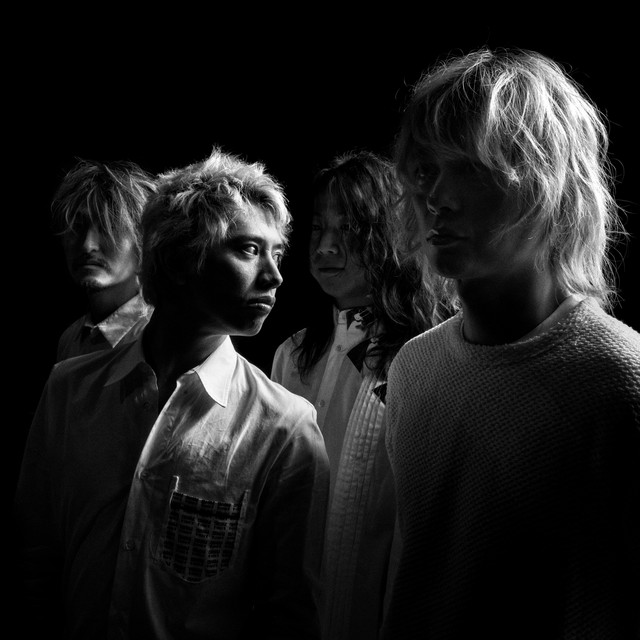
ONE OK ROCK
Visual Kei
K-Rock
J-Rock
4
/5
Amon Amarth
Death Metal
Melodic Death Metal
Tolkien Metal
3
/5
BUCK-TICK
Visual Kei
Beat Rock
Rock
3
/5
GLAY
Visual Kei
J-Pop
J-Rock
3
/5
Plastic Tree
Visual Kei
Alternative Rock
J-Rock
3
/5
X JAPAN
Visual Kei
J-Pop
J-Rock
3
/5
MAXIMUM THE HORMONE
Visual Kei
Alternative Metal
Anime
Download our mobile app
Get the Melodigging app and start digging for new genres on the go
Download on the App Store
Get it on Google Play
© 2026 Melodigging
Give feedback
Legal
Melodding was created as a tribute to
Every Noise at Once
, which inspired us to help curious minds keep digging into music's ever-evolving genres.