Genres
Artists
Albums
Make Music
Sign in
Sign in
Artists
Hyphy
Artists
Hyphy
Iamsu!
Listen
3
/5
Genres
Chill Drill
Chill drill is a mellow, melodic offshoot of UK drill that keeps the style’s distinctive sliding 808s, syncopated hi-hats, and snare-on-3 placement, but softens the overall timbre and mood. Instead of ominous synths and harsh textures, it leans on airy pads, Rhodes pianos, gentle guitar loops, and lo‑fi ambience. Vocals tend to be more introspective and tuneful, with sing-rap hooks, laid-back cadences, and reflective lyric themes (romance, ambition, day-to-day life). The result bridges drill’s rhythmic identity with chillhop and lo‑fi hip hop’s relaxed atmosphere, creating tracks that are both groove-driven and easy to live with.
Discover
Listen
Nervous Music
Nervous music is a dark, minimal subgenre of hip hop that foregrounds ominous atmosphere over virtuoso melody. It is defined by heavy, chest-rattling sub‑bass (often 808s with long tails and glide), simple, repeating minor-key motifs, and slow, sparse, slamming drums. The space between sounds is intentional: roomy mixes, few layers, and austere arrangements build a sense of menace and unease. Vocals, when present, tend to be low-register, restrained, and intimidating, favoring short phrases, whispered ad‑libs, and tight rhyme density over melodic hooks. The style proliferated online as a beat-tag and micro-scene for rappers seeking sinister, brooding instrumentals—bridging modern trap drum design with the shadowy mood of horrorcore and the negative space of cloud rap.
Discover
Listen
Modern Downshift
Modern downshift is a contemporary, playlist-era microgenre that blends hushed alternative pop and alt‑R&B sensibilities with the spaciousness of downtempo and ambient pop. Songs are typically slow to mid‑tempo, minimal in arrangement, and intimate in vocal delivery—often breathy, close‑miked, and confessional. Production emphasizes warmth and negative space: soft sub‑bass, restrained percussion, reverb‑washed pads or guitars, and gentle saturation that keeps the overall texture velvety and nocturnal. Lyrically, the style skews introspective and late‑night: relationships, vulnerability, quiet self‑reflection, and the emotional afterglow of parties or city drives. The result is music that feels low‑key and cinematic—designed as much for solitary listening as for low‑light social settings.
Discover
Listen
Slow Game
Slow game is a modern, internet-era blend of contemporary R&B and hip hop that prioritizes seductive mid‑tempo grooves, intimate vocals, and polished, radio‑ready songwriting. It typically features trap‑influenced drum programming (808 kicks, ticking hi‑hats), warm sub‑bass, sparse keys or guitar loops, and a prominent, melodic hook. Lyrically, the style revolves around romance, attraction, and late‑night introspection, often switching between sung choruses and rap verses. Compared with classic “slow jams,” slow game is glossier, more minimal, and shaped by the aesthetics of streaming culture—catchy toplines, short forms, and lush, reverb‑soaked space that leaves room for vocal ad‑libs and harmonies.
Discover
Listen
Trap Soul
Trap soul is a fusion of contemporary R&B singing and songwriting with the sonic palette and rhythmic feel of trap. It features moody, minor‑key harmonies; airy pads and Rhodes/piano textures; deep 808 sub‑bass with glides; and skittering hi‑hat rolls and halftime drum patterns. Vocals often blend crooning and rapping, with intimate, confessional lyrics about love, heartbreak, desire, ambition, and late‑night introspection. The production is typically spacious and minimal, prioritizing atmosphere and groove over density. Subtle Auto‑Tune, layered ad‑libs, and lush reverbs/delays are common, giving tracks a nocturnal, cinematic feel.
Discover
Listen
Ratchet Music
Ratchet music is a minimalist, club-focused strain of West Coast hip hop that coalesced in the early 2010s, most closely associated with Los Angeles producer DJ Mustard. It emphasizes sparse drum programming built from 808 kicks, handclaps, crisp hi‑hats, and simple percussive fills; bouncy tempos around 95–105 BPM; short, catchy synth or piano stabs; and a weighty sub‑bass that leaves ample space for vocals. Culturally and lyrically, it channels “ratchet” party culture and slang—rooted in Louisiana (notably Shreveport’s nickname “Ratchet City”) and amplified by the L.A. party scene—favoring braggadocio, nightlife, flirtation, and chant‑able hooks over dense lyricism. The result is a stripped‑down, hook‑driven sound engineered for dance floors and radio rotation.
Discover
Listen
The Wave
The Wave is a loosely defined cluster of American post-hardcore/emo bands that surged in the early 2010s as emo-pop’s mainstream moment faded. The name was a tongue‑in‑cheek scene tag that stuck in press coverage, but it points to a real overlap in sound, ethos, and touring networks. Musically, The Wave fuses the urgency of 1990s post‑hardcore and screamo with confessional, literate lyric writing associated with emo. Expect shouted or half‑sung/half‑spoken vocals, dynamic quiet‑loud builds, intricate but driving drums, and guitar textures that shift between glassy clean arpeggios and overdriven, emotive climaxes. The songs often emphasize catharsis, narrative detail, and community-minded DIY presentation.
Discover
Listen
Westcoast Flow
Westcoast flow is a modern West Coast hip-hop performance style centered on a distinctly California rhythmic “pocket”: relaxed-but-snappy delivery, conversational cadence, and heavy use of syncopation that makes the rapper ride slightly behind or around the beat. Compared with earlier West Coast approaches (e.g., G-funk’s laid-back swing or Bay Area hyphy’s party bounce), westcoast flow is often tighter and more minimal, pairing nimble, slippery phrasing with contemporary trap-adjacent drums, icy synth motifs, and punchy 808s. The identity of the style is carried less by specific instruments and more by the rapper’s timing, articulation, and attitude: clipped consonants, elastic bar lengths, quick internal rhymes, and frequent on-beat/off-beat pivots that emphasize groove over melodic singing.
Discover
Listen
Future House
Future house is a mid‑2010s strain of house music known for rubbery, plucked bass leads, clean and punchy drums, and streamlined, drop‑focused arrangements. It bridges the groove and warmth of deep/UK house with the sheen and impact of big‑room/electro‑house, often featuring metallic or organ‑like bass timbres that “speak” melodically. Typical tracks sit around 124–128 BPM, use tight sidechain compression for a pumping feel, and contrast sparse, atmospheric breakdowns with hooky, syncopated bass drops. Vocals, when present, are concise—often chopped or pitched—and the sound design emphasizes clarity, swing, and a modern, club‑ready polish.
Discover
Listen
Beats
Beats is a loose, producer-driven category for rhythm-forward instrumentals built around hip‑hop drum patterns without necessarily being rap songs or featuring vocals. It functions as an umbrella for stock, "type," and backing tracks used by rappers, singers, streamers, and content creators, spanning boom‑bap swing to trap hi‑hat grids and R&B‑leaning grooves. On streaming platforms it often appears as standalone instrumentals packaged by tempo, mood, or artist style (e.g., “trap type beat,” “R&B instrumental,” “club beat”), prioritizing portability and utility over artist identity. While rooted in hip‑hop production aesthetics—kicks, snares, 808s, chopped samples—Beats blends downtempo, electronic, and contemporary R&B sensibilities, aiming for clarity, loopability, and immediate vibe.
Discover
Listen
Briddim
Briddim is a hybrid strain of bass music that fuses the lurching, loop-driven minimalism of riddim with the high-impact, sound-design-forward aggression of brostep. It typically runs at 140–150 BPM in half-time, placing a punchy snare on beat three and driving the groove with syncopated bass stabs and call‑and‑response motifs. Compared to classic riddim, briddim foregrounds complex, highly modulated bass patches, sharp fills, and cinematic builds borrowed from brostep and tearout. The drops tend to be heavier and more varied than traditional riddim, yet remain more pattern‑centric and hypnotic than typical brostep, hence the “bridge” quality implied by the name.
Discover
Listen
Jungle Terror
Jungle terror is a high-impact festival style of electronic dance music that fuses the punch of big-room and electro house with hyper-percussive, "tribal" drum programming. Rather than relying on massive supersaw leads, it centers on toms, congas, wooden blocks, clacks, and animalistic shouts that drive the drop. Typically around 128–135 BPM, its arrangements emphasize tension-and-release: long risers, vocal calls, and cinematic breaks snap into sparse, tom-led drops with heavy sub-kicks and syncopated patterns. The overall aesthetic is wild, raw, and rhythmic—designed for large dancefloors and open-air festival stages.
Discover
Listen
Scam Rap
Scam rap is a late-2010s branch of hip hop that centers lyrically on internet fraud, credit card swiping, identity theft, and the broader hustle culture surrounding online schemes. Musically, it favors sparse, often loop-based trap beats with punchy drums, sub-bass, and minimal melodic material. Rappers commonly use a deadpan or conversational delivery, punch-in recording, and off-kilter bar placement that rides just ahead of or behind the beat. The tone is equal parts instructional, braggadocious, and comedic, with jargon-rich storytelling that reads like play-by-play tutorials of illicit schemes. The style is most closely associated with the Detroit/Flint scene, where its punch-in flow, dry humor, and hyper-specific detail became stylistic signatures.
Discover
Listen
Twerk
Twerk is a high-energy club and festival style built around pounding 808 bass, head-nodding half‑time grooves at double‑time feel, and chantable hooks designed for the dancefloor. Typically sitting near 95–110 BPM, its percussion borrows the call‑and‑response patterns and bounce of New Orleans Bounce while embracing the sub‑heavy thump and party-forward attitude of Miami Bass. Modern productions often fold in trap-style hi-hats, crowd commands, and minimal, catchy riffs, prioritizing rhythm and movement over complex harmony.
Discover
Listen
Hyphy
Hyphy is a high‑energy, party‑centric branch of Bay Area hip hop that emphasizes thumping 808s, chantable hooks, and a rowdy, participatory club atmosphere. Emerging primarily from Oakland, Vallejo, and surrounding Northern California cities, it is as much a dance and street culture as it is a sound. Tracks tend to be fast and percussive, built around heavy sub‑bass, crisp claps/snares, simple synth stabs, and call‑and‑response vocals designed to get crowds “going dumb.” The culture is closely tied to sideshows (informal car gatherings), “ghost riding the whip,” and distinctive Bay slang popularized by local icons.
Discover
Listen
West Coast Hip Hop
West Coast hip hop is a regional style of hip hop that arose on the U.S. West Coast, especially in Los Angeles and the San Francisco Bay Area. It is known for its heavy funk-influenced grooves, prominent synthesizer leads, deep bass, and a laid-back but confident delivery. While the early scene mixed electro and old-school rap aesthetics, the late 1980s ushered in hard-edged street narratives associated with gangsta rap. In the early 1990s, Dr. Dre and peers popularized G-funk, a sleek, bass-heavy update that sampled and reinterpreted P-Funk. Later waves—from Bay Area mobb music and hyphy to Los Angeles “jerkin’” and ratchet—continued the region’s emphasis on catchy hooks, swagger, and club- and car-ready beats. Lyrically, West Coast hip hop ranges from party anthems and cruising music to vivid depictions of street life, social realities, and personal introspection, all delivered with distinctive regional slang and cadence.
Discover
Listen
Hip Hop
Hip hop is a cultural and musical movement that emerged from Black, Latino, and Caribbean communities, centering around rapping (MCing), DJing/turntablism, sampling-based production, and rhythmic speech over beats. It prioritizes groove, wordplay, and storytelling, often reflecting the social realities of urban life. Musically, hip hop is built on drum-centric rhythms (from breakbeats to 808 patterns), looped samples, and bass-forward mixes. Lyrically, it ranges from party anthems and braggadocio to political commentary and intricate poetic forms, with flow, cadence, and rhyme density as core expressive tools. Beyond music, hip hop encompasses a broader culture, historically intertwined with graffiti, b-boying/b-girling (breakdance), fashion, and street entrepreneurship, making it both an art form and a global social language.
Discover
Listen
Show all 17 genres
Similar artists
5
/5
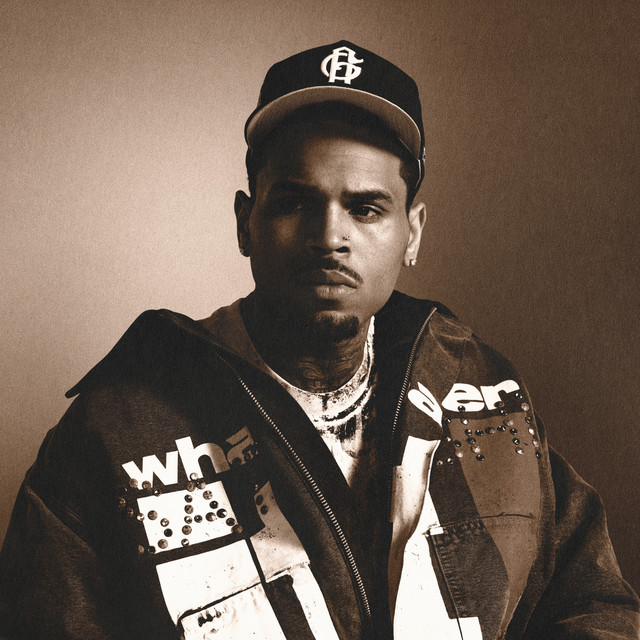
Chris Brown
R&b
Contemporary R&b
Hip Hop
5
/5
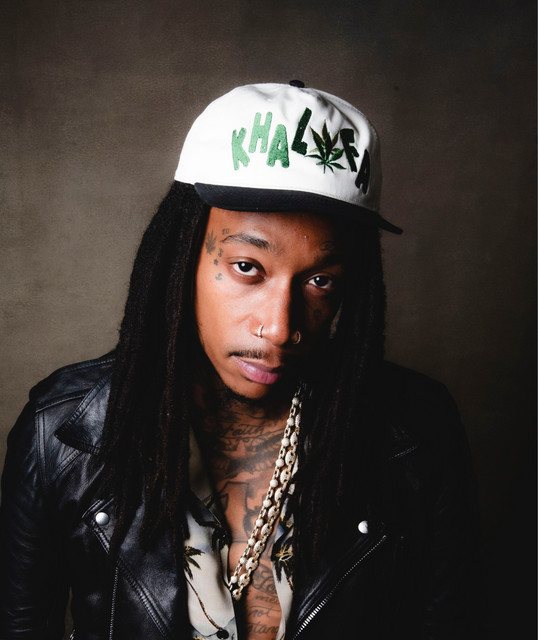
Wiz Khalifa
Hip Hop
Stoner Rap
Pop Rap
4
/5
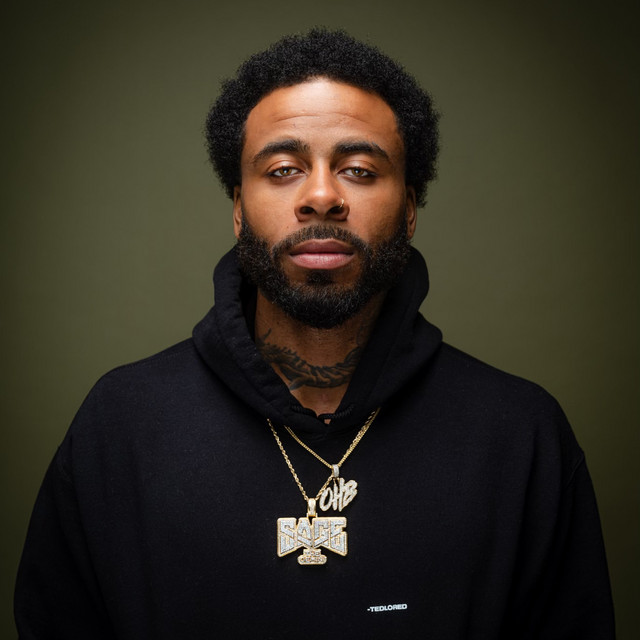
Sage The Gemini
Hyphy
Deep Big Room
Indie Pop Rap
5
/5
Future
Atl Hip Hop
Hip Hop
Trap
5
/5
Ty Dolla $ign
The Wave
Ratchet Music
Post-Teen Pop
5
/5
XXXTENTACION
Emo Rap
Miami Hip Hop
Hip Hop
5
/5
Tory Lanez
Melodic Rap
Canadian Hip Hop
Trap
5
/5
DJ Snake
Electronic Trap
Edm
Escape Room
5
/5
Quavo
Trap
Hip Hop
Pop Rap
5
/5
Tyga
Hip Hop
Ratchet Music
Futuristic Swag
Download our mobile app
Get the Melodigging app and start digging for new genres on the go
Download on the App Store
Get it on Google Play
© 2026 Melodigging
Give feedback
Legal
Melodding was created as a tribute to
Every Noise at Once
, which inspired us to help curious minds keep digging into music's ever-evolving genres.