Genres
Artists
Albums
Make Music
Sign in
Sign in
Artists
New Wave
Artists
New Wave
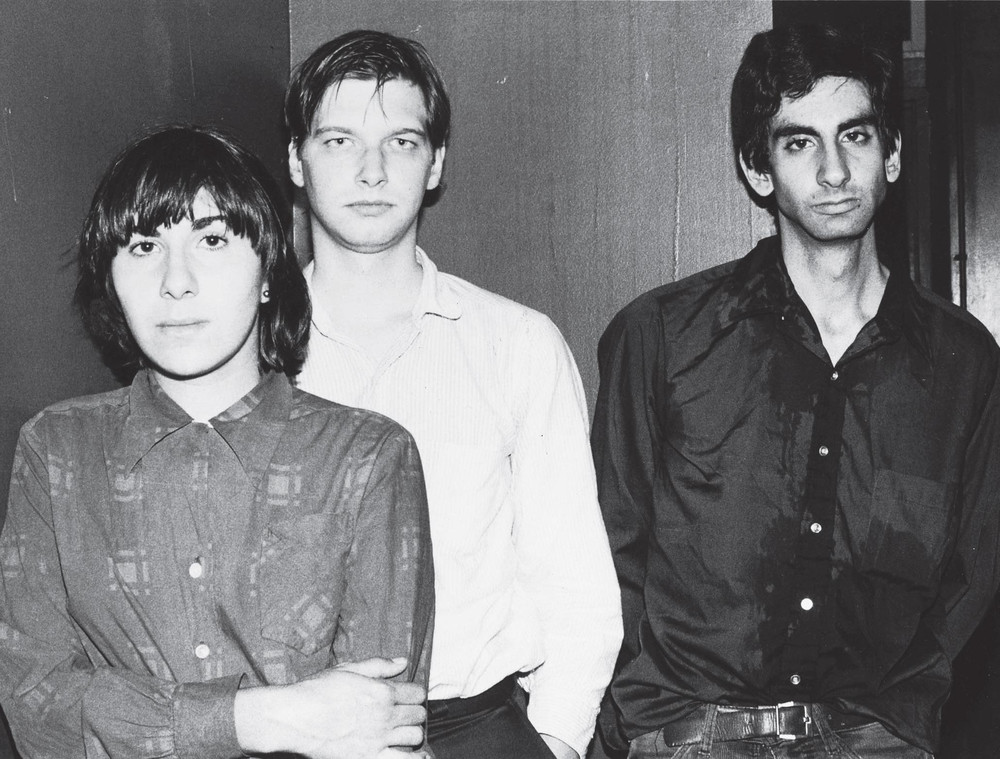
Human Switchboard
1981
·
1 album
Listen
1
/5
Genres
New Wave
New wave is a broad, pop-oriented umbrella for styles that emerged in the mid-to-late 1970s as a sleeker, more melodic outgrowth of punk culture. Initially, the term varied by region: in the United States it was first used by critics and labels (famously Sire Records’ “Don’t Call It Punk” campaign in 1977) to rebrand punk-associated artists with more radio-friendly aesthetics; in the United Kingdom it encompassed a wider constellation of fresh, stylish post-punk-era sounds. Over time, “new wave” became a catch‑all for hooky guitar pop, synth-driven songs, danceable rhythms, and modernist production sensibilities. Sonically, it blends tight, upbeat rhythms (often disco- and reggae-informed), clean chorus/flanger guitars, prominent synthesizers, and concise, hook-led songwriting. Its visual identity—sharp suits, futurist imagery, and fashion-forward presentation—was integral, aligning with the rise of music television and emphasizing art-school wit, irony, and modern urban themes.
Discover
Listen
Post-Punk
Post-punk is a broadly experimental strain of rock that emerged in the late 1970s as artists sought to push beyond the speed, simplicity, and orthodoxy of first-wave punk. It typically features angular, bass-forward grooves; jagged or minimal guitar lines; stark, spacious production; and an openness to dub, funk, electronic, and avant-garde ideas. Lyrics often examine alienation, urban decay, politics, and the inner life with artful or abstract delivery. A studio-as-instrument approach, emphasis on rhythm section interplay, and an appetite for non-rock textures (tape effects, drum machines, found sound, synths) distinguish the style. The result can be danceable yet tense, cerebral yet visceral, and emotionally restrained yet intensely expressive.
Discover
Listen
Power Pop
Power pop is a guitar-driven style that distills the melodic immediacy of 1960s British Invasion pop into concise, high-energy rock songs. It emphasizes big hooks, ringing guitars (often Rickenbacker-style jangle), tight vocal harmonies, and punchy, economical arrangements that typically run around three minutes. Lyrically, it leans toward youthful longing, romance, and bittersweet nostalgia, delivered with bright major-key progressions, chiming arpeggios, and sing-along choruses. Though Pete Townshend used the term in the late 1960s, the genre cohered in the early 1970s with bands like Badfinger, Big Star, and the Raspberries, and it has resurfaced repeatedly in waves through new wave, indie, and modern pop-punk contexts.
Discover
Listen
Akron Sound
Akron sound is the name given to the late-1970s new wave and art-punk scene that emerged from Akron, Ohio—nicknamed the Rubber City. It fused punk’s brevity and attack with art-rock eccentricity, midwestern power-pop hooks, and an increasingly synth-forward, mechanical pulse. Bands from the scene favored staccato guitar figures, rigid backbeats, and minimalist, sometimes motorik grooves, often topped with satirical or deadpan vocals about de‑industrialization, consumer culture, and suburban oddities. While stylistically diverse—from angular, synth-propelled Devo to horn-sprinkled, witty new wave like The Waitresses—the scene shared a DIY ethos, quirky humor, and a distinctly off-kilter, experimental edge.
Discover
Listen
Cleveland Punk
Cleveland punk is a raw, abrasive strain of 1970s American punk rooted in the city’s post‑industrial landscape and art‑damaged underground. It marries the primitive drive of garage rock and proto‑punk with experimental impulses—tape noise, synth burbles, sax skronk, and deliberately jagged guitar tones. Compared to coastal scenes, Cleveland’s bands were harsher, more sardonic, and less fashion‑oriented: short, confrontational songs, trebly overdrive and feedback, pounding minimalist rhythms, and lyrics full of Rust Belt black humor and urban decay. Groups like electric eels, Rocket from the Tombs, Pere Ubu, the Dead Boys, Mirrors, and the Pagans defined a sound that was both proto–noise rock and a blueprint for later post‑punk and alternative rock.
Discover
Listen
Proto-Punk
Proto-punk is a catch-all term for the raw, stripped-down rock that immediately preceded and inspired punk rock. It favors abrasive guitar tones, primitive drumming, short song forms, shouted or deadpan vocals, and lyrics steeped in alienation, anti-establishment anger, and street-level realism. Emerging from 1960s garage rock, avant-leaning art rock, and hard-edged rhythm & blues, proto-punk connected the chaos of early rock and roll with the urgency of the 1970s punk explosion. Its sound ranges from the Detroit ferocity of The Stooges and MC5 to the arty minimalism and noise experiments of The Velvet Underground.
Discover
Listen
Soul Jazz
Soul jazz is a groove-forward branch of jazz that blends the improvisational language of hard bop with the churchy harmonies of gospel and the backbeat of rhythm & blues. It favors memorable riffs, earthy tones, and a strong, danceable pulse over dense harmonic complexity. Typical settings include Hammond B-3 organ trios (organ, guitar, drums) or small combos with saxophone or trumpet. Tunes often use blues forms, minor-key vamps, and gospel cadences, featuring call-and-response figures, pentatonic and blues-scale lines, and a relaxed but insistent pocket. The overall aesthetic is warm, direct, and soulful—equally at home in jazz clubs, lounges, and on the radio.
Discover
Listen
Show all 7 genres
Albums
1981
1
/5
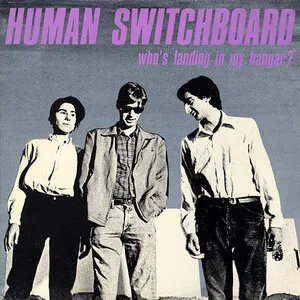
Who's Landing in My Hangar?
Human Switchboard
Akron Sound
Cleveland Punk
Similar artists
1
/5
Various Artists
Afro-Funk
Alternative Rock
Ambient
3
/5
Buzzcocks
New Wave
Punk
Madchester
2
/5
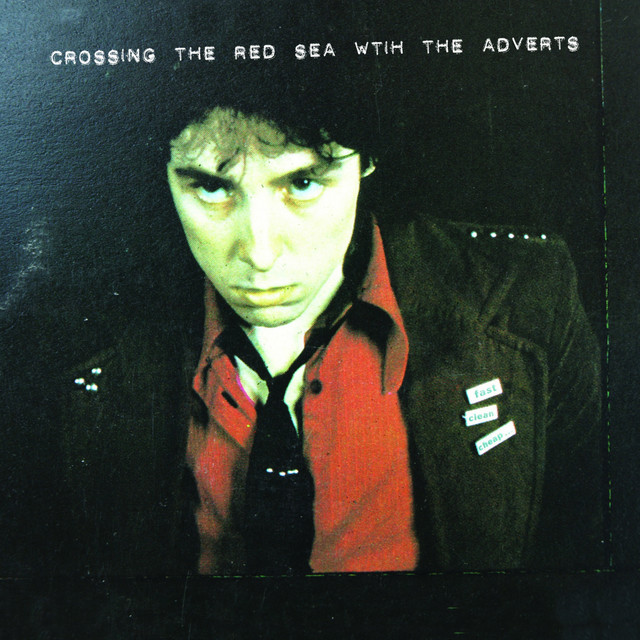
The Adverts
New Wave
Post-Punk
Power Pop
2
/5
The Soft Boys
Jangle Pop
Post-Punk
Neo-Psychedelia
1
/5
Rich Kids
Gothic Rock
New Wave
Post-Punk
1
/5
Tin Huey
New Wave
Post-Punk
Proto-Punk
3
/5
XTC
New Wave
Post-Punk
Rock
3
/5
The Damned
Horror Punk
Proto-Punk
Punk
3
/5
Gang Of Four
Post-Punk
Punk
Dance-Punk
3
/5
Television
Post-Punk
Art Rock
New Wave
Download our mobile app
Get the Melodigging app and start digging for new genres on the go
Download on the App Store
Get it on Google Play
© 2026 Melodigging
Give feedback
Legal
Melodding was created as a tribute to
Every Noise at Once
, which inspired us to help curious minds keep digging into music's ever-evolving genres.