Your digging level
Description
Akron sound is the name given to the late-1970s new wave and art-punk scene that emerged from Akron, Ohio—nicknamed the Rubber City. It fused punk’s brevity and attack with art-rock eccentricity, midwestern power-pop hooks, and an increasingly synth-forward, mechanical pulse.
Bands from the scene favored staccato guitar figures, rigid backbeats, and minimalist, sometimes motorik grooves, often topped with satirical or deadpan vocals about de‑industrialization, consumer culture, and suburban oddities. While stylistically diverse—from angular, synth-propelled Devo to horn-sprinkled, witty new wave like The Waitresses—the scene shared a DIY ethos, quirky humor, and a distinctly off-kilter, experimental edge.
History
Akron sound coalesced in the mid-to-late 1970s in Akron, Ohio, a former industrial hub whose economic decline and factory culture colored the scene’s aesthetic. Local musicians, art-school circles, and DIY labels and venues nurtured an idiosyncratic blend of punk urgency, art-rock concepts, and pop economy.
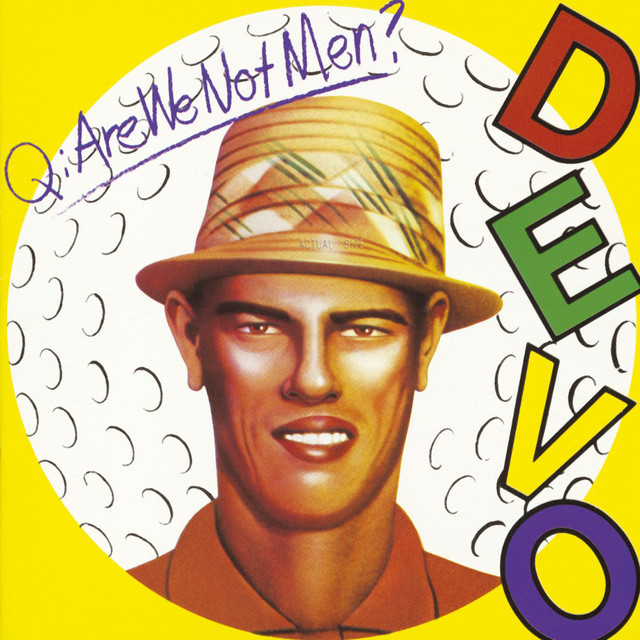
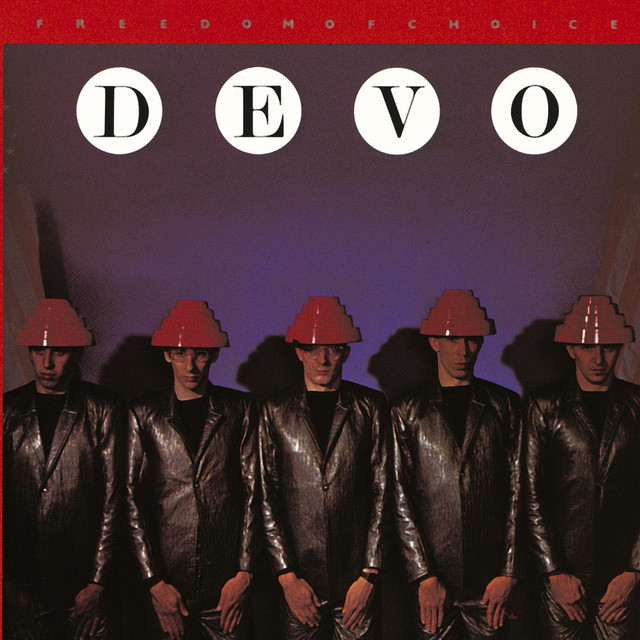
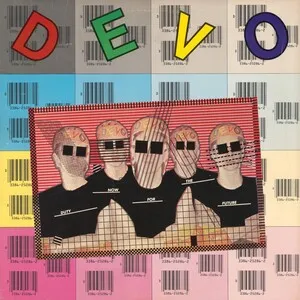
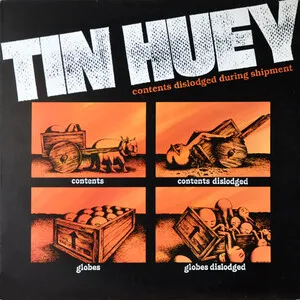
Devo’s early singles and their 1978 debut album signaled the scene’s international visibility, projecting a concept-driven, synth-prickly take on punk that matched the city’s mechanical backdrop. Parallel outfits like Tin Huey, The Bizarros, Rubber City Rebels, and 15-60-75 (The Numbers Band) developed complementary strands—from avant-leaning, horn-laced new wave to tough, street-level punk and blues-inflected art-rock. UK connections (notably through indie-friendly channels that embraced quirky American new wave) helped Akron acts reach broader audiences, while regional radio and college circuits amplified their presence.
By the turn of the 1980s, the scene’s palette widened: The Waitresses brought sly, character-driven songwriting and occasional horns to new wave, Rachel Sweet connected Akron to the burgeoning transatlantic pop/new wave pipeline, and bands like Hammer Damage and Chi-Pig underscored the city’s punk and post-punk backbone. Although individual groups pursued different directions, a shared taste for satire, stripped rhythms, and functional, hooky songwriting linked the scene.
The Akron sound helped normalize punk’s collision with synthesizers, deadpan humor, and conceptual art-school framing, paving the way for synth-pop, quirky indie and alternative rock, and later electropunk attitudes. Its blend of mechanical precision, pop sensibility, and cultural critique echoes in generations of alternative and indie artists who embrace both hooks and high-concept presentation.