Genres
Artists
Albums
Make Music
Sign in
Sign in
Artists
Alternative R&b
Artists
Alternative R&b
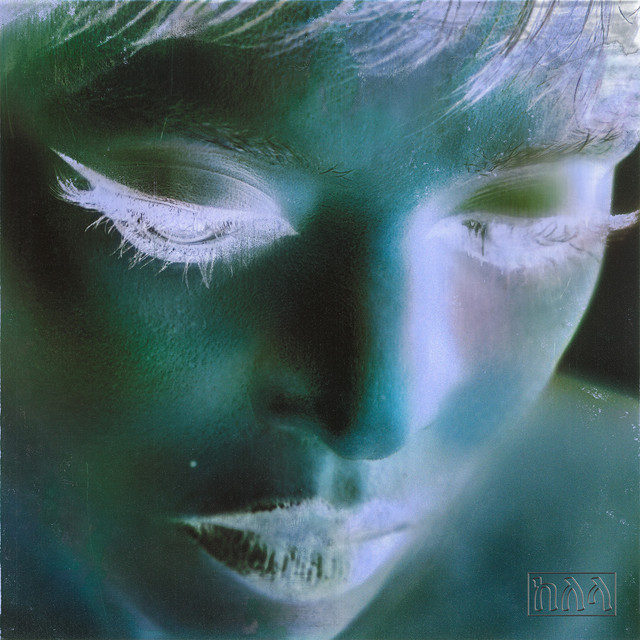
How To Dress Well
2024
·
1 album
Listen
2
/5
Genres
Alternative R&b
Alternative R&B (often shortened to alt‑R&B or dubbed PBR&B) is a stylistic offshoot of contemporary R&B that fuses soul and hip hop vocal traditions with experimental electronic production and indie aesthetics. It is characterized by atmospheric, nocturnal sound design; sparse, half‑time or trap‑leaning drum patterns; deep sub‑bass; and intimate, often falsetto‑based vocals. Song forms frequently deviate from standard verse–chorus structures, favoring gradual builds, textural contrasts, and negative space. Harmonically, it leans toward minor modes and lush extensions (7ths, 9ths, add9s), while production favors reverb‑drenched pads, filtered synths, delicate guitar lines, and creative use of silence. Lyrically, the genre tends to be introspective and confessional—exploring themes of desire, vulnerability, alienation, and late‑night urban life—delivered with a cinematic, moody sensibility that bridges the underground and the mainstream.
Discover
Listen
Indie R&b
Indie R&B (often overlapping with or adjacent to "alternative R&B") is a strand of contemporary R&B that embraces independent, DIY, and art-pop sensibilities. It blends the vocal intimacy and melodic DNA of classic soul and modern R&B with left-field electronic production, ambient textures, and experimental song forms. The sound foregrounds space, mood, and atmosphere: hushed vocals, gauzy synth pads, deep sub‑bass, and half‑time grooves are common. Lyrics tend to be introspective and diaristic, exploring intimacy, vulnerability, identity, and late‑night urban life. Rather than radio‑oriented sheen, Indie R&B often favors lo‑fi warmth, minimalist arrangements, and boundary‑pushing production choices.
Discover
Listen
Deconstructed Club
Deconstructed club is an experimental approach to dance music that dismantles the usual club structures (steady four-on-the-floor kicks, predictable breakdowns, and genre-pure palettes) and rebuilds them as jagged, collage-like forms. It combines extreme sound design, sudden dynamic shifts, and fragmented rhythms that reference—but refuse to settle into—familiar styles like reggaeton, jersey club, grime, techno, and dancehall. The aesthetic favors abrasive textures, hyper-detailed edits, and dramatic negative space. Samples are often cut into stuttering shards, drums arrive and vanish mid-bar, and synths lurch from crystalline to corroded. The result is club music that feels physical and cathartic yet conceptually critical, foregrounding ideas of hybridity, diasporic identity, and the politics of the dance floor.
Discover
Listen
Dreampunk
Dreampunk is a vaporwave-adjacent strain of ambient music that evokes rain-slicked, neon-lit cityscapes and late-night solitude. It favors widescreen pads, lingering reverb, and soft-focus textures that feel cinematic yet intimate, as if overheard from an apartment window above an endless metropolis. The style often incorporates field recordings—rain, traffic, station announcements—alongside subdued downtempo rhythms or entirely beatless passages. Harmonies tend to be lush but restrained, leaning on suspended tones and minor 7th colorings that drift rather than resolve. The result is a dreamlike, nocturnal mood that sits between ambient, vaporwave, and cyberpunk film score aesthetics.
Discover
Listen
New Isolationism
New isolationism is a contemporary strain of isolationist ambient and post-industrial minimalism that emerged in the 2010s, particularly around Scandinavian experimental labels and studios. It foregrounds intimate, close-mic’d sound, negative space, and a quiet-but-present noise floor; its pieces feel both internal and architectural, like rooms built from reverb tails, tape hiss, and soft electronics. Sonically, the style blends glacial drones, fragile chamber timbres (strings, organ, piano), lo‑fi electronics, and field recordings into stark, slow-evolving tableaux. Melodic information is sparse—often only a few tones or gestures—while rhythm is either absent or reduced to distant pulses, heartbeats, or mechanical cycles. Vocals, when they appear, are murmured, diaristic, or abstracted by pitch and time manipulation. Aesthetically, new isolationism is post‑internet and diaristic: it captures solitude, memory, and dislocation with a palette that feels personal yet estranged, drawing as much from contemporary gallery sound practice as from classic dark ambient.
Discover
Listen
Post-Dubstep
Post-dubstep is a loosely defined wave of UK-born electronic music that grew out of dubstep but moved away from its rigid 140 BPM wobble-bass formula. It keeps the bass-weight, sound-system focus, and rhythmic syncopation of dubstep and UK garage, but folds in house and techno tempos, R&B vocal chops, ambient space, and experimental production. Typical tracks explore 120–135 BPM (not fixed at 140), use broken 2‑step/garage swing instead of 4/4, and favor detailed sound design over maximal drops. You’ll often hear hushed, intimate vocals (sampled or original), neo-soul/jazz-influenced chords, and micro-edited percussion with lots of negative space. The mood is frequently introspective, melancholic, and textural—more headphone-oriented than festival-leaning—yet still rooted in club culture.
Discover
Listen
Chillwave
Chillwave is a late-2000s microgenre of electronic pop characterized by hazy, retro-tinged synthesizers, lo‑fi textures, understated drum machines, and heavily processed, dreamlike vocals. Its sound evokes sun-faded nostalgia, often referencing 1980s synth-pop and soft rock atmospheres filtered through cassette hiss, chorus, and reverb. Built by bedroom producers during the blog era, chillwave prizes mood over virtuosity: gentle major-seventh harmonies, loop-friendly motifs, and sidechain‑pumped pads create a warm, gauzy drift. Visual and conceptual aesthetics—VHS artifacts, pastel palettes, palm trees, and memories of an endless summer—are integral to its identity.
Discover
Listen
Metropopolis
Metropopolis is a glossy, big‑city strain of indie pop that blends synth‑driven textures, neon‑tinted sound design, and hook‑heavy songwriting with the immediacy of dance‑pop. It typically features bright polysynths, punchy four‑on‑the‑floor or syncopated mid‑tempo grooves, clean guitar arpeggios, and soaring, radio‑scale choruses that feel cinematic and metropolitan. Vocals often use airy falsetto or layered harmonies, while production emphasizes sparkle and scale—side‑chained pads, gated reverbs, and wide stereo imaging—to evoke night‑drive energy and skyline euphoria.
Discover
Listen
Indietronica
Indietronica is a hybrid of indie rock/pop songwriting and electronic music production. It blends guitars, bass, and live vocals with drum machines, samplers, soft-synths, and laptop-based sequencing, often favoring intimate, breathy vocal deliveries and hooky melodic lines. The sound typically features crisp programmed beats, warm analog-style synths, glitchy micro-edits, and dreamy pads, with arrangements that move between reflective verses and euphoric, danceable choruses. Lyrics lean toward introspection and romance, while production aesthetics range from lo‑fi bedroom textures to polished, club‑ready gloss.
Discover
Listen
Ambient
Ambient is a form of electronic and electroacoustic music that prioritizes tone, atmosphere, and texture over conventional song structures and rhythmic drive. It typically features slow-moving harmonies, sustained drones, gentle timbral shifts, and extensive use of space and silence. Rather than drawing attention to itself through hooks or beats, ambient is designed to be as ignorable as it is interesting, rewarding both background listening and focused immersion. Artists often employ synthesizers, samplers, tape loops, field recordings, and subtle acoustic instruments, with reverb and delay creating a sense of place. Substyles range from luminous, consonant soundscapes to darker, more dissonant atmospheres.
Discover
Listen
Pop
Pop is a broad, hook-driven style of popular music designed for wide appeal. It emphasizes memorable melodies, concise song structures, polished vocals, and production intended for radio, charts, and mass media. While pop continually absorbs elements from other styles, its core remains singable choruses, accessible harmonies, and rhythmic clarity. Typical forms include verse–pre-chorus–chorus, frequent use of bridges and middle-eights, and ear-catching intros and outros. Pop is not defined by a single instrumentation. It flexibly incorporates acoustic and electric instruments, drum machines, synthesizers, and increasingly digital production techniques, always in service of the song and the hook.
Discover
Listen
Electronic
Electronic is a broad umbrella genre defined by the primary use of electronically generated or electronically processed sound. It encompasses music made with synthesizers, drum machines, samplers, computers, and studio/tape techniques, as well as electroacoustic manipulation of recorded or synthetic sources. The genre ranges from academic and experimental traditions to popular and dance-oriented forms. While its sonic palette is rooted in electricity and circuitry, its aesthetics span minimal and textural explorations, structured song forms, and beat-driven club permutations. Electronic emphasizes sound design, timbre, and studio-as-instrument practices as much as melody and harmony.
Discover
Listen
Show all 12 genres
Albums
2024
I Am Toward You
How To Dress Well
Metropopolis
Similar artists
5
/5
Steve Lacy
Afrofuturism
R&b
Alternative R&b
2
/5
Spencer.
Alternative R&b
Bedroom Pop
Indie R&b
1
/5
Skin Town
Alternative R&b
Indie R&b
1
/5
Nico Cara
Alternative R&b
Indie R&b
5
/5
Joji
Viral Pop
Alternative R&b
Electronic
2
/5
Young Galaxy
Chillwave
Dream Pop
Etherpop
5
/5
Fred again..
Electronic
House
Stutter House
4
/5
ODESZA
Chillstep
Chillwave
Electronic
4
/5
Kelela
Alternative R&b
R&b
Experimental R&b
3
/5
Home
Chillwave
Synthwave
Chillsynth
Download our mobile app
Get the Melodigging app and start digging for new genres on the go
Download on the App Store
Get it on Google Play
© 2026 Melodigging
Give feedback
Legal
Melodding was created as a tribute to
Every Noise at Once
, which inspired us to help curious minds keep digging into music's ever-evolving genres.