Your digging level
Description
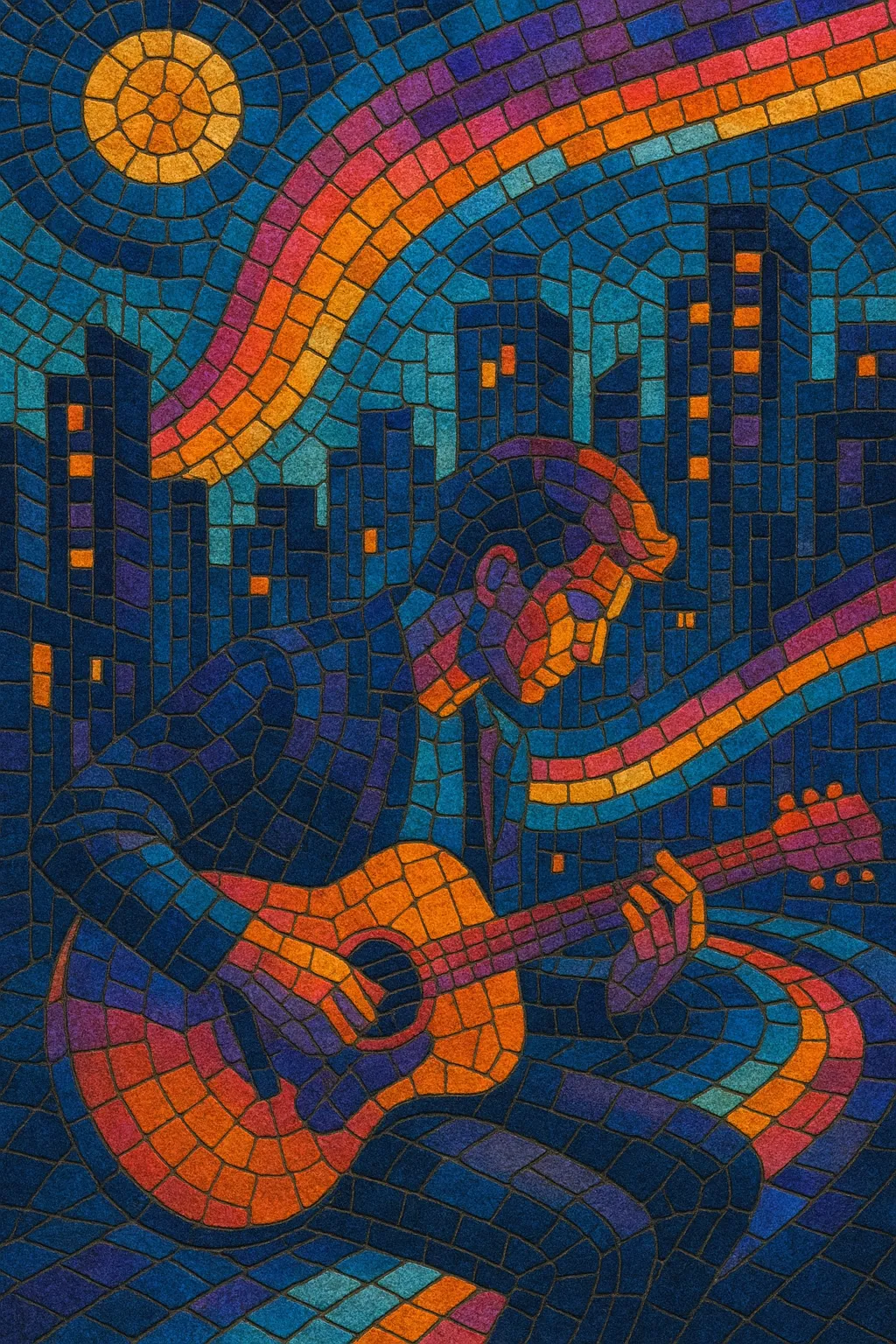
Metropopolis is a glossy, big‑city strain of indie pop that blends synth‑driven textures, neon‑tinted sound design, and hook‑heavy songwriting with the immediacy of dance‑pop.
It typically features bright polysynths, punchy four‑on‑the‑floor or syncopated mid‑tempo grooves, clean guitar arpeggios, and soaring, radio‑scale choruses that feel cinematic and metropolitan.
Vocals often use airy falsetto or layered harmonies, while production emphasizes sparkle and scale—side‑chained pads, gated reverbs, and wide stereo imaging—to evoke night‑drive energy and skyline euphoria.
History
Metropopolis emerged in the late 2000s as indie scenes in global hubs—New York, Los Angeles, Paris, London, Melbourne—absorbed the sheen of mainstream dance‑pop and the synth aesthetics of new wave and modern electropop. Artists bridged festival‑ready indie with club‑savvy production, prioritizing punchy kick‑bass alignment, sparkling synth hooks, and chorus‑forward songcraft.
By the early 2010s, a wave of albums and singles codified the style on radio and festival stages. Acts paired bright polysynth stacks, palm‑muted or chorus‑kissed guitars, and falsetto leads with sleek, side‑chained mixes. The mood leaned euphoric and urban—equal parts rooftop party and twilight freeway drive—making the sound a staple of syncs, summer tours, and crossover playlists.
As trap‑pop and hyperpop rose, metropopolis adapted by tightening low‑end, adopting crisper transient design, and flirting with retro‑futurist palettes. Its DNA—neon synths, festival‑scale hooks, and metropolitan polish—continues to inform contemporary alternative pop and internet‑born scenes, as well as regional electropop branches in Australia, Scandinavia, and beyond.