Genres
Artists
Albums
Make Music
Sign in
Sign in
Artists
Shibuya-Kei
Artists
Shibuya-Kei
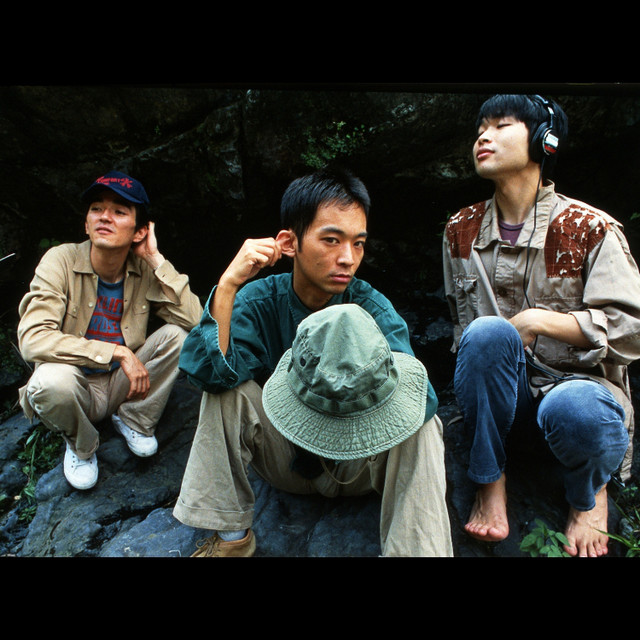
hi-posi
1998–2000
·
5 albums
Listen
Genres
Shibuya-Kei
Shibuya-kei is a Japanese pop micro‑genre that emerged from Tokyo’s Shibuya district in the early–mid 1990s. It blends 1960s French yé‑yé, bossa nova, lounge/easy listening, baroque pop, jazz, sunshine pop, and slick city‑pop with contemporary sampling and electronic production. The style is cosmopolitan and retro‑futurist: it celebrates crate‑digging, witty pastiche, and graphic design/fashion as much as music. Songs often feature breezy melodies, airy or whispery vocals in Japanese, English, or French, and richly orchestrated arrangements that feel both nostalgic and playful.
Discover
Listen
Chillout
Chillout is a broad, downtempo-oriented style of electronic music designed for relaxation, decompression, and after-hours listening. It emphasizes spacious atmospheres, gentle grooves, and warm timbres over intensity or virtuosity. Emerging from the “chill-out rooms” of UK and Ibiza clubs, the sound blends ambient pads, soft 4/4 or broken-beat rhythms, and melodic fragments drawn from lounge, jazz, bossa nova, and Balearic traditions. Typical tempos range from about 70–110 BPM, with extended chords, subtle basslines, and abundant reverb and delay to create a sense of depth and calm. Though often used as an umbrella for related styles (ambient, downtempo, trip hop, lounge), chillout retains a distinct focus on mood: it privileges texture, space, and gentle momentum, making it a staple for late-night sets, beach bars, and home listening alike.
Discover
Listen
Downtempo
Downtempo is a mellow, groove-oriented branch of electronic music characterized by slower tempos, plush textures, and a focus on atmosphere over dancefloor intensity. Typical tempos range from about 60–110 BPM, with swung or laid-back rhythms, dub-informed basslines, and warm, jazz-tinged harmonies. Stylistically, it blends the spaciousness of ambient, the head-nodding rhythms of hip hop and breakbeat, and the cosmopolitan smoothness of lounge and acid jazz. Producers often use sampled drums, Rhodes or Wurlitzer electric pianos, guitar licks with delay, and field recordings to create intimate, cinematic soundscapes. The mood spans from soulful and romantic to introspective and dusk-lit, making it a staple of after-hours listening, cafes, and relaxed club back rooms.
Discover
Listen
J-Pop
J-pop (Japanese pop) is a broad umbrella for mainstream Japanese popular music that blends Western pop/rock, dance, and R&B with distinctly Japanese songwriting, vocal delivery, and industry practices. It is characterized by strong hooks, polished production, bright synths and guitars, frequent key changes and modulatory bridges, and chorus-first or chorus-centric structures. J-pop spans idol groups, singer-songwriters, band-oriented pop-rock, electronic dance-pop, and R&B ballads, while remaining closely tied to television, advertising, video games, and anime tie-ins (anisong).
Discover
Listen
Noise Pop
Noise pop blends the tunefulness and hook-centric structures of pop with abrasive textures such as feedback, distortion, and tape hiss. It typically features bright, simple melodies buried beneath a dense, overdriven "wall of sound," with vocals often mixed low or coated in reverb. The aesthetic draws on 1960s girl-group and power-pop songwriting but delivers it through punk-informed energy and noise-rock sonics, creating music that is simultaneously sweet and scuffed.
Discover
Listen
Pop
Pop is a broad, hook-driven style of popular music designed for wide appeal. It emphasizes memorable melodies, concise song structures, polished vocals, and production intended for radio, charts, and mass media. While pop continually absorbs elements from other styles, its core remains singable choruses, accessible harmonies, and rhythmic clarity. Typical forms include verse–pre-chorus–chorus, frequent use of bridges and middle-eights, and ear-catching intros and outros. Pop is not defined by a single instrumentation. It flexibly incorporates acoustic and electric instruments, drum machines, synthesizers, and increasingly digital production techniques, always in service of the song and the hook.
Discover
Listen
Experimental
Experimental music is an umbrella term for practices that prioritize exploration, process, and discovery over adherence to established genre norms. It embraces new sound sources, nonstandard tuning systems, indeterminacy and chance operations, graphic and open-form scores, extended techniques, and technology-led sound design (tape, electronics, computers, and live processing). Rather than a single style, it is a methodology and ethos: testing hypotheses about sound, structure, and performance, often blurring boundaries between composition, improvisation, sound art, and performance art. Listeners can expect unfamiliar timbres, unusual forms, and an emphasis on how music is made as much as the resulting sound.
Discover
Listen
Rock
Rock is a broad family of popular music centered on amplified instruments, a strong backbeat, and song forms that foreground riffs, choruses, and anthemic hooks. Emerging from mid‑20th‑century American styles like rhythm & blues, country, and gospel-inflected rock and roll, rock quickly expanded in scope—absorbing folk, blues, and psychedelic ideas—while shaping global youth culture. Core sonic markers include electric guitar (often overdriven), electric bass, drum kit emphasizing beats 2 and 4, and emotive lead vocals. Rock songs commonly use verse–chorus structures, blues-derived harmony, and memorable melodic motifs, ranging from intimate ballads to high‑energy, stadium‑sized performances.
Discover
Listen
Electronic
Electronic is a broad umbrella genre defined by the primary use of electronically generated or electronically processed sound. It encompasses music made with synthesizers, drum machines, samplers, computers, and studio/tape techniques, as well as electroacoustic manipulation of recorded or synthetic sources. The genre ranges from academic and experimental traditions to popular and dance-oriented forms. While its sonic palette is rooted in electricity and circuitry, its aesthetics span minimal and textural explorations, structured song forms, and beat-driven club permutations. Electronic emphasizes sound design, timbre, and studio-as-instrument practices as much as melody and harmony.
Discover
Listen
Show all 9 genres
Albums
2000
2
/5
The View of Humannature as Fundamentally Good 性善説
Hi-Posi
Shibuya-Kei
J-Pop
Noise Pop
1998
2
/5
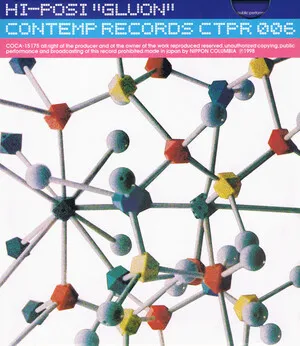
Gluon
Hi-Posi
Shibuya-Kei
Electronic
Experimental
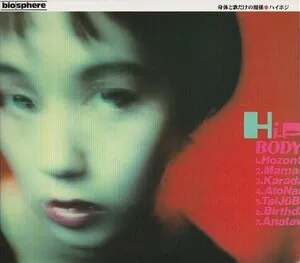
Body Meets Sing
Hi-Posi
Shibuya-Kei
Body Meets Sing
Hi-Posi
Downtempo
Body Meets Sing
Hi-Posi
Chillout
Similar artists
1
/5
Various Artists
Afro-Funk
Alternative Rock
Ambient
5
/5
Madonna
Dance-Pop
Pop
Electronic
5
/5
Gorillaz
Alternative Hip Hop
Electronic
Modern Rock
4
/5
Gustavo Cerati
Argentine Rock
Rock Sónico
Pop
3
/5
Clannad
Celtic New Age
Celtic Rock
Rock
3
/5
Fishmans
Neo-Psychedelia
Dream Pop
Shibuya-Kei
3
/5
YELLOW MAGIC ORCHESTRA
Synth-Pop
Electronic
City Pop
5
/5
Sade
Smooth Soul
Sophisti-Pop
Contemporary R&b
4
/5
Everything But The Girl
Sophisti-Pop
Trip Hop
Downtempo
2
/5
Rei Harakami
Idm
Shibuya-Kei
Chillout
Download our mobile app
Get the Melodigging app and start digging for new genres on the go
Download on the App Store
Get it on Google Play
© 2026 Melodigging
Give feedback
Legal
Melodding was created as a tribute to
Every Noise at Once
, which inspired us to help curious minds keep digging into music's ever-evolving genres.