Genres
Artists
Albums
Make Music
Sign in
Sign in
Artists
Avant-Garde
Artists
Avant-Garde
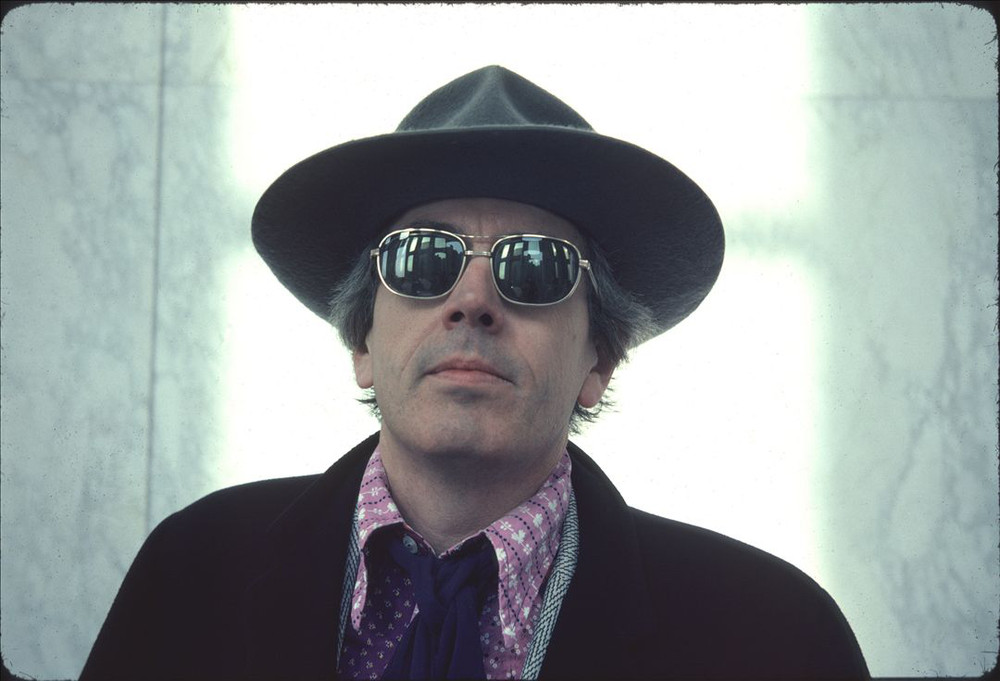
Henry Jacobs
1955
·
1 album
Listen
1
/5
Genres
New Isolationism
New isolationism is a contemporary strain of isolationist ambient and post-industrial minimalism that emerged in the 2010s, particularly around Scandinavian experimental labels and studios. It foregrounds intimate, close-mic’d sound, negative space, and a quiet-but-present noise floor; its pieces feel both internal and architectural, like rooms built from reverb tails, tape hiss, and soft electronics. Sonically, the style blends glacial drones, fragile chamber timbres (strings, organ, piano), lo‑fi electronics, and field recordings into stark, slow-evolving tableaux. Melodic information is sparse—often only a few tones or gestures—while rhythm is either absent or reduced to distant pulses, heartbeats, or mechanical cycles. Vocals, when they appear, are murmured, diaristic, or abstracted by pitch and time manipulation. Aesthetically, new isolationism is post‑internet and diaristic: it captures solitude, memory, and dislocation with a palette that feels personal yet estranged, drawing as much from contemporary gallery sound practice as from classic dark ambient.
Discover
Listen
Experimental
Experimental music is an umbrella term for practices that prioritize exploration, process, and discovery over adherence to established genre norms. It embraces new sound sources, nonstandard tuning systems, indeterminacy and chance operations, graphic and open-form scores, extended techniques, and technology-led sound design (tape, electronics, computers, and live processing). Rather than a single style, it is a methodology and ethos: testing hypotheses about sound, structure, and performance, often blurring boundaries between composition, improvisation, sound art, and performance art. Listeners can expect unfamiliar timbres, unusual forms, and an emphasis on how music is made as much as the resulting sound.
Discover
Listen
Spoken Word
Spoken word is a performance-centered genre where text—poems, monologues, stories, or manifestos—is delivered aloud with musicality in voice rather than through singing. It may be entirely a cappella or accompanied by sparse instrumentation (often jazz combos, ambient textures, or minimal electronics) that frames the cadence and rhetoric of the performer. The emphasis is on language: prosody, pacing, imagery, and argument. Pieces often explore personal narratives, social critique, and political themes, drawing on techniques such as internal rhyme, alliteration, and repetition. While recordings exist, the tradition is fundamentally live, prioritizing immediacy, audience engagement, and oratorical presence.
Discover
Listen
Audio Documentary
Audio documentary is a narrative non‑fiction form created specifically for listening. It blends reportage, interviews, archival tape, field recordings, narration, and montage to present real events, people, and ideas. Unlike audio drama, which stages fiction with actors, audio documentary prioritizes factual storytelling and journalistic ethics while borrowing dramatic structure, pacing, and sound design to deepen engagement. Its craft relies on careful research, on‑location sound, and editorial shaping to build scenes and a clear point of view.
Discover
Listen
Interview
Interview is a spoken-word recording genre that documents a conversation—typically between a host and a guest—focused on biography, creative process, cultural context, or timely topics. Although not musical in the strict sense, interview releases are integral to the music ecosystem: labels and media have long issued press-only promos, radio transcription discs, fan-club LPs, and CD box-set extras featuring interviews with artists. These recordings foreground voice, narrative, and authenticity, often serving as historical primary sources that frame an artist’s work and era.
Discover
Listen
Avant-Garde
Avant-garde music is an umbrella term for boundary-pushing practices that challenge prevailing norms of harmony, rhythm, timbre, form, and performance. It privileges experimentation, conceptual rigor, and a willingness to reframe what counts as music at all. Historically tied to early 20th‑century artistic modernism, avant-garde music introduced atonality, the emancipation of noise, and new forms of notation and process. It embraces indeterminacy, extended techniques, electronics, spatialization, and multimedia performance, treating sound as material to be sculpted, questioned, and reinvented.
Discover
Listen
Albums
1955
1
/5
Radio Programme No.1: Henry Jacobs' Music and Folklore
Henry Jacobs
Interview
Audio Documentary
Similar artists
1
/5
Marcel Duchamp
Avant-Garde
Experimental
Noise
3
/5
Laurie Anderson
Avant-Garde
Spoken Word
Laboratorio
2
/5
Felicia Atkinson
Modern Electroacoustic
Ambient
Avant-Garde
2
/5
The Conet Project
Avant-Garde
Experimental
Spoken Word
2
/5
Negativland
Experimental
Plunderphonics
Satire
1
/5
Harry Partch
Microtonal Classical
Avant-Garde
Experimental
1
/5
Robert Ashley
Spoken Word
Acousmatic
Experimental
1
/5
Christian Marclay
Avant-Garde
Experimental
Glitch
1
/5
Jaap Blonk
Experimental
Avant-Garde
Free Jazz
1
/5
Carl Abrahamsson
Avant-Garde
Experimental
Krautrock
Download our mobile app
Get the Melodigging app and start digging for new genres on the go
Download on the App Store
Get it on Google Play
© 2026 Melodigging
Give feedback
Legal
Melodding was created as a tribute to
Every Noise at Once
, which inspired us to help curious minds keep digging into music's ever-evolving genres.