Your digging level

For this genre
0/8
🏆
Sign in, then listen to this genre to level up

Description

Satire in music is a lyrical and performative approach that ridicules human vices, follies, institutions, and cultural clichés through irony, sarcasm, parody, and exaggeration.

Rather than denoting a single musical sound, satire is a cross‑genre mode that can appear in folk songs, operetta, cabaret, rock, hip hop, and musical theatre. Its musical surface often contrasts with its message—cheerful or familiar styles are used to deliver biting critiques—so that humor and social commentary land with greater impact.

Typical techniques include adopting an unreliable narrator, pastiching recognizable styles, twisting idioms, and using witty rhyme and prosody to sharpen punchlines. The result is entertainment that doubles as critique.


Sources: Spotify, Wikipedia, Discogs, RYM, MB, user feedback and other online sources

History

Early roots (18th century)

Satirical song crystallized in the English ballad‑opera tradition, most famously with John Gay’s The Beggar’s Opera (1728), which lampooned political corruption and Italianate opera conventions. This inaugurated a durable template: familiar tunes and popular idioms refitted with subversive, witty texts.

19th–early 20th century: Music hall, cabaret, and operetta

Across Britain and continental Europe, music hall and cabaret became hubs for topical satire, where comic patter songs targeted social pretension and politics. In operetta, Gilbert & Sullivan encoded social critique within brisk, tongue‑twisting lyrics and light orchestration. Parisian and Weimar cabarets refined urbane, sardonic song—an influence that still colors modern satirical performance.

Post‑war to 1970s: Records, radio, and counterculture

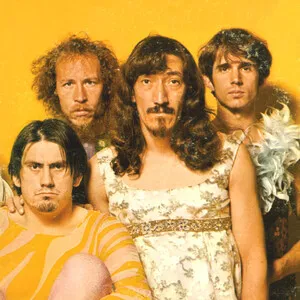
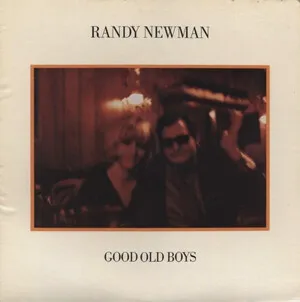
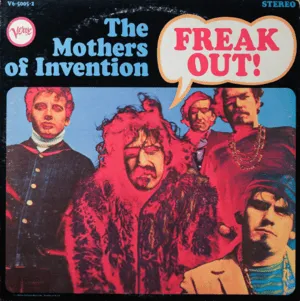
With mass media, satirical songwriters such as Tom Lehrer delivered mathematically precise wordplay skewering Cold War anxieties, academia, and hypocrisy. In rock and avant‑pop, Frank Zappa deployed pastiche and virtuosity to mock consumer culture and genre clichés, while artists like Randy Newman used the unreliable narrator to expose bigotry and power.

1980s–2000s: TV, sketch, and internet era

Comedy troupes (Monty Python) and alternative acts (Bonzo Dog Doo‑Dah Band) blended sketch and song. “Weird Al” Yankovic popularized radio‑friendly parody that often shaded into broader satire of pop tropes. Indie and college‑rock circles (e.g., The Kinks earlier, later singer‑songwriters) sustained social observation through wry character songs. The web enabled rapid-response satire, with DIY video and viral pastiche accelerating topical commentary.

2010s–present: Cross‑genre expansion

Satirical hip hop (from novelty to razor‑edged political bars), musical theatre (e.g., irreverent Broadway/West End shows), and digital skit‑song hybrids (The Lonely Island, Flight of the Conchords, Tim Minchin) illustrate satire’s adaptability. Today, satire functions as a toolset—pastiche production, punchline‑forward prosody, and pointed personas—deployed across pop, rock, rap, and cabaret to critique culture in real time.

How to make a track in this genre

1) Define the target and point of view
•   Choose a clear subject (policy, fad, cliché, public figure, or genre trope). •   Select a narrator stance: naive booster, pompous expert, or brazen hypocrite—unreliable narrators heighten irony.
2) Match the music to the joke
•   Pastiches: Recreate the sonic markers of a well‑known style (cabaret piano and brushed drums; sunny surf‑rock guitars; glossy trap hats). Authentic production sells the satire. •   Contrast: Pair cheerful, catchy music with caustic lyrics so the dissonance amplifies the punchline.
3) Lyric craft and rhetoric
•   Use devices: irony, hyperbole, understatement (litotes), bathos, twisting idioms, and double rhymes. •   Prosody: Put key reveals/punchlines on strong beats and rhyme terminals; keep syllable counts tight for patter effects. •   Refrains: A hook can restate the thesis or ironic catchphrase.
4) Harmony, melody, and form
•   Keep harmony familiar so words lead (I–V–vi–IV pop loops, functional cabaret progressions, or a simple folk I–IV–V). •   For patter songs, medium‑fast tempos (90–140 BPM) and syllable‑dense melodies help deliver wit. •   Use key changes or sudden breaks to spotlight a final twist.
5) Arrangement and performance
•   Instrumentation follows the chosen idiom: solo piano (cabaret), acoustic guitar (folk), full band (rock), or programmed beats (hip hop). •   Delivery: Commit to character; exaggerate diction for clarity; leave micro‑pauses before punchlines.
6) Ethics and clarity
•   Punch up, not down. Make the target unmistakable to avoid misreadings. •   Test lines aloud—if the irony is too subtle, strengthen context or the chorus.
7) Common blueprints
•   "Catalog of absurdities": list‑song escalating from minor quirks to systemic critique. •   "Genre mirror": imitate a style’s clichés to expose its excesses. •   "Unreliable love song": affectionate sound with lyrics secretly about power, greed, or groupthink.

Top tracks

Locked
Share your favorite track to unlock other users’ top tracks

Upcoming concerts

in this genre
Influenced by
Has influenced

Download our mobile app

Get the Melodigging app and start digging for new genres on the go
© 2026 Melodigging
Melodding was created as a tribute to Every Noise at Once, which inspired us to help curious minds keep digging into music's ever-evolving genres.
Buy me a coffee for Melodigging