Genres
Artists
Albums
Make Music
Sign in
Sign in
Artists
Contemporary Vocal Jazz
Artists
Contemporary Vocal Jazz
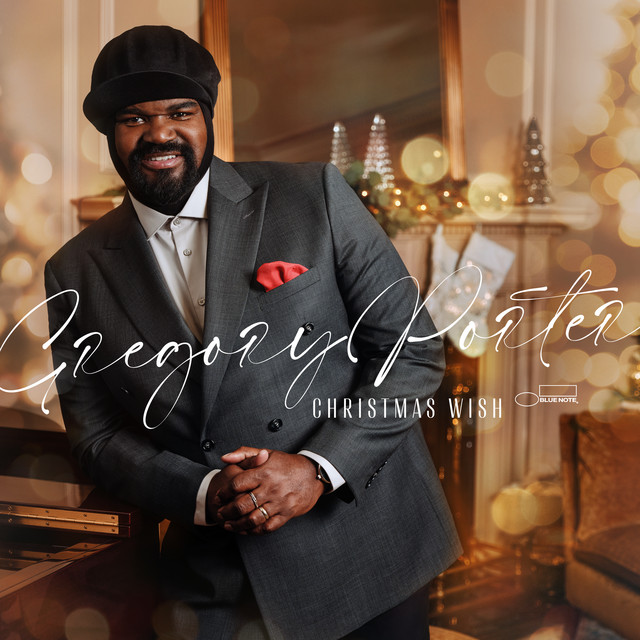
Gregory Porter
2023–2025
·
2 albums
Listen
3
/5
Genres
Chill Drill
Chill drill is a mellow, melodic offshoot of UK drill that keeps the style’s distinctive sliding 808s, syncopated hi-hats, and snare-on-3 placement, but softens the overall timbre and mood. Instead of ominous synths and harsh textures, it leans on airy pads, Rhodes pianos, gentle guitar loops, and lo‑fi ambience. Vocals tend to be more introspective and tuneful, with sing-rap hooks, laid-back cadences, and reflective lyric themes (romance, ambition, day-to-day life). The result bridges drill’s rhythmic identity with chillhop and lo‑fi hip hop’s relaxed atmosphere, creating tracks that are both groove-driven and easy to live with.
Discover
Listen
Chill R&b
Chill R&B is a mellow, atmospheric branch of contemporary R&B that emphasizes intimate vocals, warm harmonies, and low-key, downtempo grooves. It blends the songwriting and emotive delivery of classic R&B with modern, minimal production, often borrowing the hazy textures of lo-fi hip hop and the spacious sound design of ambient and chillwave. The style is defined by soft, close-miked vocals with layered harmonies, smooth chord extensions, and restrained drum programming that leaves plenty of negative space. Lyrically, it leans into late-night introspection, romance, self-reflection, and mood-setting imagery. The overall effect is cozy and cinematic, designed for headphones, night drives, and relaxed listening.
Discover
Listen
Flint Sound
Flint sound is a contemporary Michigan rap style centered in Flint, United States. It is characterized by fast, minimal, piano- or organ-led beats, dry and upfront vocals, and bar-by-bar “punch‑in” delivery that often rides slightly ahead of or behind the grid for a conversational, off‑kilter feel. The production typically favors bright piano loops, staccato 808 slides, crisp claps or rimshots, and sparse percussion, leaving plenty of space for relentless punchlines, gritty street reportage, and mischievous humor. While hard-edged and streetwise, the style frequently leans into charismatic personality and wit, making it both aggressive and infectious for dancing.
Discover
Listen
Beach House
Beach house is a sun‑drenched, laid‑back branch of house music that blends four‑on‑the‑floor rhythms with Balearic and tropical colors. It favors warm acoustic timbres (guitars, marimbas, steel‑pan‑like mallets), mellow sax or flute hooks, light percussion, and airy pads over aggressive drops. The style is designed for daytime listening—beach clubs, poolside sets, road trips—so tempos sit in the comfortable 104–118 BPM range, grooves are smooth and mid‑tempo, and harmonic language leans toward major keys, gentle extended chords, and nostalgic, feel‑good progressions. Production emphasizes clarity, headroom and soft side‑chain movement, creating a breezy, salt‑air atmosphere that’s both danceable and relaxing.
Discover
Listen
Chill House
Chill house is a mellow, laid-back strain of house music designed for relaxed listening as much as for dancing. It typically keeps a steady four-on-the-floor pulse but softens the impact with warm pads, gentle basslines, filtered chords, and spacious reverb. Compared with peak-time or club-focused house, chill house prioritizes atmosphere, smooth groove, and “sunset” vibes, often borrowing the hazy textures of chillwave and downtempo while staying within house’s rhythmic framework.
Discover
Listen
Progressive Electro House
Progressive electro house is a festival‑ready hybrid that marries the long, melodic builds and emotive chord progressions of progressive house with the gritty basslines, saw‑lead stabs, and syncopated drops of electro house. Tracks typically run around 126–130 BPM in 4/4, featuring wide supersaw stacks, side‑chained pads, and bright, anthemic toplines that crescendo into aggressive, electro‑flavored drops. The style thrived during the early 2010s EDM boom, with Dutch and Scandinavian producers pushing a sound designed for big‑room and main‑stage impact. Production aesthetics favor layered synth leads (Serum, Sylenth1, Massive), tight festival kicks, off‑beat open hats, sweeping risers, and snare‑roll builds, while arrangements spotlight tension‑and‑release between harmonic, euphoric breakdowns and powerful, synth‑driven drops.
Discover
Listen
Background Piano
Background piano is a contemporary, minimalist piano style designed to sit comfortably behind other activities such as reading, study, work, or meditation. The pieces are short, spacious, and consonant, prioritizing mood and texture over virtuosic display. Typical tracks feature soft dynamics (often with felted or muted pianos), slow tempos, gentle ostinatos, and simple diatonic harmonies colored by added 2nds or 9ths. Subtle ambience—room tone, reverb, light tape hiss—blurs edges and enhances a sense of stillness. It is music that rewards close listening yet never demands it, aligning with the ambient principle of being “as ignorable as it is interesting.”
Discover
Listen
Bedroom Soul
Bedroom soul is a lo‑fi, intimate take on contemporary R&B and soul that foregrounds warm, jazzy harmony and close‑miked vocals tracked in home studios. It blends the DIY ethos of bedroom pop with the grooves and vocal phrasing of neo‑soul and alternative R&B. Production is intentionally unvarnished—subtle tape hiss, vinyl crackle, softly clipped transients, and gentle saturation are embraced to create a lived‑in texture. Electric guitar or Rhodes/soft‑synth keys carry lush seventh‑chord progressions, pocketed bass lines, and minimalist drums with swung hi‑hats and rimshots. Lyrics are inward‑looking and conversational, often exploring romance, self‑discovery, and late‑night reflection.
Discover
Listen
Deep Tech
Deep tech (often shorthand for deep tech house) is a stripped‑back, groove‑led branch of house/tech house that emphasizes hypnotic repetition, swing, and sound design over big hooks. Typical tracks sit around 124–128 BPM, use tight, shuffling drum programming, and rely on deep sub‑bass, crisp hi‑hats, and minimal, percussive motifs. Harmony tends to be sparse—dubby chords, single‑note stabs, or short pads—leaving space for long DJ‑friendly arrangements. Vocals, if present, are usually snippets or whispered phrases processed with delay and reverb to blend into the texture rather than sit on top. The result is functional and heady: music optimized for long, seamless mixes, late‑night dancefloors, and a rolling, understated energy rather than explosive drops.
Discover
Listen
Electro Latino
Electro latino (often stylized as electrolatino) is a club-oriented fusion that blends the four-on-the-floor energy of European EDM and electro house with Spanish/Latin pop songwriting and Caribbean rhythmic accents. It typically features bright supersaw or pluck synth leads, sidechained pads, and festival-style drops, combined with Latin percussion (congas, güira, timbales) and chantable Spanish hooks. Lyrical themes favor summer romance, parties, and coastal imagery, mirroring the genre’s warm, feel-good sonic identity. The style crystallized in Spain in the early 2010s and rapidly spread across European and Latin markets through high-rotation radio singles and compilation series, normalizing Spanish-language vocals and Latin rhythms on mainstream EDM platforms.
Discover
Listen
Uk Jackin
UK jackin is a bass-forward strain of house and UK garage that emerged in the UK during the early 2010s. It blends the swing and shuffle of garage with the chunky, percussive drive of house, emphasizing rubbery low‑end riffs, organ stabs, and chopped R&B or soul vocals. Compared with classic Chicago jackin’ house, the UK variant is darker and punchier, drawing heavily from bassline and UK bass aesthetics. Tracks typically sit around 124–130 BPM, use swung drums and syncopated bass patterns, and are arranged with DJ‑friendly intros, tension‑building breakdowns, and emphatic drops.
Discover
Listen
Vapor Twitch
Vapor twitch is a glossy, internet-born strain of indie electronic that fuses the dreamy nostalgia of vaporwave and chillwave with the punchy, "twitchy" rhythms of trap-leaning future bass. Expect airy pads, pastel synth palettes, chopped-and-pitched vocal bits, and sidechained chords that "breathe" against half-time 808 drums. Where vaporwave leans into looped détournement, vapor twitch favors original songwriting and drop-centric arrangements, keeping the vapor-era wistfulness but aiming for a more kinetic, festival-ready glow.
Discover
Listen
Contemporary Vocal Jazz
Contemporary vocal jazz is a modern continuation of the vocal-jazz tradition that blends classic jazz songcraft with current production aesthetics and a cosmopolitan repertoire. It typically features sophisticated phrasing, elastic time-feel, and rich reharmonizations of standards alongside original songs that draw on soul, pop, and world influences. Arrangements are often built around small ensembles (piano trio, guitar-led quartets, or chamber-like groups), with attention to microphone technique, intimate timbre, and audiophile recording quality. While it respects the lineage of the Great American Songbook, contemporary vocal jazz updates swing and bop-era vocabulary with subtler grooves, expanded harmony, and a global palette, making it both accessible and musically refined.
Discover
Listen
Neo Soul
Neo soul is a back-to-the-roots subgenre of soul and contemporary R&B that emerged in the mid-to-late 1990s. The term was popularized by executive Kedar Massenburg to describe artists who revived classic soul values while embracing modern production aesthetics. Musically, neo soul blends the warmth of 1960s–70s soul with the rhythmic sensibility of hip hop, plus colors from jazz fusion, funk, and rock. Compared with mainstream contemporary R&B, it typically features more organic instrumentation (Rhodes/Wurlitzer, live bass and drums), harmonically richer progressions, and a laid‑back, behind‑the‑beat groove. Lyrically it tends toward introspective, socially conscious, and spiritual themes, often delivered with jazz-informed phrasing, melisma, and layered background vocals. The overall sound emphasizes authenticity, groove, and an intimate, analog-friendly ambiance.
Discover
Listen
Jazz Pop
Jazz pop blends the melodic immediacy and song structures of pop with the harmonic richness, phrasing, and instrumentation of jazz. Typical arrangements feature piano or guitar-led rhythm sections, upright or electric bass, light drum kits (often with brushes), and tasteful horns or strings. Harmonically it favors extended chords (maj7, 9ths, 13ths), ii–V–I cadences, and sophisticated substitutions, while rhythms range from gentle swing and bossa nova to straight pop backbeats. Vocals usually emphasize warm timbres, nuanced crooning, and elastic, behind-the-beat phrasing. The result is urbane, approachable music that keeps pop’s hooks and forms while carrying jazz’s color and elegance, making it a perennial crossover sound for radio, lounges, and contemporary singer‑songwriters.
Discover
Listen
Vocal Jazz
Vocal jazz is a jazz tradition in which the human voice is treated as an instrument—matching the phrasing, articulation, and timbral nuance of horns or piano. Singers often improvise melodically and rhythmically, including using scat singing (nonsense syllables) to emulate instrumental solos. At the same time, many vocal‑jazz performances favor traditional, pop‑leaning song structures and clear lyric delivery, reducing the overall role of extended improvisation compared with small‑group instrumental jazz. Repertoires frequently draw from Tin Pan Alley and Broadway standards (the Great American Songbook), rendered with swing, ballad, or Latin feels.
Discover
Listen
Jazz
Jazz is an improvisation-centered music tradition that emerged from African American communities in the early 20th century. It blends blues feeling, ragtime syncopation, European harmonic practice, and brass band instrumentation into a flexible, conversational art. Defining features include swing rhythm (a triplet-based pulse), call-and-response phrasing, blue notes, and extended harmonies built on 7ths, 9ths, 11ths, and 13ths. Jazz is as much a way of making music—spontaneous interaction, variation, and personal sound—as it is a set of forms and tunes. Across its history, jazz has continually hybridized, from New Orleans ensembles and big-band swing to bebop, cool and hard bop, modal and free jazz, fusion, and contemporary cross-genre experiments. Its influence permeates global popular and art music.
Discover
Listen
Blues
Blues is an African American musical tradition defined by expressive "blue notes," call-and-response phrasing, and a characteristic use of dominant-seventh harmony in cyclical song forms (most famously the 12‑bar blues). It is as much a feeling as a form, conveying sorrow, resilience, humor, and hard-won joy. Musically, blues commonly employs the I–IV–V progression, swung or shuffled rhythms, and the AAB lyric stanza. Melodies lean on the minor/major third ambiguity and the flattened fifth and seventh degrees. Core instruments include voice, guitar (acoustic or electric), harmonica, piano, bass, and drums, with slide guitar, bends, and vocal melismas as signature techniques. Over time the blues has diversified into regional and stylistic currents—Delta and Piedmont country blues, urban Chicago and Texas blues, West Coast jump and boogie-woogie—while profoundly shaping jazz, rhythm & blues, rock and roll, soul, funk, and much of modern popular music.
Discover
Listen
Gospel
Gospel is a vocal-centered Christian genre whose lyrics explicitly express faith, salvation, hope, and communal testimony. Performances emphasize expressive lead vocals, choirs, call-and-response, and congregational participation, often supported by piano/organ, handclaps, and a rhythm section. While the modern form coalesced in the early 20th century through urban church music and the work of composer–leaders such as Thomas A. Dorsey, its roots trace back to earlier Christian hymnody and African American sacred traditions. Across cultures and denominations, gospel functions in worship, evangelism, community celebration, and—by the late 20th century—in commercial recordings and concerts. Stylistically, gospel spans traditional quartet and choir styles, “gospel blues,” and contemporary fusions with R&B, soul, pop, and hip hop. What unites these strands are dominant vocals, testimonial lyrics grounded in Scripture and lived experience, and a performance practice designed to move both spirit and body.
Discover
Listen
Show all 19 genres
Albums
2025
2
/5
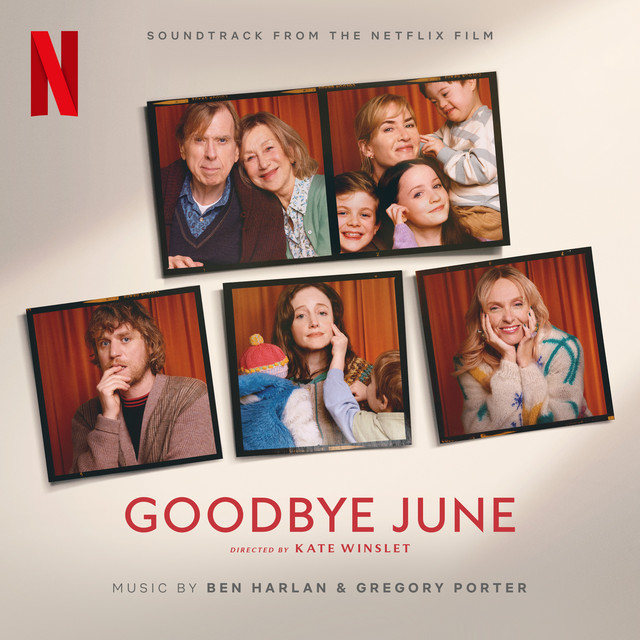
Goodbye June (Soundtrack from the Netflix Film)
Gregory Porter
Contemporary Vocal Jazz
2023
2
/5
Everything’s Not Lost
Gregory Porter
Vocal Jazz
Contemporary Vocal Jazz
Similar artists
1
/5
Various Artists
Afro-Funk
Alternative Rock
Ambient
4
/5
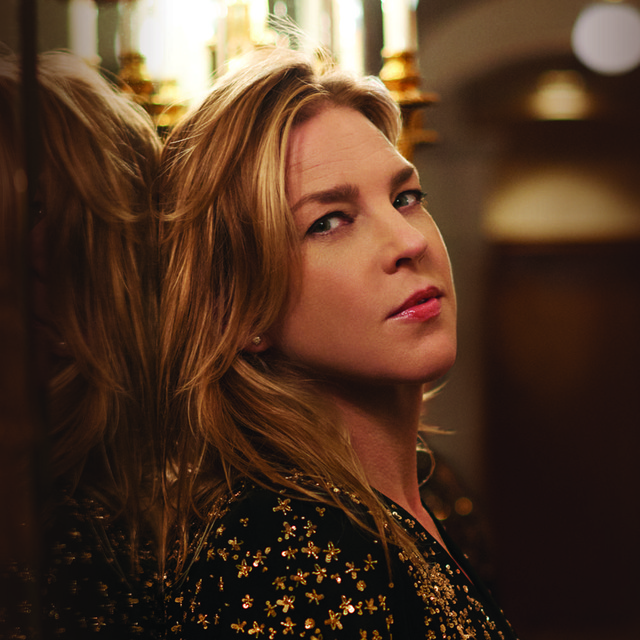
Diana Krall
Contemporary Vocal Jazz
Jazz
Vocal Jazz
4
/5
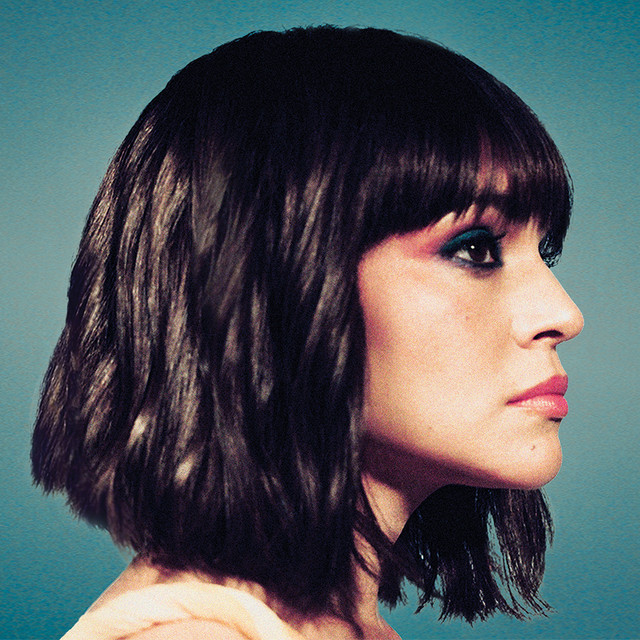
Norah Jones
Contemporary Vocal Jazz
Jazz Pop
Jazz
4
/5
Madeleine Peyroux
French Jazz
Jazz
Vocal Jazz
4
/5
Melody Gardot
French Jazz
Jazz
Vocal Jazz
4
/5
Nat King Cole
Swing
Vocal Jazz
Adult Standards
4
/5
Stacey Kent
Contemporary Vocal Jazz
French Jazz
Smooth Jazz
3
/5
Jane Monheit
Contemporary Vocal Jazz
Jazz
Vocal Jazz
4
/5
Karen Souza
Bossa Nova Cover
Vocal Jazz
Bossa Nova
3
/5
Blossom Dearie
Vocal Jazz
French Jazz
Indian Indie
Download our mobile app
Get the Melodigging app and start digging for new genres on the go
Download on the App Store
Get it on Google Play
© 2026 Melodigging
Give feedback
Legal
Melodding was created as a tribute to
Every Noise at Once
, which inspired us to help curious minds keep digging into music's ever-evolving genres.