Genres
Artists
Albums
Make Music
Sign in
Sign in
Artists
Classical
Artists
Classical
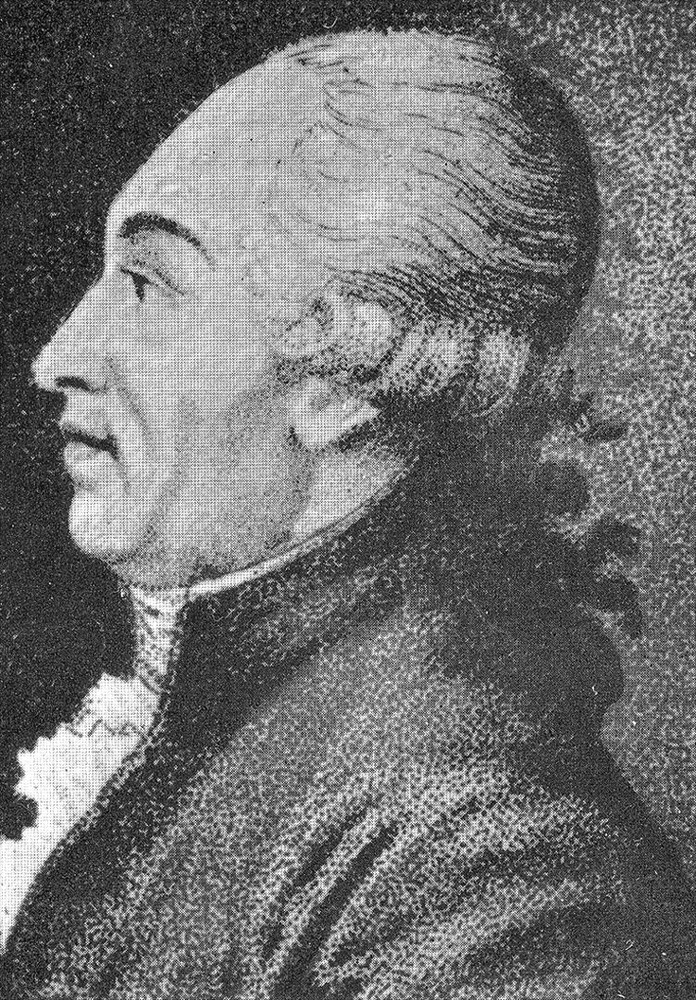
Giuseppe Tartini
2018
·
1 album
Listen
2
/5
Genres
Baroque Violin
Baroque violin refers both to the instrument in its Baroque setup and to the repertory and performance practice for violin from roughly 1600–1750. Typical instruments use gut strings, a lighter bass bar, a shorter/shallower neck angle, and no chin- or shoulder-rest. They are paired with a Baroque bow, whose camber and weight distribution encourage speech‑like articulation, sprung strokes, and a clear attack/decay. Pitch is commonly at A≈415 Hz (varying by region), and temperaments may be circulating or meantone rather than modern equal temperament. Stylistically, Baroque violin playing emphasizes rhetorical phrasing (the "Doctrine of Affections"), ornamental vibrato (used as a coloristic embellishment rather than a constant), extempore ornamentation, and expressive bowing. The music lives in sonatas (da chiesa/da camera), dance suites, concerti (including the concerto grosso), and theatrical or sacred contexts, nearly always underpinned by basso continuo.
Discover
Listen
Baroque
Baroque is a period and style of Western art music spanning roughly 1600–1750. It is characterized by the birth of functional tonality, the widespread use of basso continuo (figured bass), and a love of contrast—between soloist and ensemble, loud and soft, and different timbres. Hallmark genres and forms of the era include opera, cantata, oratorio, concerto (especially the concerto grosso), dance suite, sonata, and fugue. Textures range from expressive monody to intricate counterpoint, and melodies are richly ornamented with trills, mordents, and appoggiaturas. Baroque music flourished in churches, courts, and theaters across Europe, with regional styles (Italian, French, German, English) shaping distinctive approaches to rhythm, dance, harmony, and ornamentation.
Discover
Listen
Classical
Classical music is the notated art-music tradition of Europe and its global descendants, characterized by durable forms, carefully codified harmony and counterpoint, and a literate score-based practice. The term “classical” can refer broadly to the entire Western art-music lineage from the Medieval era to today, not just the Classical period (c. 1750s–1820s). It privileges long-form structures (such as symphonies, sonatas, concertos, masses, and operas), functional or modal harmony, thematic development, and timbral nuance across ensembles ranging from solo instruments to full orchestras and choirs. Across centuries, the style evolved from chant and modal polyphony to tonal harmony, and later to post-tonal idioms, while maintaining a shared emphasis on written notation, performance practice, and craft.
Discover
Listen
Gregorian Chant
Gregorian chant is the central Western tradition of plainchant: a monophonic, unaccompanied sacred song in Latin (and occasionally Greek) used in the Roman Catholic liturgy. It employs free rhythm guided by the prosody of the text rather than by strict meter, and is sung in unison by clerics or scholas. Its melodies are organized by the system of eight church modes, with characteristic finalis (final), tenor/reciting tones, and melodic formulas. Repertoires include the Proper and Ordinary of the Mass (e.g., Introit, Gradual, Alleluia, Offertory, Communion, Kyrie, Gloria, Credo, Sanctus, Agnus Dei) and the Divine Office (e.g., Antiphons, Responsories, Hymns, Psalms). Although legend credits Pope Gregory I, modern scholarship sees Gregorian chant as a Carolingian synthesis of Old Roman and Gallican chants, standardized across Frankish realms and later the broader Latin West.
Discover
Listen
Albums
2018
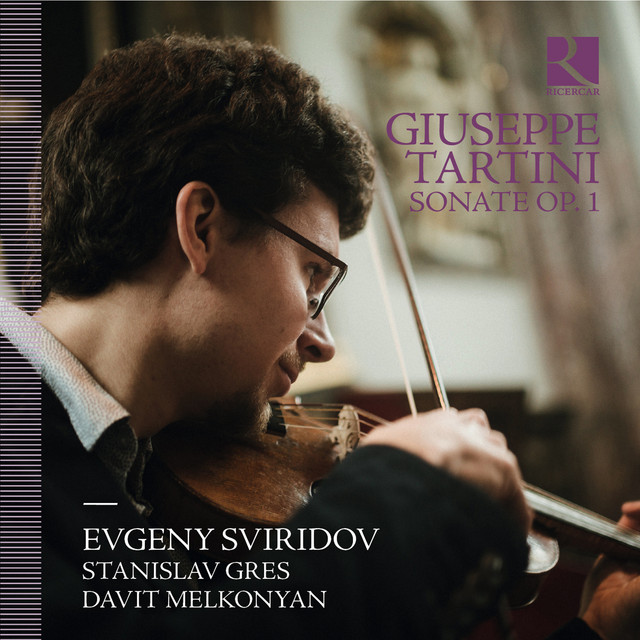
Sonate, op. 1
Giuseppe Tartini; Evgeny Sviridov, Stanislav Gres, Davit Melkonyan
Baroque Violin
Similar artists
4
/5
Traditional
Gregorian Chant
Classical
Spanish Classical Music
3
/5
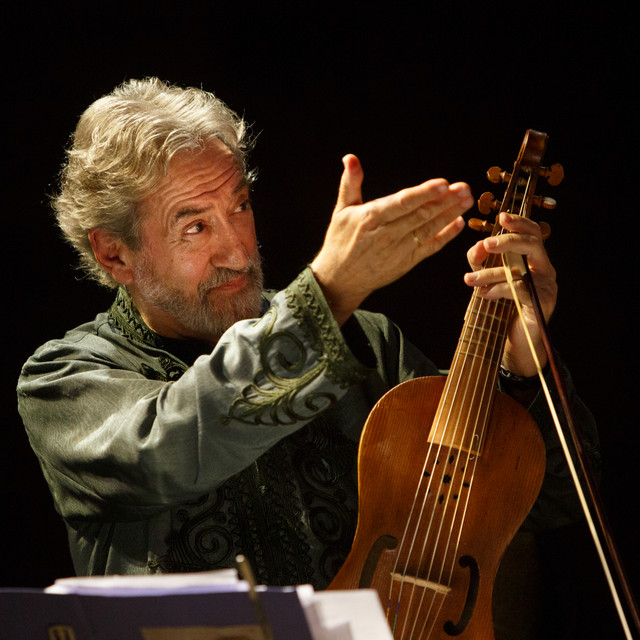
Jordi Savall
Renaissance
Baroque
Classical
3
/5
Peter Phillips
Renaissance
Choral
Requiem
3
/5
Giovanni Pierluigi da Palestrina
Classical
Renaissance
Mass
3
/5
The Tallis Scholars
Renaissance
Choral
Classical
3
/5
Gregorio Allegri
Choral
Classical
Renaissance
3
/5
The Sixteen
Baroque
Classical
Choral
3
/5
Jeremy Summerly
Renaissance
Gregorian Chant
Medieval
2
/5
Le Concert Spirituel
Baroque
Classical
Opera
2
/5
Hans-Christoph Rademann
Classical
Baroque
Choral
Download our mobile app
Get the Melodigging app and start digging for new genres on the go
Download on the App Store
Get it on Google Play
© 2026 Melodigging
Give feedback
Legal
Melodding was created as a tribute to
Every Noise at Once
, which inspired us to help curious minds keep digging into music's ever-evolving genres.