Genres
Artists
Albums
Make Music
Sign in
Sign in
Artists
Cajun
Artists
Cajun
Gérard Dôle
1981
·
3 albums
Listen
1
/5
Genres
Zydeco
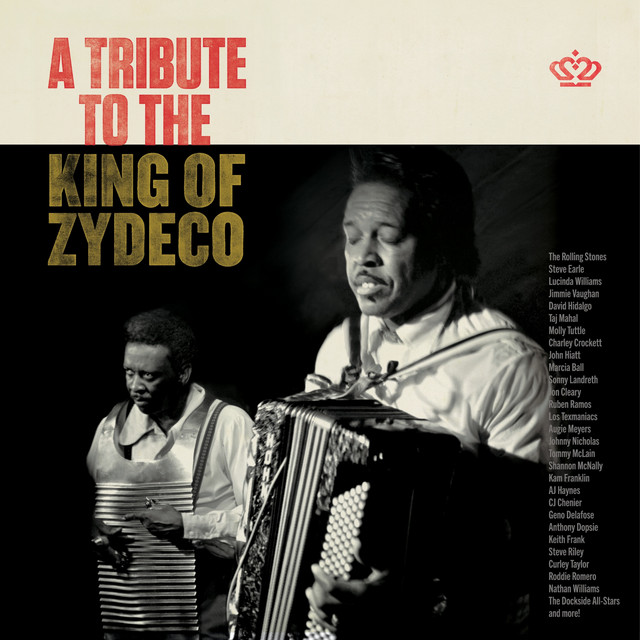
Zydeco is a high-energy dance music of the Louisiana Creole community that blends Creole and Cajun traditions with blues, rhythm & blues, boogie‑woogie, and rock and roll. It is distinguished by its driving accordion leads, the metallic scrape of the vest washboard (frottoir), and a tight rhythm section built for two-steps and shuffles. Typically sung in English and Louisiana Creole French (and sometimes in Louisiana French), zydeco features call-and-response hooks, blue notes, and earthy storytelling about love, work, celebration, and community life. Modern bands often add electric guitar, bass, and drum kit, while some retain more traditional button or piano accordion textures. The result is a propulsive, joyful sound designed for packed dance floors.
Discover
Listen
Cajun
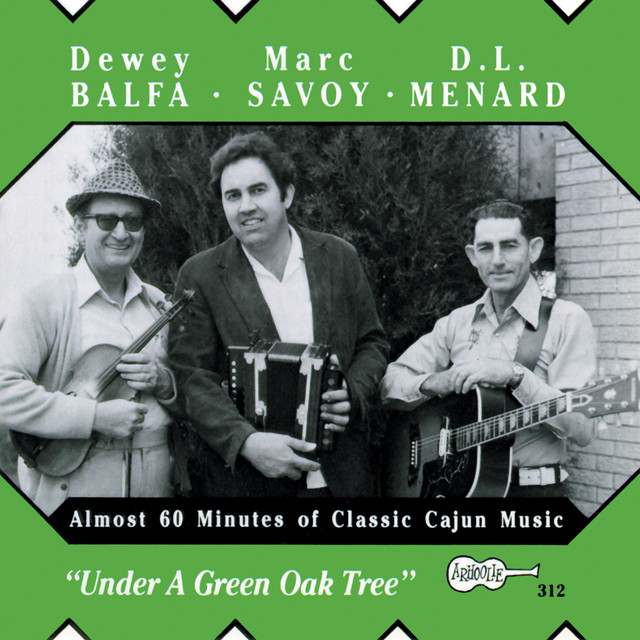
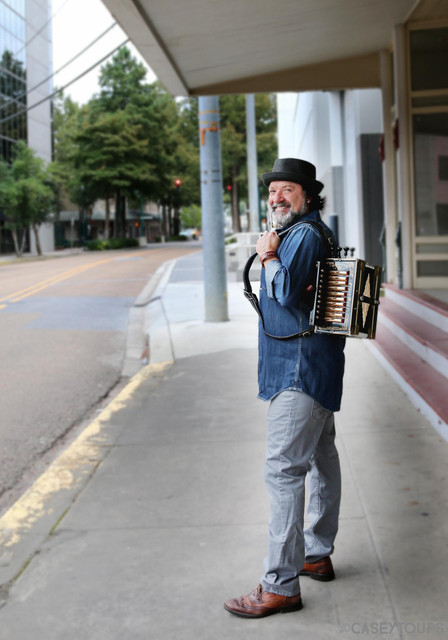
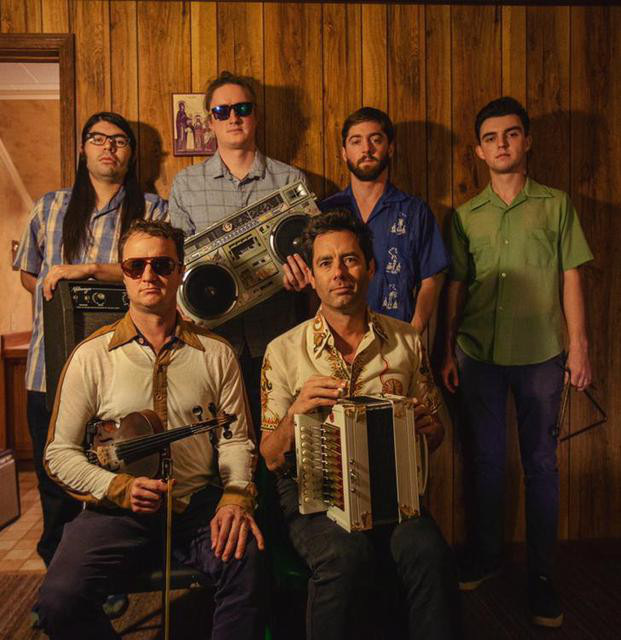
Cajun is the dance-driven traditional music of the Francophone Cajuns of south Louisiana, characterized by driving two-steps, lonesome waltzes, and heartfelt, often nasal-tinged vocals sung in Cajun French and English. Its core sound blends button accordion and fiddle, propelled by guitar, bass, and the metallic pulse of the triangle (tit-fer). Built for social dancing in packed halls, the music emphasizes strong melodic hooks, call-and-response refrains, and sturdy rhythms. Repertoires include up-tempo two-steps in duple meter and lyrical waltzes in triple meter, with instrumental breaks that showcase the accordion’s bellows phrasing and the fiddle’s double-stops and slides. Over time, Cajun incorporated elements from country, blues, and swing while retaining a distinct regional identity.
Discover
Listen
Traditional Cajun Music
Traditional Cajun music is the earliest and most "pure" form of Cajun music to take shape in south Louisiana. It is a rural, dance‑driven style centered on two core dance types—lively two‑steps in duple meter and lilting waltzes in triple meter. The sound is led by fiddle and (later) one‑row diatonic accordion, with the triangle (tit-fer) marking time. Fiddle parts typically feature frequent double stops, drones, and parallel harmonies, giving the music its rich, reedy sonority and strong rhythmic drive. Melodies often sit in major, Mixolydian, or Dorian flavors, and lyrics are sung in Cajun French, telling stories of love, family, work, and community life. Arrangements are spare but propulsive: strophic songs, call‑and‑response refrains, and unison singing are common. Guitars provide strummed backbeats and bass runs, the triangle locks the groove, and twin fiddles or fiddle‑accordion pairings weave earthy counterlines perfect for the dance floor.
Discover
Listen
Musette
Musette is a Paris-born dance and popular music style centered on the accordion and characterized by lilting waltzes, lively polkas, and sentimental melodies. It emerged in the working-class dance halls (bal-musette) of late 19th- and early 20th-century Paris, where Auvergnat bagpipers and Italian accordionists fused rural dance forms with urban nightlife. Its signature sound comes from tremolo-rich “musette” accordion tuning, which creates a shimmering, slightly detuned chorus effect. The repertoire includes valse-musette (3/4), java, polka, and mazurka, often played at brisk tempos with an infectious, dancing pulse and emotive, nostalgic lyricism. At once convivial and romantic, musette became a pillar of French popular culture, later intersecting with chanson and jazz (notably via manouche/gypsy jazz), and remains a touchstone for accordion music worldwide.
Discover
Listen
Parlour Music
Parlour music is a 19th‑century popular style written for amateur performance in the home, typically in the domestic “parlour” of middle‑class households. It centers on singable melodies with piano accompaniment and was disseminated primarily through inexpensive sheet music rather than professional concert culture. Musically it favors strophic or verse‑chorus song forms, simple diatonic harmony with occasional tonic–dominant–subdominant motion, and pianistic textures such as arpeggios, Alberti bass, and oom‑pah patterns. Themes are sentimental and domestic—love, home, faith, nostalgia, and bereavement—and the pieces are designed to be technically attainable, emotionally expressive, and socially suitable for mixed‑ability performers.
Discover
Listen
Mechanical Music
Mechanical music is music generated by self‑playing instruments that read and reproduce music through purely mechanical means, with no major electronically controlled elements. Typical carriers include pinned cylinders and discs (music boxes and barrel organs), perforated paper rolls (player pianos), and cardboard music books (fairground and dance organs). Sound is produced by physical actions—plucked steel teeth, organ pipes driven by bellows, struck strings or percussion—set in motion by clockworks, cranks, weights, or pneumatic actions. The result is a precise, repeatable performance that reflects both the arrangement encoded on the medium and the tonal character of the instrument.
Discover
Listen
Albums
1981
1
/5
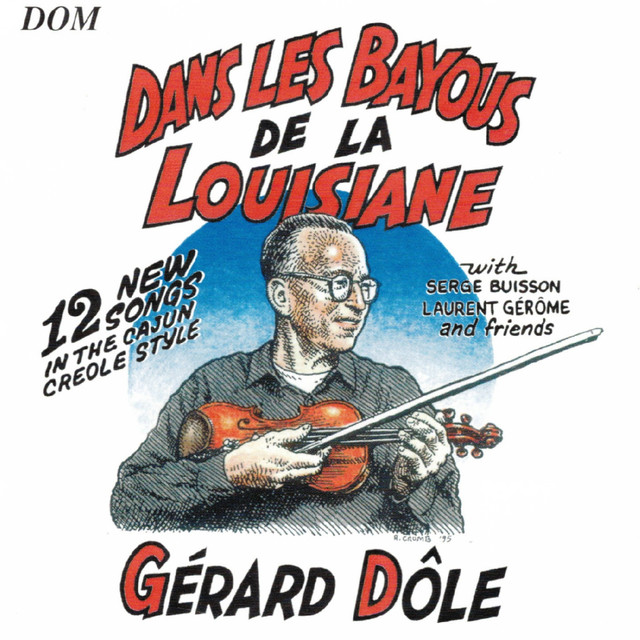
Mechanical Parlor Organ - Organina Thibouville
Gérard Dôle
Parlour Music
Musette
Mechanical Music
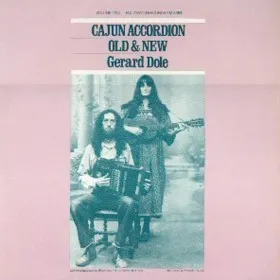
Cajun Accordion Old & New
Gérard Dôle
Traditional Cajun Music
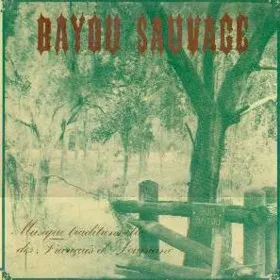
Bayou sauvage : Musique traditionnelle des Français de Louisiane
Gérard Dôle
Traditional Cajun Music
Similar artists
2
/5
The Balfa Brothers
Cajun
Cajun Music
Traditional Cajun Music
1
/5
D.L. Menard
Cajun
Traditional Cajun Music
Cajun Music
1
/5
Dewey Balfa
Cajun
Traditional Cajun Music
Zydeco
1
/5
Magnolia Sisters
Traditional Cajun Music
Cajun
Traditional Music
2
/5
Wayne Toups
Bosstown Sound
Cajun
Zydeco
2
/5
Steve Riley
Cajun
Zydeco
Traditional Cajun Music
1
/5
Lost Bayou Ramblers
Cajun
Zydeco
Cajun Music
1
/5
Nathan Abshire
Cajun
Cajun Music
Swamp Blues
1
/5
Dennis McGee
Cajun
Country Blues
Zydeco
1
/5
Balfa Toujours
Cajun
Zydeco
Traditional Cajun Music
Download our mobile app
Get the Melodigging app and start digging for new genres on the go
Download on the App Store
Get it on Google Play
© 2026 Melodigging
Give feedback
Legal
Melodding was created as a tribute to
Every Noise at Once
, which inspired us to help curious minds keep digging into music's ever-evolving genres.