Genres
Artists
Albums
Make Music
Sign in
Sign in
Artists
Bosstown Sound
Artists
Bosstown Sound
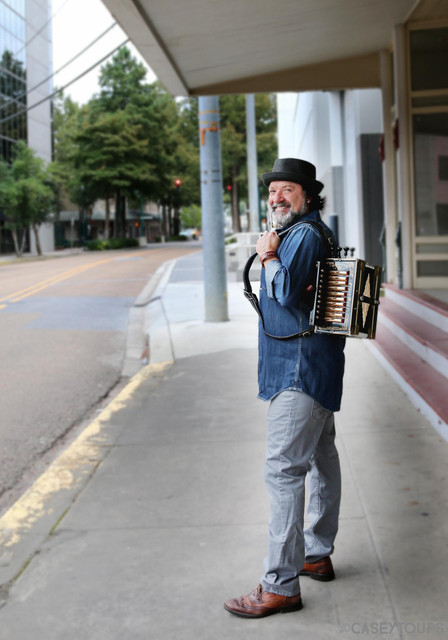
Wayne Toups
1985–2023
·
9 albums
Listen
2
/5
Genres
Bosstown Sound
The Bosstown Sound was a late‑1960s, Boston‑centered wave of studio‑polished psychedelic rock and pop that was promoted as an East Coast counterpart to the San Francisco Sound. Musically, it blended folk‑rock, garage grit, and blues‑rock foundations with baroque‑pop orchestration, lush harmonies, and period studio effects (phasing, tape echo, heavy reverb). Compared with the jam‑heavy West Coast bands, Bosstown groups tended to favor tighter song structures, melodic hooks, and arranged textures. Although remembered as a marketing label coined and amplified by record companies (notably MGM) and producer‑arranger Alan Lorber, the records themselves form a distinct snapshot of urban, orchestrated psychedelia with a slightly melancholic, literate East Coast sensibility.
Discover
Listen
Zydeco
Zydeco is a high-energy dance music of the Louisiana Creole community that blends Creole and Cajun traditions with blues, rhythm & blues, boogie‑woogie, and rock and roll. It is distinguished by its driving accordion leads, the metallic scrape of the vest washboard (frottoir), and a tight rhythm section built for two-steps and shuffles. Typically sung in English and Louisiana Creole French (and sometimes in Louisiana French), zydeco features call-and-response hooks, blue notes, and earthy storytelling about love, work, celebration, and community life. Modern bands often add electric guitar, bass, and drum kit, while some retain more traditional button or piano accordion textures. The result is a propulsive, joyful sound designed for packed dance floors.
Discover
Listen
Folk
Folk is a song-centered acoustic tradition rooted in community storytelling, everyday life, and social history. It emphasizes clear melodies, simple harmonies, and lyrics that foreground narrative, protest, and personal testimony. As a modern recorded genre, folk coalesced in the early-to-mid 20th century in the United States out of older ballad, work song, and rural dance traditions. It typically features acoustic instruments (guitar, banjo, fiddle, mandolin, harmonica), strophic song forms, and participatory singing (choruses, call-and-response).
Discover
Listen
Cajun
Cajun is the dance-driven traditional music of the Francophone Cajuns of south Louisiana, characterized by driving two-steps, lonesome waltzes, and heartfelt, often nasal-tinged vocals sung in Cajun French and English. Its core sound blends button accordion and fiddle, propelled by guitar, bass, and the metallic pulse of the triangle (tit-fer). Built for social dancing in packed halls, the music emphasizes strong melodic hooks, call-and-response refrains, and sturdy rhythms. Repertoires include up-tempo two-steps in duple meter and lyrical waltzes in triple meter, with instrumental breaks that showcase the accordion’s bellows phrasing and the fiddle’s double-stops and slides. Over time, Cajun incorporated elements from country, blues, and swing while retaining a distinct regional identity.
Discover
Listen
Cajun Music
Cajun music is the traditional dance and song tradition of the French-speaking Cajuns of southwest Louisiana. It is typically driven by diatonic button accordion and fiddle, supported by guitar, triangle (tit-fer), and, in modern bands, bass, drums, and steel guitar. The repertoire centers on lively two-steps in 4/4 and tender waltzes in 3/4, with melodies that lean on major and mixolydian modes, blue notes, and fiddle double-stops. Vocals—often in Cajun French—carry themes of love, loss, home, and community, delivered with a nasal, emotive timbre. The overall feel is simultaneously earthy, communal, and irresistibly danceable.
Discover
Listen
Traditional Cajun Music
Traditional Cajun music is the earliest and most "pure" form of Cajun music to take shape in south Louisiana. It is a rural, dance‑driven style centered on two core dance types—lively two‑steps in duple meter and lilting waltzes in triple meter. The sound is led by fiddle and (later) one‑row diatonic accordion, with the triangle (tit-fer) marking time. Fiddle parts typically feature frequent double stops, drones, and parallel harmonies, giving the music its rich, reedy sonority and strong rhythmic drive. Melodies often sit in major, Mixolydian, or Dorian flavors, and lyrics are sung in Cajun French, telling stories of love, family, work, and community life. Arrangements are spare but propulsive: strophic songs, call‑and‑response refrains, and unison singing are common. Guitars provide strummed backbeats and bass runs, the triangle locks the groove, and twin fiddles or fiddle‑accordion pairings weave earthy counterlines perfect for the dance floor.
Discover
Listen
Albums
2023
1
/5
Live from the 2023 Sandy Beaches Cruise
Wayne Toups
Bosstown Sound
2016
1
/5
Wayne Toups
Wayne Toups
Bosstown Sound
2011
1
/5
The Band Courtbouillon
The Band Courtbouillon, Wayne Toups, Steve Riley & Wilson Savoy
Traditional Cajun Music
2004
2
/5
Whoever Said It Was Easy
Wayne Toups
Bosstown Sound
1998
2
/5
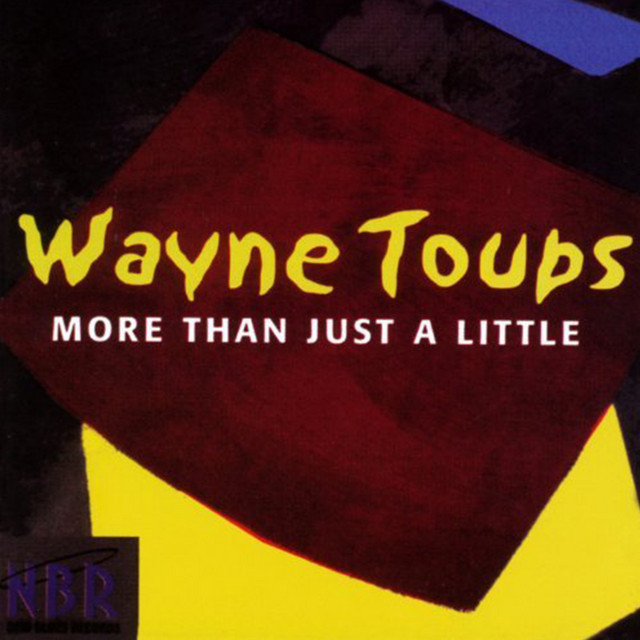
More Than Just a Little
Wayne Toups
Bosstown Sound
1997
2
/5
Toups: The New Blues Sessions
Wayne Toups
Bosstown Sound
1990
1
/5
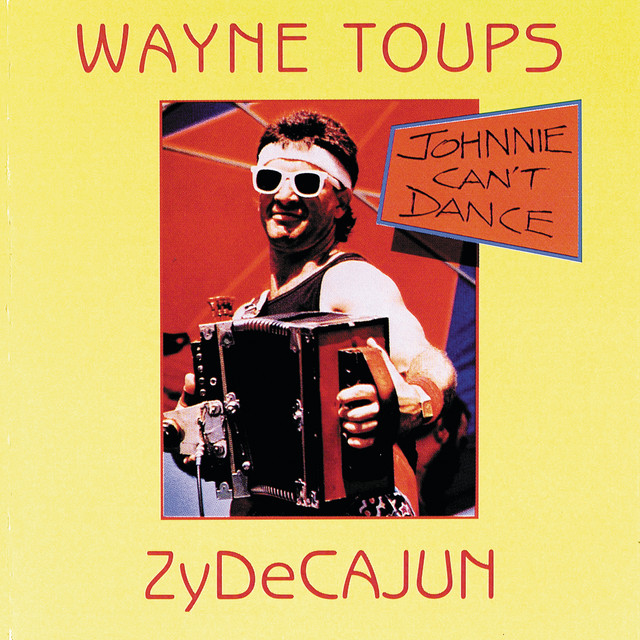
Johnnie Can't Dance
Wayne Toups
Bosstown Sound
1989
3
/5
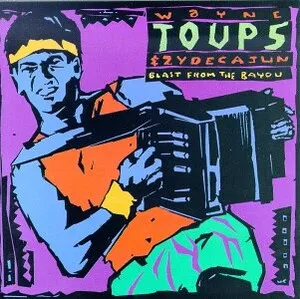
Blast From the Bayou
Wayne Toups & Zydecajun
Cajun Music
Zydeco
Cajun
1985
2
/5
Zydecajun
Wayne Toups
Bosstown Sound
Cajun
Folk
Similar artists
2
/5
The Balfa Brothers
Cajun
Cajun Music
Traditional Cajun Music
1
/5
D.L. Menard
Cajun
Traditional Cajun Music
Cajun Music
1
/5
Nathan Abshire
Cajun
Cajun Music
Swamp Blues
1
/5
Lost Bayou Ramblers
Cajun
Zydeco
Cajun Music
1
/5
Dewey Balfa
Cajun
Traditional Cajun Music
Zydeco
1
/5
Eddie LeJeune
Cajun
Zydeco
Cajun Music
1
/5
Various Artists
Afro-Funk
Alternative Rock
Ambient
2
/5
Aly Bain
Celtic
Folk
Cajun
2
/5
Steve Riley
Cajun
Zydeco
Traditional Cajun Music
1
/5
Dennis McGee
Cajun
Country Blues
Zydeco
Download our mobile app
Get the Melodigging app and start digging for new genres on the go
Download on the App Store
Get it on Google Play
© 2026 Melodigging
Give feedback
Legal
Melodding was created as a tribute to
Every Noise at Once
, which inspired us to help curious minds keep digging into music's ever-evolving genres.