Your digging level
Description
Traditional Cajun music is the earliest and most "pure" form of Cajun music to take shape in south Louisiana. It is a rural, dance‑driven style centered on two core dance types—lively two‑steps in duple meter and lilting waltzes in triple meter.
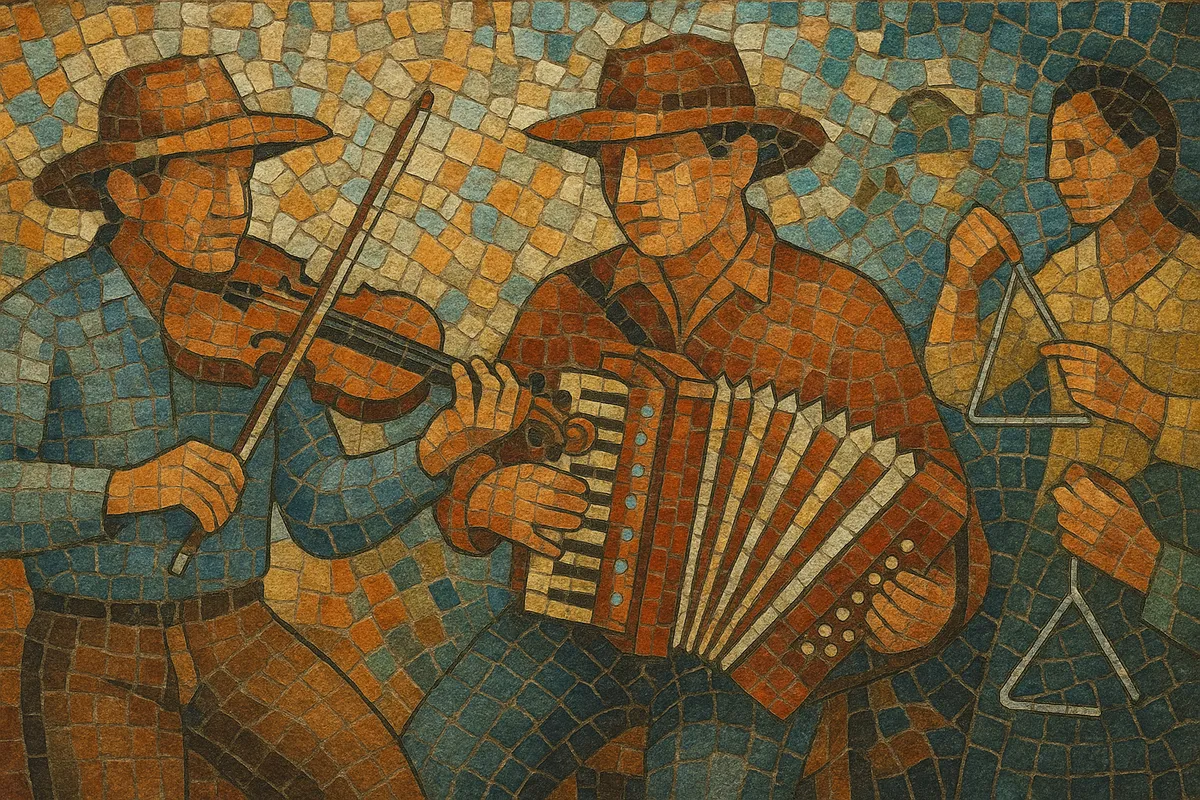
The sound is led by fiddle and (later) one‑row diatonic accordion, with the triangle (tit-fer) marking time. Fiddle parts typically feature frequent double stops, drones, and parallel harmonies, giving the music its rich, reedy sonority and strong rhythmic drive. Melodies often sit in major, Mixolydian, or Dorian flavors, and lyrics are sung in Cajun French, telling stories of love, family, work, and community life.
Arrangements are spare but propulsive: strophic songs, call‑and‑response refrains, and unison singing are common. Guitars provide strummed backbeats and bass runs, the triangle locks the groove, and twin fiddles or fiddle‑accordion pairings weave earthy counterlines perfect for the dance floor.
History
Cajun music grew from the songs and dance tunes of Acadian exiles who settled in south Louisiana in the late 1700s. Their French ballads and instrumental dance repertoire intermingled with neighboring Scots‑Irish and other settler fiddling, Caribbean and African rhythmic sensibilities, and regional American country blues to form a distinct local tradition.
By the late 19th century the style coalesced around house dances and fais‑do‑dos. The earliest ensembles were often just one or two fiddles and triangle. German‑made one‑row diatonic accordions—imported into Louisiana in the late 1800s—were eagerly adopted and soon became a Cajun hallmark alongside twin fiddles.
The recording era fixed the sound of traditional Cajun music. In 1928 Joe Falcon & Cleoma Breaux cut “Allons à Lafayette,” widely cited as the first Cajun commercial recording. Fiddlers Dennis McGee and Sady Courville documented twin‑fiddle two‑steps and waltzes with abundant double stops and drones, while Amédé Ardoin’s soulful accordion‑led sides shaped melodic and lyrical archetypes still heard today.
Anglicization pressures (including English‑only school policies) and the popularity of Western swing and honky‑tonk nudged some bands toward modernized sounds. Yet traditional dance sets endured in rural dancehalls. Iry LeJeune’s postwar recordings helped restore the prominence of the one‑row accordion and reaffirm the classic Cajun waltz/two‑step format.
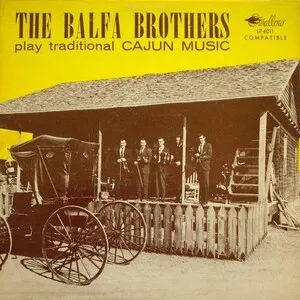
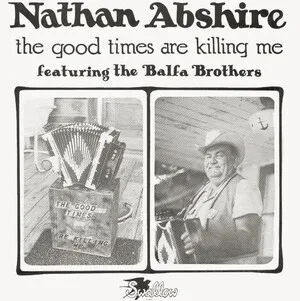
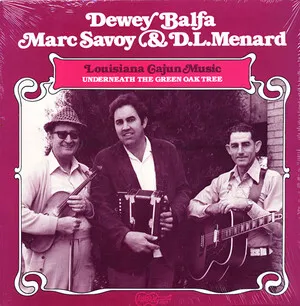
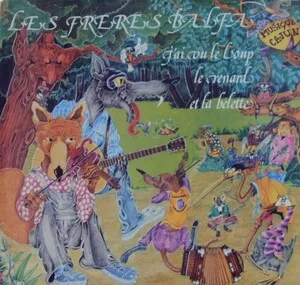
Appearances by Dewey Balfa and the Balfa Brothers at the 1964 Newport Folk Festival catalyzed a prideful revival. Festivals Acadiens et Créoles (from 1974), community jam sessions, and local labels sustained a living tradition. Artisan accordion makers such as Marc Savoy, and groups like the Savoy family bands, balanced faithful repertoire with intergenerational transmission, keeping traditional Cajun music vital on dance floors and porches across Acadiana.