Your digging level
Description
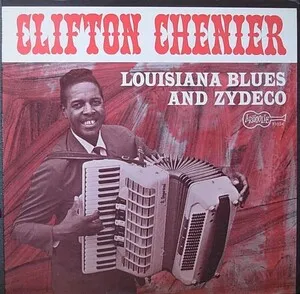
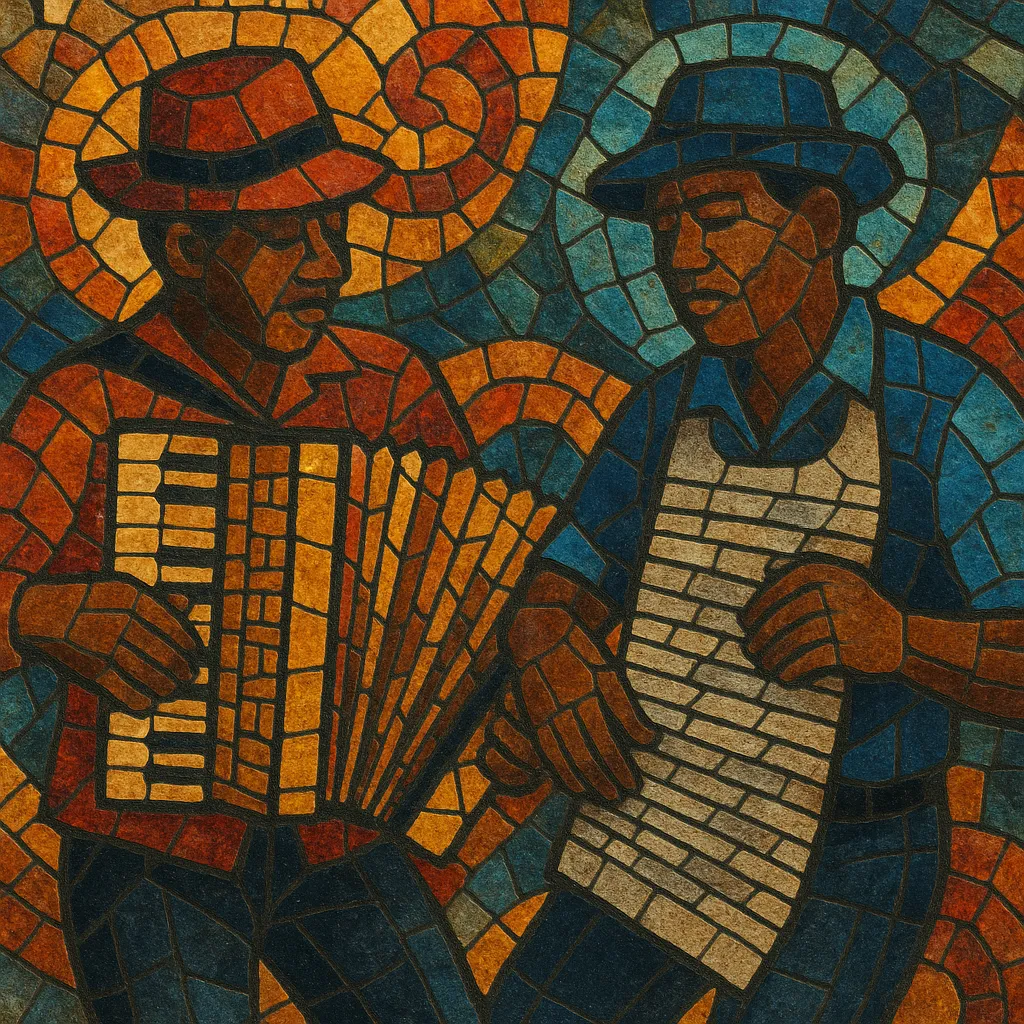
Zydeco is a high-energy dance music of the Louisiana Creole community that blends Creole and Cajun traditions with blues, rhythm & blues, boogie‑woogie, and rock and roll. It is distinguished by its driving accordion leads, the metallic scrape of the vest washboard (frottoir), and a tight rhythm section built for two-steps and shuffles.
Typically sung in English and Louisiana Creole French (and sometimes in Louisiana French), zydeco features call-and-response hooks, blue notes, and earthy storytelling about love, work, celebration, and community life. Modern bands often add electric guitar, bass, and drum kit, while some retain more traditional button or piano accordion textures. The result is a propulsive, joyful sound designed for packed dance floors.
History
Zydeco arose from the social dance music of Black Creoles in rural southwest Louisiana and southeast Texas. Early Creole "la‑la" house parties and trail rides mixed fiddle and accordion tunes with blues feeling and French Creole lyrics. Artists like Amédé Ardoin helped codify a Creole accordion style that foreshadowed zydeco’s melodic language and emotive singing.
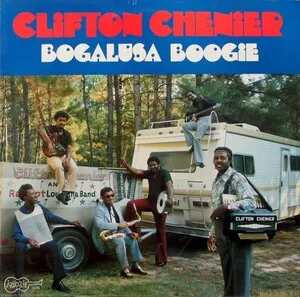
By the 1950s, Clifton Chenier synthesized Creole dance music with rhythm & blues, boogie‑woogie, and rock and roll, popularizing a harder, urbanized sound. He and his brother Cleveland helped popularize the metal vest washboard (frottoir), which became zydeco’s signature percussion. The term "zydeco" (often linked to the Creole French phrase "les haricots ne sont pas salés") entered wider use as the music spread from rural dances to clubs and records.
Independent labels (notably Arhoolie) documented the scene, while touring and festivals carried zydeco far beyond Louisiana. Key bandleaders—Boozoo Chavis, Rockin’ Dopsie, Queen Ida, and later Buckwheat Zydeco—brought amplified accordion, electric guitar, and driving drum grooves to rock, blues, and festival audiences. The period also saw stylistic branches: blues‑leaning zydeco, more traditional button‑accordion styles, and funk‑tinged or R&B‑infused variants.
Modern leaders such as Beau Jocque (in the 1990s), Geno Delafose, Terrance Simien, C.J. Chenier, and Nathan Williams (Nathan & the Zydeco Cha Chas) maintain tradition while embracing contemporary production, funk backbeats, and crossover collaboration. Zydeco thrives at Louisiana trail rides, dance halls, and international festivals, remaining a living community music centered on dance and celebration.