Genres
Artists
Albums
Make Music
Sign in
Sign in
Artists
Chanson Française
Artists
Chanson Française
Georges Delerue
1961–2006
·
2 albums
Listen
2
/5
Genres
Cinematic Classical
Cinematic classical is a contemporary stream of concert and media-oriented composition that merges classical orchestration with the pacing, narrative arcs, and textural sound design of film music. Typically centered on piano and strings, it favors slow-moving harmonies, ostinatos, spacious reverb, and emotive, diatonic melodies that build in dynamic intensity. Many works adopt a minimalist or post-minimalist vocabulary—repetition, gradual change, and clear tonal centers—while incorporating modern production techniques (felt piano, tape saturation, synth pads, subtle pulses) to achieve a widescreen, evocative sound. The style thrives both in standalone albums and in sync contexts (film, TV, trailers), where self-contained “cues” develop clear arcs—intro, build, climax, release—designed to support visual storytelling without sacrificing musical integrity.
Discover
Listen
Chanson Française
Chanson française is a lyric-centered French song tradition in which the expressiveness, prosody, and storytelling of the French language take priority over virtuosic vocal display. Melodies tend to be memorable yet restrained, arranged to support the text rather than overshadow it. Historically linked to Parisian cabarets, music halls, and the café-concert circuit, the style embraces topics ranging from love and everyday life to social satire and political commentary. Typical accompaniments include guitar, accordion, piano, and small orchestras, with arrangements that can range from intimate to lush. Performance is as much about interpretation and diction as it is about singing, often favoring conversational phrasing and dramatic nuance.
Discover
Listen
Classic Soundtrack
Classic soundtrack refers to the orchestral film-scoring tradition of the Golden and early Silver Ages of cinema, roughly from the 1930s through the 1960s. It is characterized by lush symphonic writing, leitmotivic themes for characters and settings, and dramatic, film-synchronized orchestration that mirrors on-screen emotion and action. Drawing on late-Romantic and early 20th‑century classical idioms, classic soundtracks favor sweeping strings, bold brass fanfares, expressive woodwinds, harp and celesta color, and a percussion palette ranging from timpani to snare drum and cymbals. Harmony often blends chromatic late-Romantic language, impressionistic color, and occasional jazz inflections (particularly in noir and urban dramas). The result is a richly thematic, narrative-driven musical style that shaped the sonic identity of cinema for decades.
Discover
Listen
Soundtrack
Soundtrack is music created to accompany and enhance visual media such as film, television, and video games. It includes original scores (instrumental or vocal music composed specifically for the picture) and, at times, curated compilations of pre-existing songs. Stylistically, soundtrack is a meta-genre that can encompass orchestral symphonic writing, jazz, electronic and synth-driven textures, choral forces, popular song, and experimental sound design. Its defining trait is functional storytelling: themes, motifs, harmony, rhythm, and timbre are shaped by narrative needs, character psychology, pacing, and editing. Common features include leitmotifs for characters or ideas, modular cues that can be edited to picture, dynamic orchestration for dramatic range, and production approaches that sit well under dialogue and sound effects. Because it must synchronize to picture, soundtrack often uses clear dramatic arcs, tempo maps, and hit points.
Discover
Listen
Quatuor A Cordes
“Quatuor à cordes” (string quartet) is the cornerstone chamber ensemble of the Classical tradition, scored for two violins, viola, and cello. It balances four independent voices in a conversational texture, making it an ideal vehicle for counterpoint, motivic development, and structural clarity. From the refinement of the Classical style to the expressive innovations of the 20th century and beyond, the string quartet has served as a laboratory for compositional ideas, intimate expression, and formal experimentation.
Discover
Listen
Classical
Classical music is the notated art-music tradition of Europe and its global descendants, characterized by durable forms, carefully codified harmony and counterpoint, and a literate score-based practice. The term “classical” can refer broadly to the entire Western art-music lineage from the Medieval era to today, not just the Classical period (c. 1750s–1820s). It privileges long-form structures (such as symphonies, sonatas, concertos, masses, and operas), functional or modal harmony, thematic development, and timbral nuance across ensembles ranging from solo instruments to full orchestras and choirs. Across centuries, the style evolved from chant and modal polyphony to tonal harmony, and later to post-tonal idioms, while maintaining a shared emphasis on written notation, performance practice, and craft.
Discover
Listen
Albums
2006
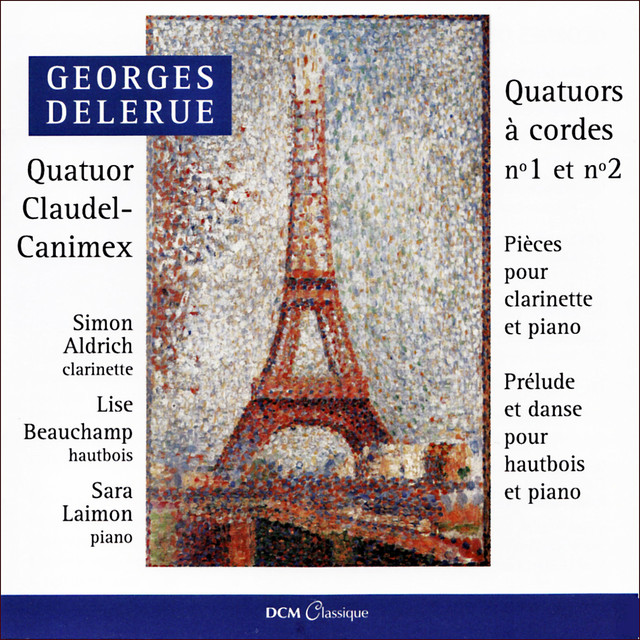
Georges Delerue: Quatuors à cordes No. 1 et No. 2
Georges Delerue, Simon Aldrich, Lise Beauchamp, Sara Laimon, Quatuor Claudel-Ca…
Quatuor A Cordes
1961
Jules & Jim (Original Motion Picture Soundtrack)
Georges Delerue
Classic Soundtrack
Similar artists
3
/5
William Sheller
Chanson Française
French House
French Pop
4
/5
Ennio Morricone
Cinematic Classical
Soundtrack
Austro-German Modernism
3
/5
Bernard Herrmann
Classic Soundtrack
Score
Cinematic Classical
3
/5
Nicole Croisille
Yé-Yé
Chanson Française
Classic Soundtrack
3
/5
Fabrizio De André
Rock
Canzone D'autore
Pop
3
/5
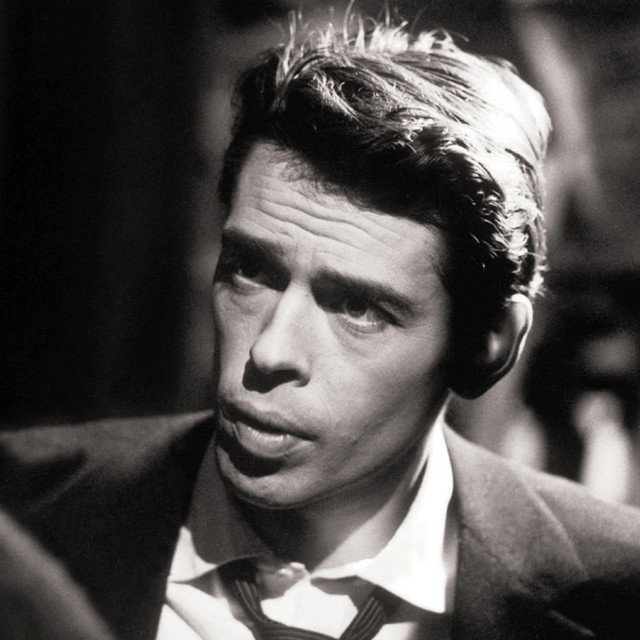
Jacques Brel
Chanson Française
Chanson À Texte
Pop
2
/5
Juliette
Chanson Française
Classical
Early Avant Garde
4
/5
Wolfgang Amadeus Mozart
Classical
Requiem
Classical Period
4
/5
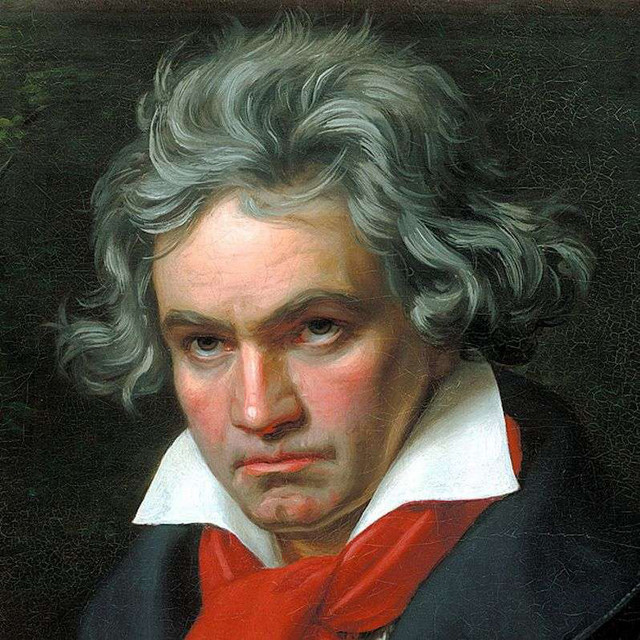
Ludwig van Beethoven
Classical
Classical Period
Romantic Classical
4
/5
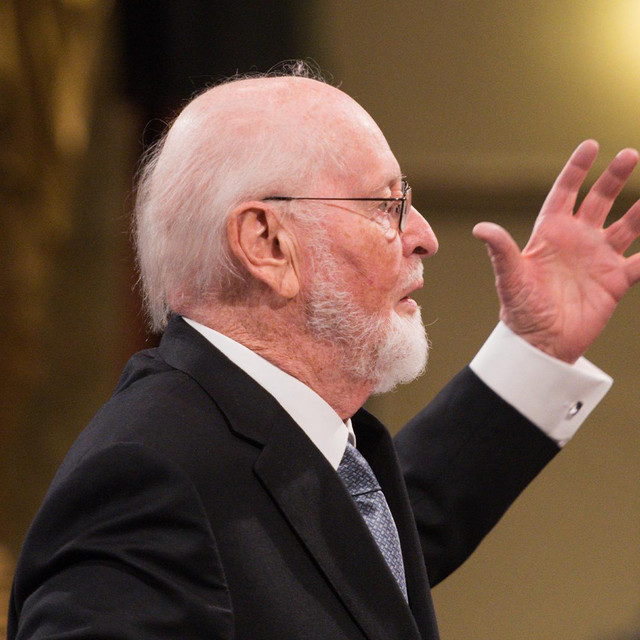
John Williams
Soundtrack
Classical
Orchestral
Download our mobile app
Get the Melodigging app and start digging for new genres on the go
Download on the App Store
Get it on Google Play
© 2026 Melodigging
Give feedback
Legal
Melodding was created as a tribute to
Every Noise at Once
, which inspired us to help curious minds keep digging into music's ever-evolving genres.