Genres
Artists
Albums
Make Music
Sign in
Sign in
Artists
Art Rock
Artists
Art Rock
Geordie Greep
2024
·
1 album
Listen
3
/5
Genres
Windmill Scene
The Windmill scene refers to the cluster of experimental indie, post‑punk, and art‑rock bands that coalesced around The Windmill pub venue in Brixton, South London. Emerging in the late 2010s, the scene is characterized by knotty rhythms, angular guitars, spoken‑sung or declamatory vocals, and frequent use of saxophone, violin, and synths. Bands associated with the scene blend post‑punk urgency with avant‑prog ambition, no wave abrasion, and jazz-informed spontaneity, often favoring raw, live‑in‑the‑room production aesthetics. Lyrically, the scene leans toward sardonic social observation, surreal storytelling, and metropolitan anxiety, while performances emphasize high energy, improvisational turns, and dynamic contrasts.
Discover
Listen
Black Midi
Black MIDI is an internet-born style of arranging in which composers pack hundreds of thousands to millions of MIDI note events into a single piece, producing piano-roll visuals that look nearly solid black and audio textures that range from shimmering swarms to overwhelming walls of sound. It emerged from otaku/game-music and anime cover communities, first gaining traction on Japanese platforms before spreading globally. Although the note density is extreme, black MIDI arrangements typically preserve a recognizable melody, then surround it with rapid ostinati, dense arpeggios, massive cluster chords, hyperactive drum programming, and wide dynamic/tempo automation. Pieces are designed primarily for virtual performance and visualizers (e.g., Synthesia/Piano From Above), showcasing computational and arranging virtuosity rather than traditional live playability. The aesthetic blends the harmonic/melodic DNA of the source tunes (often J-pop, anime, and video-game music) with the intensity and speed of breakcore/speedcore and the precision of classical piano transcription—turning the MIDI format itself into a spectacle.
Discover
Listen
Art Rock
Art rock is a branch of rock music that treats the studio and the album as spaces for artistic experimentation, emphasizing conceptual ideas, ambitious arrangements, and cross-pollination with modernist and avant-garde traditions. It typically favors extended song forms, thematic or conceptual unity, and non-standard instrumentation (strings, woodwinds, synthesizers) alongside rock’s core band setup. Lyrically, it leans toward literary, surreal, or philosophical subjects and often adopts theatrical presentation. Where mainstream rock centers on immediacy and hooks, art rock embraces risk: unusual time signatures, timbral exploration, complex harmony, tape and electronic manipulation, and interludes that draw from classical, jazz, minimalism, and experimental music.
Discover
Listen
Jazz Rock
Jazz rock is a hybrid style that merges the improvisational language and harmonic richness of jazz with the amplified energy, backbeat, and song forms of rock. It typically features electric guitar, bass, and drums alongside jazz-oriented instruments such as saxophone, trumpet, and keyboards, often arranged in horn sections. Extended chords, syncopation, and improvisation coexist with catchy riffs and driving grooves, yielding music that is both virtuosic and accessible. While closely related to jazz fusion, jazz rock generally keeps a stronger tie to rock songcraft and backbeat-centered rhythms.
Discover
Listen
Progressive Rock
Progressive rock is a rock subgenre that expands the genre’s formal, harmonic, and conceptual boundaries. It favors long-form compositions, intricate arrangements, and virtuosic musicianship, often drawing on Western classical, jazz, folk, and psychedelic idioms. Typical hallmarks include multi-part suites, shifting time signatures, extended instrumental passages, recurring motifs, and concept albums that present unified themes or narratives. The sound palette commonly features electric guitar, bass, and drums alongside an array of keyboards (Hammond organ, Mellotron, Moog/ARP synthesizers, piano), woodwinds or brass, and occasional orchestral additions. Lyrics often explore science fiction, mythology, philosophy, social commentary, and introspective themes.
Discover
Listen
Scenes & Movements
“Scenes & movements” is not a single musical style but a meta‑category used by historians, critics, and discographers to group releases and artists that cohere around a place, community, manifesto, press‑coined wave, or shared infrastructure (venues, labels, fanzines, studios, aesthetics). Examples include geographically rooted clusters (Merseybeat in Liverpool, CBGB punk in New York, Madchester in Manchester), ideational collectives (Rock in Opposition across the UK/Europe), press‑named waves (No Wave, C86), and label‑centric families (Elephant 6 in the U.S.). These scenes frequently develop recognizable sonic traits, visual codes, and production practices—yet what binds them first is social ecology and self‑identification rather than a strict set of musical parameters.
Discover
Listen
Albums
2024
3
/5
The New Sound
Geordie Greep
Jazz Rock
Windmill Scene
Progressive Rock
Similar artists
3
/5
Maruja
Post-Rock
Post-Punk
Art Rock
3
/5
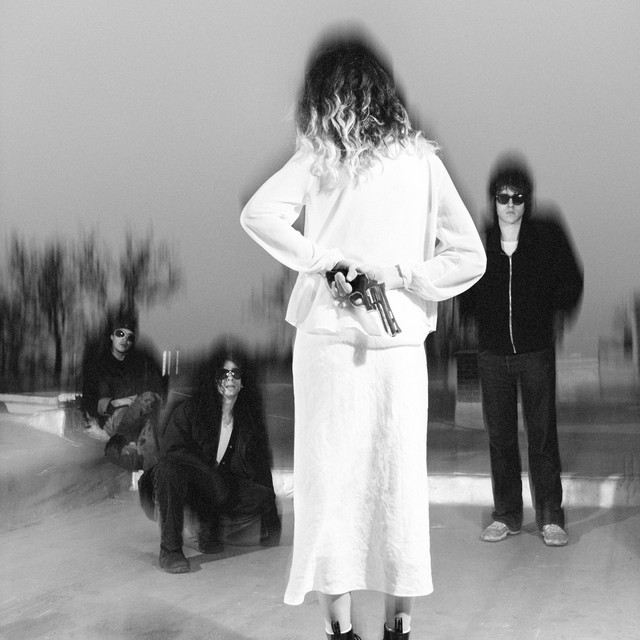
black midi
Windmill Scene
Math Rock
Noise Rock
3
/5
betcover!!
Indie Dream Pop
Indie Shoegaze
Windmill Scene
4
/5
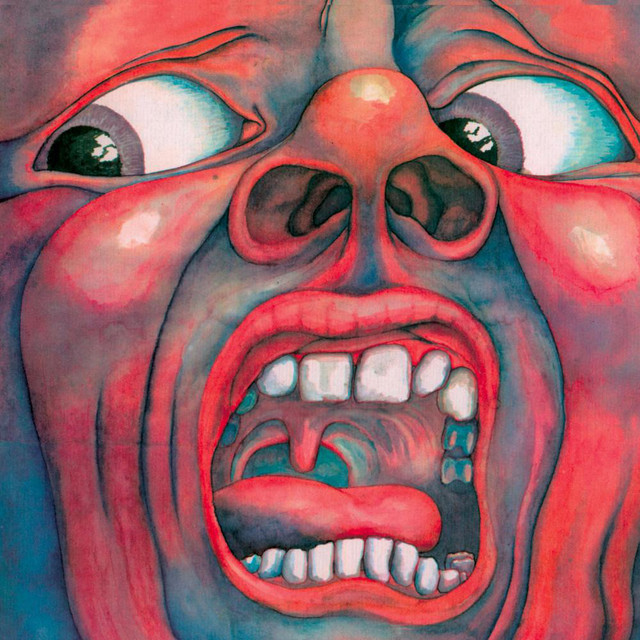
King Crimson
Art Rock
Jazz Rock
Progressive Rock
3
/5
Frank Zappa
Jazz Rock
Progressive Rock
Avant-Garde
4
/5
Geese
Art Rock
Crank Wave
Indie Rock
3
/5
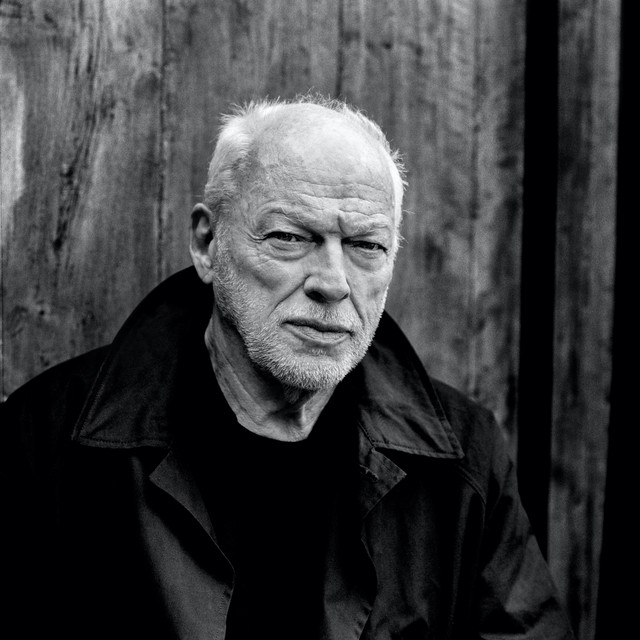
David Gilmour
Art Rock
Symphonic Rock
Chill Pop
3
/5
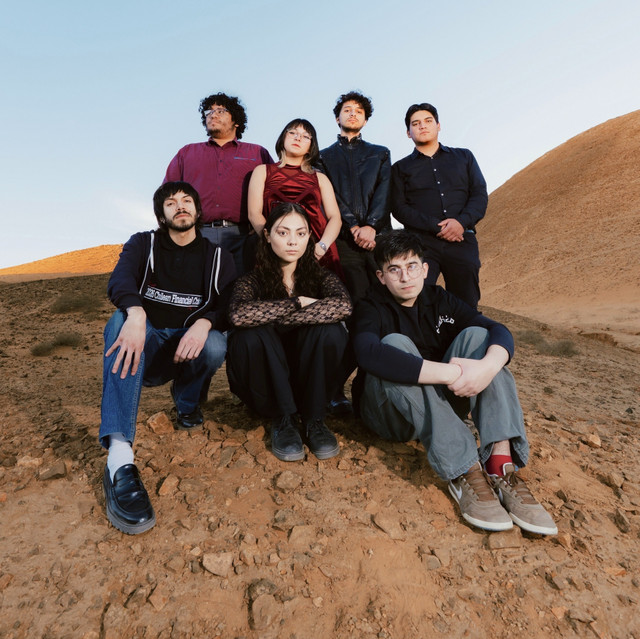
Candelabro
Art Rock
Latin Indie
Windmill Scene
2
/5
Magma
Progressive Rock
Avant-Prog
Rock
2
/5
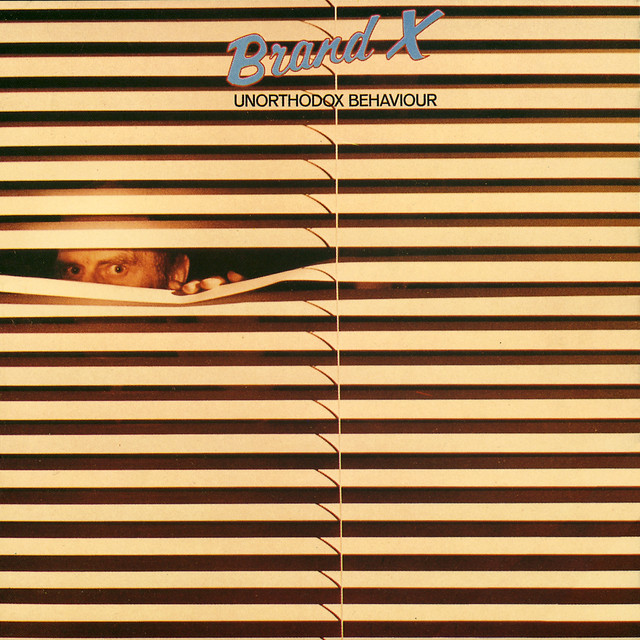
Brand X
Jazz Rock
Art Rock
Jazz Fusion
Download our mobile app
Get the Melodigging app and start digging for new genres on the go
Download on the App Store
Get it on Google Play
© 2026 Melodigging
Give feedback
Legal
Melodding was created as a tribute to
Every Noise at Once
, which inspired us to help curious minds keep digging into music's ever-evolving genres.