Genres
Artists
Albums
Make Music
Sign in
Sign in
Artists
New Wave
Artists
New Wave
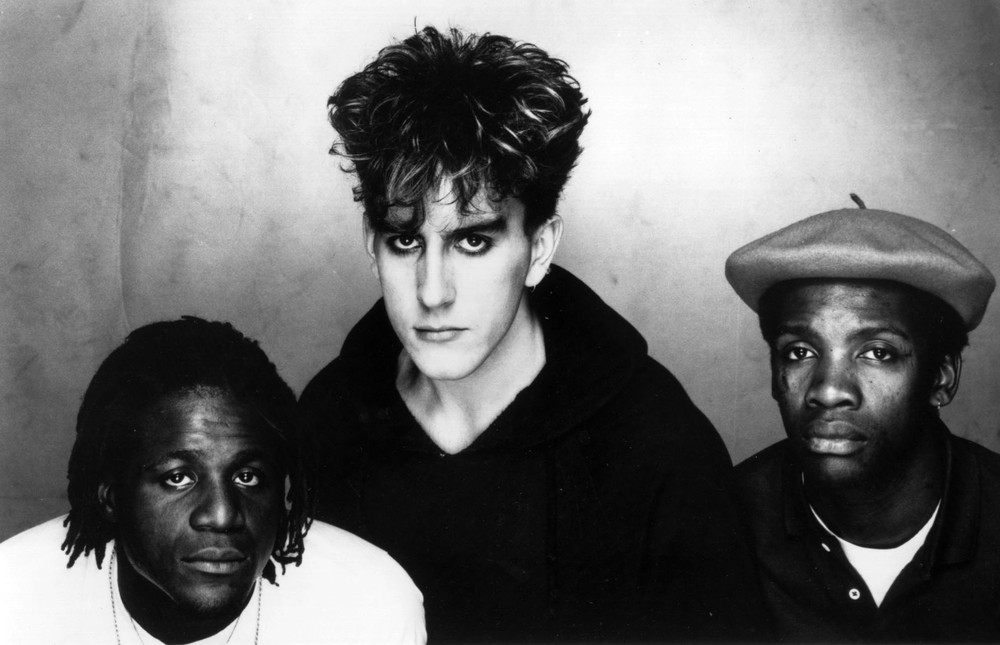
Fun Boy Three
1983
·
1 album
Listen
3
/5
Genres
Popwave
Popwave is a song‑forward branch of synthwave that fuses glossy 1980s pop aesthetics with contemporary electronic production. Where classic synthwave often favors instrumental, cinematic moods, popwave puts vocals and hooks at the center: big choruses, radio‑ready structures, and emotive lyrics about youth, night drives, neon‑lit romance, and bittersweet nostalgia. Sonically it leans on analog‑styled polysynths, driving eighth‑note basslines, gated‑reverb drums, shimmering guitars, and frequent sax or lead‑guitar cameos—yet it’s mixed and mastered to modern pop standards. The result is a style that feels simultaneously retro and current: the color and optimism of 80s chart pop, filtered through the songwriting discipline of today’s electropop and the sound design DNA of synthwave.
Discover
Listen
New Pop
New Pop is a UK-led early‑1980s movement in which post‑punk and new wave artists embraced chart ambition, hook‑forward songwriting, and glossy studio production without abandoning modernist sensibilities. It fuses danceable rhythms (often disco‑derived), synth-driven textures, clean guitar, and soul/funk inflections with memorable choruses and sharp, fashion‑conscious presentation—perfectly adapted to the emerging MTV era. Compared with raw punk and austere post‑punk, New Pop emphasizes sophistication, melody, and studio sheen while keeping an art‑school edge. The term was used by critics to describe the shift of adventurous late‑’70s musicians toward mainstream pop forms, defining much of the UK’s early‑to‑mid‑’80s singles landscape.
Discover
Listen
New Wave
New wave is a broad, pop-oriented umbrella for styles that emerged in the mid-to-late 1970s as a sleeker, more melodic outgrowth of punk culture. Initially, the term varied by region: in the United States it was first used by critics and labels (famously Sire Records’ “Don’t Call It Punk” campaign in 1977) to rebrand punk-associated artists with more radio-friendly aesthetics; in the United Kingdom it encompassed a wider constellation of fresh, stylish post-punk-era sounds. Over time, “new wave” became a catch‑all for hooky guitar pop, synth-driven songs, danceable rhythms, and modernist production sensibilities. Sonically, it blends tight, upbeat rhythms (often disco- and reggae-informed), clean chorus/flanger guitars, prominent synthesizers, and concise, hook-led songwriting. Its visual identity—sharp suits, futurist imagery, and fashion-forward presentation—was integral, aligning with the rise of music television and emphasizing art-school wit, irony, and modern urban themes.
Discover
Listen
Ska
Ska is a Jamaican popular music style characterized by a brisk 4/4 groove, off‑beat guitar or piano upstrokes (the “skank”), walking bass lines, and punchy horn riffs. Emerging in late‑1950s Kingston dancehalls, ska fused local mento and calypso with American rhythm & blues and jazz, creating a lively sound that celebrated independence‑era optimism and street culture. Across time, ska evolved through distinct waves: the original Jamaican ska of the early 1960s, the racially integrated and politically aware 2 Tone movement in late‑1970s Britain, and the third‑wave explosion in the 1990s that blended ska with punk energy around the world.
Discover
Listen
Albums
1983
1
/5
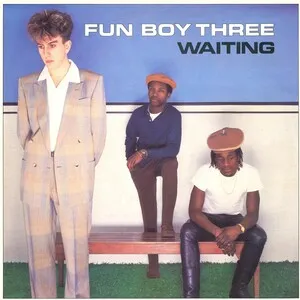
Waiting
Fun Boy Three
New Pop
Similar artists
4
/5
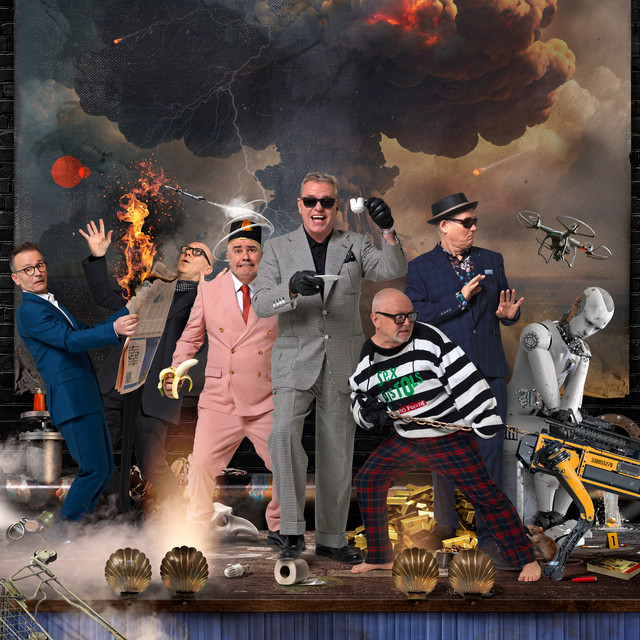
Madness
Ska
2 Tone
New Wave
3
/5
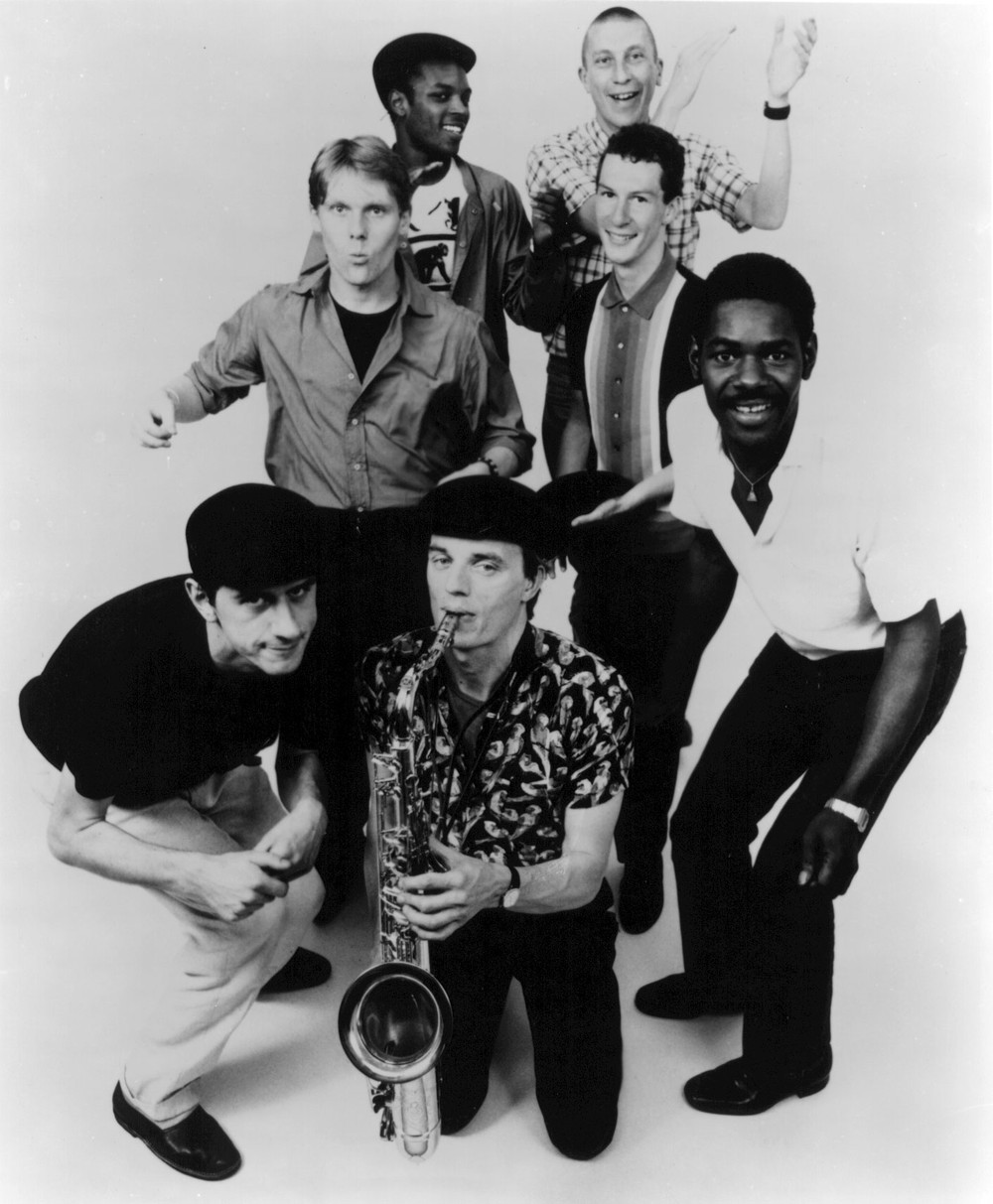
The Beat
Mod Revival
Ska
New Wave
3
/5
The English Beat
Ska
New Wave
2 Tone
1
/5
Various Artists
Afro-Funk
Alternative Rock
Ambient
5
/5
The Cure
Gothic Rock
Post-Punk
New Wave
5
/5
The Police
Rock
Alternative Rock
New Wave
4
/5
Tears For Fears
Sophisti-Pop
New Wave
Synth-Pop
4
/5
Duran Duran
New Romantic
New Wave
Dance-Rock
4
/5
Simple Minds
New Wave
Big Music
Chill Pop
4
/5
The Human League
Sophisti-Pop
Chill Pop
Indie Pop Rap
Download our mobile app
Get the Melodigging app and start digging for new genres on the go
Download on the App Store
Get it on Google Play
© 2026 Melodigging
Give feedback
Legal
Melodding was created as a tribute to
Every Noise at Once
, which inspired us to help curious minds keep digging into music's ever-evolving genres.