Genres
Artists
Albums
Make Music
Sign in
Sign in
Artists
Mod Revival
Artists
Mod Revival
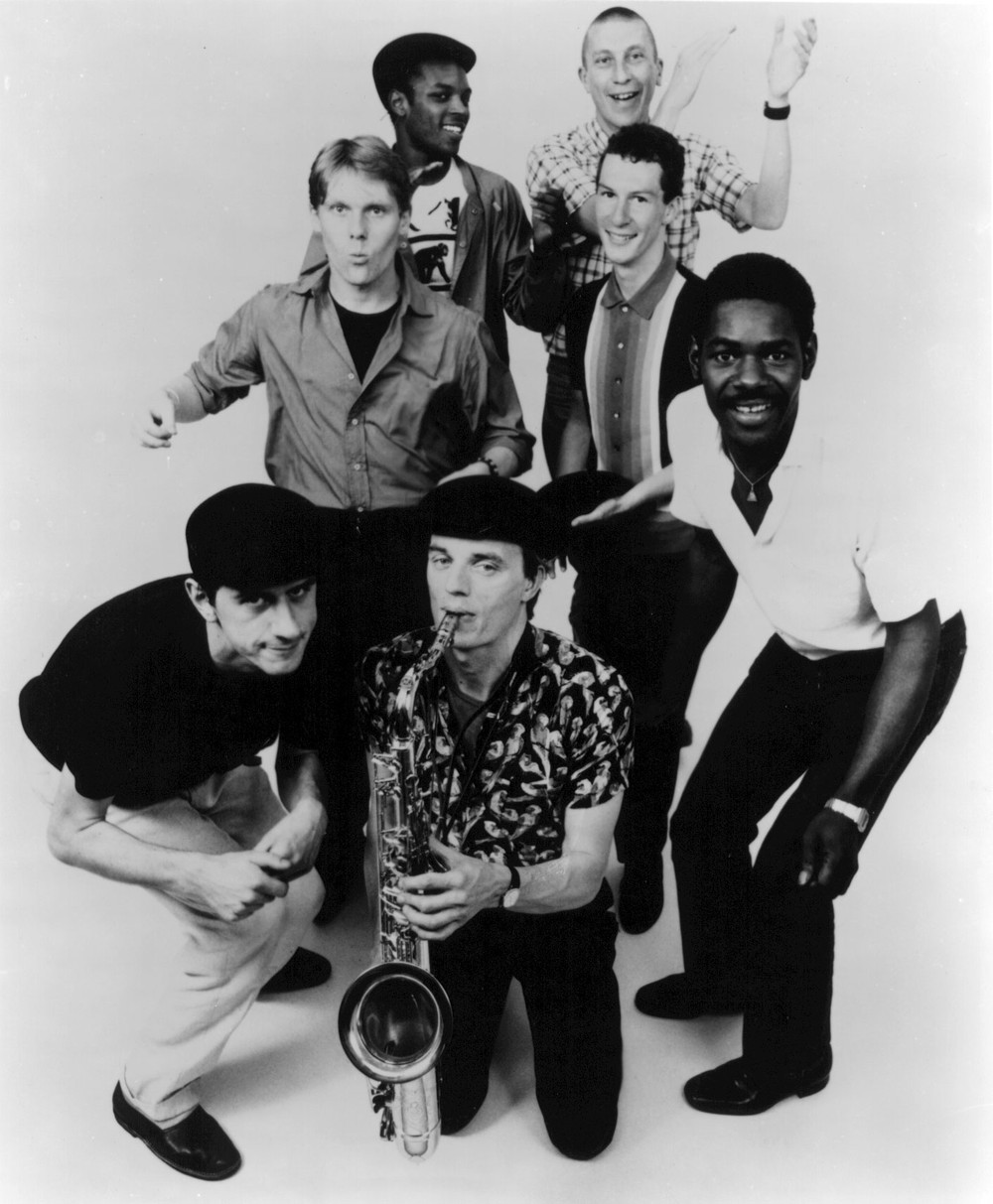
The Beat
1979–2012
·
7 albums
Listen
3
/5
Genres
Ska Punk
Ska punk is a high-energy fusion of Jamaican ska and British/US punk rock. It pairs the off‑beat, upstroke "skank" guitar, walking or bouncy bass lines, and bright horn stabs of ska with punk’s faster tempos, distorted power chords, and shout‑along hooks. Typical songs pivot between laid‑back, syncopated ska grooves and explosive double‑time punk choruses, often featuring gang vocals, call‑and‑response refrains, and mosh‑friendly breakdowns. Lyrically it ranges from wry humor and everyday storytelling to sharp social commentary, all delivered with an upbeat, dance‑floor focus.
Discover
Listen
Mod Revival
Mod revival is a late-1970s to early-1980s British movement that resurrected the sharp style, soul and rhythm & blues tastes, and youth-culture attitude of the 1960s mod scene, but delivered with the urgency of punk and the tuneful sheen of new wave. Musically it blends brisk, guitar-driven power pop with British beat and R&B foundations: tight rhythm sections, crisp downstrokes, catchy two–three-minute songs, and anthemic choruses. Production tends to be clean and punchy—close-miked drums, chiming Rickenbacker guitars through Vox-style amps, occasional Hammond organ or brass stabs, and minimal effects. The scene was inseparable from visuals and lifestyle: tailored suits, parkas, desert boots, scooters, fanzines, and club culture. The 1979 film Quadrophenia helped catalyze the movement’s mainstream moment, while bands like The Jam, Secret Affair, and The Chords brought it to the charts.
Discover
Listen
New Wave
New wave is a broad, pop-oriented umbrella for styles that emerged in the mid-to-late 1970s as a sleeker, more melodic outgrowth of punk culture. Initially, the term varied by region: in the United States it was first used by critics and labels (famously Sire Records’ “Don’t Call It Punk” campaign in 1977) to rebrand punk-associated artists with more radio-friendly aesthetics; in the United Kingdom it encompassed a wider constellation of fresh, stylish post-punk-era sounds. Over time, “new wave” became a catch‑all for hooky guitar pop, synth-driven songs, danceable rhythms, and modernist production sensibilities. Sonically, it blends tight, upbeat rhythms (often disco- and reggae-informed), clean chorus/flanger guitars, prominent synthesizers, and concise, hook-led songwriting. Its visual identity—sharp suits, futurist imagery, and fashion-forward presentation—was integral, aligning with the rise of music television and emphasizing art-school wit, irony, and modern urban themes.
Discover
Listen
2 Tone
2 Tone (often styled Two Tone) is a late-1970s British fusion of first-wave Jamaican ska and rocksteady with the urgency of punk rock and the pop sensibility of new wave. It is fast, tightly arranged, and danceable, featuring off‑beat guitar "skank" upstrokes, melodic basslines, crisp backbeat drumming, stabbing horn riffs, and bright organ/keyboard textures. The genre is notable for its anti-racist stance and multiracial line-ups, with lyrics addressing social issues such as unemployment, urban decay, violence, and youth alienation in late-1970s/early-1980s Britain. Its visual identity—black-and-white checkerboard patterns, sharp suits, pork pie hats, and the iconic Walt Jabsco logo—symbolized racial unity and became a hallmark of the movement. Musically, 2 Tone keeps the rhythmic buoyancy of ska while tightening song structures and lifting tempos, often using minor keys and brisk grooves that balance exuberant energy with a tense, street‑level edge.
Discover
Listen
Rocksteady
Rocksteady is a Jamaican popular music style that emerged in the mid‑1960s as a slowed‑down, more soulful successor to ska and the direct precursor to reggae. It retains ska’s off‑beat guitar/piano "skank" but lowers the tempo, brings the bass to the foreground, and favors expressive vocal harmonies. Typically recorded by small studio bands with guitar, electric bass, drums, piano/organ, and occasional horns, rocksteady emphasizes melodic, inventive basslines, tight rhythm guitar, rimshot/side‑stick drums, and sparse horn figures. Lyrically it ranges from tender love songs and yearning ballads to rude‑boy narratives and social commentary. Its concise arrangements and groove‑driven feel make it both danceable and emotionally resonant.
Discover
Listen
Ska
Ska is a Jamaican popular music style characterized by a brisk 4/4 groove, off‑beat guitar or piano upstrokes (the “skank”), walking bass lines, and punchy horn riffs. Emerging in late‑1950s Kingston dancehalls, ska fused local mento and calypso with American rhythm & blues and jazz, creating a lively sound that celebrated independence‑era optimism and street culture. Across time, ska evolved through distinct waves: the original Jamaican ska of the early 1960s, the racially integrated and politically aware 2 Tone movement in late‑1970s Britain, and the third‑wave explosion in the 1990s that blended ska with punk energy around the world.
Discover
Listen
Pop
Pop is a broad, hook-driven style of popular music designed for wide appeal. It emphasizes memorable melodies, concise song structures, polished vocals, and production intended for radio, charts, and mass media. While pop continually absorbs elements from other styles, its core remains singable choruses, accessible harmonies, and rhythmic clarity. Typical forms include verse–pre-chorus–chorus, frequent use of bridges and middle-eights, and ear-catching intros and outros. Pop is not defined by a single instrumentation. It flexibly incorporates acoustic and electric instruments, drum machines, synthesizers, and increasingly digital production techniques, always in service of the song and the hook.
Discover
Listen
Rock
Rock is a broad family of popular music centered on amplified instruments, a strong backbeat, and song forms that foreground riffs, choruses, and anthemic hooks. Emerging from mid‑20th‑century American styles like rhythm & blues, country, and gospel-inflected rock and roll, rock quickly expanded in scope—absorbing folk, blues, and psychedelic ideas—while shaping global youth culture. Core sonic markers include electric guitar (often overdriven), electric bass, drum kit emphasizing beats 2 and 4, and emotive lead vocals. Rock songs commonly use verse–chorus structures, blues-derived harmony, and memorable melodic motifs, ranging from intimate ballads to high‑energy, stadium‑sized performances.
Discover
Listen
Show all 8 genres
Albums
2012
2
/5
Keep The Beat: The Very Best Of The English Beat
The Beat
Mod Revival
1982
3
/5
Special Beat Service (Expanded) [2012 Remaster]
The Beat
Mod Revival
New Wave
Pop
1982
1
/5
Special Beat Service
The Beat
Mod Revival
Ska Punk
Rocksteady
1981
1
/5
Wha'ppen?
The Beat
Mod Revival
1980
3
/5
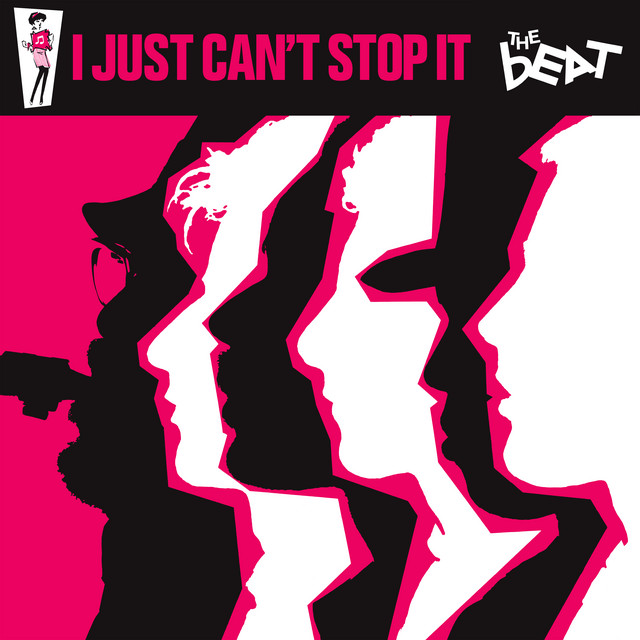
I Just Can't Stop It (2012 Remaster)
The Beat
Mod Revival
New Wave
Rock
1980
1
/5
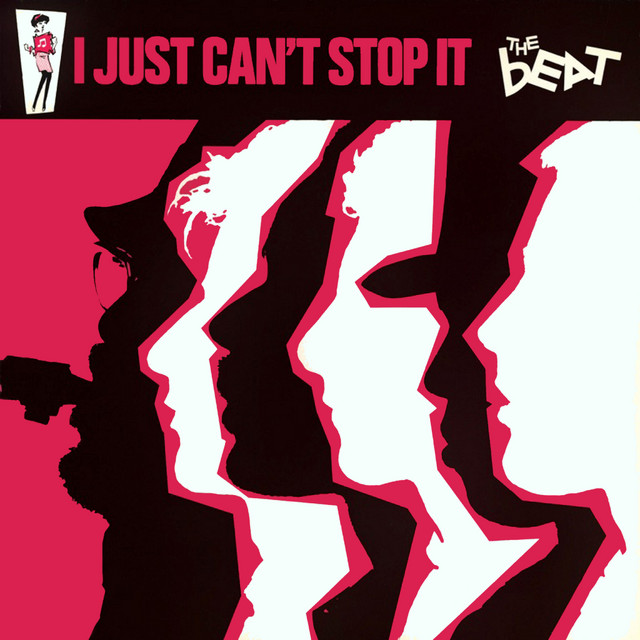
I Just Can't Stop It
The Beat
Mod Revival
1979
3
/5
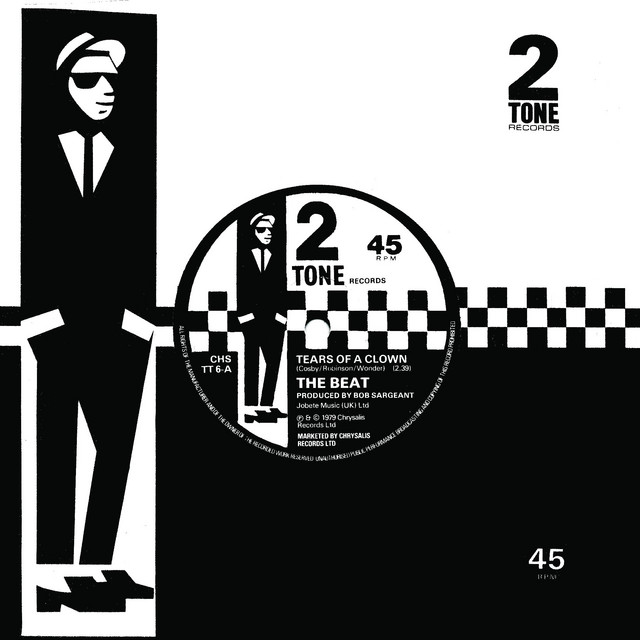
Tears of a Clown
The Beat
Mod Revival
Similar artists
1
/5
Various Artists
Afro-Funk
Alternative Rock
Ambient
4
/5
Madness
Ska
2 Tone
New Wave
3
/5
The Specials
Ska
2 Tone
Chill Pop
3
/5
Bad Manners
Ska
2 Tone
Rock
4
/5
Oingo Boingo
Zolo
New Wave
Rock
3
/5
Joe Jackson
New Wave
Power Pop
Rock
1
/5
The Times
Power Pop
Jangle Pop
Madchester
3
/5
The Jam
Mod Revival
Mod
New Wave
3
/5
The Undertones
Mod Revival
New Wave
Punk
3
/5
Ocean Colour Scene
Mod Revival
Britpop
Rock
Download our mobile app
Get the Melodigging app and start digging for new genres on the go
Download on the App Store
Get it on Google Play
© 2026 Melodigging
Give feedback
Legal
Melodding was created as a tribute to
Every Noise at Once
, which inspired us to help curious minds keep digging into music's ever-evolving genres.