Genres
Artists
Albums
Make Music
Sign in
Sign in
Artists
Chaotic Hardcore
Artists
Chaotic Hardcore
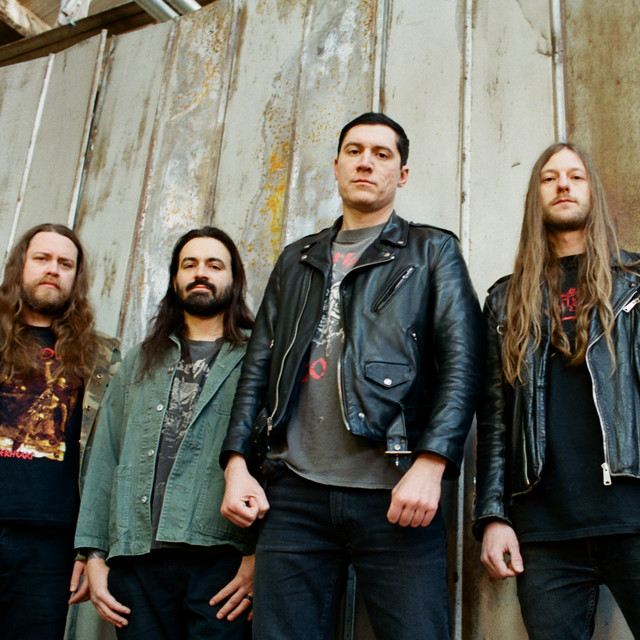
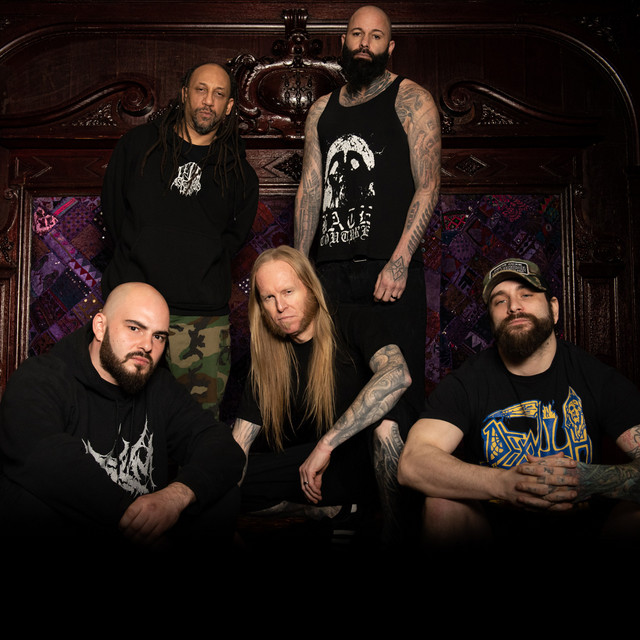
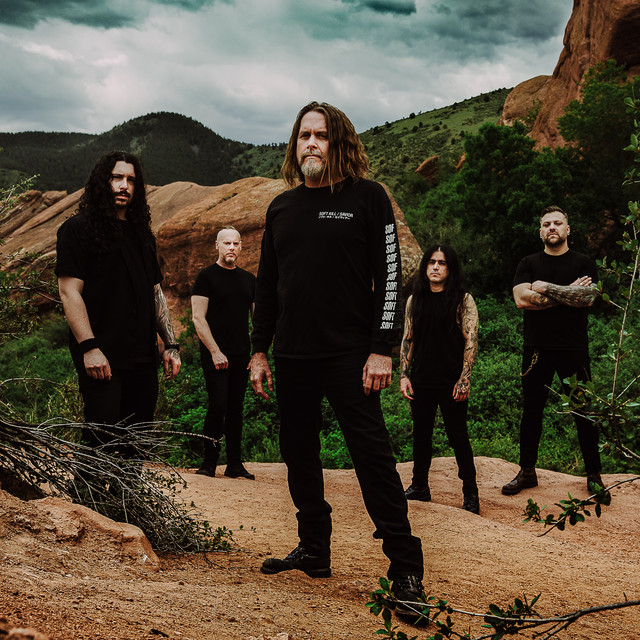
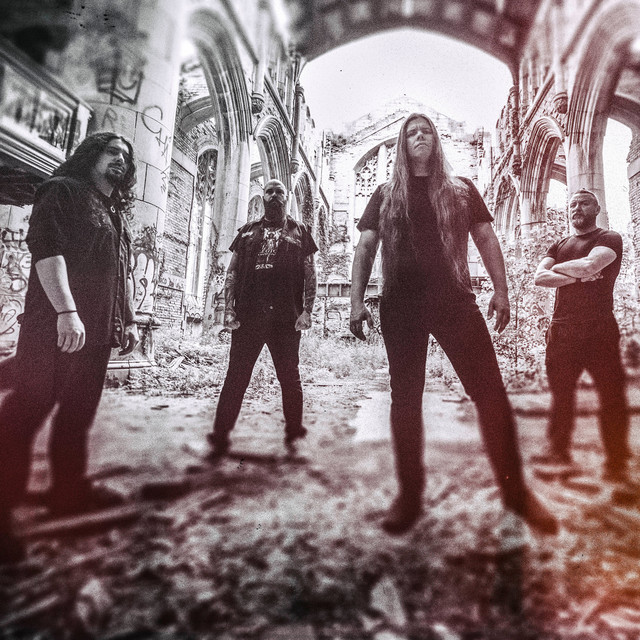
Fuming Mouth
2020–2024
·
5 albums
Listen
2
/5
Genres
Blackened Screamo
Blackened screamo is a hybrid of skramz-era screamo and second‑wave black metal aesthetics. It blends the genre’s raw, emotionally charged vocals and desperate dynamic surges with tremolo‑picked guitar figures, blast beats, and an enveloping, cold atmosphere. Typical songs pivot between blistering speed and mournful, reverb‑drenched expanses. The harmony favors minor keys, dissonant clusters, and chromatic movement, while production often embraces intentional abrasion—lo‑fi edges, room bleed, and cavernous ambience—to intensify the sense of urgency and bleakness. Lyrically, blackened screamo carries screamo’s confessional, existential, and socially critical core, but frames it with black metal’s desolate, sometimes apocalyptic tone. The result is a cathartic, high‑intensity style that feels both immediate and vast.
Discover
Listen
Cavernous Death Metal
Cavernous death metal is a murky, reverb-drenched strain of old-school death metal that foregrounds claustrophobic atmosphere over clinical precision. Hallmarks include extremely downtuned guitars, tremolo-picked and chromatic riffing, lurching doom-laden passages, and very deep, often indecipherable guttural vocals. Production aesthetics are central: drums are thunderous yet blurred, guitars and bass form a monolithic wall of low-end, and large-room or plate reverbs smear the mix to evoke the feeling of sound emanating from a subterranean chamber. Rather than bright, high-fidelity tones, the style prefers darkness, distance, and density—suggesting sinister space, decay, and ancient dread. Compositionally it draws on early 1990s death and death-doom blueprints, but the 2010s revival codified the "cavernous" sound as a distinct aesthetic, emphasizing mood, negative space, and oppressive resonance as much as riffcraft.
Discover
Listen
New Wave Of Speed Metal
The new wave of speed metal is a 2010s revivalist movement that resurrects the breakneck tempos, razor‑edged riffing, and high‑energy songwriting of classic 1980s speed metal. It favors twin‑guitar harmonies, athletic rhythm sections, and soaring, clean vocals that deliver anthemic hooks. Unlike the harsher edge of thrash, this wave leans into melodicism and precision: galloping rhythms, tightly palm‑muted alternate‑picked riffs, and flamboyant guitar solos. Production tends to be crisp but analog‑minded, evoking vintage warmth while meeting modern loudness and clarity.
Discover
Listen
Deathcore
Deathcore is an extreme metal subgenre that fuses the riff language and vocal extremity of death metal with the breakdown‑centric impact of metalcore and its hardcore roots. Typical hallmarks include brutally palm‑muted and tremolo‑picked guitar riffs on low tunings, blast‑beat focused drumming with double‑kick barrages, and guttural growls, tunnel throats, and high shrieks. Songs commonly pivot into half‑time, groove‑heavy breakdowns designed for maximum physical impact. As a distinct movement, deathcore coalesced in the early 2000s and reached wider prominence in the mid‑2000s via internet platforms and relentless touring, even though earlier 1990s bands had already flirted with fusing death metal and hardcore elements.
Discover
Listen
Chaotic Hardcore
Chaotic hardcore is an extreme strain of hardcore punk defined by rapid tempo shifts, dissonant riffing, and a deliberately unstable, “out of control” song structure. It typically combines hardcore’s speed and confrontation with the technical abruptness of mathcore and the abrasive noise of powerviolence/noise rock, creating short, explosive songs that often pivot without warning. Vocals are usually screamed, barked, or shrieked, and production often emphasizes raw impact: loud drums, jagged guitars, and a dense, clipped mix that makes the music feel physically overwhelming.
Discover
Listen
Hardcore
Hardcore (often called hardcore techno in its early form) is a fast, aggressive branch of electronic dance music characterized by heavily distorted, punchy 4/4 kick drums, tempos ranging from roughly 160 to well over 200 BPM, and a dark, high‑energy aesthetic. It emphasizes percussive drive over complex harmony, using clipped and saturated kick-bass sound design, sharp hi-hats, claps on the backbeat, and harsh synth stabs or screeches. Vocals, when present, are typically shouted hooks, sampled movie lines, or crowd chants processed with distortion and effects. Originating in the Netherlands in the early 1990s, the style quickly splintered into related scenes and subgenres such as gabber, happy hardcore, Frenchcore, terrorcore, speedcore, and later hardstyle. Its culture is closely associated with large-scale raves, specialized labels, and distinctive visual branding.
Discover
Listen
Death Metal
Death metal is an extreme subgenre of heavy metal defined by heavily distorted, low‑tuned guitars, rapid and complex riffing, blast beat drumming, and harsh guttural vocals. Its harmonic language favors chromaticism, dissonance, and tremolo-picked lines that create an ominous, abrasive atmosphere. Lyrically, death metal often explores dark or transgressive themes—mortality, mythology, anti-religion, psychological horror, and the macabre—sometimes with philosophical or social commentary. Production ranges from raw and cavernous to hyper-precise and technical, reflecting the genre’s many regional scenes and substyles. From the mid‑1980s Florida scene (Tampa) and parallel developments in the US, UK, and Sweden, death metal evolved into numerous branches including brutal death metal, technical death metal, melodic death metal, and death‑doom, each emphasizing different aspects of speed, complexity, melody, or heaviness.
Discover
Listen
Grindcore
Grindcore is an extremely fast, abrasive fusion of hardcore punk and extreme metal characterized by blast-beat drumming, highly distorted down-tuned guitars, and a mix of guttural growls and high-pitched screams. Songs are typically very short—often under two minutes and sometimes just seconds—favoring intensity over traditional verse–chorus structures. Lyrically, grindcore spans politically charged and socially conscious themes (war, capitalism, animal rights) as well as gore and body horror (particularly in goregrind). Production ranges from raw, live-in-the-room ferocity to tight, modern clarity. The style is defined by relentless speed, dissonant or chromatic riffing, and sudden start–stop shifts that create a feeling of controlled chaos.
Discover
Listen
Heavy Metal
Heavy metal is a loud, guitar-driven style of rock defined by heavily distorted riffs, thunderous drums, and powerful vocals. Its musical language emphasizes minor modes, modal (Aeolian, Phrygian) riffing, and energy over groove, often featuring virtuosic guitar solos and dramatic dynamic contrasts. Emerging from late-1960s blues rock and psychedelic experimentation, heavy metal codified a darker, heavier sound with bands like Black Sabbath, Deep Purple, and Led Zeppelin. The genre values weight, intensity, and grandeur—whether through plodding, doom-laden tempos or galloping, high-energy rhythms—paired with themes that range from personal struggle and social critique to fantasy, mythology, and the occult.
Discover
Listen
Hardcore Punk
Hardcore punk is a faster, louder, and more abrasive offshoot of late-1970s punk rock. Songs are typically short (often under two minutes), propelled by rapid tempos, aggressive down‑stroked guitar riffs, and shouted or barked vocals. The style prioritizes raw energy over technical ornamentation: power‑chord harmony, minimal guitar solos, and tightly locked rhythm sections dominate. Lyrically, hardcore punk is intensely direct—often political, anti‑authoritarian, and socially critical—reflecting a DIY ethic that values independent labels, self‑organized shows, and community‑run spaces. The genre coalesced in U.S. scenes such as Los Angeles, Washington, D.C., New York, and Boston, and soon spread internationally. Its velocity, attitude, and grassroots infrastructure profoundly shaped underground music and paved the way for numerous metal, punk, and alternative subgenres.
Discover
Listen
Rock
Rock is a broad family of popular music centered on amplified instruments, a strong backbeat, and song forms that foreground riffs, choruses, and anthemic hooks. Emerging from mid‑20th‑century American styles like rhythm & blues, country, and gospel-inflected rock and roll, rock quickly expanded in scope—absorbing folk, blues, and psychedelic ideas—while shaping global youth culture. Core sonic markers include electric guitar (often overdriven), electric bass, drum kit emphasizing beats 2 and 4, and emotive lead vocals. Rock songs commonly use verse–chorus structures, blues-derived harmony, and memorable melodic motifs, ranging from intimate ballads to high‑energy, stadium‑sized performances.
Discover
Listen
Show all 11 genres
Albums
2024
1
/5
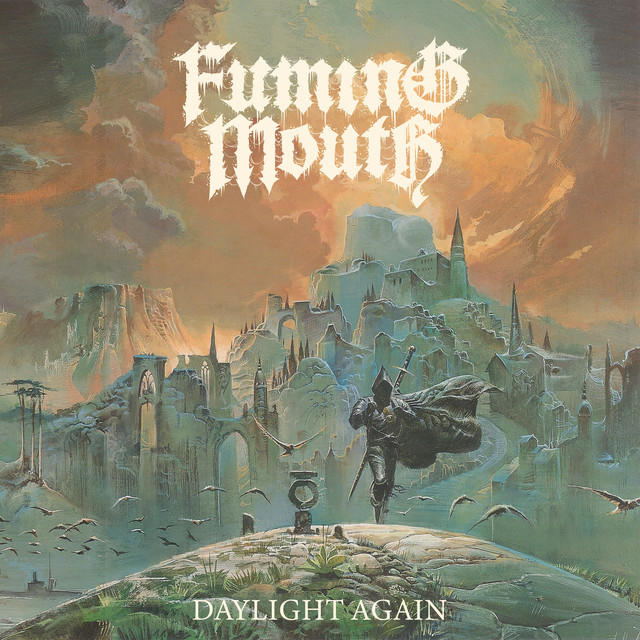
Daylight Again
Fuming Mouth
Chaotic Hardcore
2023
1
/5
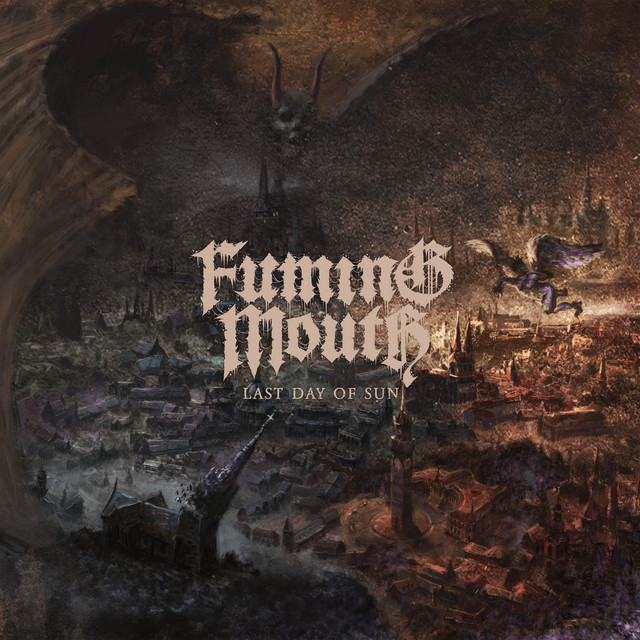
Last Day of Sun
Fuming Mouth
Chaotic Hardcore
Heavy Metal
2023
1
/5
I'll Find You
Fuming Mouth
Chaotic Hardcore
2021
2
/5
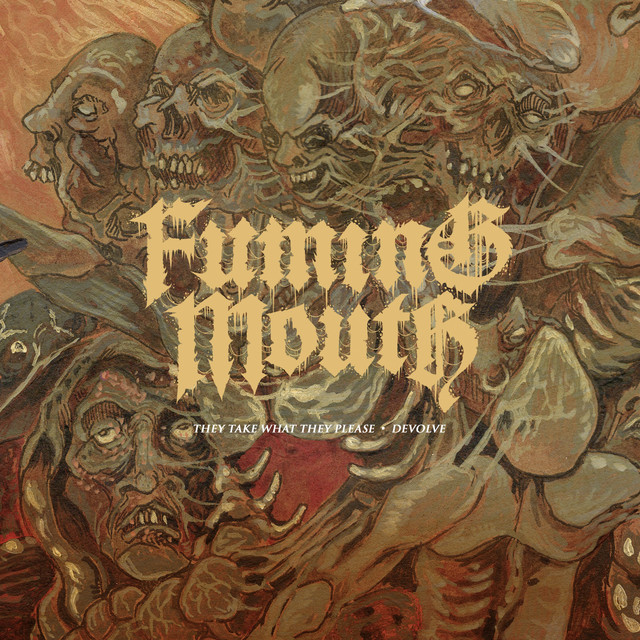
They Take What They Please - Devolve
Fuming Mouth
Chaotic Hardcore
2020
1
/5
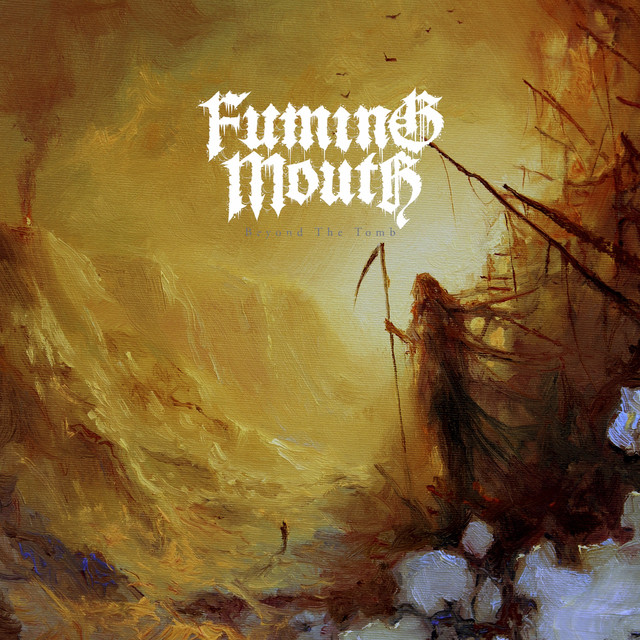
Beyond the Tomb
Fuming Mouth
Chaotic Hardcore
Death Metal
Deathcore
Similar artists
3
/5
Cannibal Corpse
Brutal Death Metal
Death Metal
Metal
3
/5
Dying Fetus
Brutal Death Metal
Deathgrind
Death Metal
3
/5
The Acacia Strain
Downtempo Deathcore
Deathcore
Metalcore
3
/5
Sanguisugabogg
Grindcore
Death Metal
Deathcore
3
/5
Suffocation
Brutal Death Metal
Death Metal
Technical Death Metal
3
/5
Cattle Decapitation
Death Metal
Grindcore
Deathcore
3
/5
Cryptopsy
Technical Deathcore
Technical Melodic Death Metal
Death Metal
3
/5
Aborted
Goregrind
Death Metal
Deathgrind
2
/5
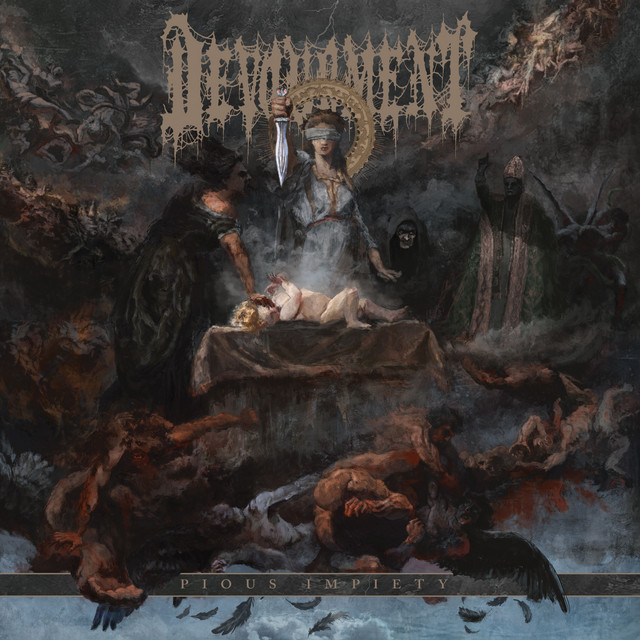
Devourment
Death Metal
Brutal Death Metal
Slam Death Metal
2
/5
Defeated Sanity
Technical Death Metal
Death Metal
Brutal Death Metal
Download our mobile app
Get the Melodigging app and start digging for new genres on the go
Download on the App Store
Get it on Google Play
© 2026 Melodigging
Give feedback
Legal
Melodding was created as a tribute to
Every Noise at Once
, which inspired us to help curious minds keep digging into music's ever-evolving genres.