Genres
Artists
Albums
Make Music
Sign in
Sign in
Artists
Boogie-Woogie
Artists
Boogie-Woogie
Freddie Slack
1945
·
1 album
Listen
2
/5
Genres
Free Jazz
Free jazz is a radical branch of jazz that rejects fixed chord progressions, strict meter, and conventional song forms in favor of collective improvisation, textural exploration, and spontaneous interaction. Musicians prioritize timbre, dynamics, and gesture as much as pitch and harmony, often using extended techniques (multiphonics, overblowing, prepared piano) and unconventional sounds. While rooted in the blues and earlier jazz vocabularies, free jazz frees improvisers from pre-set harmonic cycles, allowing lines to unfold over tonal centers, shifting modes, drones, or complete atonality. Rhythm sections may float without a steady pulse, or drive with layered polyrhythms and “energy playing.” The result ranges from contemplative soundscapes to cathartic, high-intensity eruptions. Culturally, the genre intersected with the civil rights era and broader avant-garde movements, emphasizing autonomy, community, and new possibilities for musical expression.
Discover
Listen
Big Band
Big band is a large-ensemble style of jazz and popular dance music built around brass, reed, and rhythm sections playing arranged parts. Typical instrumentation includes five saxophones (often doubling clarinet/flute), four trombones, four trumpets, and a rhythm section of piano, guitar, upright bass, and drum set. The music emphasizes swing rhythms, call-and-response between sections, riff-based writing, and dramatic shout choruses, while leaving space for improvised solos. Born in American ballrooms and theaters, big band became the sound of the Swing Era, providing both music for dancing and a platform for sophisticated arranging and orchestration that shaped much of 20th‑century jazz and popular music.
Discover
Listen
Boogie-Woogie
Boogie-woogie is a highly rhythmic, piano-centered branch of the blues distinguished by its driving “eight-to-the-bar” left-hand ostinato and improvised right-hand riffs. While it shares the 12‑bar blues framework and blue-note vocabulary, it places an unusually strong emphasis on groove, forward motion, and danceability. Typically performed at brisk tempos, the style features a rolling, repeated bass pattern in broken octaves (or a walking single-note line) that locks into a shuffle or 12/8 swing feel. Over this foundation, the right hand plays syncopated licks, triplet figures, crushed grace notes, tremolos, and call‑and‑response motifs, often quoting and varying short, catchy riffs. The result is a propulsive, celebratory sound designed for social dancing and energetic performance.
Discover
Listen
Albums
1945
1
/5
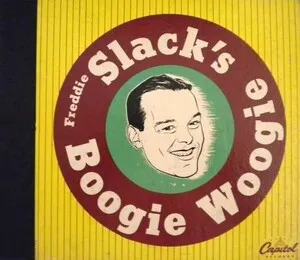
Freddie Slack's Boogie Woogie
Freddie Slack
Boogie-Woogie
Similar artists
1
/5
Various Artists
Soundtrack
Afro-Funk
Alternative Rock
3
/5
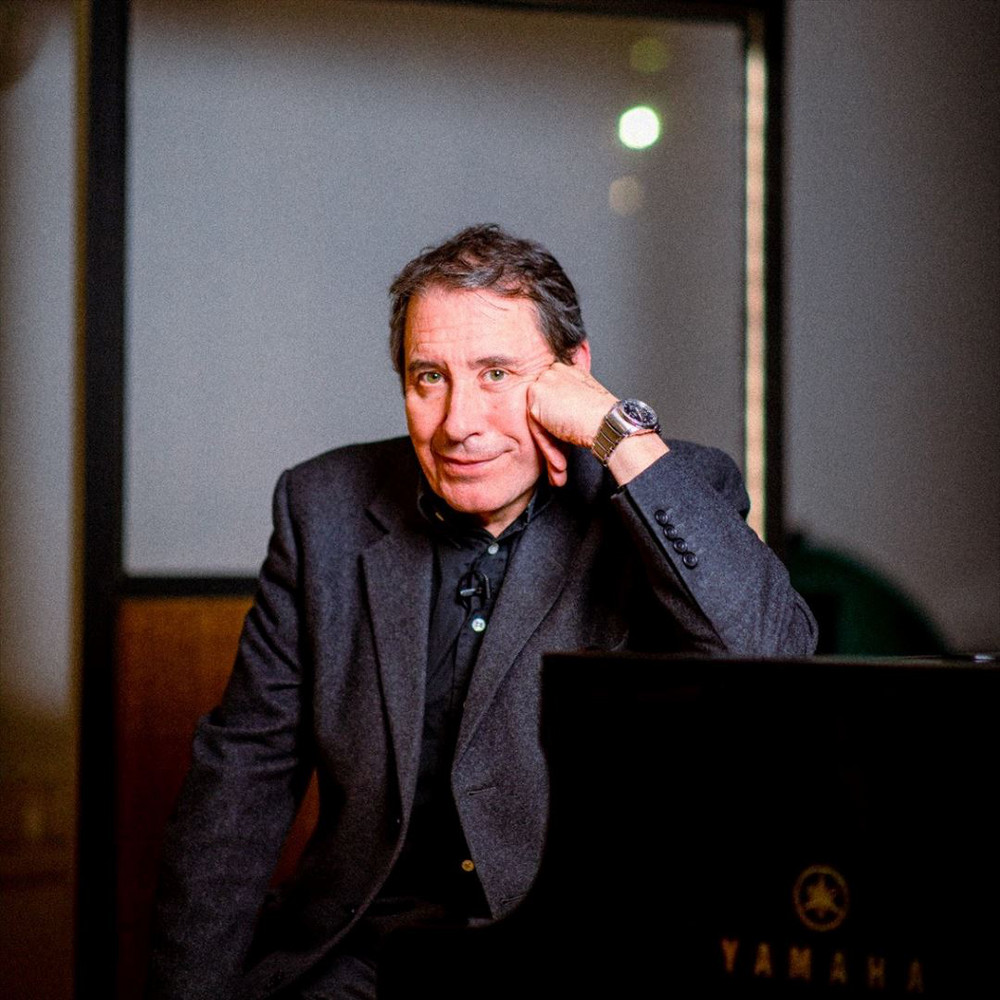
Jools Holland
Boogie-Woogie
Swing
Blues
2
/5
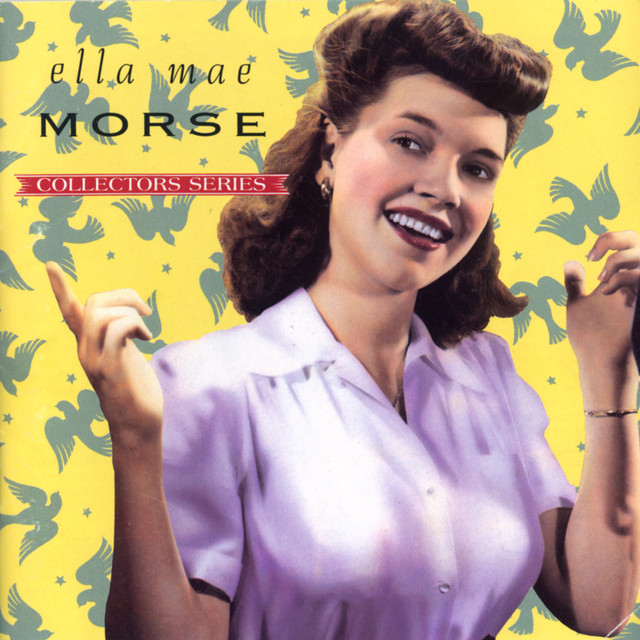
Ella Mae Morse
Boogie-Woogie
Big Band
Jump Blues
2
/5
Freddy Martin & His Orchestra
Boogie-Woogie
Ragtime
Big Band
3
/5
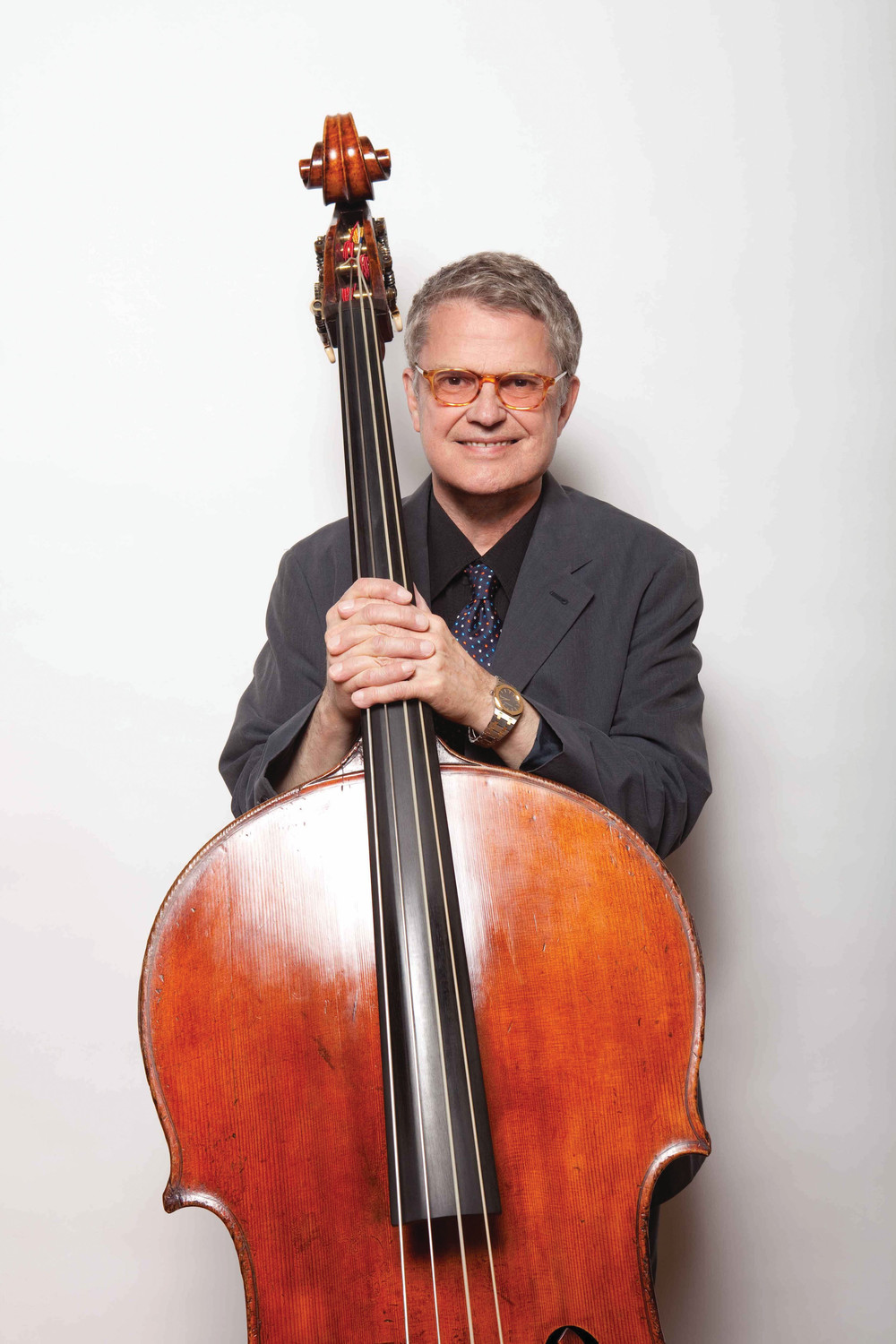
Charlie Haden
Jazz
Avant-Garde Jazz
Big Band
3
/5
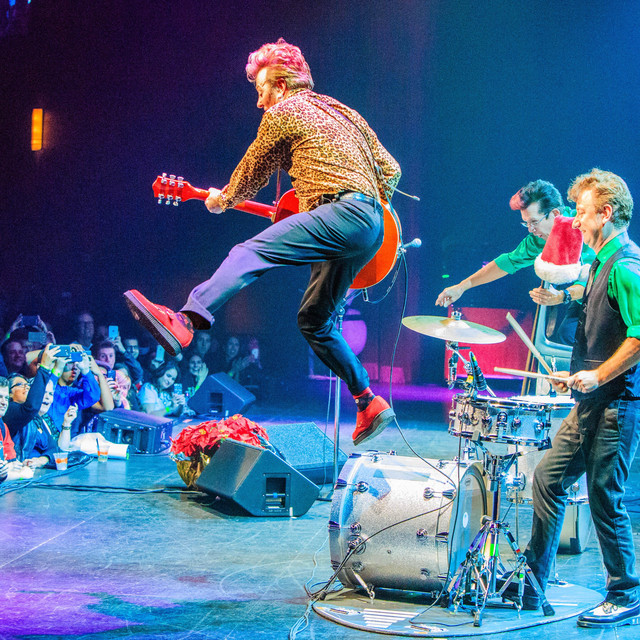
The Brian Setzer Orchestra
Swing Revival
Swing
Rockabilly
3
/5
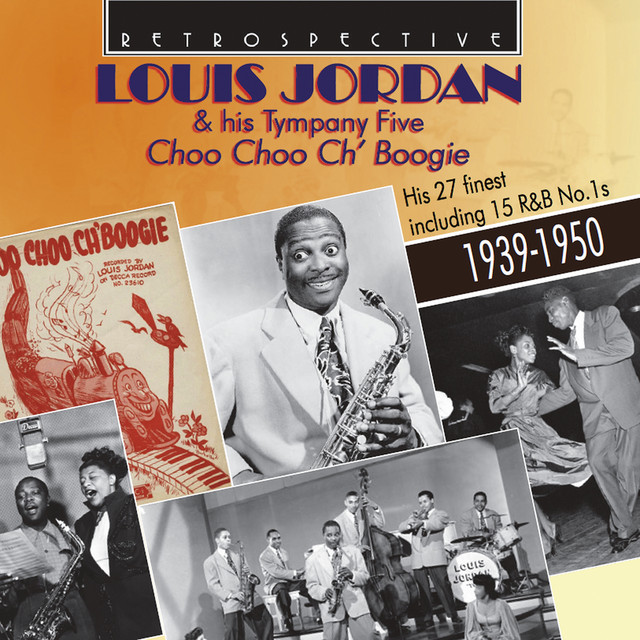
Louis Jordan & His Tympany Five
Big Band
Boogie-Woogie
Gamecore
2
/5
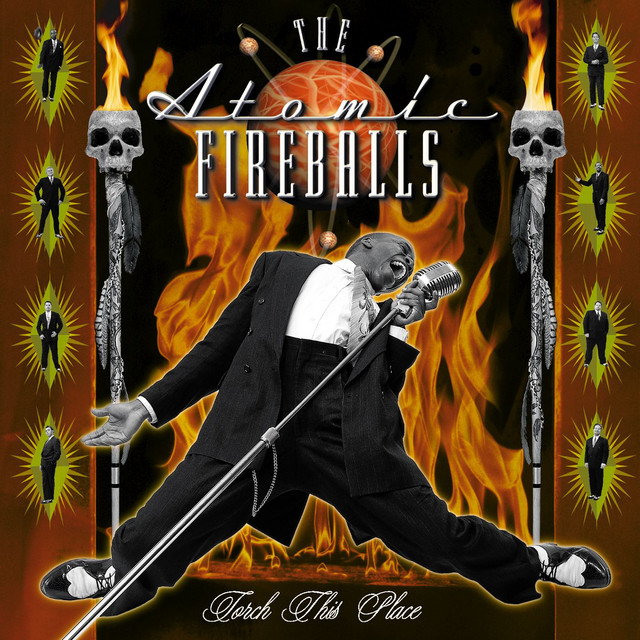
The Atomic Fireballs
Swing Revival
Big Band
Boogie-Woogie
2
/5
Louis Jordan
Jump Blues
Tin Pan Alley
Big Band
2
/5
Carla Bley
Jazz
Avant-Garde Jazz
Experimental Big Band
Download our mobile app
Get the Melodigging app and start digging for new genres on the go
Download on the App Store
Get it on Google Play
© 2026 Melodigging
Give feedback
Legal
Melodding was created as a tribute to
Every Noise at Once
, which inspired us to help curious minds keep digging into music's ever-evolving genres.