Genres
Artists
Albums
Make Music
Sign in
Sign in
Artists
Opera
Artists
Opera
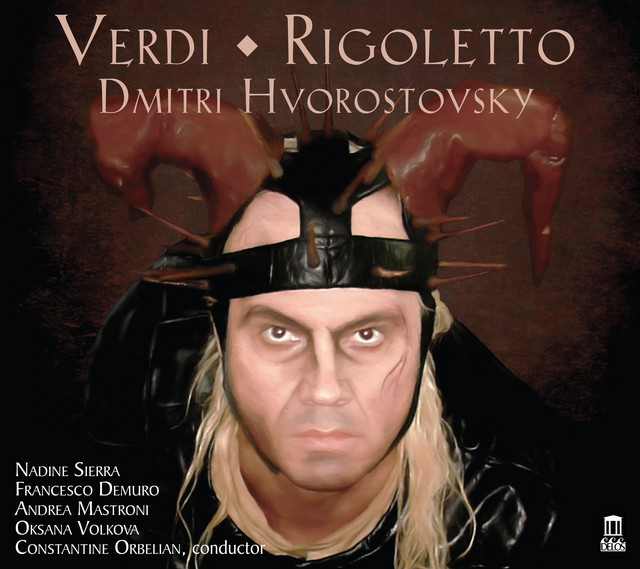
Francesco Demuro
2007
·
1 album
Listen
1
/5
Genres
Cantu A Chiterra
Cantu a chiterra is a northern Sardinian tradition of solo, monophonic singing in the Sardinian (especially Logudorese) and Gallurese languages, accompanied by the chiterra sarda (Sardinian guitar). The voice is the protagonist: highly ornamented, melismatic lines unfold with free rubato over simple but supportive guitar harmonies. Pieces are often classified by their principal tonal center (for example, the well‑known Cantu in re, centered on D), and the singer’s phrasing stretches across the bar lines while the guitarist marks cadences and formal pillars. Although some texts and melodic archetypes predate the widespread use of the guitar, the arrival of the Sardinian guitar in the 19th century crystallized today’s practice, spawning distinct regional variants in Logudoro, Goceano, Planargia, and Gallura. The result is a powerful, intimate, and declamatory song style equally at home in village squares, poetry duels, and stage competitions.
Discover
Listen
Sardinian Folk Music
Sardinian folk music is the traditional music of Sardinia (Italy), characterized by striking vocal polyphony, ancient reed-pipe instruments, and a living dance repertory. Its best-known vocal form is cantu a tenore, a four-part, overtone-rich male polyphony featuring the parts bassu, contra, mesu 'oche, and 'oche (solo), now recognized by UNESCO as Intangible Cultural Heritage. Equally prominent are devotional and paraliturgical songs (gosos/cuncordu), improvised poetic forms (mutetu), lament songs (attitu), and the guitar-accompanied cantu a chitarra/chiterra. Instrumentally, Sardinia is famed for the launeddas, an ancient triple-pipe cane instrument played with circular breathing, as well as the organetto (diatonic accordion) that drives social dances like ballu tundu, passu torrau, and su dillu. Melodies favor modal inflections (often Dorian, Aeolian, and Mixolydian), sustained drones, and heterophonic textures, while lyrics are predominantly in Sardinian varieties (Logudorese, Campidanese), Gallurese, Algherese Catalan, and Italian.
Discover
Listen
Opera
Opera is a large-scale theatrical genre that combines music, drama, and visual spectacle, in which the story is primarily conveyed through singing accompanied by an orchestra. It unites solo voices, ensembles, and chorus with staging, costumes, and often dance to create a total artwork. Emerging in late Renaissance Italy and flourishing in the Baroque era, opera developed signature forms such as recitative (speech-like singing that advances the plot) and aria (lyrical numbers that explore character and emotion). Over the centuries it evolved diverse national styles—Italian bel canto, French grand opéra, German music drama—while continually experimenting with orchestration, harmony, narrative structure, and stagecraft.
Discover
Listen
Albums
2007
1
/5
Sa dispedita
Francesco Demuro
Cantu A Chiterra
Sardinian Folk Music
Similar artists
1
/5
Various Artists
Afro-Funk
Alternative Rock
Ambient
1
/5
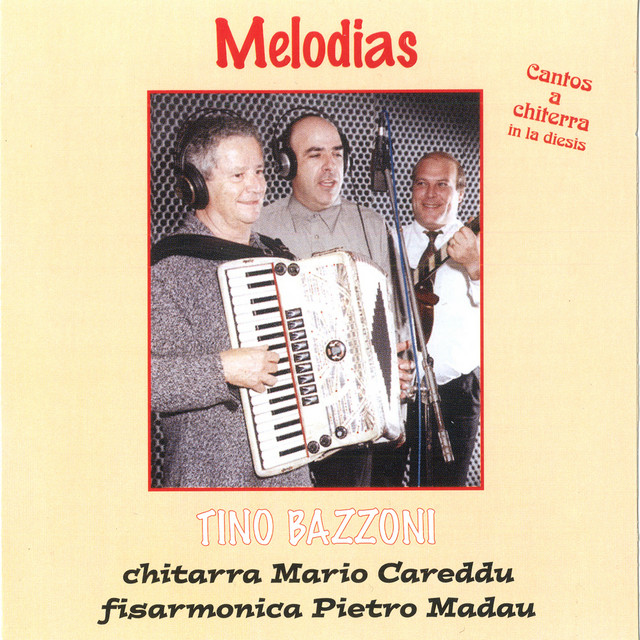
Tino Bazzoni
Cantu A Chiterra
Sardinian Folk Music
4
/5
Wolfgang Amadeus Mozart
Classical
Requiem
Classical Period
4
/5
London Symphony Orchestra
Classical
Ballet
Concerto
4
/5
Berliner Philharmoniker
Classical
Romantic Classical
Romanticism
4
/5
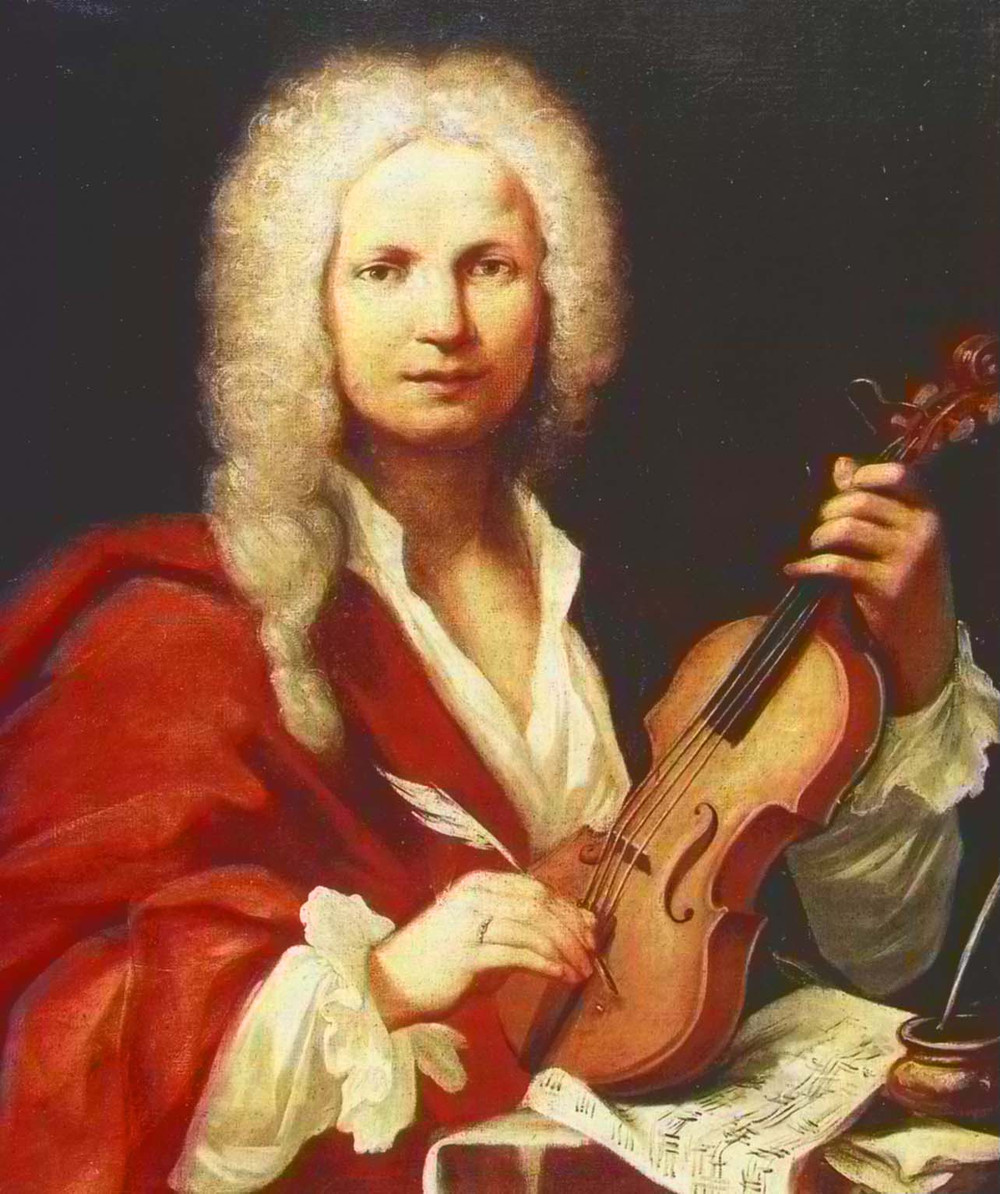
Antonio Vivaldi
Baroque
Classical
Opera Seria
4
/5
Andrea Bocelli
Opera
Operatic Pop
Deep Soundtrack
4
/5
Herbert von Karajan
Classical
Symphonic Poem
Symphony
4
/5
Wiener Philharmoniker
Classical
Romantic Classical
Romanticism
4
/5
London Philharmonic Orchestra
Opera
Classical
Deep Soundtrack
Download our mobile app
Get the Melodigging app and start digging for new genres on the go
Download on the App Store
Get it on Google Play
© 2026 Melodigging
Give feedback
Legal
Melodding was created as a tribute to
Every Noise at Once
, which inspired us to help curious minds keep digging into music's ever-evolving genres.