Genres
Artists
Albums
Make Music
Sign in
Sign in
Artists
J-Rock
Artists
J-Rock
Foreground Eclipse
2010–2013
·
4 albums
Listen
2
/5
Genres
Alternative Idol
Alternative idol (often shortened to alt-idol) is a Japanese offshoot of the idol scene that fuses conventional pop-idol vocal formats and choreography with underground and left-field music aesthetics. Instead of polished, uniformly cheerful arrangements, alternative idol projects lean into punk, post-punk, noise, metal, industrial, and experimental electronics, often embracing darker themes, abrasive timbres, and performance-art sensibilities. The result preserves the immediacy, hooks, and audience participation of idols while introducing unpredictable song structures, heavier guitars, club-ready drops, screams or harsh vocals, and conceptual imagery. Visually and lyrically, alt‑idol cultivates a self-aware, sometimes subversive response to mainstream idol culture—playing with vulnerability, catharsis, and satire—yet still prioritizing big choruses, chantable hooks, and high-energy live shows.
Discover
Listen
Touhou Music
Touhou music refers to the body of soundtrack themes composed by ZUN (Team Shanghai Alice) for the Touhou Project games and the vast ecosystem of fan-made arrangements that sprang up around them. The core sound is melody-forward, with instantly memorable hooks, brisk tempos, dramatic key changes, and a distinctive bright, brassy lead timbre often nicknamed the "ZUNpet." While the official scores are rooted in Japanese game music tradition, the arrangement culture spans a remarkable breadth of styles: trance and eurobeat for dancefloor energy, j-core and hardcore techno for festival intensity, metal and symphonic rock for virtuosic reinterpretations, denpa and J-pop for character-driven vocals, and jazz or orchestral treatments for lush, narrative colors. Over time, “Touhou music” became both a repertoire and a creative practice within the doujin scene, defining how fan communities compose, perform, and circulate music tied to shared fictional worlds.
Discover
Listen
Melodic Metalcore
Melodic metalcore blends the harmonized guitar leads and minor-key melodicism of Gothenburg-style melodic death metal with the breakdown-heavy aggression and song structures of metalcore. It is characterized by dual vocal approaches that alternate between harsh screams and soaring clean choruses, along with tightly palm-muted riffs and double-kick driven drumming. Typical arrangements feature verse–pre-chorus–chorus structures, with a post-chorus hook, a melodic guitar solo, and a climactic breakdown. Tunings are often dropped (Drop C, Drop B, or lower), and guitar parts favor harmonized lines in thirds, pedal-point riffs, and modal color from Aeolian and Phrygian. Lyrical themes usually focus on resilience, introspection, personal struggle, and catharsis.
Discover
Listen
Touhou
Touhou is a fan-driven music ecosystem that centers on the melodic boss themes and stage pieces from the Touhou Project games by ZUN (Team Shanghai Alice), and the vast culture of doujin (independent) arrangements derived from them. While the original soundtracks draw on jazzy harmonies, ear‑catching melodies, and fast, arcade‑ready pacing, the broader “Touhou” tag usually denotes the enormous body of remixes that reimagine these themes as rock/metal, trance, eurobeat, denpa, jazz, orchestral, and more. Character leitmotifs, brisk BPMs, bright “ZUN‑pet” synth/brass timbres, and dramatic modulations are common fingerprints. The style is deeply tied to Japanese doujin culture, with circles releasing CDs at events like Comiket and Reitaisai and sharing on platforms such as Niconico Douga and YouTube, where meme‑driven hits (e.g., eurobeat or denpa takes) helped globalize the sound.
Discover
Listen
Doujin Music
Doujin music is the self-published, grassroots music ecosystem of Japan’s doujin (fan-made/independent) culture. It is created by individuals or small “circles” and released directly to fans, most famously at events like Comiket, M3, and Hakurei Jinja Reitaisai. Stylistically, it is genre-agnostic: you will find high-energy club styles (J-core, trance, eurobeat), cute and eccentric pop (denpa), rock/metal bands, orchestral and piano works, and an enormous number of fan arrangements of game and anime music—especially from the Touhou Project. Many releases use vocal synthesizers (Vocaloid/UTAU) or utaite singers from video platforms like Niconico Douga. Distribution is typically physical CDs and merch at events alongside digital storefronts (BOOTH, Bandcamp) and video platforms. The scene values rapid iteration, strong visual identity, and community feedback, resulting in a distinct “otaku-centric” aesthetic and a remarkably prolific catalog.
Discover
Listen
Pop Punk
Pop punk blends the speed and attitude of punk rock with the melody, hooks, and songcraft of pop. It features bright, concise songs driven by crunchy power-chord guitars, punchy drums, and catchy vocal lines that often favor gang shouts and harmonies. Lyrically, pop punk tends to focus on adolescence, relationships, boredom, suburbia, and self-deprecating humor, delivered with a mix of earnestness and wit. Production ranges from raw and DIY to radio-ready polish, but the core is always immediacy: big choruses, tight structures, and energetic performances.
Discover
Listen
J-Rock
J-rock (Japanese rock) is the umbrella term for rock music created in Japan, spanning everything from classic rock, punk, and metal to alternative, indie, and progressive strains. It blends Western rock instrumentation and songcraft with Japanese melodic sensibilities, crisp production, and lyrics primarily in Japanese (often mixed with some English phrases). Typical features include hook-forward choruses, expressive guitar leads, tight rhythm sections, and dynamic arrangements that can pivot from delicate verses to big, anthemic refrains. Because of Japan’s media ecosystem, J-rock frequently intersects with anime, TV dramas, and video games, which helps bands reach mainstream audiences while retaining a band-centric, live-performance identity. Although stylistically diverse, J-rock commonly emphasizes memorable melodies, emotional catharsis, and precise musicianship, with influences ranging from British Invasion and classic rock to punk/new wave, progressive rock, and heavy metal.
Discover
Listen
Show all 7 genres
Albums
2013
3
/5
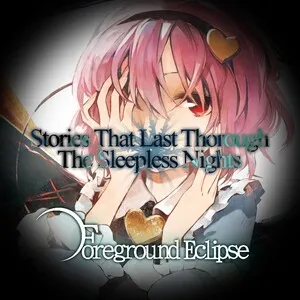
Stories That Last Through the Sleepless Nights
Foreground Eclipse
Touhou Music
Melodic Metalcore
Doujin Music
2011
2
/5
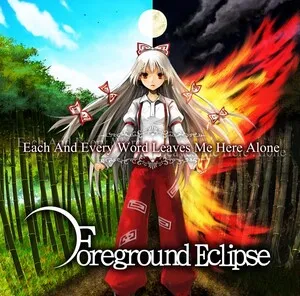
Each and Every Word Leaves Me Here Alone
Foreground Eclipse
Touhou Music
Melodic Metalcore
2010
2
/5
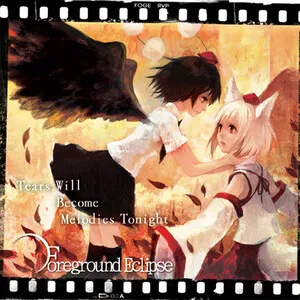
Tears Will Become Melodies Tonight
Foreground Eclipse
Touhou Music
Melodic Metalcore
2010
2
/5
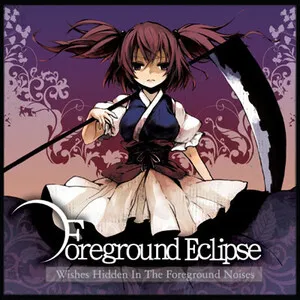
Wishes Hidden in the Foreground Noises
Foreground Eclipse
Touhou Music
J-Rock
Pop Punk
Similar artists
3
/5
Utsu-P
Vocaloid Metal
Rock
Melodic Metalcore
3
/5
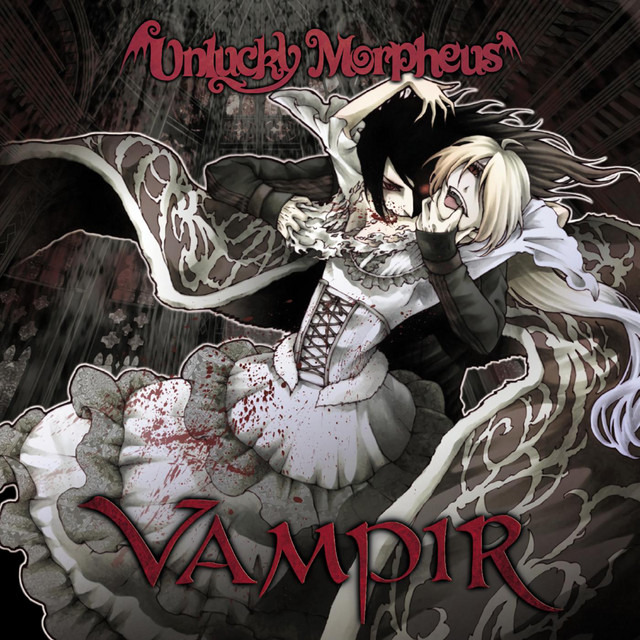
Unlucky Morpheus
Power Metal
Symphonic Metal
J-Rock
2
/5
Draw The Emotional
J-Rock
Doujin Music
Touhou Music
3
/5
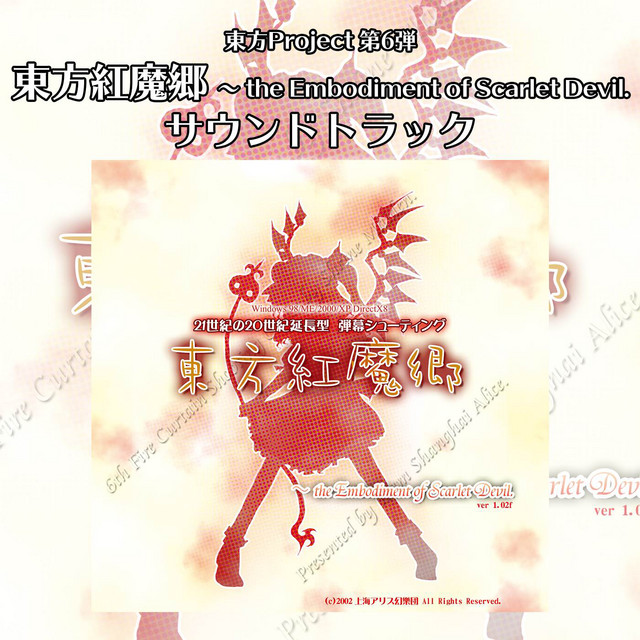
上海アリス幻樂団
Midi Music
Touhou
Touhou Music
3
/5
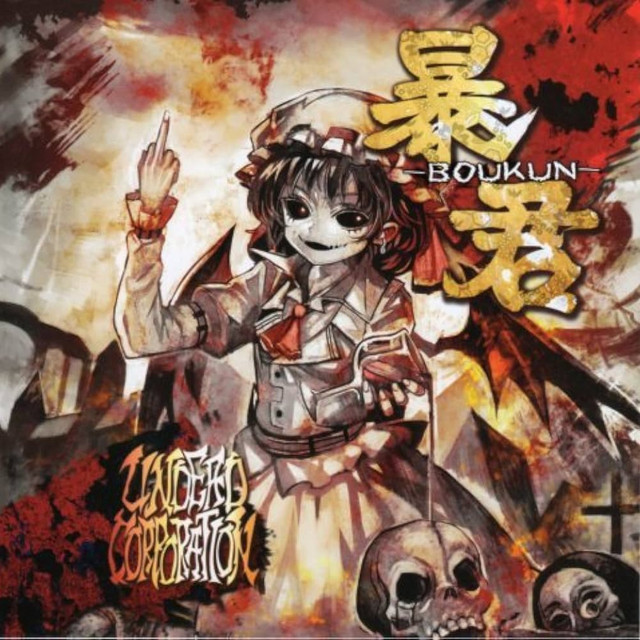
UNDEAD CORPORATION DOUJIN WORKS
J-Rock
Melodic Death Metal
Touhou Music
3
/5
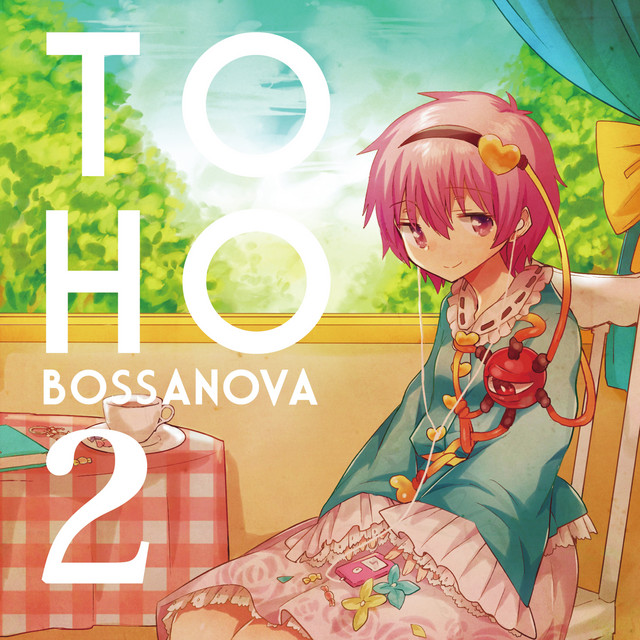
ShibayanRecords
Electronic
Touhou Music
Bossa Nova
3
/5
GING NANG BOYZ
Melodic Hardcore
J-Pop
J-Rock
3
/5
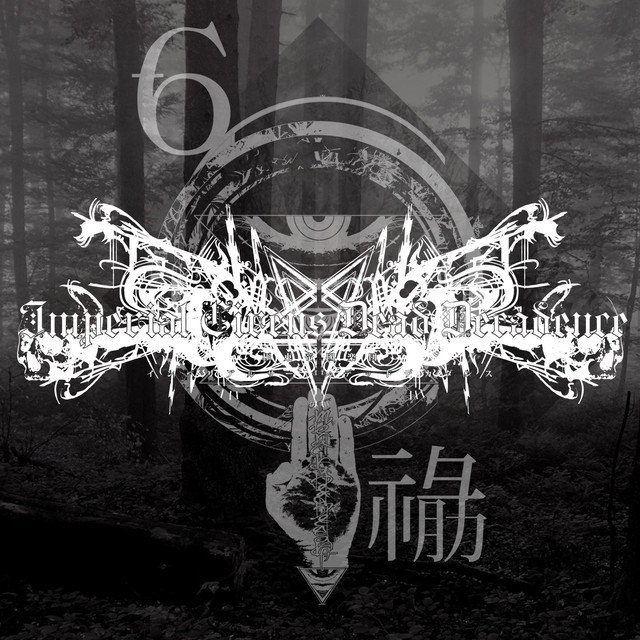
Imperial Circus Dead Decadence
Melodic Death Metal
Visual Kei
J-Rock
3
/5
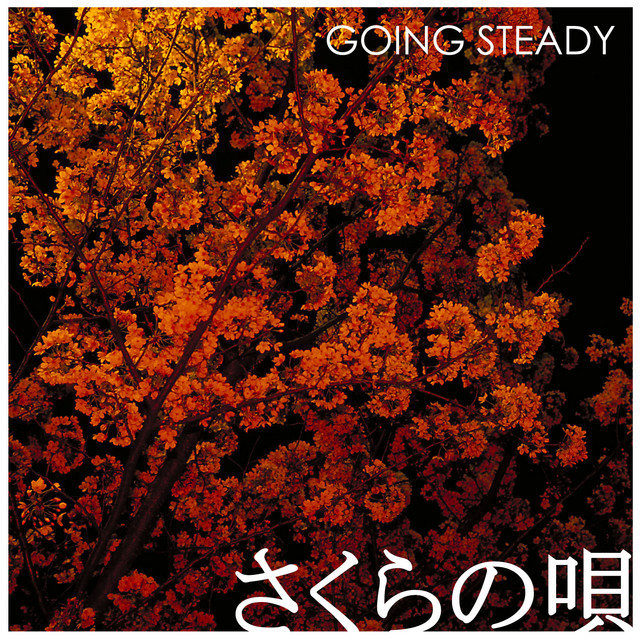
GOING STEADY
J-Pop
J-Rock
Melodic Hardcore
2
/5
Takamachi Walk
J-Rock
Metal
Metalcore
Download our mobile app
Get the Melodigging app and start digging for new genres on the go
Download on the App Store
Get it on Google Play
© 2026 Melodigging
Give feedback
Legal
Melodding was created as a tribute to
Every Noise at Once
, which inspired us to help curious minds keep digging into music's ever-evolving genres.