Genres
Artists
Albums
Make Music
Sign in
Sign in
Artists
Touhou
Artists
Touhou
上海アリス幻樂団
2002–2012
·
7 albums
Listen
3
/5
Genres
Soundclown
Soundclown is an internet-born remix and mashup style that thrives on comedic juxtaposition, bait‑and‑switch reveals, and hyper-referential sample collage. It blends pop hits, game and cartoon music, ad jingles, meme sounds, and viral speech into quick-cut audio gags. The genre developed across YouTube and SoundCloud, favoring shock humor, nostalgia, and absurdity over traditional song form. Hallmarks include sudden key/tempo whiplash, exaggerated pitch-shifts, ear‑rending “earrape” peaks, and punchline drops that transform a familiar source into something hilariously incongruent. Because it is fundamentally platform-native, soundclown is as much a memetic editing culture as a musical style. Its tracks often function like sonic shitposts: fast, punchy, and built for instant recognition and shareability.
Discover
Listen
Touhou
Touhou is a fan-driven music ecosystem that centers on the melodic boss themes and stage pieces from the Touhou Project games by ZUN (Team Shanghai Alice), and the vast culture of doujin (independent) arrangements derived from them. While the original soundtracks draw on jazzy harmonies, ear‑catching melodies, and fast, arcade‑ready pacing, the broader “Touhou” tag usually denotes the enormous body of remixes that reimagine these themes as rock/metal, trance, eurobeat, denpa, jazz, orchestral, and more. Character leitmotifs, brisk BPMs, bright “ZUN‑pet” synth/brass timbres, and dramatic modulations are common fingerprints. The style is deeply tied to Japanese doujin culture, with circles releasing CDs at events like Comiket and Reitaisai and sharing on platforms such as Niconico Douga and YouTube, where meme‑driven hits (e.g., eurobeat or denpa takes) helped globalize the sound.
Discover
Listen
Touhou Music
Touhou music refers to the body of soundtrack themes composed by ZUN (Team Shanghai Alice) for the Touhou Project games and the vast ecosystem of fan-made arrangements that sprang up around them. The core sound is melody-forward, with instantly memorable hooks, brisk tempos, dramatic key changes, and a distinctive bright, brassy lead timbre often nicknamed the "ZUNpet." While the official scores are rooted in Japanese game music tradition, the arrangement culture spans a remarkable breadth of styles: trance and eurobeat for dancefloor energy, j-core and hardcore techno for festival intensity, metal and symphonic rock for virtuosic reinterpretations, denpa and J-pop for character-driven vocals, and jazz or orchestral treatments for lush, narrative colors. Over time, “Touhou music” became both a repertoire and a creative practice within the doujin scene, defining how fan communities compose, perform, and circulate music tied to shared fictional worlds.
Discover
Listen
Doujin Music
Doujin music is the self-published, grassroots music ecosystem of Japan’s doujin (fan-made/independent) culture. It is created by individuals or small “circles” and released directly to fans, most famously at events like Comiket, M3, and Hakurei Jinja Reitaisai. Stylistically, it is genre-agnostic: you will find high-energy club styles (J-core, trance, eurobeat), cute and eccentric pop (denpa), rock/metal bands, orchestral and piano works, and an enormous number of fan arrangements of game and anime music—especially from the Touhou Project. Many releases use vocal synthesizers (Vocaloid/UTAU) or utaite singers from video platforms like Niconico Douga. Distribution is typically physical CDs and merch at events alongside digital storefronts (BOOTH, Bandcamp) and video platforms. The scene values rapid iteration, strong visual identity, and community feedback, resulting in a distinct “otaku-centric” aesthetic and a remarkably prolific catalog.
Discover
Listen
Midi Music
MIDI music is a style centered on composing and distributing music as Standard MIDI Files (.mid), using General MIDI (GM) instrument maps and channel conventions rather than recorded audio. Characterized by the hallmark timbres of GM-era synth modules and sound cards (e.g., Sound Canvas pianos, synth brass, slap bass, orchestral hits, and the Channel 10 drum kit), it embraces the sequenced, quantized feel of early PC games, DOS/Windows multimedia, and 1990s web pages that auto-played background MIDIs. Expressivity is driven by velocity, pitch bend, modulation, and controller messages, not microphone capture. Distinct from chiptune and tracker music, which target specific sound chips or module formats, MIDI music is portable across devices and soundfonts, producing a recognizable yet device-dependent aesthetic that evokes retro computing, early internet culture, and game nostalgia.
Discover
Listen
Bit Music
Bit music is a broad term for music built around the sound and constraints of low bit‑depth digital audio, early sound chips, and primitive computer/console hardware. It foregrounds square and pulse waves, noise channels, simple PCM, and the characteristic artifacts of bit‑crushing and low sample rates. While closely related to chiptune, bit music emphasizes the sonic signature of "the bit" itself: 1‑bit beeper techniques, 4/8/16‑bit sample playback, and tracker-based sequencing that exploits extremely limited polyphony and memory. The result is a bright, pixelated timbre that celebrates computational austerity through clever composition tricks, rapid arpeggios, duty‑cycle modulation, and noise percussion.
Discover
Listen
Video Game Music
Video game music (VGM) is the soundtrack or background music composed specifically to accompany and enhance interactive gameplay. In its earliest decades, VGM was bound by severe hardware constraints: simple programmable sound generators (PSG) and later FM-synthesis chips limited composers to a handful of monophonic channels, basic waveforms, and tiny memory footprints. Those constraints forged a distinctive, catchy, loop-based idiom—often called “chip music” or “8‑bit”—that became the emblematic sound of early games. As technology advanced, VGM expanded into rich orchestral, rock, electronic, and hybrid palettes and adopted adaptive/interactive scoring techniques so the music could change with the player’s actions. Today it spans everything from intimate, textural ambience to full symphonic epics, while still celebrating its retro chip heritage.
Discover
Listen
Soundtrack
Soundtrack is music created to accompany and enhance visual media such as film, television, and video games. It includes original scores (instrumental or vocal music composed specifically for the picture) and, at times, curated compilations of pre-existing songs. Stylistically, soundtrack is a meta-genre that can encompass orchestral symphonic writing, jazz, electronic and synth-driven textures, choral forces, popular song, and experimental sound design. Its defining trait is functional storytelling: themes, motifs, harmony, rhythm, and timbre are shaped by narrative needs, character psychology, pacing, and editing. Common features include leitmotifs for characters or ideas, modular cues that can be edited to picture, dynamic orchestration for dramatic range, and production approaches that sit well under dialogue and sound effects. Because it must synchronize to picture, soundtrack often uses clear dramatic arcs, tempo maps, and hit points.
Discover
Listen
Show all 8 genres
Albums
2012
1
/5
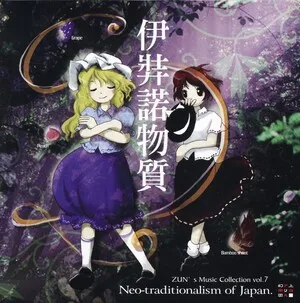
Izanagi busshitsu ~ Neo-Traditionalism of Japan 伊弉諾物質 ~ Neo-Traditionalism of Japan
上海アリス幻樂団
Midi Music
Touhou Music
Touhou
2012
1
/5
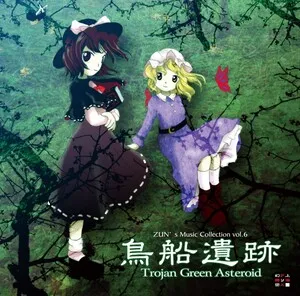
Torifune iseki ~ Trojan Green Asteroid 鳥船遺跡 ~ Trojan Green Asteroid
ZUN
Midi Music
Touhou Music
Touhou
2006
1
/5
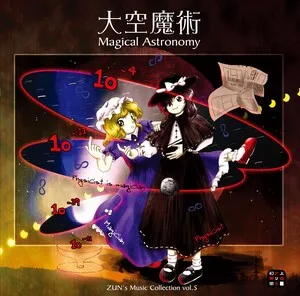
Oozora majutsu ~ Magical Astronomy 大空魔術 ~ Magical Astronomy
上海アリス幻樂団
Midi Music
Touhou Music
Bit Music
2006
1
/5
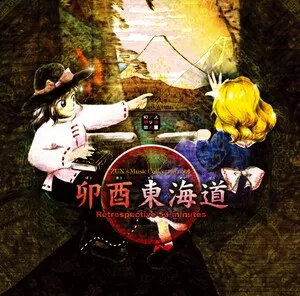
Bōyū tōkaidō ~ Retrospective 53 Minutes 卯酉東海道 ~ Retrospective 53 Minutes
上海アリス幻樂団
Midi Music
Touhou Music
Bit Music
2004
1
/5
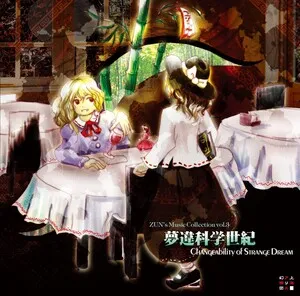
Yumetagae kagaku seiki ~ Changeability of Strange Dream 夢違科学世紀 〜 Changeability of Strange Dream
上海アリス幻樂団
Midi Music
Touhou Music
Bit Music
2003
1
/5
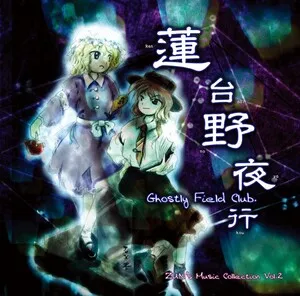
Rendaino yakō ~ Ghostly Field Club 蓮台野夜行 ~ Ghostly Field Club
上海アリス幻樂団
Midi Music
Touhou Music
Bit Music
2002
1
/5
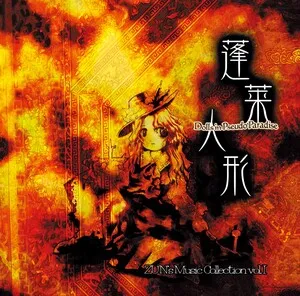
Hōrai ningyō ~ Dolls in Pseudo Paradise 蓬莱人形 ~ Dolls in Pseudo Paradise
上海アリス幻樂団
Midi Music
Touhou Music
Bit Music
Similar artists
2
/5
Foreground Eclipse
J-Rock
Touhou Music
Melodic Metalcore
2
/5
Tek lintowe
Bit Music
Cloud Rap
Midi Music
3
/5
Joanna Wang
Mandopop
Chinese Indie
Chinese Viral Pop
2
/5
Vargskelethor
Bit Music
Comedy
Midi Music
2
/5
ippo.tsk
Vocaloid
Alternative Rock
Bit Music
2
/5
ex. happyender girl
Shoegaze
Vocaloid
Bit Music
1
/5
Cryptovolans
Utopian Virtual
Digital Fusion
Bit Music
3
/5
ShibayanRecords
Electronic
Touhou Music
Bossa Nova
2
/5
Fearofdark
Digital Fusion
Bit Music
Chiptune
2
/5
Ilkae
Idm
Tracker Music
Sequencer & Tracker
Download our mobile app
Get the Melodigging app and start digging for new genres on the go
Download on the App Store
Get it on Google Play
© 2026 Melodigging
Give feedback
Legal
Melodding was created as a tribute to
Every Noise at Once
, which inspired us to help curious minds keep digging into music's ever-evolving genres.