Genres
Artists
Albums
Make Music
Sign in
Sign in
Artists
Ambient
Artists
Ambient
Feliu Gasull
2009–2025
·
2 albums
Listen
1
/5
Genres
Ambient
Ambient is a form of electronic and electroacoustic music that prioritizes tone, atmosphere, and texture over conventional song structures and rhythmic drive. It typically features slow-moving harmonies, sustained drones, gentle timbral shifts, and extensive use of space and silence. Rather than drawing attention to itself through hooks or beats, ambient is designed to be as ignorable as it is interesting, rewarding both background listening and focused immersion. Artists often employ synthesizers, samplers, tape loops, field recordings, and subtle acoustic instruments, with reverb and delay creating a sense of place. Substyles range from luminous, consonant soundscapes to darker, more dissonant atmospheres.
Discover
Listen
Rock
Rock is a broad family of popular music centered on amplified instruments, a strong backbeat, and song forms that foreground riffs, choruses, and anthemic hooks. Emerging from mid‑20th‑century American styles like rhythm & blues, country, and gospel-inflected rock and roll, rock quickly expanded in scope—absorbing folk, blues, and psychedelic ideas—while shaping global youth culture. Core sonic markers include electric guitar (often overdriven), electric bass, drum kit emphasizing beats 2 and 4, and emotive lead vocals. Rock songs commonly use verse–chorus structures, blues-derived harmony, and memorable melodic motifs, ranging from intimate ballads to high‑energy, stadium‑sized performances.
Discover
Listen
Catalan Folk Music
Catalan folk music encompasses the traditional songs, dances, and instrumental practices of Catalonia and the wider Catalan-speaking world. It is best known for the sardana circle dance accompanied by the distinctive cobla wind ensemble, as well as seafaring havaneres sung along the coast. The idiom blends medieval and rural song traditions with 19th‑century codification and urban revival. It features modal, diatonic melodies; lively dance rhythms; and a strong social dimension in communal dancing, festivals, and choral singing. Characteristic instruments include the tenora and tible (Catalan shawms), flabiol i tamborí (pipe and tabor), gralla, sac de gemecs (bagpipe), accordion, guitar, and the full cobla instrumentation with brass and double bass. Across regions and repertoires—from sardanes and jotes ebrencs to work songs, goigs, caramelles, and tavern-style havaneres—Catalan folk music remains a living, participatory tradition closely tied to local identity and public celebration.
Discover
Listen
Spanish Classical Music
Spanish classical music refers to the art-music tradition created by composers active in Spain from the Renaissance to the present, encompassing sacred polyphony, court and theatrical genres, instrumental idioms for guitar and keyboard, and nationalist currents that elevate regional dance and song types. It is characterized by the coexistence of European common-practice techniques with distinctively Iberian colors: modal inflections (especially the Phrygian flavor), the Andalusian cadence, dance-derived rhythms (fandango, seguidilla, jota, bolero), and an idiomatic centrality of the guitar alongside choirs, keyboard, chamber, and orchestral forces. Across centuries, Spanish composers have contributed both to pan-European classical forms (mass, motet, sonata, concerto, symphony, opera) and to uniquely Spanish hybrids (zarzuela, tonadilla), while absorbing deep historical layers that include medieval chant, Renaissance polyphony, and interactions with Sephardic, Moorish/Andalusian, and folk–flamenco traditions.
Discover
Listen
Classical
Classical music is the notated art-music tradition of Europe and its global descendants, characterized by durable forms, carefully codified harmony and counterpoint, and a literate score-based practice. The term “classical” can refer broadly to the entire Western art-music lineage from the Medieval era to today, not just the Classical period (c. 1750s–1820s). It privileges long-form structures (such as symphonies, sonatas, concertos, masses, and operas), functional or modal harmony, thematic development, and timbral nuance across ensembles ranging from solo instruments to full orchestras and choirs. Across centuries, the style evolved from chant and modal polyphony to tonal harmony, and later to post-tonal idioms, while maintaining a shared emphasis on written notation, performance practice, and craft.
Discover
Listen
Albums
2025
1
/5
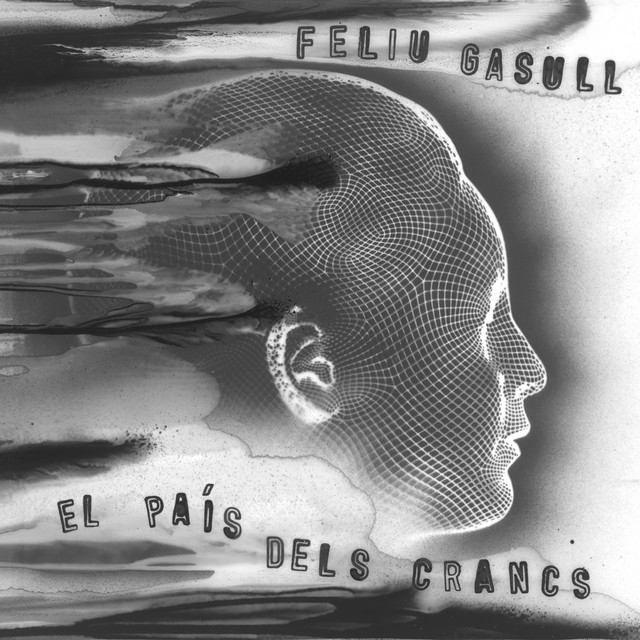
El país dels crancs
Feliu Gasull
Catalan Folk Music
2009
1
/5
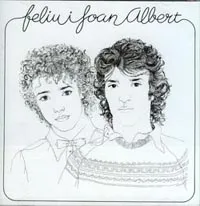
Feliu i Joan Albert
Feliu i Joan Albert
Spanish Classical Music
Ambient
Classical
Similar artists
2
/5
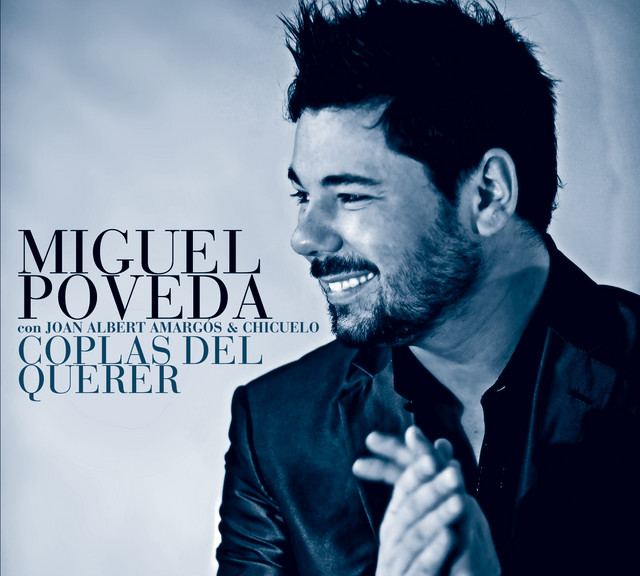
Joan Albert Amargos
Ambient
Classical
Rock
5
/5
David Bowie
Art Rock
Rock
Glam Rock
5
/5
Hans Zimmer
Country Dawn
Soundtrack
Classical
4
/5
Traditional
Gregorian Chant
Spanish Classical Music
Medieval Classical Music
4
/5
Brian Eno
Ambient
Krautrock
Experimental
3
/5
Anonymous
Ars Antiqua
Gregorian Chant
Medieval
3
/5
Faun
Medieval Rock
Folk
Neofolk
3
/5
Jordi Savall
Renaissance
Baroque
Classical
3
/5
Hammock
Ambient Post-Rock
Space Ambient
Ambient
1
/5
Various Artists
Afro-Funk
Alternative Rock
Ambient
Download our mobile app
Get the Melodigging app and start digging for new genres on the go
Download on the App Store
Get it on Google Play
© 2026 Melodigging
Give feedback
Legal
Melodding was created as a tribute to
Every Noise at Once
, which inspired us to help curious minds keep digging into music's ever-evolving genres.