Genres
Artists
Albums
Make Music
Sign in
Sign in
Artists
K-Pop
Artists
K-Pop
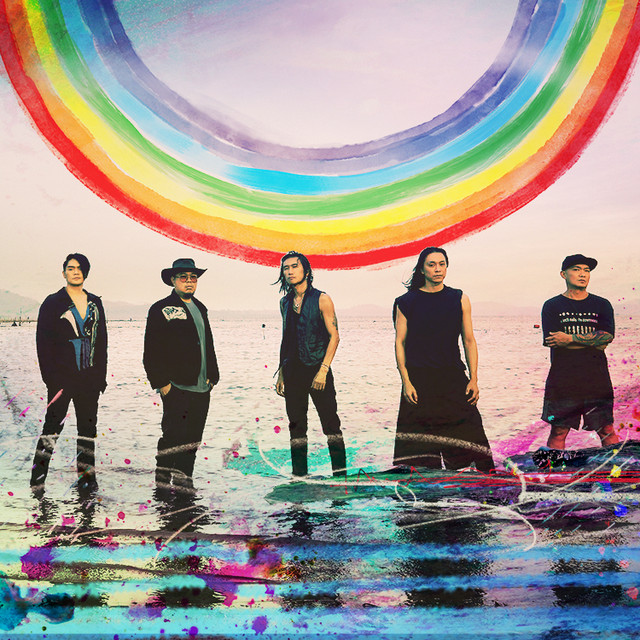
F.HERO
Listen
3
/5
Genres
Nu-Metalcore
Nu‑metalcore (often nicknamed "nu‑core") blends the bounce, hip‑hop inflections, and downtuned groove of late‑1990s nu metal with the breakdown‑heavy aggression and precise syncopation of 2000s metalcore. Expect sharply gated, low‑tuned riffs, halftime drops, and elastic grooves that swing between punchy chugs and percussive, djent‑like accents. Vocals typically jump from harsh screams and pitched‑down growls to rap‑leaning cadences and hooky, melodic choruses. Electronic textures—turntable cuts, glitch edits, sub‑drops, and 808 layers—are common, supporting a glossy yet crushing modern production aesthetic. Lyrically, the style carries nu metal’s confessional angst and social frustration while adopting metalcore’s cathartic intensity and mosh‑centric energy. The result is a contemporary, club‑ready heaviness that feels both nostalgic and forward‑looking.
Discover
Listen
Thai Trap
Thai trap is Thailand’s localized take on modern trap hip hop, marrying thunderous 808 sub‑bass, stuttering hi‑hat rolls, and halftime grooves with Thai‑language flows and hooks. Producers often blend contemporary trap sound design with local color—snippets of luk thung and mor lam melodies, pentatonic riffs, or timbres reminiscent of Thai folk instruments—while vocalists switch between melodic Auto‑Tuned choruses and punchy rap cadences. The scene thrives on YouTube, TikTok, and streaming platforms, with visuals that mix streetwear aesthetics, Bangkok nightlife, and regional pride. Lyrically, Thai trap ranges from braggadocio and party anthems to social commentary, code‑switching between Thai and English slang. The result is a distinctly Thai identity within a globally recognizable trap framework.
Discover
Listen
Alternative Idol
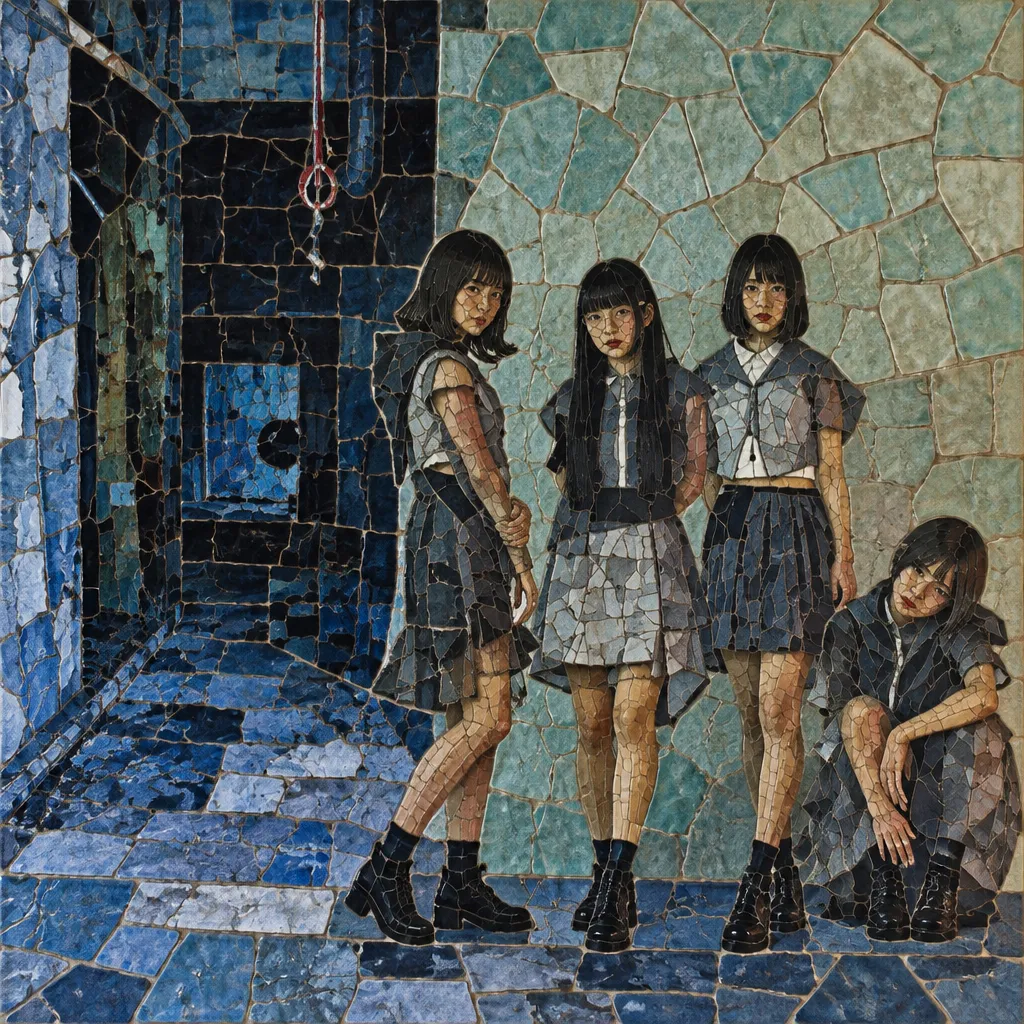
Alternative idol (often shortened to alt-idol) is a Japanese offshoot of the idol scene that fuses conventional pop-idol vocal formats and choreography with underground and left-field music aesthetics. Instead of polished, uniformly cheerful arrangements, alternative idol projects lean into punk, post-punk, noise, metal, industrial, and experimental electronics, often embracing darker themes, abrasive timbres, and performance-art sensibilities. The result preserves the immediacy, hooks, and audience participation of idols while introducing unpredictable song structures, heavier guitars, club-ready drops, screams or harsh vocals, and conceptual imagery. Visually and lyrically, alt‑idol cultivates a self-aware, sometimes subversive response to mainstream idol culture—playing with vulnerability, catharsis, and satire—yet still prioritizing big choruses, chantable hooks, and high-energy live shows.
Discover
Listen
Jirai Kei
Jirai kei is a recent Japanese internet-born pop micro‑genre and aesthetic that blends cute, sugary sounds with darker, obsessive and self‑destructive themes. The term comes from a fashion/aesthetic scene associated with yamikawaii and menhera culture, and in music it describes songs that sound soft and adorable on the surface but conceal lyrics about toxic love, dependency, jealousy, and emotional volatility. Sonically, jirai kei draws from J‑pop and Vocaloid traditions (denpa/picopop brightness, catchy hooks) while adopting modern hyperpop gloss, trap/EDM percussion, and highly edited, youthful vocals. The contrast between childlike, pastel timbres and intense, confessional writing is central to the style, making it both immediately hooky and emotionally sharp—an audio embodiment of “cute but dangerous.”
Discover
Listen
Post-Post-Hardcore
Post-post-hardcore is a polished, third-wave offshoot of post-hardcore that crystallized in the 2010s. It fuses the genre’s emotive, dynamic vocals and tension-release structures with modern pop hooks, electronic programming, and metalcore heft. Compared with classic post-hardcore, it favors glossy production, radio-leaning choruses, and hybridized textures—think syncopated djent-lite riffs under bright synths, EDM-style risers and drops, half-time breakdowns, and call-and-response vocals (screamed versus soaring cleans). The result is an accessible yet intense sound that thrives in the internet era of playlists, YouTube covers, and scene cross-pollination.
Discover
Listen
Small Room
Small room is a contemporary micro‑genre that sits near bedroom pop and intimate indie folk, defined by hushed, close‑miked vocals, minimal arrangements, and soft dynamics. Its recordings emphasize the natural, dry sound of a single space—often literally a small room—creating an intimate, confessional atmosphere. Typical instrumentations include gentle acoustic or clean electric guitar, soft piano, understated electronic drums, and airy pads or lo‑fi textures. Tempos are moderate to slow, harmonic movement is simple and diatonic, and lyrics focus on introspection, relationships, and everyday detail. The overall aesthetic privileges understatement, warmth, and proximity, as if the artist were singing a private demo directly to the listener.
Discover
Listen
K-Pop
K-pop is a contemporary popular music genre from South Korea that blends Western pop, hip hop, R&B, electronic dance music, and local sensibilities into highly polished, multimedia-driven productions. It is characterized by hook-heavy songwriting, modular song structures with dynamic section changes, crisp choreography, concept-driven visuals, and intensive idol training systems. Songs frequently mix Korean with English phrases, employ layered vocal harmonies and rap breaks, and are supported by elaborate music videos and synchronized stage performances that are integral to the genre’s identity.
Discover
Listen
Thai Hip Hop
Thai hip hop is the localized expression of rap culture in Thailand, blending the rhythmic speech, sampling aesthetics, and beat-making of global hip hop with Thai language, regional dialects, and local cultural references. Early Thai hip hop drew on boom-bap and G‑funk, while the 2010s ushered in trap’s 808-heavy sound, rapid hi-hats, and cinematic atmospheres. Artists frequently code-switch between Thai and English, incorporate slang, and reference everyday life, nightlife, and social realities. Some acts also fuse elements of luk thung and mor lam (Isaan musical traditions), or experiment with pop hooks and R&B melodies to reach broader audiences. Lyrically, the genre ranges from party anthems and romantic storytelling to pointed social commentary. The scene spans major-label stars and independent crews, with battle circuits and TV rap competitions helping to expand reach and refine performance craft.
Discover
Listen
Pop Rap
Pop rap blends the rhythmic vocal delivery and beat-centric production of hip hop with the catchy hooks, polished structures, and radio-friendly sensibilities of pop music. It typically features melodic choruses (often sung), accessible themes, and mid-tempo grooves designed for mass appeal. Production prioritizes clean, bright sonics, simple harmonic progressions, and memorable top-line melodies, while verses keep to clear, punchy flows that are easy for broad audiences to follow. Because it sits between two commercial powerhouses—pop and hip hop—pop rap has frequently served as a gateway for mainstream listeners to explore rap, while giving hip hop artists a framework to cross over to pop charts.
Discover
Listen
T-Pop
T-pop is the umbrella term for contemporary Thai popular music. It blends Western pop structures and production with local Thai sensibilities, including melodic turns from luk thung/luk krung and regional styles like mor lam. In practice, T-pop ranges from glossy dance-pop and synth-pop to guitar-led pop-rock and tender ballads, often featuring bilingual Thai–English hooks, rap breaks, and choreography-friendly arrangements. Since the late 2010s, a renewed "T-pop" branding has highlighted idol groups and highly visual, social media–driven campaigns, while a parallel stream of singer–songwriters and pop-rock bands maintains the genre’s breadth.
Discover
Listen
Luk Thung
Luk thung (literally “child of the fields”) is Thailand’s post–World War II rural popular song style, often described as Thai country. It arose in central Thailand and was quickly embraced nationwide, especially in the northeast. Musically, it fuses Thai melodic sensibilities and ornamented, vibrato‑rich singing with hybrid ensembles that mix traditional instruments (e.g., khaen/khene, phin, saw duang/saw u, ranat) and Western band formats (electric guitars, bass, drum kit, brass, keyboards). Its rhythms and arrangements show cosmopolitan influences from Japanese enka, Indonesian kroncong/dangdut currents, Latin American dance idioms (mambo, rumba, bolero), and American country and popular music. Characteristic features include slow to moderate tempos, expressive melisma and portamento, lyrical storytelling about rural life, love and migration, and a polished stagecraft that blends folk identity with popular showmanship.
Discover
Listen
Show all 11 genres
Similar artists
4
/5
Bodyslam
Luk Thung
Nu-Metalcore
Phleng Phuea Chiwit
3
/5
KRK
Luk Thung
Phleng Phuea Chiwit
Southern Thai Music
3
/5
Da Endorphine
Luk Thung
Phleng Phuea Chiwit
T-Pop
3
/5
โต๋เหน่อ
Luk Thung
Phleng Phuea Chiwit
Southern Thai Music
3
/5
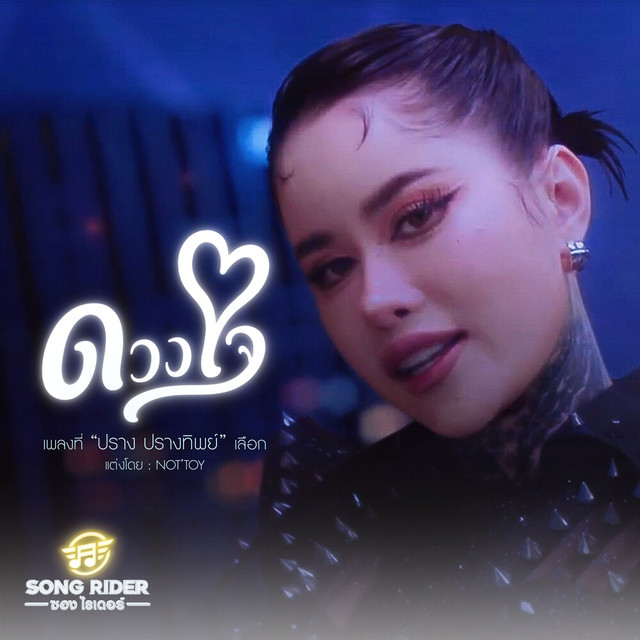
ปราง ปรางทิพย์
Luk Thung
Phleng Phuea Chiwit
Southern Thai Music
3
/5
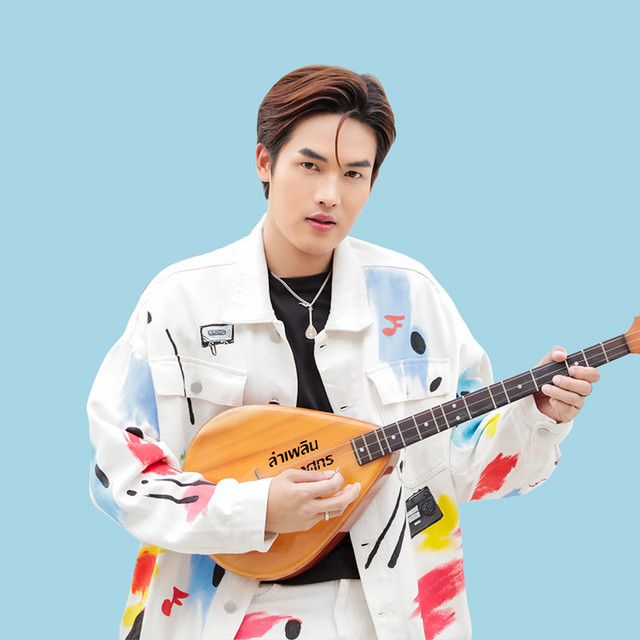
ลำเพลิน วงศกร
Luk Thung
Phleng Phuea Chiwit
Southern Thai Music
3
/5
TaitosmitH
Phleng Phuea Chiwit
Southern Thai Music
Luk Thung
3
/5
Add Carabao
Luk Thung
Phleng Phuea Chiwit
Southern Thai Music
3
/5
Wonderframe
Luk Thung
T-Pop
Thai Hip Hop
3
/5
Joey Boy
Luk Thung
T-Pop
Thai Hip Hop
Download our mobile app
Get the Melodigging app and start digging for new genres on the go
Download on the App Store
Get it on Google Play
© 2026 Melodigging
Give feedback
Legal
Melodding was created as a tribute to
Every Noise at Once
, which inspired us to help curious minds keep digging into music's ever-evolving genres.