Genres
Artists
Albums
Make Music
Sign in
Sign in
Artists
Folklore Argentino
Artists
Folklore Argentino
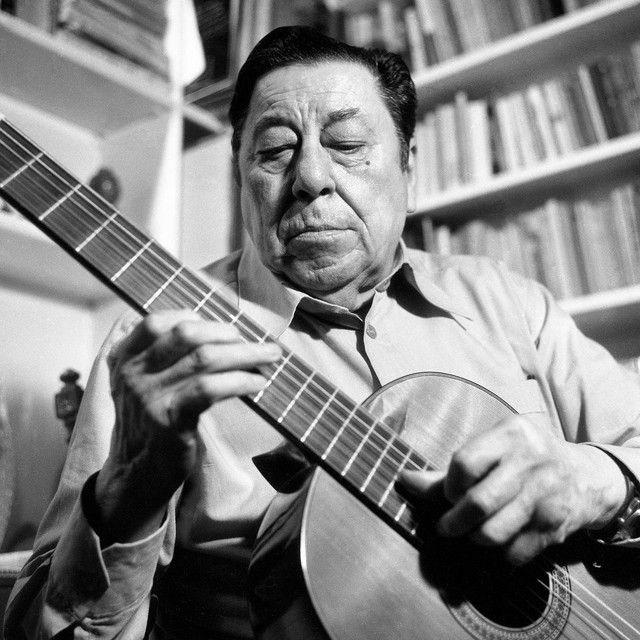
Ernesto Sábato
1991
·
1 album
Listen
1
/5
Genres
Folklore Argentino
Folklore argentino (música folklórica argentina) is the umbrella term for Argentina’s regional traditional music and song. It gathers styles such as chacarera and zamba from the Northwest, chamamé and rasguido doble from the Litoral, cueca and tonada cuyana from Cuyo, malambo and milonga pampeana from the Pampas, vidala and baguala from the Andean northwest, and many more. While its roots stretch back to the colonial era and to indigenous traditions, the genre crystallized as a modern national repertoire during the mid‑20th‑century folkloric boom. It is marked by guitar-based accompaniment (rasgueado strumming), bombo legüero drum pulses, rich vocal traditions (solo and choral), and dance forms in compound meters with characteristic hemiolas. Themes often evoke the land, the gaucho, love and longing, community festivities, indigenous memory, and social justice.
Discover
Listen
Spoken Word
Spoken word is a performance-centered genre where text—poems, monologues, stories, or manifestos—is delivered aloud with musicality in voice rather than through singing. It may be entirely a cappella or accompanied by sparse instrumentation (often jazz combos, ambient textures, or minimal electronics) that frames the cadence and rhetoric of the performer. The emphasis is on language: prosody, pacing, imagery, and argument. Pieces often explore personal narratives, social critique, and political themes, drawing on techniques such as internal rhyme, alliteration, and repetition. While recordings exist, the tradition is fundamentally live, prioritizing immediacy, audience engagement, and oratorical presence.
Discover
Listen
Romance
Romance is a term with two closely related musical meanings. 1) In medieval and early modern Spain it denotes a narrative sung poem (romancero): strophic ballads built from octosyllabic lines with assonant rhyme on the even lines. These songs circulated orally, later appearing in cancioneros and spreading across the Iberian world and into Sephardic and Hispanic American traditions. 2) From the late 18th century the word was adopted in art music for brief, simple, and tender lyrical pieces—sometimes vocal but very often purely instrumental (e.g., for violin, piano, or winds). As The Oxford Dictionary of Music notes, it generally implies a specially personal, gentle, or intimate character.
Discover
Listen
Albums
1991
1
/5
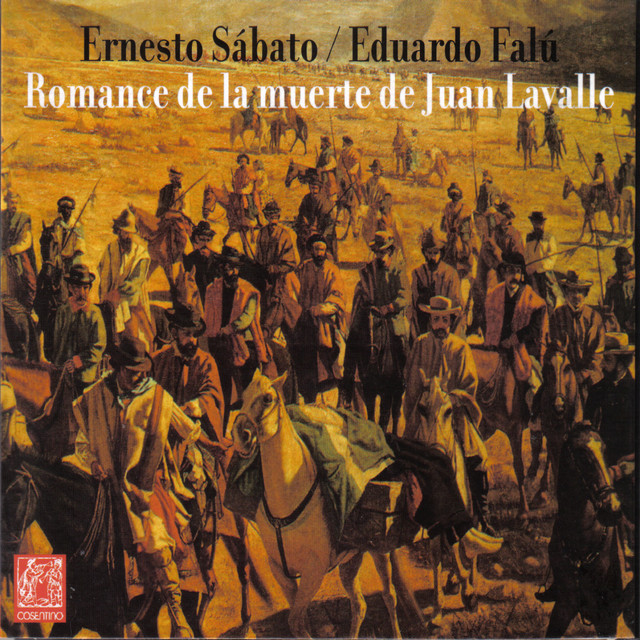
Romance de la muerte de Juan Lavalle
Ernesto Sabato & Eduardo Falú
Romance
Similar artists
1
/5
Armando Tejada Gomez
Folklore Argentino
Spoken Word
Tejano
3
/5
Atahualpa Yupanqui
Nuevo Cancionero
Argentine Music
Milonga
2
/5
Eduardo Falú
Chamamé
Folklore Argentino
Indian Indie
4
/5
Abel Pintos
Folklore Argentino
Pop Argentino
Cuarteto
4
/5
Luciano Pereyra
Folklore Argentino
Cuarteto
Cumbia Pop
4
/5
Forest Blakk
Spoken Word
Indiecoustica
Pop
4
/5
Chaqueño Palavecino
Folklore Argentino
Chacarera
Chamamé
4
/5
Mercedes Sosa
Nueva Canción
Argentine Music
Nuevo Cancionero
4
/5
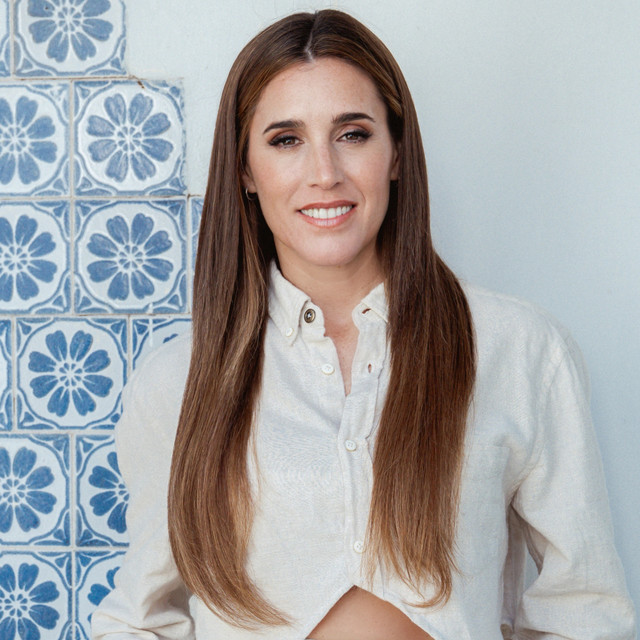
Soledad
Folklore Argentino
Chamamé
Latin Folk
3
/5
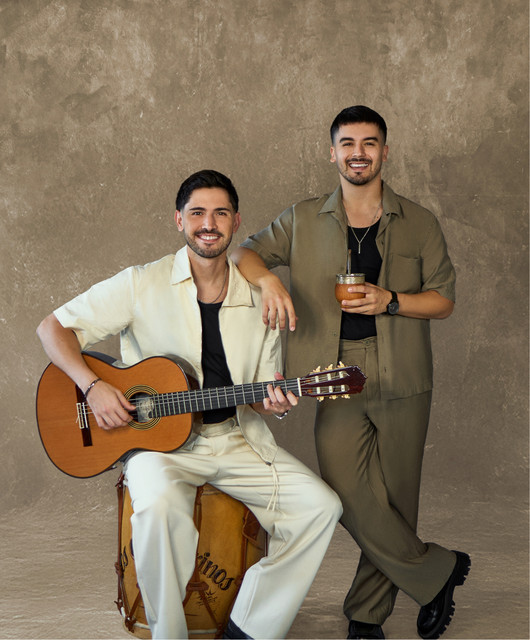
Campedrinos
Zamba
Folklore Argentino
Chamamé
Download our mobile app
Get the Melodigging app and start digging for new genres on the go
Download on the App Store
Get it on Google Play
© 2026 Melodigging
Give feedback
Legal
Melodding was created as a tribute to
Every Noise at Once
, which inspired us to help curious minds keep digging into music's ever-evolving genres.