Genres
Artists
Albums
Make Music
Sign in
Sign in
Artists
Chamamé
Artists
Chamamé
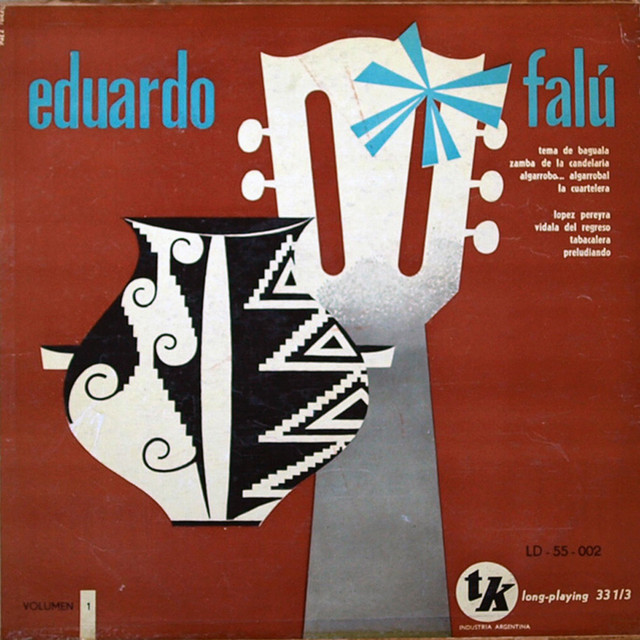
Eduardo Falú
1991
·
1 album
Listen
2
/5
Genres
Indian Indie
Indian indie is the umbrella for independent, non-film music made in India across languages such as Hindi, English, and numerous regional tongues. It is defined more by its DIY production and artist-led release model than by a single sound. Musically, it spans indie pop and rock, folk-fusion, singer‑songwriter ballads, dream‑pop/shoegaze textures, and electronic‑leaning productions. Artists often blend Western harmony and song forms with raga‑tinged melodies, Indian rhythmic feels, and occasional use of traditional instruments like tabla, bansuri, or sitar. The scene grew rapidly with college festivals, small venues, and digital platforms (YouTube, streaming services, Bandcamp), plus boutique labels and festivals such as NH7 Weekender that created national visibility. Lyrically, it tends to be intimate and contemporary—touching on romance, urban life, identity, and nostalgia—while maintaining accessible hooks and warm, organic sonics.
Discover
Listen
Folklore Argentino
Folklore argentino (música folklórica argentina) is the umbrella term for Argentina’s regional traditional music and song. It gathers styles such as chacarera and zamba from the Northwest, chamamé and rasguido doble from the Litoral, cueca and tonada cuyana from Cuyo, malambo and milonga pampeana from the Pampas, vidala and baguala from the Andean northwest, and many more. While its roots stretch back to the colonial era and to indigenous traditions, the genre crystallized as a modern national repertoire during the mid‑20th‑century folkloric boom. It is marked by guitar-based accompaniment (rasgueado strumming), bombo legüero drum pulses, rich vocal traditions (solo and choral), and dance forms in compound meters with characteristic hemiolas. Themes often evoke the land, the gaucho, love and longing, community festivities, indigenous memory, and social justice.
Discover
Listen
Chamamé
Chamamé is a traditional dance-music style from Argentina’s Litoral region (especially the province of Corrientes) characterized by a flowing 6/8–3/4 sesquiáltera feel, expressive accordion or bandoneón melodies, and guitars providing rhythmic and harmonic support. It is music for dancing in couples, with a swaying, gliding motion that mirrors the riverine landscapes of the Paraná and Uruguay rivers. The genre blends European social-dance influences (polka, schottische, mazurka, waltz) with Indigenous Guaraní aesthetics and language, often featuring the sapukai—a celebratory shout—within performances. Lyrically, chamamé is typically nostalgic and pastoral, evoking love, family, migration, and the natural environment, and it frequently mixes Spanish with Guaraní vocabulary.
Discover
Listen
Folk
Folk is a song-centered acoustic tradition rooted in community storytelling, everyday life, and social history. It emphasizes clear melodies, simple harmonies, and lyrics that foreground narrative, protest, and personal testimony. As a modern recorded genre, folk coalesced in the early-to-mid 20th century in the United States out of older ballad, work song, and rural dance traditions. It typically features acoustic instruments (guitar, banjo, fiddle, mandolin, harmonica), strophic song forms, and participatory singing (choruses, call-and-response).
Discover
Listen
Romance
Romance is a term with two closely related musical meanings. 1) In medieval and early modern Spain it denotes a narrative sung poem (romancero): strophic ballads built from octosyllabic lines with assonant rhyme on the even lines. These songs circulated orally, later appearing in cancioneros and spreading across the Iberian world and into Sephardic and Hispanic American traditions. 2) From the late 18th century the word was adopted in art music for brief, simple, and tender lyrical pieces—sometimes vocal but very often purely instrumental (e.g., for violin, piano, or winds). As The Oxford Dictionary of Music notes, it generally implies a specially personal, gentle, or intimate character.
Discover
Listen
Classical
Classical music is the notated art-music tradition of Europe and its global descendants, characterized by durable forms, carefully codified harmony and counterpoint, and a literate score-based practice. The term “classical” can refer broadly to the entire Western art-music lineage from the Medieval era to today, not just the Classical period (c. 1750s–1820s). It privileges long-form structures (such as symphonies, sonatas, concertos, masses, and operas), functional or modal harmony, thematic development, and timbral nuance across ensembles ranging from solo instruments to full orchestras and choirs. Across centuries, the style evolved from chant and modal polyphony to tonal harmony, and later to post-tonal idioms, while maintaining a shared emphasis on written notation, performance practice, and craft.
Discover
Listen
Albums
1991
1
/5
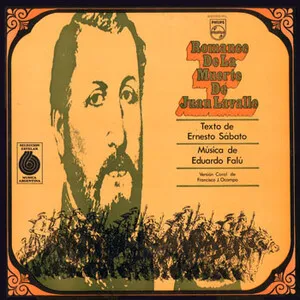
Romance de la muerte de Juan Lavalle
Ernesto Sabato & Eduardo Falú
Romance
Similar artists
4
/5
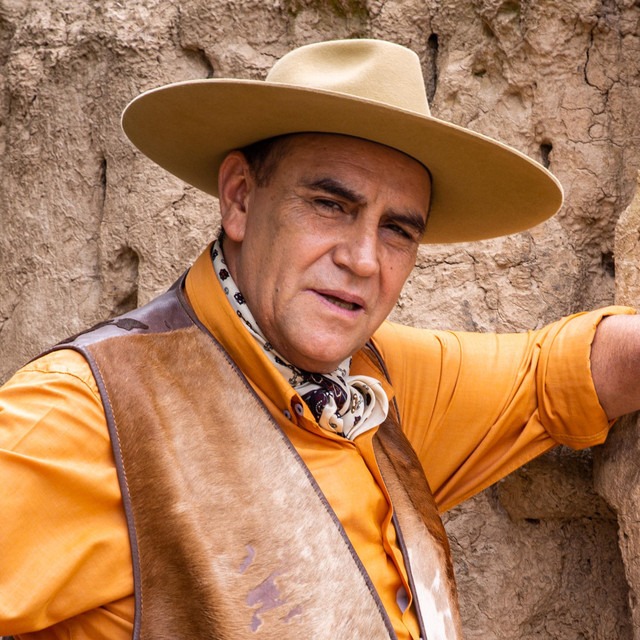
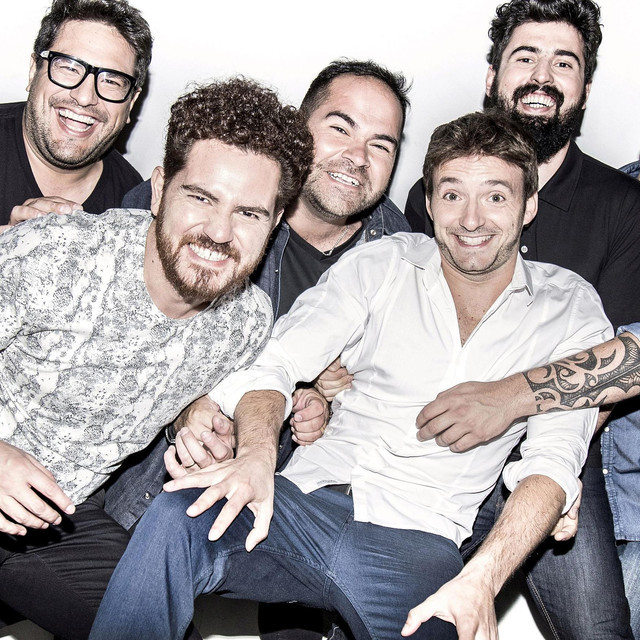
Chaqueño Palavecino
Folklore Argentino
Chacarera
Chamamé
4
/5
Mercedes Sosa
Nueva Canción
Argentine Music
Nuevo Cancionero
4
/5
Soledad
Folklore Argentino
Chamamé
Latin Folk
3
/5
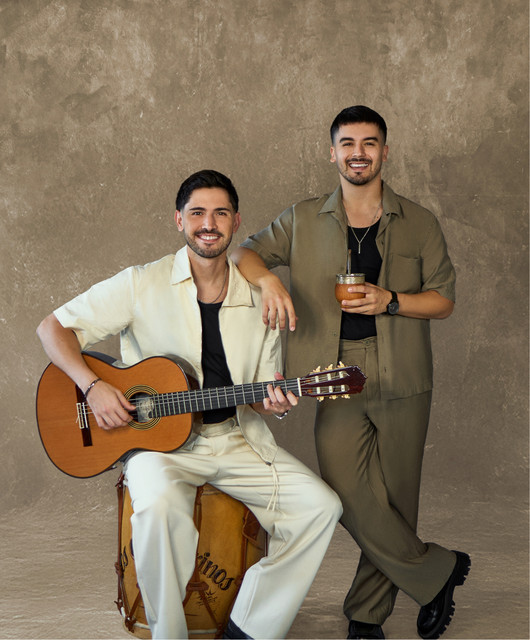
Campedrinos
Zamba
Folklore Argentino
Chamamé
3
/5
Los Huayra
Chamamé
Folk
Folklore Argentino
3
/5
Esto es ¡FA!
Chamamé
Folklore Argentino
3
/5
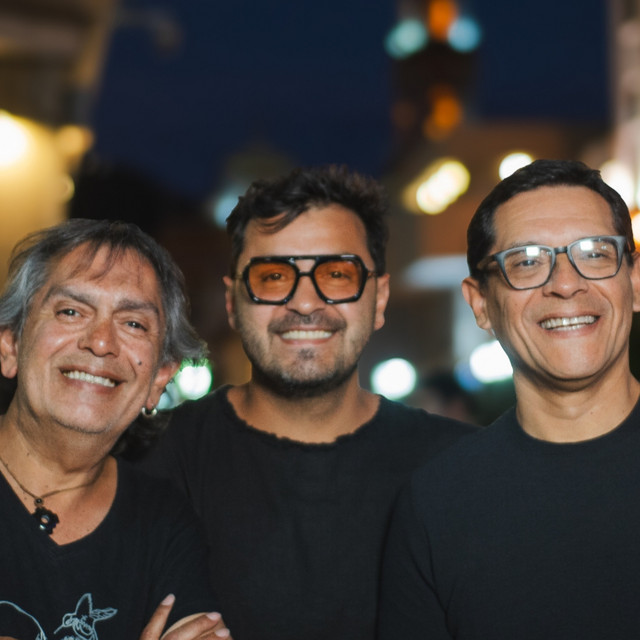
Los Nocheros
Chamamé
Folclor Andino
Folklore Argentino
3
/5
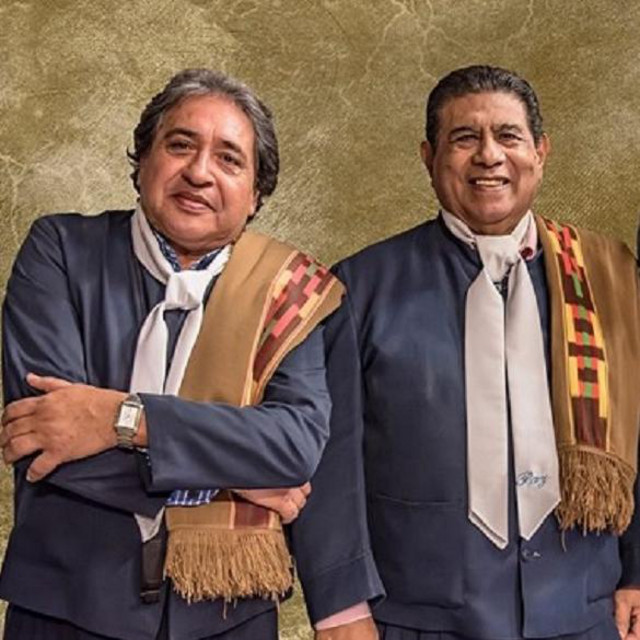
Los Manseros Santiagueños
Folklore Argentino
Chamamé
Chacarera
3
/5
Santiago Cañete
Folklore Argentino
Chamamé
Cuarteto
3
/5
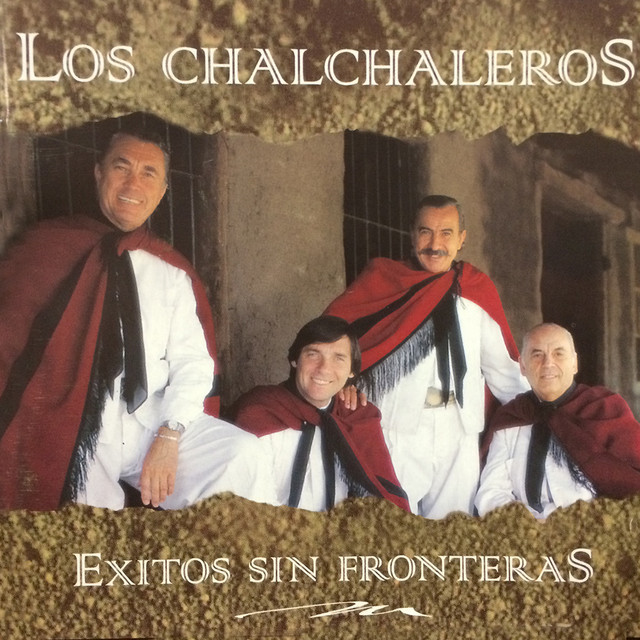
Los Chalchaleros
Zamba
Chamamé
Chacarera
Download our mobile app
Get the Melodigging app and start digging for new genres on the go
Download on the App Store
Get it on Google Play
© 2026 Melodigging
Give feedback
Legal
Melodding was created as a tribute to
Every Noise at Once
, which inspired us to help curious minds keep digging into music's ever-evolving genres.