Genres
Artists
Albums
Make Music
Sign in
Sign in
Artists
Chamamé
Artists
Chamamé
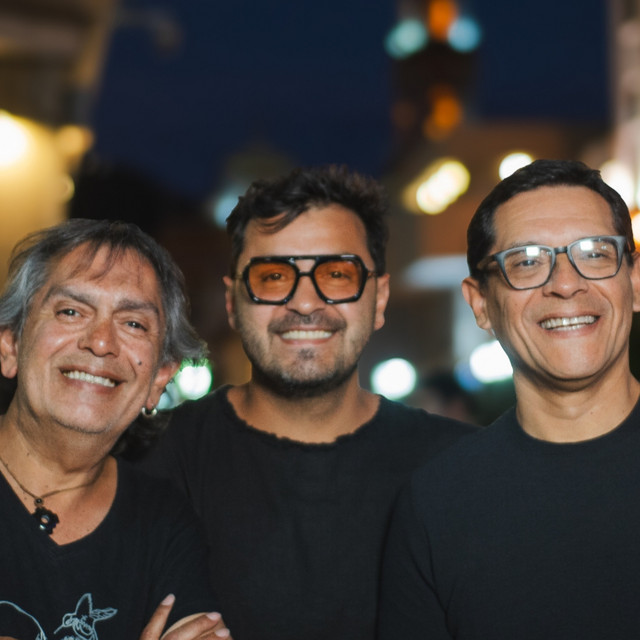
Los Nocheros
Listen
3
/5
Genres
Cumbia 420
Cumbia 420 is a contemporary Argentine micro‑genre that fuses the 2/4 swing and keyboard riffs of cumbia villera with the dembow/reggaetón pulse and trap/hip‑hop aesthetics. Built around minor‑key synth hooks, booming 808 sub‑bass, whistle/lead “silbido” lines and heavily Auto‑Tuned vocals, it keeps cumbia’s street‑party groove while adopting urban club sound design and lyrical themes tied to barrio life and cannabis (“420”). The result is a raw, dance‑forward style that sits between a cumbia sound system and an urban club set: simple, sticky melodies; aggressive percussive programming; and catchy call‑and‑response hooks designed for social media virality and neighborhood parties.
Discover
Listen
Musica Campineira
Música campineira refers to the contemporary independent music made in and around Campinas (São Paulo state, Brazil). It is not a single codified style, but a city‑tagged scene that blends MPB songwriting, Brazilian rock, Tropicália’s exploratory spirit, indie rock/pop textures and a dose of samba‑rock and bossa rhythms. Because it is scene‑based, you will hear a spectrum that runs from intimate voice‑and‑guitar MPB and chamber‑pop projects to guitar‑driven indie rock, synth‑tinged bedroom pop and groove‑oriented bands. What unites it is a regional identity shaped by the city’s universities (notably UNICAMP), DIY venues, collectives, and small labels that foster collaboration and stylistic cross‑pollination.
Discover
Listen
Folclor Andino
Folclor andino is the pan‑regional folk music of the Andean highlands, shaped by Indigenous Quechua and Aymara traditions and later mestizo influences. It centers on wind instruments such as quena (notched flute) and zampoña/siku (panpipes), the small 10‑string charango, guitar, and deep hand‑drummed bombos, producing bright timbres over earthy rhythms. Melodically it favors pentatonic and natural minor (Aeolian/Dorian) scales, parallel thirds, antiphonal hocketing between panpipe parts, and cyclical ostinatos. Repertoire often draws from regional forms like huayno, yaraví, carnavalito, and related highland dances, with lyrics that invoke the mountains, Pachamama (Mother Earth), love, migration, and social realities. As a modern stage and recording genre, folclor andino coalesced mid‑20th century when urban ensembles standardized instrumentation and performance, later intersecting with nueva canción’s socially engaged aesthetics and spreading globally through tours and world‑music circuits.
Discover
Listen
Folklore Argentino
Folklore argentino (música folklórica argentina) is the umbrella term for Argentina’s regional traditional music and song. It gathers styles such as chacarera and zamba from the Northwest, chamamé and rasguido doble from the Litoral, cueca and tonada cuyana from Cuyo, malambo and milonga pampeana from the Pampas, vidala and baguala from the Andean northwest, and many more. While its roots stretch back to the colonial era and to indigenous traditions, the genre crystallized as a modern national repertoire during the mid‑20th‑century folkloric boom. It is marked by guitar-based accompaniment (rasgueado strumming), bombo legüero drum pulses, rich vocal traditions (solo and choral), and dance forms in compound meters with characteristic hemiolas. Themes often evoke the land, the gaucho, love and longing, community festivities, indigenous memory, and social justice.
Discover
Listen
Pop
Pop is a broad, hook-driven style of popular music designed for wide appeal. It emphasizes memorable melodies, concise song structures, polished vocals, and production intended for radio, charts, and mass media. While pop continually absorbs elements from other styles, its core remains singable choruses, accessible harmonies, and rhythmic clarity. Typical forms include verse–pre-chorus–chorus, frequent use of bridges and middle-eights, and ear-catching intros and outros. Pop is not defined by a single instrumentation. It flexibly incorporates acoustic and electric instruments, drum machines, synthesizers, and increasingly digital production techniques, always in service of the song and the hook.
Discover
Listen
Latin
Latin (as a genre label) is a broad umbrella used by the recording industry to categorize popular music rooted in Latin America, the Caribbean, and the Iberian world, often characterized by syncopated Afro-diasporic rhythms, dance-forward grooves, and lyrics primarily in Spanish or Portuguese. As a marketplace category that took shape in the mid-20th century United States, it gathers diverse traditions—Afro-Cuban, Brazilian, Mexican, and Caribbean styles—into a shared space. In practice, "Latin" spans everything from big-band mambo and bolero ballads to contemporary pop, rock, hip hop, and dance fusions produced by artists of Latin American heritage.
Discover
Listen
Chamamé
Chamamé is a traditional dance-music style from Argentina’s Litoral region (especially the province of Corrientes) characterized by a flowing 6/8–3/4 sesquiáltera feel, expressive accordion or bandoneón melodies, and guitars providing rhythmic and harmonic support. It is music for dancing in couples, with a swaying, gliding motion that mirrors the riverine landscapes of the Paraná and Uruguay rivers. The genre blends European social-dance influences (polka, schottische, mazurka, waltz) with Indigenous Guaraní aesthetics and language, often featuring the sapukai—a celebratory shout—within performances. Lyrically, chamamé is typically nostalgic and pastoral, evoking love, family, migration, and the natural environment, and it frequently mixes Spanish with Guaraní vocabulary.
Discover
Listen
Chacarera
Chacarera is a traditional Argentine folk genre and partner dance that emerged in the rural province of Santiago del Estero. It is typically played on guitar, violin, and bombo legüero, with singers delivering verses in the copla tradition. The music features the characteristic Latin American hemiola, alternating or superimposing 6/8 and 3/4 feels to create forward motion and a lively, swaying groove. Dancers face each other in lines and never embrace, using handkerchiefs to flirt and mark figures such as vueltas, zapateo (percussive footwork), zarandeo (graceful shaking), and coronación. Musically, chacareras often employ simple harmonic progressions (I–V–I with modal color), catchy violin melodies, rasgueado guitar strums, and the deep pulse of the bombo. Variants include the chacarera simple, chacarera doble (extended structure), and chacarera trunca (with a compelling, "tripped" accent pattern).
Discover
Listen
Zamba
Zamba (with “z”) is a traditional Argentine song-and-dance form, distinct from Brazilian samba. It is a lyrical, courtship-oriented couple dance from Argentina’s northwest that uses a handkerchief (pañuelo) as a central prop. Musically, zamba is most often set in 6/8 with frequent hemiola (3:2) interplay against 3/4, producing a gently lilting yet subtly syncopated feel. Tempos are moderate to slow, and melodies are cantabile and expressive, with strophic forms that highlight poetic verses (coplas). Typical instrumentation includes voice, nylon‑string guitar (fingerpicked arpeggios), and bombo legüero; charango, violin, and other folk instruments may appear. The mood is romantic, nostalgic, and tender, with lyrics that often celebrate landscape, memory, and intimate dialogue. Iconic pieces like “Zamba de mi esperanza,” “La López Pereyra,” and “Alfonsina y el mar” exemplify its blend of poetic sensibility and graceful dance impulse.
Discover
Listen
Show all 9 genres
Similar artists
3
/5
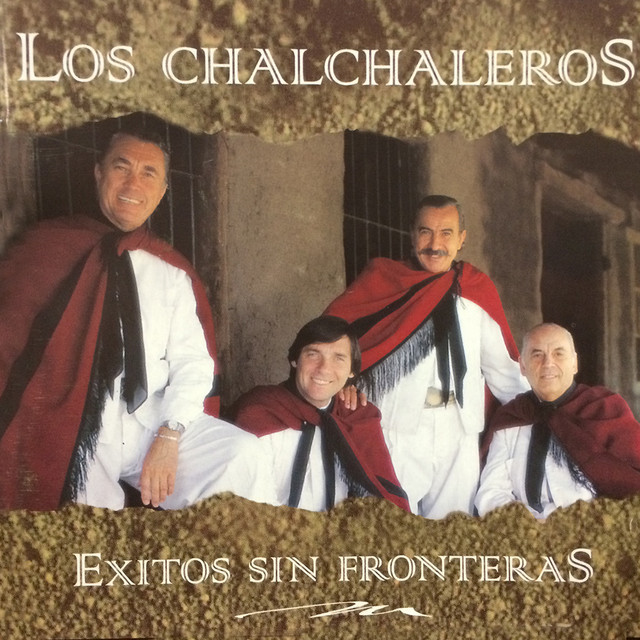
Los Chalchaleros
Zamba
Chamamé
Chacarera
3
/5
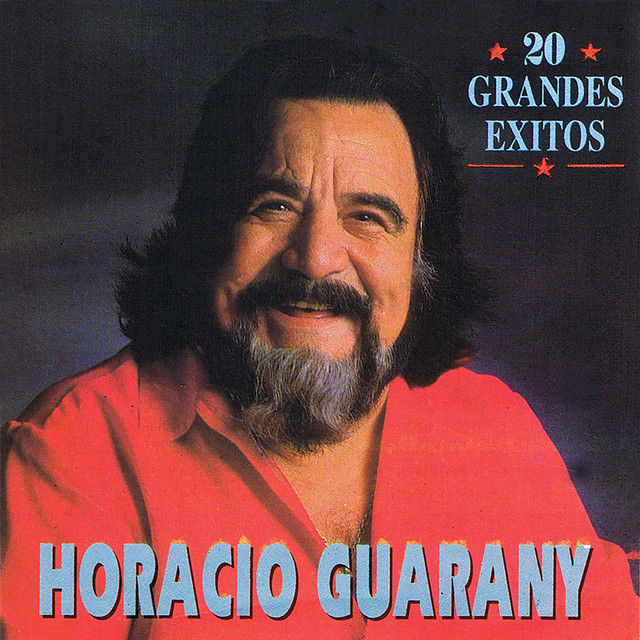
Horacio Guarany
Folklore Argentino
Chacarera
Chamamé
2
/5
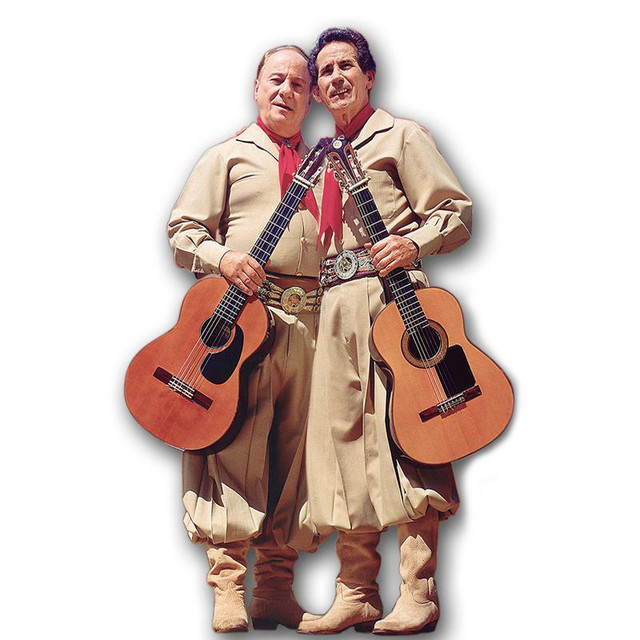
Los De Salta
Chamamé
Folclor Andino
Folklore Argentino
4
/5
Mercedes Sosa
Nueva Canción
Argentine Music
Nuevo Cancionero
3
/5
AHYRE
Chamamé
Folclor Andino
Folklore Argentino
3
/5
Los Tekis
Chamamé
Folclor Andino
Folklore Argentino
3
/5
Los Visconti
Bolero
Chamamé
Folclor Andino
2
/5
Dalmiro Cuellar
Chamamé
Folclor Andino
Folklore Argentino
2
/5
Tunay
Chamamé
Folclor Andino
Folklore Argentino
2
/5
Natalia Pastorutti
Chamamé
Folclor Andino
Folklore Argentino
Download our mobile app
Get the Melodigging app and start digging for new genres on the go
Download on the App Store
Get it on Google Play
© 2026 Melodigging
Give feedback
Legal
Melodding was created as a tribute to
Every Noise at Once
, which inspired us to help curious minds keep digging into music's ever-evolving genres.