Genres
Artists
Albums
Make Music
Sign in
Sign in
Artists
Chamamé
Artists
Chamamé
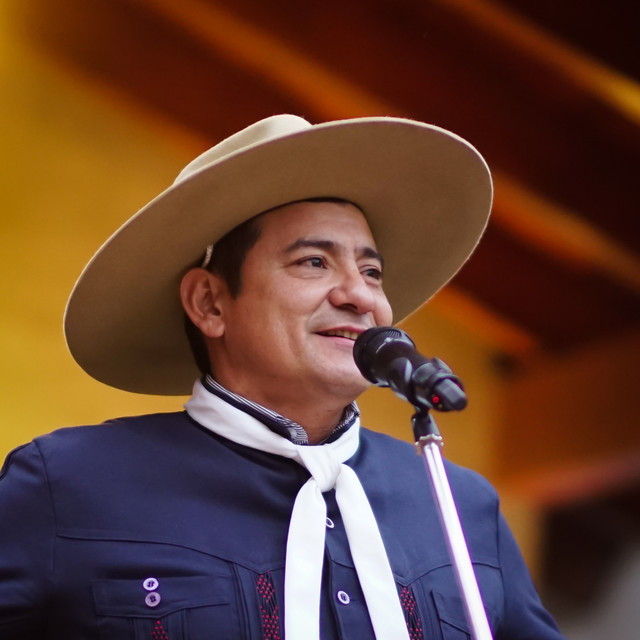
Los De Salta
4 albums
Listen
2
/5
Genres
Folclor Andino
Folclor andino is the pan‑regional folk music of the Andean highlands, shaped by Indigenous Quechua and Aymara traditions and later mestizo influences. It centers on wind instruments such as quena (notched flute) and zampoña/siku (panpipes), the small 10‑string charango, guitar, and deep hand‑drummed bombos, producing bright timbres over earthy rhythms. Melodically it favors pentatonic and natural minor (Aeolian/Dorian) scales, parallel thirds, antiphonal hocketing between panpipe parts, and cyclical ostinatos. Repertoire often draws from regional forms like huayno, yaraví, carnavalito, and related highland dances, with lyrics that invoke the mountains, Pachamama (Mother Earth), love, migration, and social realities. As a modern stage and recording genre, folclor andino coalesced mid‑20th century when urban ensembles standardized instrumentation and performance, later intersecting with nueva canción’s socially engaged aesthetics and spreading globally through tours and world‑music circuits.
Discover
Listen
Folklore Argentino
Folklore argentino (música folklórica argentina) is the umbrella term for Argentina’s regional traditional music and song. It gathers styles such as chacarera and zamba from the Northwest, chamamé and rasguido doble from the Litoral, cueca and tonada cuyana from Cuyo, malambo and milonga pampeana from the Pampas, vidala and baguala from the Andean northwest, and many more. While its roots stretch back to the colonial era and to indigenous traditions, the genre crystallized as a modern national repertoire during the mid‑20th‑century folkloric boom. It is marked by guitar-based accompaniment (rasgueado strumming), bombo legüero drum pulses, rich vocal traditions (solo and choral), and dance forms in compound meters with characteristic hemiolas. Themes often evoke the land, the gaucho, love and longing, community festivities, indigenous memory, and social justice.
Discover
Listen
Chamamé
Chamamé is a traditional dance-music style from Argentina’s Litoral region (especially the province of Corrientes) characterized by a flowing 6/8–3/4 sesquiáltera feel, expressive accordion or bandoneón melodies, and guitars providing rhythmic and harmonic support. It is music for dancing in couples, with a swaying, gliding motion that mirrors the riverine landscapes of the Paraná and Uruguay rivers. The genre blends European social-dance influences (polka, schottische, mazurka, waltz) with Indigenous Guaraní aesthetics and language, often featuring the sapukai—a celebratory shout—within performances. Lyrically, chamamé is typically nostalgic and pastoral, evoking love, family, migration, and the natural environment, and it frequently mixes Spanish with Guaraní vocabulary.
Discover
Listen
Tonada Chilena
Tonada chilena is a lyrical, strophic song form from central Chile, distinct from the livelier cueca and typically performed at a moderate to slow tempo. It emphasizes expressive melody and poetic texts—often octosyllabic quatrains—sung over simple harmonic progressions. Rhythmically, the tonada often exhibits Iberian sesquiáltera (the interplay of 6/8 and 3/4), but it can also be felt in straightforward 3/4. Its accompaniment is traditionally carried by guitar (sometimes in alternate tunings), arpa chilena (Chilean harp), guitarrón chileno in some contexts, and occasionally accordion. The overall character is sentimental, nostalgic, and romantic, with a focus on vocal phrasing and word-painting. While the tonada shares Spanish roots with many Hispanic song forms, it matured into a distinctly Chilean idiom in the 19th and early 20th centuries and became a cornerstone of urban and rural repertoires, radio songbooks, and later the folk revival.
Discover
Listen
Chacarera
Chacarera is a traditional Argentine folk genre and partner dance that emerged in the rural province of Santiago del Estero. It is typically played on guitar, violin, and bombo legüero, with singers delivering verses in the copla tradition. The music features the characteristic Latin American hemiola, alternating or superimposing 6/8 and 3/4 feels to create forward motion and a lively, swaying groove. Dancers face each other in lines and never embrace, using handkerchiefs to flirt and mark figures such as vueltas, zapateo (percussive footwork), zarandeo (graceful shaking), and coronación. Musically, chacareras often employ simple harmonic progressions (I–V–I with modal color), catchy violin melodies, rasgueado guitar strums, and the deep pulse of the bombo. Variants include the chacarera simple, chacarera doble (extended structure), and chacarera trunca (with a compelling, "tripped" accent pattern).
Discover
Listen
Zamba
Zamba (with “z”) is a traditional Argentine song-and-dance form, distinct from Brazilian samba. It is a lyrical, courtship-oriented couple dance from Argentina’s northwest that uses a handkerchief (pañuelo) as a central prop. Musically, zamba is most often set in 6/8 with frequent hemiola (3:2) interplay against 3/4, producing a gently lilting yet subtly syncopated feel. Tempos are moderate to slow, and melodies are cantabile and expressive, with strophic forms that highlight poetic verses (coplas). Typical instrumentation includes voice, nylon‑string guitar (fingerpicked arpeggios), and bombo legüero; charango, violin, and other folk instruments may appear. The mood is romantic, nostalgic, and tender, with lyrics that often celebrate landscape, memory, and intimate dialogue. Iconic pieces like “Zamba de mi esperanza,” “La López Pereyra,” and “Alfonsina y el mar” exemplify its blend of poetic sensibility and graceful dance impulse.
Discover
Listen
Albums
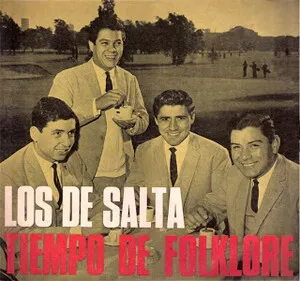
Tiempo de folklore
Los de Salta
Chacarera
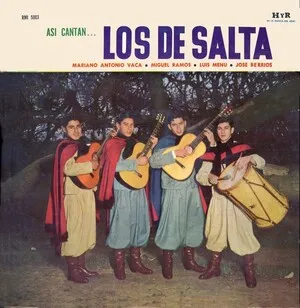
Así cantan...Los de Salta
Los de Salta
Zamba
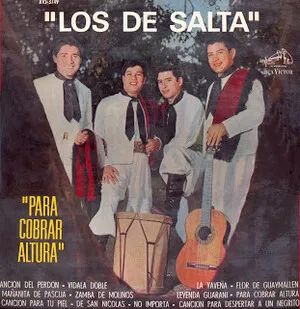
Para cobrar altura
Los de Salta
Tonada Chilena
Tiempo de folklore
Los de Salta
Tonada Chilena
Similar artists
3
/5
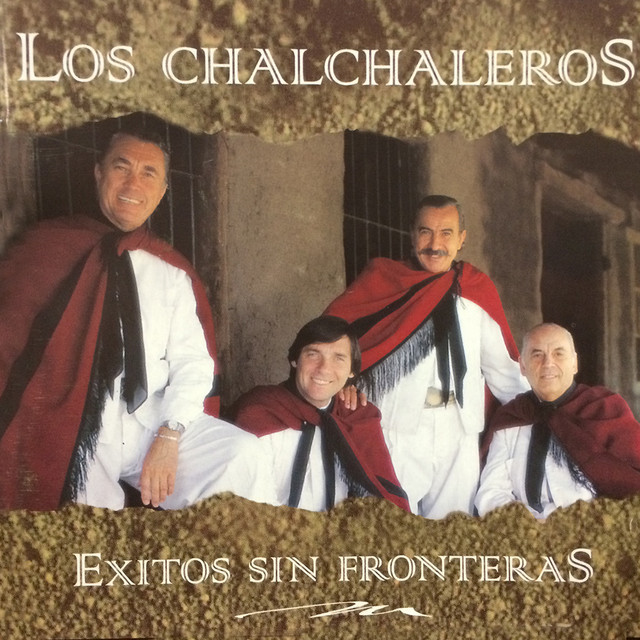
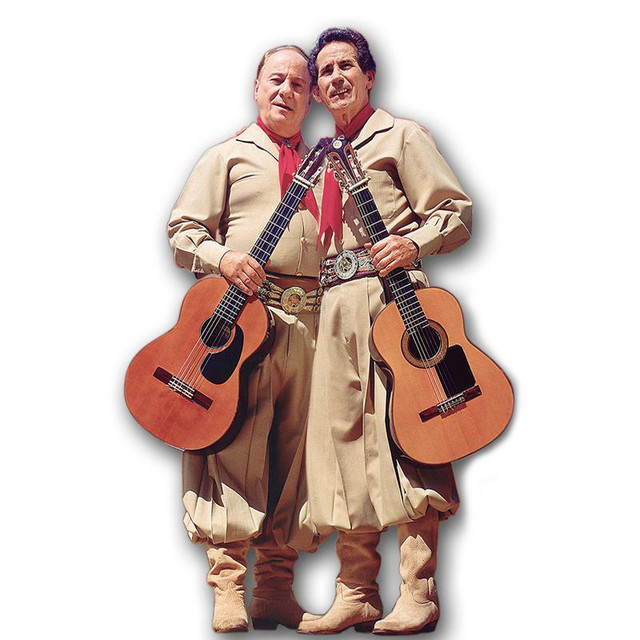
Los Chalchaleros
Zamba
Chamamé
Chacarera
3
/5
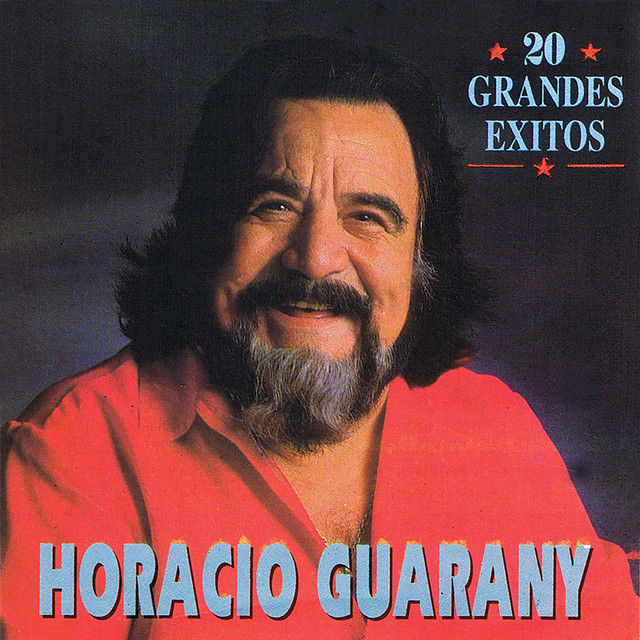
Horacio Guarany
Folklore Argentino
Chacarera
Chamamé
4
/5
Mercedes Sosa
Nueva Canción
Argentine Music
Nuevo Cancionero
3
/5
Los Nocheros
Chamamé
Folclor Andino
Folklore Argentino
3
/5
AHYRE
Chamamé
Folclor Andino
Folklore Argentino
3
/5
Los Tekis
Chamamé
Folclor Andino
Folklore Argentino
3
/5
Los Visconti
Bolero
Chamamé
Folclor Andino
2
/5
Dalmiro Cuellar
Chamamé
Folclor Andino
Folklore Argentino
2
/5
Tunay
Chamamé
Folclor Andino
Folklore Argentino
2
/5
Natalia Pastorutti
Chamamé
Folclor Andino
Folklore Argentino
Download our mobile app
Get the Melodigging app and start digging for new genres on the go
Download on the App Store
Get it on Google Play
© 2026 Melodigging
Give feedback
Legal
Melodding was created as a tribute to
Every Noise at Once
, which inspired us to help curious minds keep digging into music's ever-evolving genres.