Genres
Artists
Albums
Make Music
Sign in
Sign in
Artists
Rock Urbano Mexicano
Artists
Rock Urbano Mexicano
El Haragán y Compañía
1992–2025
·
5 albums
Listen
4
/5
Genres
Musica Quintanarroense
Musica quintanarroense refers to the contemporary music scene centered in the Mexican state of Quintana Roo (Cancún, Playa del Carmen, Tulum, Chetumal), where Caribbean currents meet Yucatán‑Peninsula traditions and modern Mexican popular music. It blends coastal reggae and dancehall grooves, reggaeton and urban pop production, Yucatecan roots such as jarana and trova, and local Maya practices like Mayapax ensembles. Because the state is a tourism hub with constant cultural interchange, electronic club sound design, indie rock, and tropical cumbia often coexist in the same catalog, yielding a sun‑soaked, beach‑city aesthetic with bilingual (Spanish/Maya) lyrics and Caribbean rhythmic sensibilities.
Discover
Listen
Urbano Mexicano
Urbano mexicano is the Mexican take on Latin urban music, blending reggaeton’s dembow pulse and trap’s 808 heaviness with Spanish lyrics, Mexican slang, and local storytelling. It favors sleek, dance‑ready productions, sing‑rap toplines, and catchy hooks designed for streaming and social platforms. Themes span party and romance to barrio life and digital‑age swagger, often flipping between melodic crooning and percussive rap cadences. While globally aligned with urbano latino, its sonic palette and cultural references anchor it distinctly in Mexico’s youth culture.
Discover
Listen
Bytebeat
Bytebeat is a minimalist form of algorithmic music in which very short computer programs (often a single arithmetic expression) generate raw PCM audio directly. It typically uses 8-bit integer math and a running time counter t to produce harsh, glitchy, melody-like patterns, rhythms, and textures through bitwise operations, shifts, modular arithmetic, and simple integer multiplications. The aesthetic sits between chiptune timbres and noise art: crunchy aliasing, stepping waveforms, and emergent structure arise from extremely compact code. First popularized online in 2011, bytebeat is as much a programming puzzle as it is a musical style, celebrated for revealing how complex musical behaviors can emerge from ultra-simple rules.
Discover
Listen
Rock Urbano Mexicano
Rock urbano mexicano is a Mexican rock and roll movement rooted in the working-class barrios of Mexico City. It fuses the gritty drive of hard rock and the pentatonic bite of blues rock with the narrative spirit of folk rock, sung in colloquial, often streetwise Spanish. Characterized by raw guitar tones, unvarnished vocals, and socially observant lyrics, it emerged outside mainstream media circuits in informal venues known as “hoyos funky,” building a self-sustaining scene through independent labels, swap-meets like El Chopo, and relentless live performance. The style centers on mid-tempo shuffles and straight 4/4 rock beats, guitar solos with blues phrasing, and songs that tell stories of urban life—work, love, migration, police abuse, addiction, and neighborhood pride—delivered with a rough-edged, communal energy.
Discover
Listen
Rock Urbano
Rock urbano is a Spanish working‑class strain of rock that blends hard rock riffs, bluesy guitar language, and a gritty, street‑level lyrical sensibility. It favors straightforward song forms, punchy rhythms, and raspy, lived‑in vocals over flash or studio gloss. The genre emerged as an earthy counterpoint to trendier new wave and pop scenes, centering on everyday struggle, friendship, nightlife, and social critique. Its sound is guitar‑driven, anthem‑minded, and designed for bars, clubs, and festivals, with chantable choruses and emotive solos.
Discover
Listen
Folk Rock
Folk rock is a fusion genre that blends the narrative lyricism, modal melodies, and acoustic timbres of traditional folk with the backbeat, amplification, and song structures of rock. It typically pairs acoustic or traditional instruments (acoustic guitar, mandolin, fiddle) with a rock rhythm section (electric guitar, bass, drums), often featuring chiming 12‑string guitar textures, close vocal harmonies, and socially conscious or storytelling lyrics. The result ranges from intimate, reflective ballads with a steady backbeat to more anthemic, roots‑driven rock. Emerging in the mid‑1960s through artists such as Bob Dylan and The Byrds, folk rock became a gateway for traditional and roots materials to enter mainstream popular music, and it seeded later movements from country rock and Americana to jangle pop and modern indie folk.
Discover
Listen
Hard Rock
Hard rock is a loud, riff-driven style of rock music built around heavily amplified electric guitars, a powerful rhythm section, and assertive vocals. Songs typically center on memorable, blues-based guitar riffs, strong backbeats, and energetic, often shouted or belted choruses. The genre emphasizes power, groove, and visceral impact over intricate harmony or extended improvisation. Distortion, power chords, pentatonic melodies, and call‑and‑response between vocals and guitar are core traits, while lyrical themes often explore rebellion, lust, swagger, escape, and cathartic release.
Discover
Listen
Rock En Español
Rock en español is the umbrella term for rock music performed in Spanish across Latin America and Spain. It adapts the attitude, instrumentation, and songwriting of Anglo-American rock—electric guitars, bass, drums, and hook-driven choruses—while foregrounding Spanish lyrics and local themes. The style ranges from 1960s beat- and garage-influenced bands to 1970s blues/psychedelia and the punk, new wave, and pop-rock explosions of the 1980s and 1990s. Lyrically it moves from social critique and urban realism to romance and introspection, often reflecting the political and cultural realities of Spanish-speaking countries.
Discover
Listen
Blues Rock
Blues rock is a guitar-driven style that fuses the raw feeling and 12‑bar structures of the blues with the power, volume, and rhythmic punch of rock. It emphasizes riff-based songs, pentatonic and blues-scale soloing, call‑and‑response between voice and guitar, and an expressive, often gritty vocal delivery. Typical ensembles are power trios (guitar, bass, drums) or quartet formats adding second guitar, keyboards, or harmonica, and performances commonly feature extended improvisation. Sonically, it favors overdriven tube-amp tones, sustained bends, vibrato, and dynamic contrasts, moving from shuffles and boogies to straight‑eighth rock grooves.
Discover
Listen
Ska
Ska is a Jamaican popular music style characterized by a brisk 4/4 groove, off‑beat guitar or piano upstrokes (the “skank”), walking bass lines, and punchy horn riffs. Emerging in late‑1950s Kingston dancehalls, ska fused local mento and calypso with American rhythm & blues and jazz, creating a lively sound that celebrated independence‑era optimism and street culture. Across time, ska evolved through distinct waves: the original Jamaican ska of the early 1960s, the racially integrated and politically aware 2 Tone movement in late‑1970s Britain, and the third‑wave explosion in the 1990s that blended ska with punk energy around the world.
Discover
Listen
Rock
Rock is a broad family of popular music centered on amplified instruments, a strong backbeat, and song forms that foreground riffs, choruses, and anthemic hooks. Emerging from mid‑20th‑century American styles like rhythm & blues, country, and gospel-inflected rock and roll, rock quickly expanded in scope—absorbing folk, blues, and psychedelic ideas—while shaping global youth culture. Core sonic markers include electric guitar (often overdriven), electric bass, drum kit emphasizing beats 2 and 4, and emotive lead vocals. Rock songs commonly use verse–chorus structures, blues-derived harmony, and memorable melodic motifs, ranging from intimate ballads to high‑energy, stadium‑sized performances.
Discover
Listen
Mexican Rock
Mexican rock is the umbrella term for rock music created in Mexico, blending Anglo-American rock idioms with local rhythms, instruments, and Spanish-language lyricism. It typically features electric guitars, bass, and drum set, but often integrates instruments such as trumpets, accordion, or folkloric percussion to evoke mariachi, ranchera, cumbia, and other regional styles. Lyrically, it ranges from street-level social commentary and political critique to playful wordplay and romantic storytelling, frequently using Mexican slang and cultural references. Stylistically it spans early rock and roll covers, garage and surf, psychedelic and hard rock, punk and urbano, and the 1990s alternative wave that helped define the broader movement of rock en español and Latin alternative.
Discover
Listen
Show all 12 genres
Albums
2025
2
/5
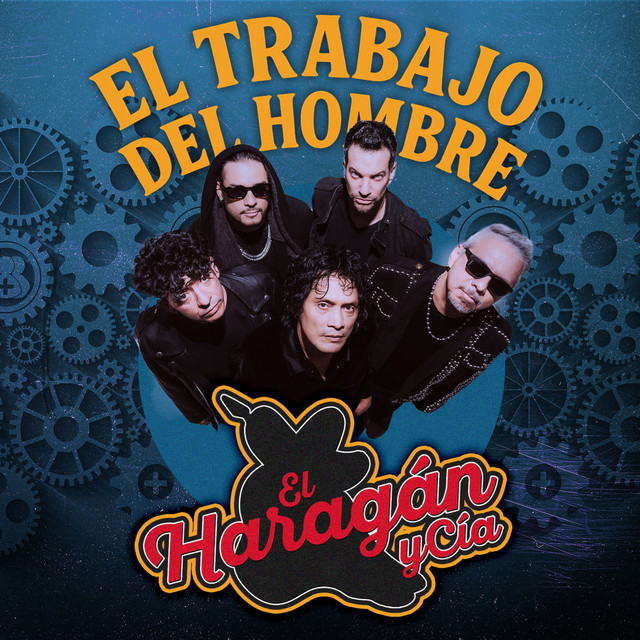
El Trabajo del Hombre
El Haragán y Compañía
Rock Urbano Mexicano
2014
3
/5
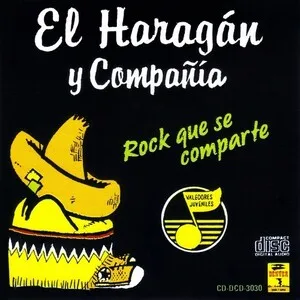
Rock que se comparte
El Haragán y Compañía
Rock Urbano Mexicano
Folk Rock
Hard Rock
2004
3
/5
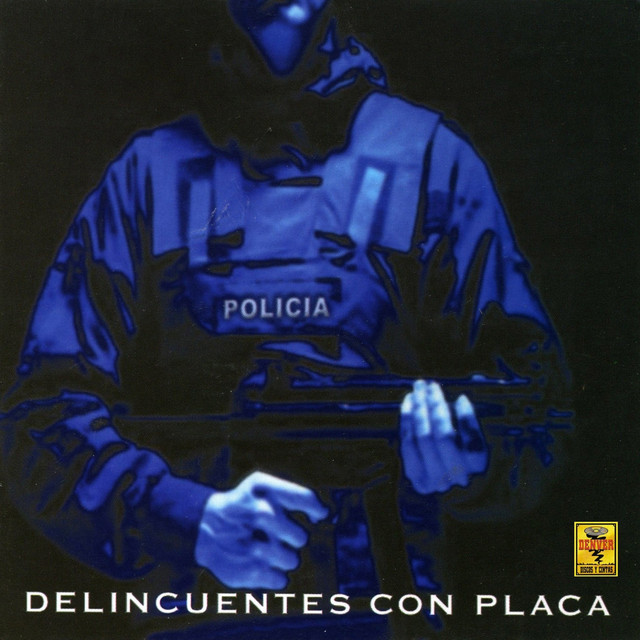
Delincuentes Con Placa
El Haragán y Compañía
Rock Urbano Mexicano
1997
3
/5
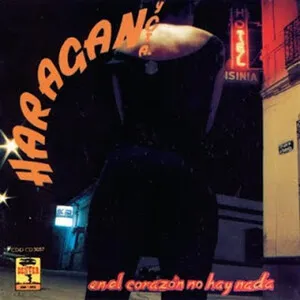
En el corazón no hay nada
Haragán y Cía
Rock Urbano Mexicano
Blues Rock
Rock
1992
4
/5
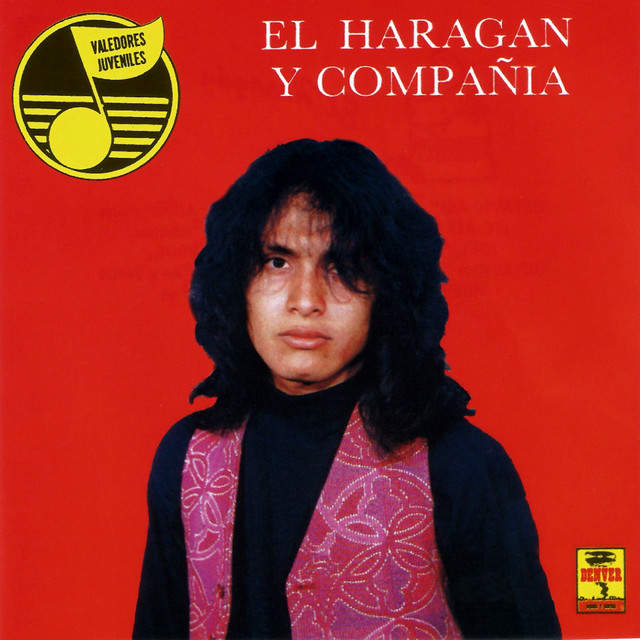
Valedores juveniles
El Haragán y Compañía
Rock Urbano Mexicano
Rock Urbano
Ska
Similar artists
1
/5
Various Artists
Afro-Funk
Alternative Rock
Ambient
4
/5
Rata Blanca
Rock Urbano Mexicano
Rock Urbano
Argentine Rock
4
/5
Liran' Roll
Rock Urbano Mexicano
Mexican Rock
Rock En Español
4
/5
Panteon Rococo
Mexican Ska
Rock Urbano
Ska
4
/5
Mägo de Oz
Celtic Metal
Celtic Rock
Medieval Rock
2
/5
Russkaja
Ska
Gypsy Punk
Rock
4
/5
Maldita Vecindad Y Los Hijos Del 5to. Patio
Ska
Mexican Ska
Latin
4
/5
El Gran Silencio
Musica Quintanarroense
Mexican Ska
Mexican Rock
3
/5
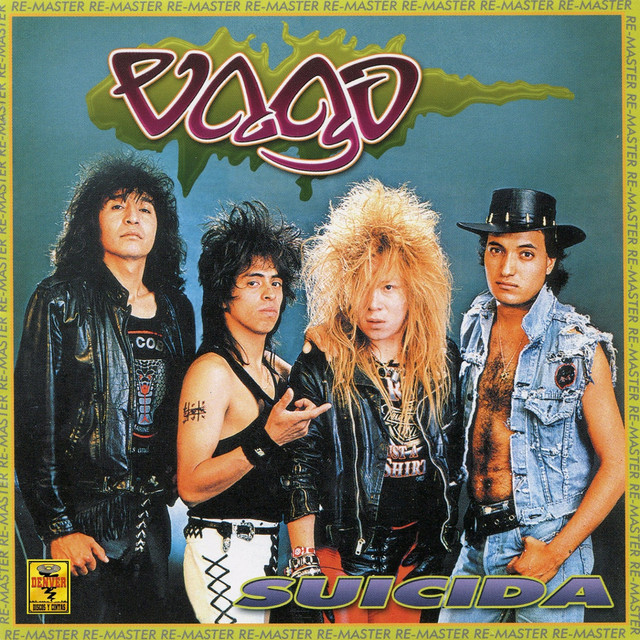
Vago
Rock Urbano Mexicano
Mexican Rock
Rock En Español
3
/5
Ángeles Del Infierno
Latin Metal
Rock Urbano Mexicano
Mexican Rock
Download our mobile app
Get the Melodigging app and start digging for new genres on the go
Download on the App Store
Get it on Google Play
© 2026 Melodigging
Give feedback
Legal
Melodding was created as a tribute to
Every Noise at Once
, which inspired us to help curious minds keep digging into music's ever-evolving genres.