Genres
Make Music
Artists
Albums
Challenges
Sign in
Sign in
Albums
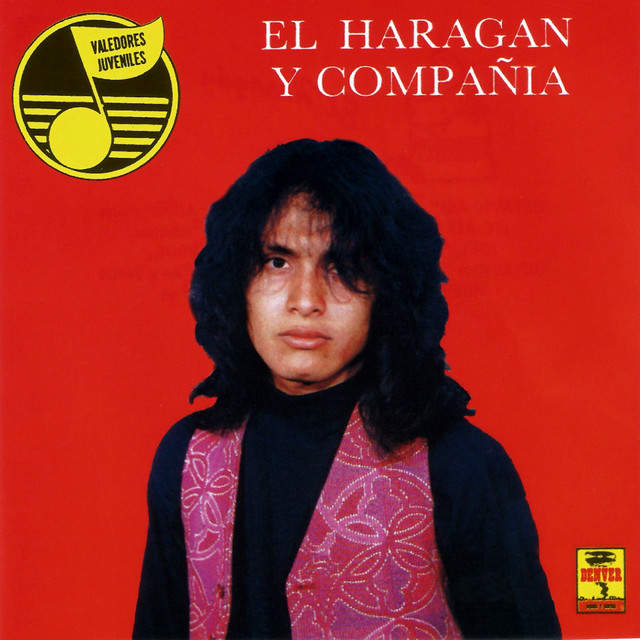
By El Haragán y Compañía
Albums
By El Haragán y Compañía
Valedores juveniles
1992
Listen
4
/5
Genres
Rock Urbano Mexicano
Rock urbano mexicano is a Mexican rock and roll movement rooted in the working-class barrios of Mexico City. It fuses the gritty drive of hard rock and the pentatonic bite of blues rock with the narrative spirit of folk rock, sung in colloquial, often streetwise Spanish. Characterized by raw guitar tones, unvarnished vocals, and socially observant lyrics, it emerged outside mainstream media circuits in informal venues known as “hoyos funky,” building a self-sustaining scene through independent labels, swap-meets like El Chopo, and relentless live performance. The style centers on mid-tempo shuffles and straight 4/4 rock beats, guitar solos with blues phrasing, and songs that tell stories of urban life—work, love, migration, police abuse, addiction, and neighborhood pride—delivered with a rough-edged, communal energy.
Discover
Listen
Rock Urbano
Rock urbano is a Spanish working‑class strain of rock that blends hard rock riffs, bluesy guitar language, and a gritty, street‑level lyrical sensibility. It favors straightforward song forms, punchy rhythms, and raspy, lived‑in vocals over flash or studio gloss. The genre emerged as an earthy counterpoint to trendier new wave and pop scenes, centering on everyday struggle, friendship, nightlife, and social critique. Its sound is guitar‑driven, anthem‑minded, and designed for bars, clubs, and festivals, with chantable choruses and emotive solos.
Discover
Listen
Folk Rock
Folk rock is a fusion genre that blends the narrative lyricism, modal melodies, and acoustic timbres of traditional folk with the backbeat, amplification, and song structures of rock. It typically pairs acoustic or traditional instruments (acoustic guitar, mandolin, fiddle) with a rock rhythm section (electric guitar, bass, drums), often featuring chiming 12‑string guitar textures, close vocal harmonies, and socially conscious or storytelling lyrics. The result ranges from intimate, reflective ballads with a steady backbeat to more anthemic, roots‑driven rock. Emerging in the mid‑1960s through artists such as Bob Dylan and The Byrds, folk rock became a gateway for traditional and roots materials to enter mainstream popular music, and it seeded later movements from country rock and Americana to jangle pop and modern indie folk.
Discover
Listen
Hard Rock
Hard rock is a loud, riff-driven style of rock music built around heavily amplified electric guitars, a powerful rhythm section, and assertive vocals. Songs typically center on memorable, blues-based guitar riffs, strong backbeats, and energetic, often shouted or belted choruses. The genre emphasizes power, groove, and visceral impact over intricate harmony or extended improvisation. Distortion, power chords, pentatonic melodies, and call‑and‑response between vocals and guitar are core traits, while lyrical themes often explore rebellion, lust, swagger, escape, and cathartic release.
Discover
Listen
Ska
Ska is a Jamaican popular music style characterized by a brisk 4/4 groove, off‑beat guitar or piano upstrokes (the “skank”), walking bass lines, and punchy horn riffs. Emerging in late‑1950s Kingston dancehalls, ska fused local mento and calypso with American rhythm & blues and jazz, creating a lively sound that celebrated independence‑era optimism and street culture. Across time, ska evolved through distinct waves: the original Jamaican ska of the early 1960s, the racially integrated and politically aware 2 Tone movement in late‑1970s Britain, and the third‑wave explosion in the 1990s that blended ska with punk energy around the world.
Discover
Listen
Rock
Rock is a broad family of popular music centered on amplified instruments, a strong backbeat, and song forms that foreground riffs, choruses, and anthemic hooks. Emerging from mid‑20th‑century American styles like rhythm & blues, country, and gospel-inflected rock and roll, rock quickly expanded in scope—absorbing folk, blues, and psychedelic ideas—while shaping global youth culture. Core sonic markers include electric guitar (often overdriven), electric bass, drum kit emphasizing beats 2 and 4, and emotive lead vocals. Rock songs commonly use verse–chorus structures, blues-derived harmony, and memorable melodic motifs, ranging from intimate ballads to high‑energy, stadium‑sized performances.
Discover
Listen
Similar albums
2014
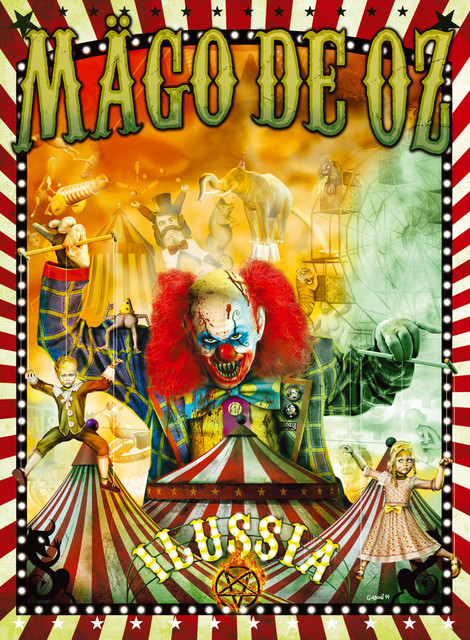
Ilussia
Mägo de Oz
2014
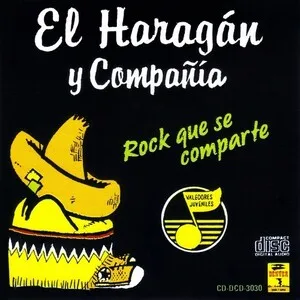
Rock que se comparte
El Haragán y Compañía
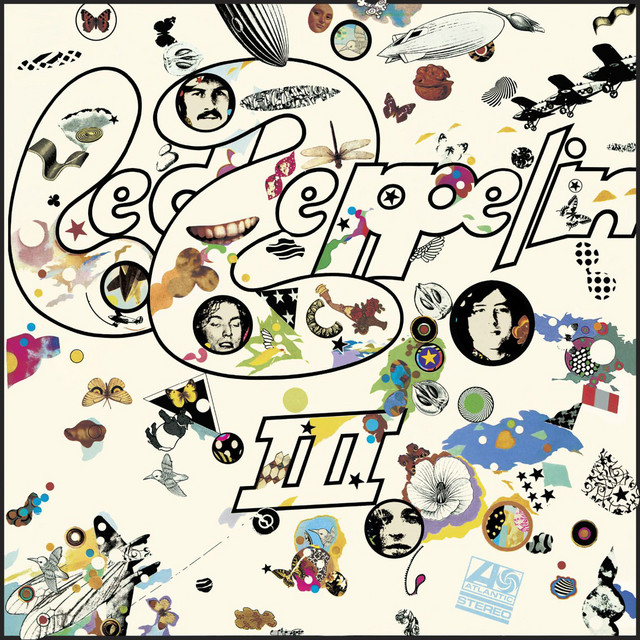
1970
Led Zeppelin III
Led Zeppelin
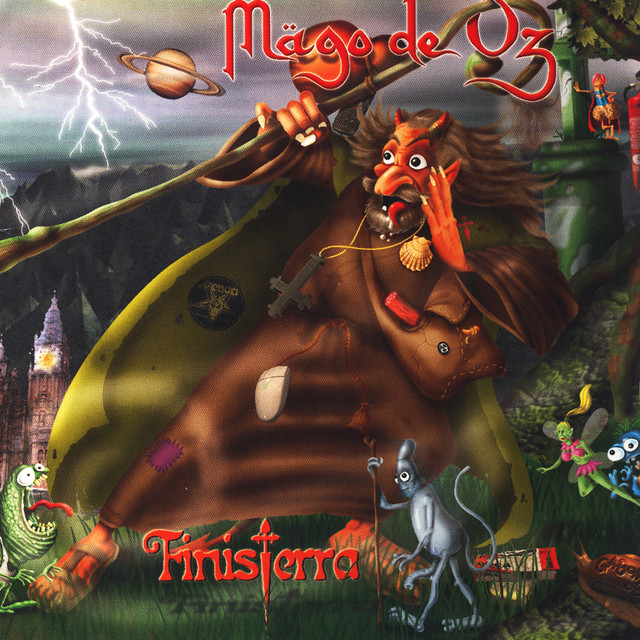
2000
Finisterra
Mägo de Oz
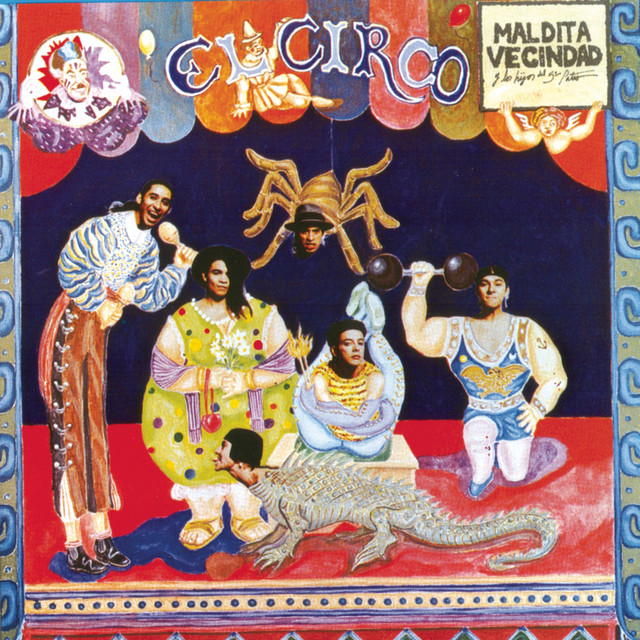
1991
El circo
Maldita Vecindad y los Hijos del Quinto Patio
2016
XX Años (En Vivo)
Panteon Rococo
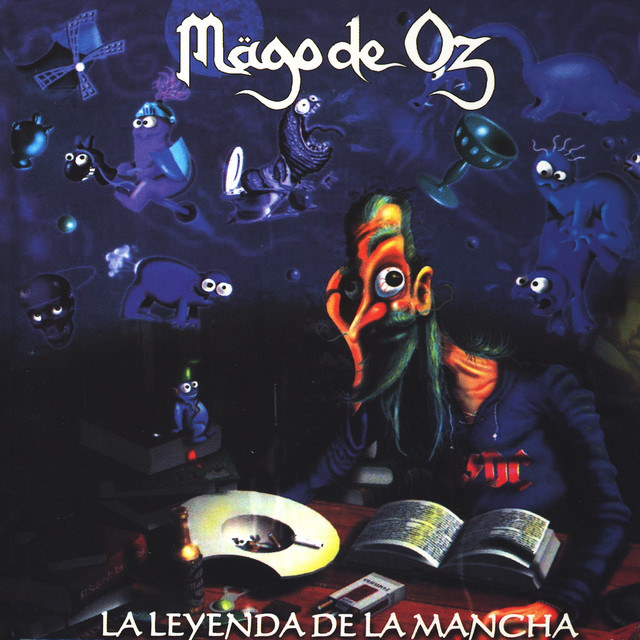
1998
La leyenda de La Mancha
Mägo de Oz
1979
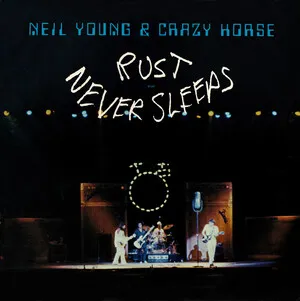
Rust Never Sleeps
Neil Young & Crazy Horse
1982
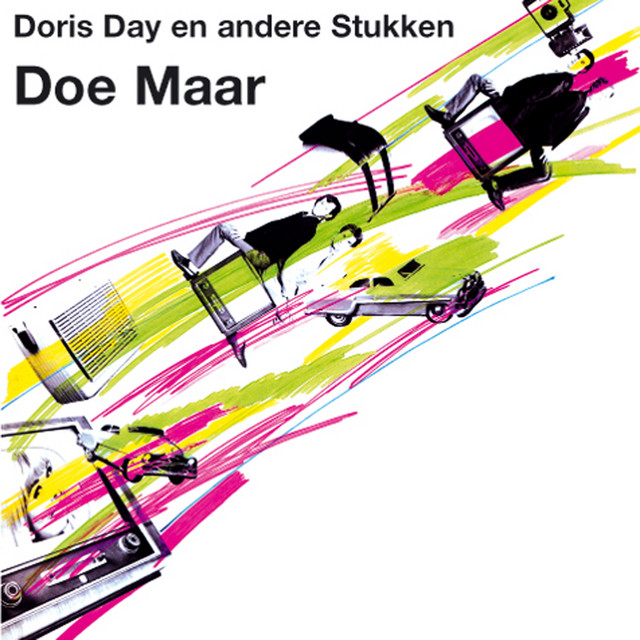
Doris Day en andere stukken
Doe Maar
2014
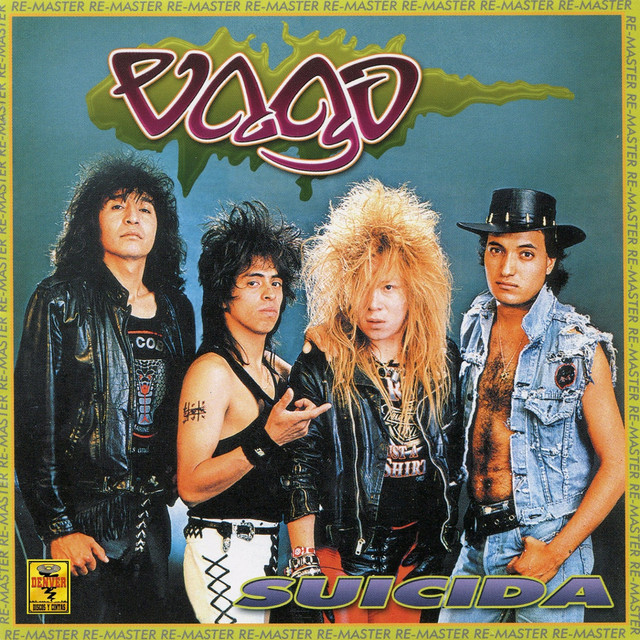
Suicida
Vago
Download our mobile app
Get the Melodigging app and start digging for new genres on the go
Download on the App Store
Get it on Google Play
© 2026 Melodigging
Give feedback
Legal
Melodding was created as a tribute to
Every Noise at Once
, which inspired us to help curious minds keep digging into music's ever-evolving genres.