Your digging level
Description
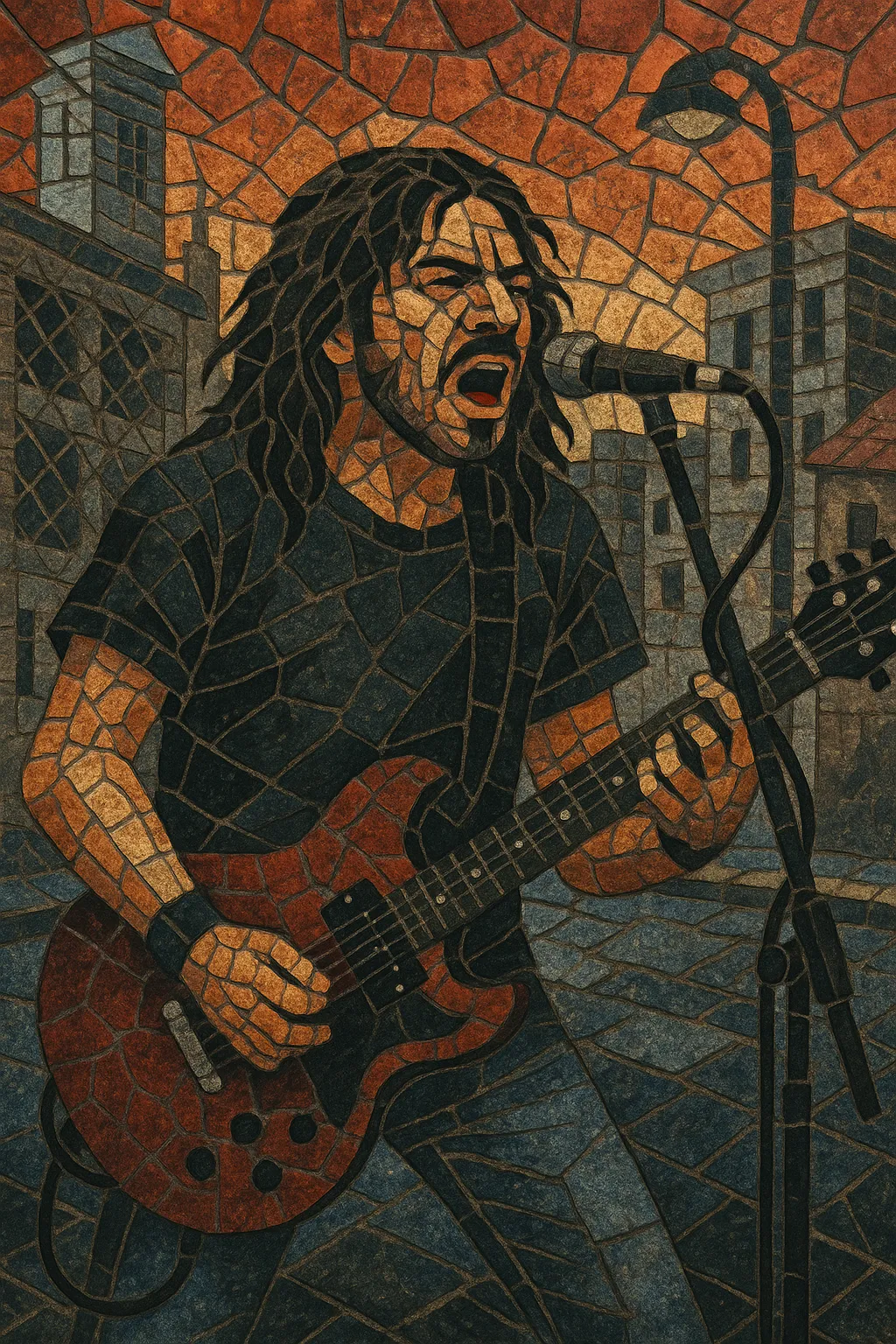
Rock urbano mexicano is a Mexican rock and roll movement rooted in the working-class barrios of Mexico City. It fuses the gritty drive of hard rock and the pentatonic bite of blues rock with the narrative spirit of folk rock, sung in colloquial, often streetwise Spanish.
Characterized by raw guitar tones, unvarnished vocals, and socially observant lyrics, it emerged outside mainstream media circuits in informal venues known as “hoyos funky,” building a self-sustaining scene through independent labels, swap-meets like El Chopo, and relentless live performance.
The style centers on mid-tempo shuffles and straight 4/4 rock beats, guitar solos with blues phrasing, and songs that tell stories of urban life—work, love, migration, police abuse, addiction, and neighborhood pride—delivered with a rough-edged, communal energy.
History
Rock and roll arrived in Mexico in the late 1950s and 1960s, spawning local bands and concert cultures. Major crackdowns after the 1968 student movement and the 1971 Avándaro festival pushed rock into the underground. In response, alternative circuits—barrio dances, neighborhood halls, and makeshift venues—kept a rawer, street-level sound alive.
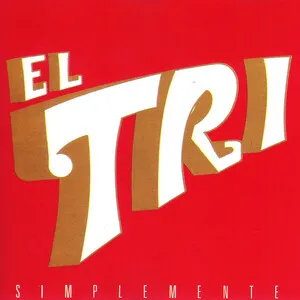
By the mid-to-late 1980s, a distinct scene coalesced in marginal areas of Mexico City, drawing heavily from blues rock, hard rock, and folk rock. Informal venues called “hoyos funky,” together with the Tianguis Cultural del Chopo swap-meet and indie labels (especially Discos y Cintas Denver), enabled bands to record, distribute, and reach large working-class audiences without mainstream radio or TV support. El Tri (evolving from Three Souls in My Mind) bridged earlier Mexican rock to this new, barrio-identified wave.
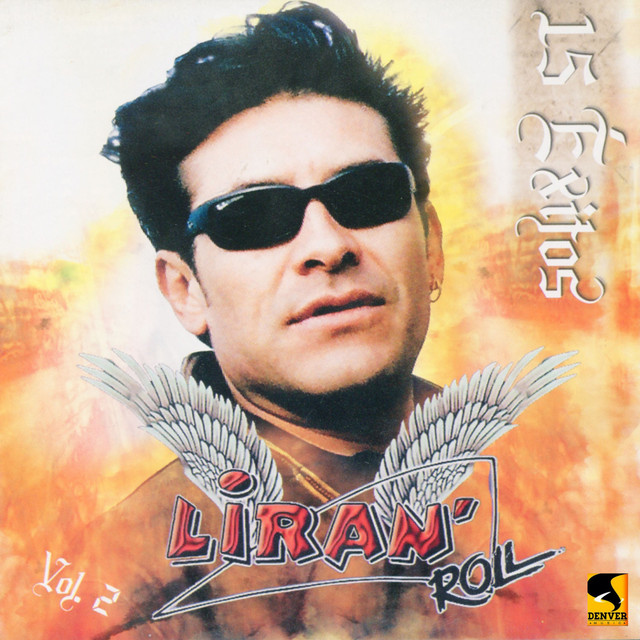
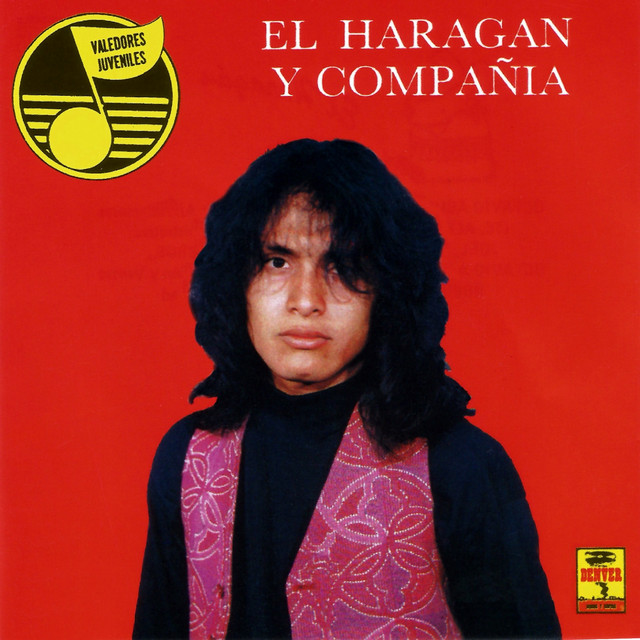
The 1990s saw an explosion of groups—El Haragán y Compañía, Banda Bostik, Liran’ Roll, Tex-Tex, Interpuesto, Sam Sam, Sur 16, Heavy Nopal—who toured relentlessly, released cassettes and CDs via independent channels, and cultivated a loyal following. Lyrics tackled everyday urban realities, while the music leaned on bluesy riffs, power chords, and singalong choruses tailored for live crowds.
Though later alternative and indie waves gained more mainstream attention, rock urbano mexicano has persisted as a live-driven culture, influencing subsequent Mexican rock and punk currents and remaining a vibrant expression of working-class identity. Its DIY ethic, narrative songwriting, and blues-rock backbone continue to shape how many Mexican artists write about the city and its social fabric.