Genres
Make Music
Artists
Albums
Challenges
Sign in
Sign in
Albums
By Doe Maar
Albums
By Doe Maar
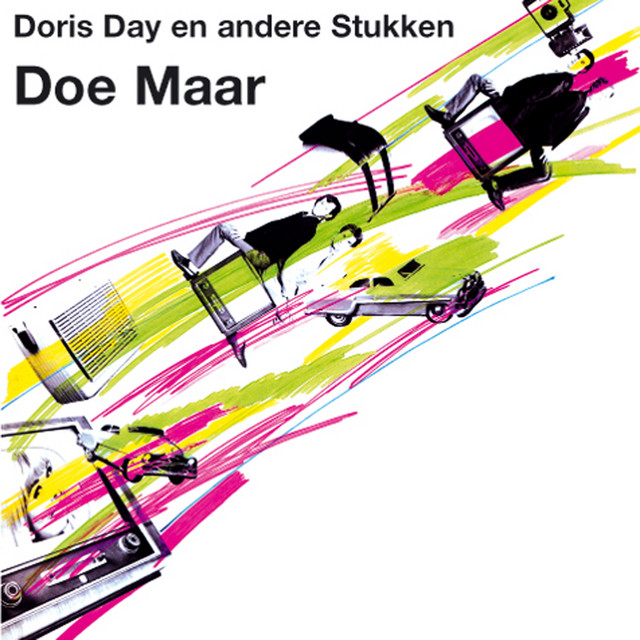
Doris Day en andere stukken
March 1, 1982
Listen
3
/5
Genres
Nederreggae
Nederreggae is Dutch-language reggae made in the Netherlands, blending Jamaican rhythms with the melodic sensibilities and lyrical directness of Nederpop. It adapts reggae’s off‑beat skank guitar, syncopated basslines, and relaxed drum grooves to Dutch pop songwriting and everyday themes. The style ranges from rootsy, ska-tinged arrangements to radio-friendly pop-reggae and later dancehall inflections, often featuring horn sections, organ or synth stabs, and light dub production touches. Lyrics are typically in Dutch (and sometimes in regional dialects), addressing love, humor, social observation, and youth culture with a distinctly local voice.
Discover
Listen
Nederpop
Nederpop is a broad term for pop and rock made in the Netherlands, most often sung in Dutch and characterized by strong hooks, sing‑along choruses, and accessible storytelling. While it includes a range of sounds—from guitar‑based pop rock to synth‑driven new wave and even reggae‑tinged rhythms—it stays centered on melody and lyrical immediacy. The style coalesced as a recognizable movement in the late 1970s and surged in the 1980s, when bands adopted new wave textures and occasional ska/reggae grooves. In the 1990s and 2000s, nederpop became mainstream adult pop, with polished production, emotive ballads, and stadium‑sized choruses, often addressing everyday life, love, and social themes.
Discover
Listen
Reggae-Pop
Reggae-pop blends the offbeat rhythms, skanking guitar, and bass-forward grooves of reggae with the hooks, song structures, and polished production of mainstream pop. It typically features bright, catchy choruses, romantic or feel-good lyrics, and accessible arrangements that keep the reggae pulse while smoothing edges for radio play. Drum patterns often sit in the 75–100 BPM range and may alternate between a laid-back one-drop feel and a straighter pop backbeat, while keyboards and guitars accent the offbeats to preserve the genre’s Caribbean character.
Discover
Listen
Folk Rock
Folk rock is a fusion genre that blends the narrative lyricism, modal melodies, and acoustic timbres of traditional folk with the backbeat, amplification, and song structures of rock. It typically pairs acoustic or traditional instruments (acoustic guitar, mandolin, fiddle) with a rock rhythm section (electric guitar, bass, drums), often featuring chiming 12‑string guitar textures, close vocal harmonies, and socially conscious or storytelling lyrics. The result ranges from intimate, reflective ballads with a steady backbeat to more anthemic, roots‑driven rock. Emerging in the mid‑1960s through artists such as Bob Dylan and The Byrds, folk rock became a gateway for traditional and roots materials to enter mainstream popular music, and it seeded later movements from country rock and Americana to jangle pop and modern indie folk.
Discover
Listen
Rock
Rock is a broad family of popular music centered on amplified instruments, a strong backbeat, and song forms that foreground riffs, choruses, and anthemic hooks. Emerging from mid‑20th‑century American styles like rhythm & blues, country, and gospel-inflected rock and roll, rock quickly expanded in scope—absorbing folk, blues, and psychedelic ideas—while shaping global youth culture. Core sonic markers include electric guitar (often overdriven), electric bass, drum kit emphasizing beats 2 and 4, and emotive lead vocals. Rock songs commonly use verse–chorus structures, blues-derived harmony, and memorable melodic motifs, ranging from intimate ballads to high‑energy, stadium‑sized performances.
Discover
Listen
Ska
Ska is a Jamaican popular music style characterized by a brisk 4/4 groove, off‑beat guitar or piano upstrokes (the “skank”), walking bass lines, and punchy horn riffs. Emerging in late‑1950s Kingston dancehalls, ska fused local mento and calypso with American rhythm & blues and jazz, creating a lively sound that celebrated independence‑era optimism and street culture. Across time, ska evolved through distinct waves: the original Jamaican ska of the early 1960s, the racially integrated and politically aware 2 Tone movement in late‑1970s Britain, and the third‑wave explosion in the 1990s that blended ska with punk energy around the world.
Discover
Listen
Dutch Cabaret
Dutch cabaret is a popular form of musical-theatrical comedy from the Netherlands that blends songs, monologues, sharp satire, and intimate storytelling. Emerging in the fin‑de‑siècle era as a localized offshoot of French and German cabaret, it prioritizes wordcraft, topicality, and direct conversation with the audience. Traditionally performed in small theaters with piano or small-ensemble accompaniment, Dutch cabaret ranges from playful and light to piercingly political and poignant. Performers often alternate between sung couplets and spoken "conference" segments, weaving humor with social commentary and personal reflection—hallmarks that distinguish it from broader variety or revue formats.
Discover
Listen
Similar albums
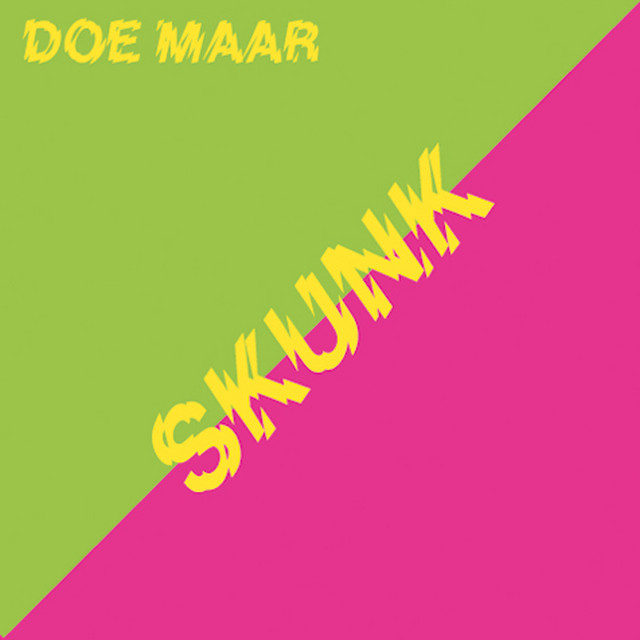
1981
Skunk
Doe Maar
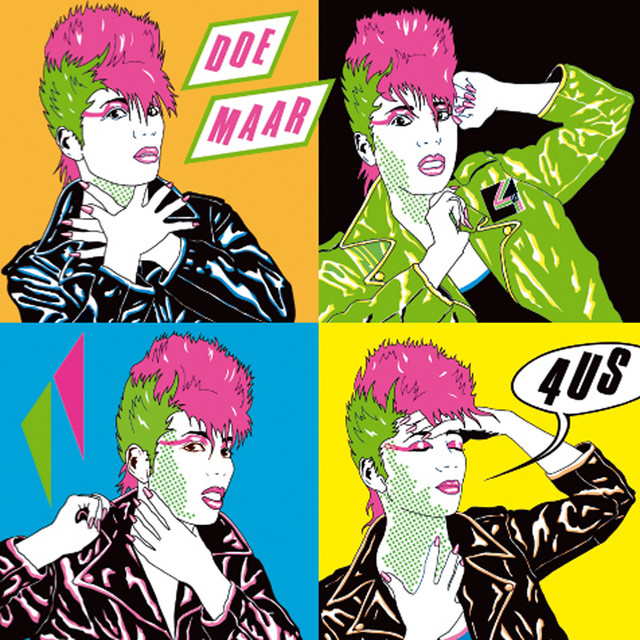
1983
4 US
Doe Maar
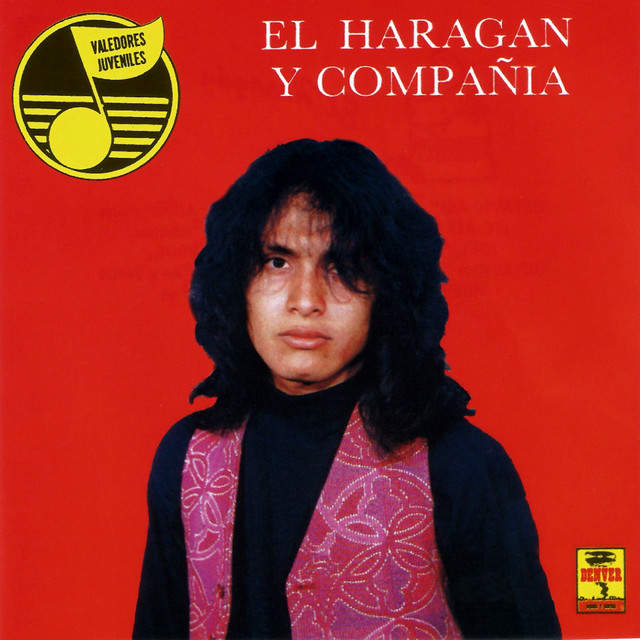
1992
Valedores juveniles
El Haragán y Compañía
1998
Naar huis
Acda en De Munnik
1997
Acda en De Munnik
Acda en De Munnik
1980
Press Here
The Press
2013
Energia!
Russkaja
1996
Sublime
Sublime
1988
Tracy Chapman
Tracy Chapman
2012
My Head Is An Animal
Of Monsters and Men
Download our mobile app
Get the Melodigging app and start digging for new genres on the go
Download on the App Store
Get it on Google Play
© 2026 Melodigging
Give feedback
Legal
Melodding was created as a tribute to
Every Noise at Once
, which inspired us to help curious minds keep digging into music's ever-evolving genres.