Genres
Artists
Albums
Make Music
Sign in
Sign in
Artists
Psytrance
Artists
Psytrance
Eat Static
1992–2007
·
5 albums
Listen
2
/5
Genres
Hi-Tech Full-On
Hi‑Tech Full‑On is a modern, largely Japanese mutation of full‑on psytrance that injects the rapid timbral switching and glitchy, stuttered edits of complextro into the classic rolling psy bass and 4/4 drive. Typically sitting around 145–155 BPM, it keeps the euphoric brightness and supersaw leads of full‑on while adopting hyper-detailed sound design: bar‑to‑bar bass patch changes, abrupt mute/unmute fills, micro‑edits, and videogame/anime‑influenced FX. The result is intensely energetic, highly technical party music that feels both maximal and cleanly engineered.
Discover
Listen
Full On Groove
Full on groove is a contemporary branch of psytrance that blends the high-energy impact of classic full‑on with the rolling, swing‑inflected basslines and tight rhythmic phrasing associated with progressive psy. It emphasizes hypnotic, dance‑driven “groove” over maximal melodic fireworks, keeping arrangements punchy and functional for peak‑time dance floors. Typical tempos sit around 140–146 BPM. The sound palette features a solid 4/4 kick, a round and persistent 1/16 rolling bassline, crisp percussive layers, and filtered psy leads and zaps used sparingly for momentum. Breaks are concise, risers are controlled rather than explosive, and sections often pivot on drum‑bass interplay, shuffle, and micro‑edits, creating a forward‑leaning, festival‑ready flow.
Discover
Listen
Hexd
HexD is a net-native microgenre of hip‑hop and electronic music defined by extreme bitcrushing, aggressive down/upsampling, hard clipping, and compression applied to beats and especially to vocals. Tracks often feature sped‑up and pitched‑up (sometimes formant‑shifted) vocal edits over trap‑leaning drums or breakbeat fragments, creating a distorted, digital, hazy, and psychedelic texture. Many releases are edits or reworks of existing material from rap, emo rap, and digicore/hyperpop, treated as raw sound to be “hexxed” with digital artifacts. Aesthetically, the scene is tightly tied to online platforms and DIY collectives, embracing early‑web, anime, and lo‑fi internet visuals while prioritizing mood, texture, and immediacy over fidelity.
Discover
Listen
Progressive Psytrance
Progressive psytrance is a subtler, groove-oriented branch of psychedelic trance that blends the hypnotic, psychedelic sound design of psytrance with the patient builds, long phrases, and evolving textures of progressive trance and house. Compared to full-on psytrance, it favors a tighter low-end, fewer layers, and incremental modulation over time. Tracks emphasize rolling basslines, crisp percussive grids, and spacious effects that gradually morph, creating a deep, immersive momentum suited to extended DJ sets and sunrise or daytime floors.
Discover
Listen
Psybreaks
Psybreaks (psychedelic breaks) is a breakbeat subgenre that fuses the syncopated, rolling drum patterns of breaks with the hypnotic sound design, atmospherics, and timbral psychedelia of psytrance. Typically sitting around 135–142 BPM, psybreaks favors chunky, swung breakbeats; morphing, off‑beat bass figures; acid and FM‑driven leads; and dense FX that evolve through long filter and modulation sweeps. The result is music that feels both techy and psychedelic: groovy enough for the dancefloor yet expansive and trippy in its textures. Hallmarks include intricate stereo movement, gated and band‑passed textures, alien percussive blips, and tension‑and‑release arrangements that mirror psytrance while preserving the rhythmic looseness and funk of breakbeat.
Discover
Listen
Psytrance
Psytrance (psychedelic trance) is a high-energy branch of trance music that emphasizes hypnotic repetition, richly modulated synth textures, and immersive sound design. Typically ranging from 138–150 BPM (with substyles slower or faster), it features a straight four-on-the-floor kick, a tight, rolling 1/16th-note bassline, and intricately layered FX—zaps, squelches, formant sweeps, and granular stutters—arranged to create a mind-bending, psychedelic journey. Tracks are commonly 6–9 minutes long, evolving through long-form tension and release. Harmony is sparse and modal (often minor, Phrygian, or Phrygian dominant), while rhythmic micro-variations, filter automation, and spatial motion (pans, dopplers, psychoacoustic tricks) carry the narrative.
Discover
Listen
Trance
Trance is a form of electronic dance music characterized by steady four-on-the-floor beats, long build‑ups and breakdowns, and euphoric, melodic progressions designed to induce a hypnotic or “trance‑like” state. Typical tempos range from about 130 to 142 BPM, with arrangements often stretching 7–10 minutes to allow DJs room for tension, release, and seamless mixing. The sound palette emphasizes shimmering pads, arpeggiated synth motifs, supersaw leads, and wide, reverberant spaces. Harmonically, trance tends to favor minor keys, modal mixture, and extended suspense before cathartic drops. Production hallmarks include sidechain compression (“pumping”), off‑beat open hi‑hats, rolling basslines, and lush delay/reverb tails. While largely instrumental, a major branch—vocal trance—features lyrical toplines and pop‑leaning structures without losing its club‑centric dynamics.
Discover
Listen
Belgian Techno
Belgian techno is a dark, high-energy branch of European techno that crystallized at the turn of the 1990s from Belgium’s late‑1980s new beat and EBM scenes. It is characterized by pounding TR‑909 kick drums, aggressive minor‑key riffs, and the iconic “hoover” or “mentasm” rave stab that became a calling card of early European rave. Compared to Detroit’s sleeker futurism, Belgian techno leans heavier, more industrial, and more macabre, often adding orchestral hits, distorted bass, and stark, chant‑like vocal samples. Tempos typically sit around 130–145 BPM, with arrangements built for big rooms: long tension builds, explosive drops, and relentless propulsion designed for cavernous clubs and warehouse raves.
Discover
Listen
Breaks
Breaks is a broad electronic dance music style built around syncopated breakbeat drum patterns instead of a straight four-on-the-floor kick. It emphasizes sliced, rearranged, and layered drum breaks—often sampled from classic funk, hip hop, and early electro—combined with heavy sub-bass and club-ready arrangements. As a scene and label category, “breaks” crystallized in the UK in the late 1990s out of the rave continuum, alongside big beat and later “nu skool breaks.” While tempos usually range from roughly 125–140 BPM, the defining trait is the swung, shuffling, and fragmented rhythm that drives dancers with push–pull groove rather than rigid grid-based kicks. Breaks spans a spectrum from funky, party-oriented tracks to darker, techy, bass-heavy material (often called tech breaks). Across its variants, it remains DJ-friendly, sample-savvy, and grounded in the art of drum manipulation.
Discover
Listen
Psybient
Psybient (also called psychill) blends the deep, enveloping textures of ambient music with the timbral palette, psychedelic effects, and ritualistic atmosphere of psytrance—usually at much slower tempos. Expect long-form, evolving soundscapes; drones and lush pads; organic and ethnic instrumentation (hand drums, flutes, sitar-like timbres); and spacious production with delays, reverbs, and modulated filter sweeps. Beats are typically downtempo (roughly 60–110 BPM), often with hypnotic, syncopated percussion and gently pulsing basslines. The overall effect is meditative yet vividly hallucinatory—music designed as much for inner journeys and chillout spaces as for attentive, high-fidelity listening.
Discover
Listen
Techno
Techno is a four-on-the-floor, machine-driven form of electronic dance music that emerged in mid-to-late 1980s Detroit. It is characterized by steady 4/4 kick drums, repetitive and hypnotic rhythmic patterns, synthetic timbres, and an emphasis on texture, groove, and forward momentum over elaborate harmony. Producers typically use drum machines, sequencers, and synthesizers to build layered percussion, pulsing basslines, and evolving motifs. While often dark and minimalistic, techno spans a wide spectrum—from soulful, futuristic Detroit aesthetics to hard, industrially tinged European strains—yet it consistently prioritizes kinetic energy for dancefloors and a sense of machine futurism.
Discover
Listen
Ambient
Ambient is a form of electronic and electroacoustic music that prioritizes tone, atmosphere, and texture over conventional song structures and rhythmic drive. It typically features slow-moving harmonies, sustained drones, gentle timbral shifts, and extensive use of space and silence. Rather than drawing attention to itself through hooks or beats, ambient is designed to be as ignorable as it is interesting, rewarding both background listening and focused immersion. Artists often employ synthesizers, samplers, tape loops, field recordings, and subtle acoustic instruments, with reverb and delay creating a sense of place. Substyles range from luminous, consonant soundscapes to darker, more dissonant atmospheres.
Discover
Listen
Breakbeat
Breakbeat is a broad branch of electronic music defined by its use of broken, syncopated drum patterns ("breakbeats") rather than straight four-on-the-floor rhythms. Producers typically build tracks from looped and chopped drum breaks—often sampled from vintage funk, jazz, and R&B recordings—layered with basslines, synths, and effects. As both a production technique and a stylistic umbrella, breakbeat underpins and intersects with many scenes: from old‑school hip‑hop turntablism and electro to the UK rave continuum (breakbeat hardcore, big beat, Florida breaks) and onward to garage-derived styles. While not synonymous with jungle and drum & bass, the same culture of sampling and chopping classic breaks (e.g., the Amen break) helped inform those genres as well.
Discover
Listen
Electronic
Electronic is a broad umbrella genre defined by the primary use of electronically generated or electronically processed sound. It encompasses music made with synthesizers, drum machines, samplers, computers, and studio/tape techniques, as well as electroacoustic manipulation of recorded or synthetic sources. The genre ranges from academic and experimental traditions to popular and dance-oriented forms. While its sonic palette is rooted in electricity and circuitry, its aesthetics span minimal and textural explorations, structured song forms, and beat-driven club permutations. Electronic emphasizes sound design, timbre, and studio-as-instrument practices as much as melody and harmony.
Discover
Listen
Show all 14 genres
Albums
2007
1
/5
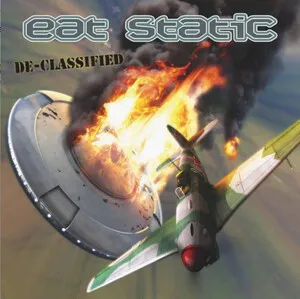
De-Classified
Eat Static
Progressive Psytrance
2001
1
/5
In the Nude!
Eat Static
Psybreaks
2000
1
/5
Crash and Burn!
Eat Static
Psybreaks
Progressive Psytrance
Breaks
1994
1
/5
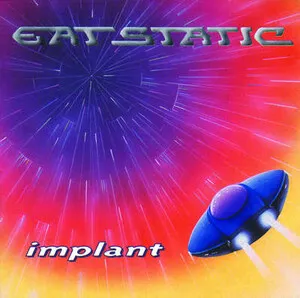
Implant
Eat Static
Psytrance
Ambient
Electronic
1992
1
/5
Prepare Your Spirit
Eat Static
Belgian Techno
Similar artists
3
/5
Neelix
Psytrance
Progressive Psytrance
Progressive Trance
3
/5
Omiki
Progressive Psytrance
Progressive Trance
Psytrance
3
/5
Phaxe
Progressive Psytrance
Progressive Trance
Psytrance
2
/5
Merkaba
Zenonesque
Psytrance
Trance
3
/5
Liquid Soul
Psytrance
Progressive Trance
Electronic
2
/5
Atmos
Psytrance
Progressive Psytrance
Progressive Trance
1
/5
The Digital Blonde
Psytrance
Trance
Progressive Trance
4
/5
Vini Vici
Progressive Trance
Psytrance
Covertronica
3
/5
Solar Fields
Ambient
Ambient Trance
Downtempo
2
/5
John 00 Fleming
Trance
Progressive Trance
Psytrance
Download our mobile app
Get the Melodigging app and start digging for new genres on the go
Download on the App Store
Get it on Google Play
© 2026 Melodigging
Give feedback
Legal
Melodding was created as a tribute to
Every Noise at Once
, which inspired us to help curious minds keep digging into music's ever-evolving genres.