Genres
Artists
Albums
Make Music
Sign in
Sign in
Artists
Concert Band
Artists
Concert Band
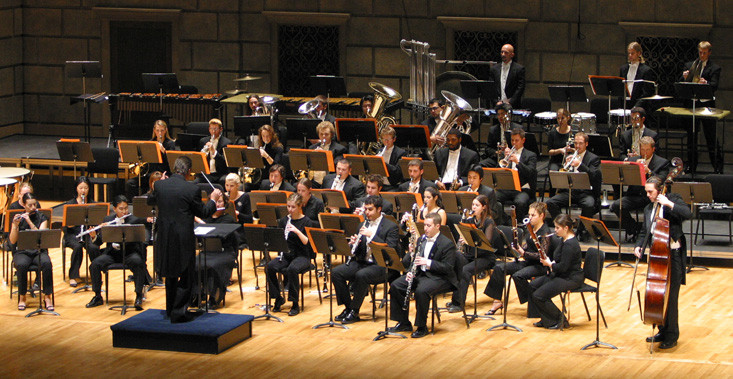
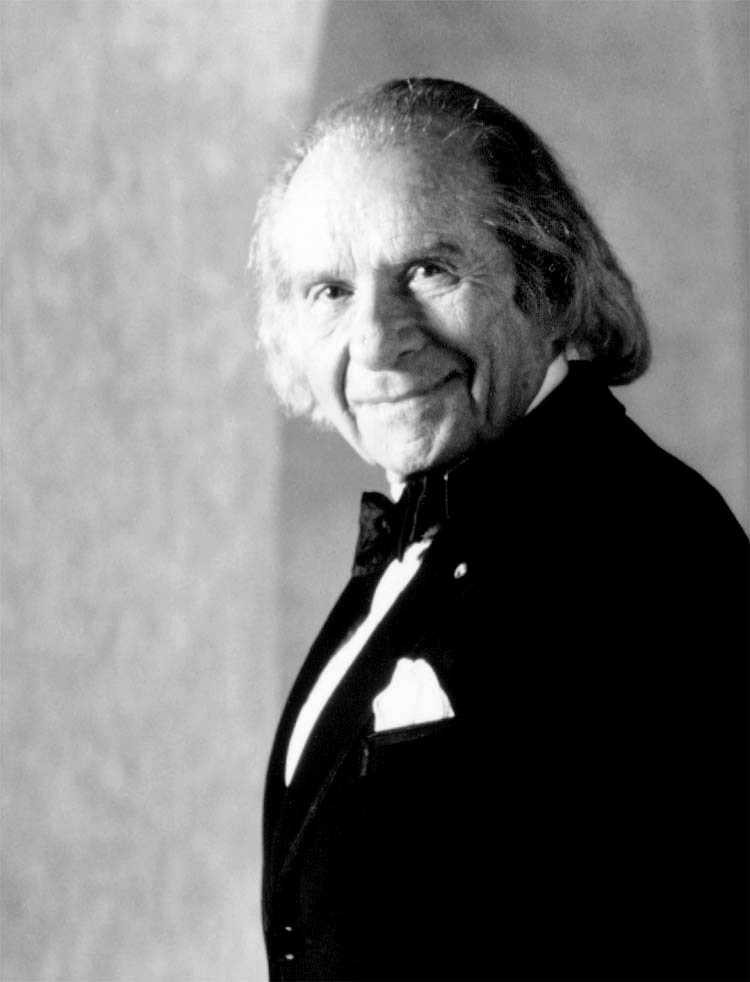
Eastman Wind Ensemble
1994–2013
·
2 albums
Listen
2
/5
Genres
Concert Band
Concert band refers to the symphonic wind ensemble tradition that performs concert music for woodwinds, brass, and percussion, sometimes augmented by double bass, harp, piano, and other color instruments. Unlike marching bands, concert bands are designed for seated indoor performance with nuanced dynamics, refined balance, and a wide stylistic range—from ceremonial marches and overtures to suites, tone poems, and contemporary works. Over the 20th century the repertoire expanded beyond transcriptions of orchestral music to a large body of original works by major composers, establishing the concert band as a distinct and sophisticated medium with its own idioms, colors, and performance practices.
Discover
Listen
Marching Band
Marching band is a wind–percussion ensemble that performs while moving, combining musical presentation with choreographed drill formations. Typical instrumentation includes brass (trumpets, mellophones/flugelhorns, trombones, baritones/euphoniums, sousaphones), woodwinds (piccolos, flutes, clarinets, saxophones), and a battery percussion line (snares, multi-tenors/quads, bass drums, cymbals), often with a color guard and, in modern field shows, an optional front ensemble (mallet keyboards, auxiliary percussion, electronics). The genre spans parade-style performance at a steady march tempo and field-show productions that integrate popular, classical, and jazz repertoire with visual design. Styles range from “corps-style” precision drill to show-style presentations rooted in HBCU traditions that emphasize groove, dance, and call‑and‑response crowd engagement.
Discover
Listen
March
A march is a musical genre and form designed to accompany orderly movement, most commonly military processions, parades, and ceremonial events. It is typically in duple meter (2/4 or 4/4) or compound duple (6/8), with a steady tempo that supports synchronized stepping. Classical and concert marches evolved a characteristic multi-strain structure: an introduction, two strains, a key-changing trio, a break strain ("dogfight"), and a final strain, often with a strong cadential "stinger." Instrumentation centers on winds and percussion—brass, woodwinds, snare and bass drums, and cymbals—producing a bright, projecting sonority suitable for outdoor performance. While the style is pan-European in origin, the late-19th- and early-20th-century "golden age" of the American march, led by John Philip Sousa, codified the concert march’s form, orchestration, and performance practice, influencing wind band music worldwide.
Discover
Listen
Albums
2013
1
/5
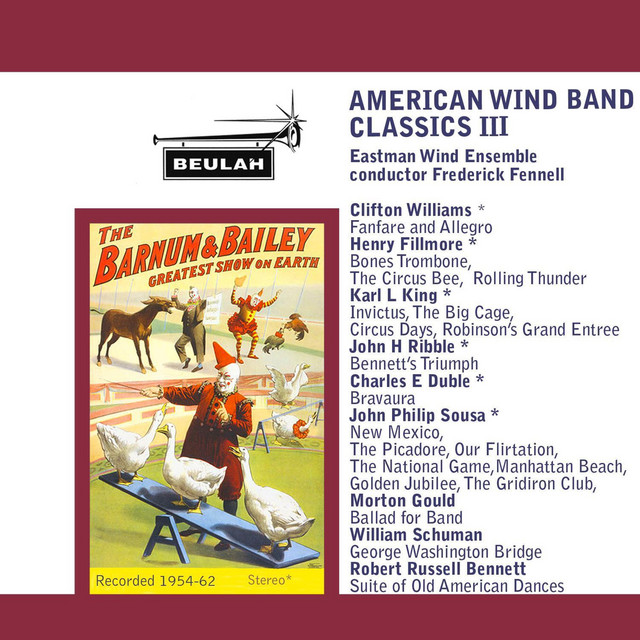
American Wind Band Classics III
Eastman Wind Ensemble
Concert Band
1994
1
/5
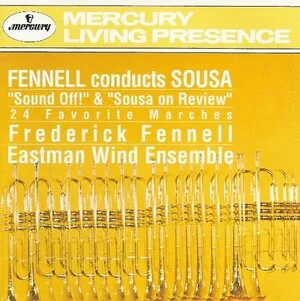
Fennell Conducts Sousa
John Philip Sousa / Eastman Wind Ensemble / Frederick Fennell
Marching Band
March
Similar artists
2
/5
John Philip Sousa
Concert Band
March
Marching Band
2
/5
Frederick Fennell
March
Marching Band
2
/5
United States Air Force Band
Concert Band
Marching Band
2
/5
The Pipes and Drums of the Royal Scots Dragoon Guards
Pipe Band Music
Celtic
Marching Band
1
/5
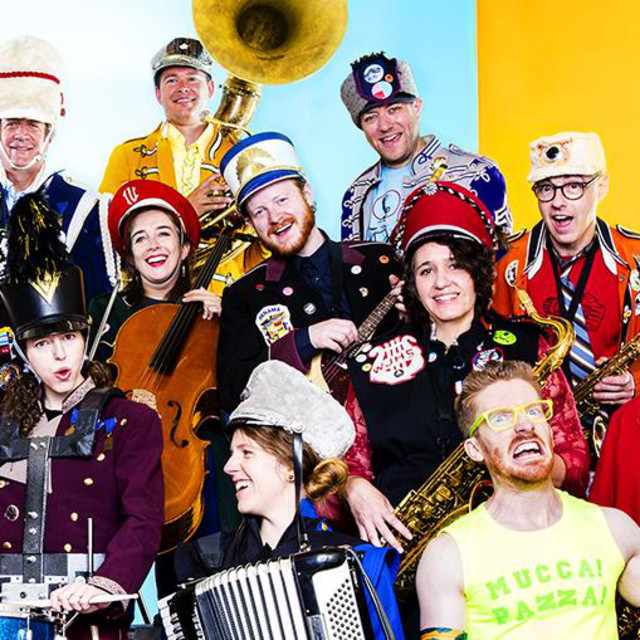
Mucca Pazza
Marching Band
Balkan Brass Band
March
4
/5
Academy of St. Martin in the Fields
Classical
Classical Performance
Baroque
4
/5
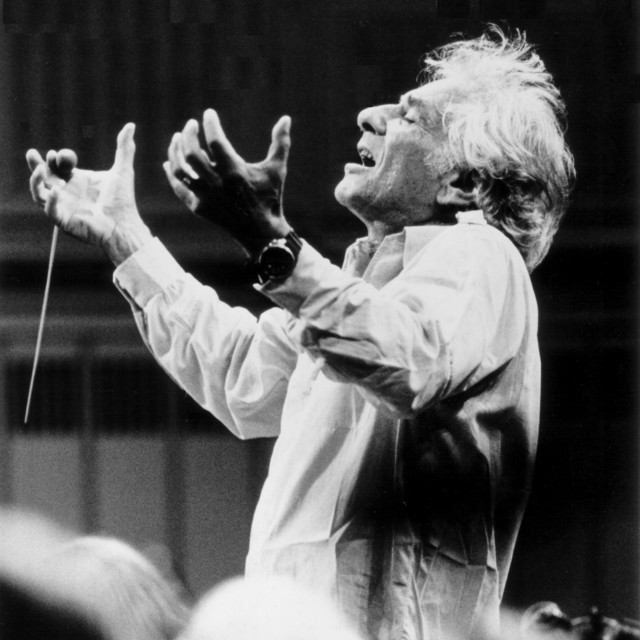
Leonard Bernstein
Orchestral Performance
Classical
Symphony
3
/5
John Eliot Gardiner
Classical
Choral
Requiem
3
/5
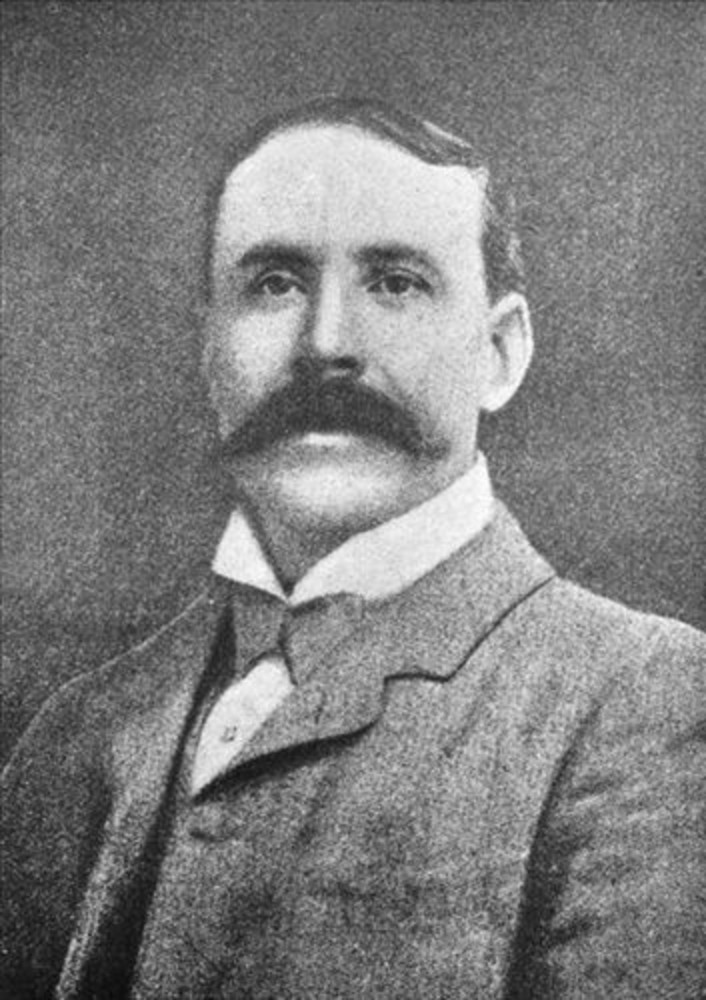
Edward Elgar
Classical
Deep Soundtrack
Pet Calming
3
/5
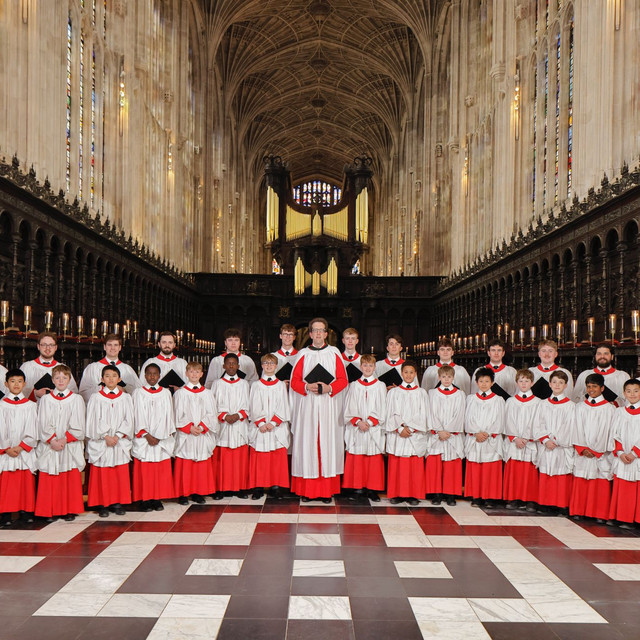
Choir of King's College, Cambridge
Requiem
Choral
Christmas Music
Download our mobile app
Get the Melodigging app and start digging for new genres on the go
Download on the App Store
Get it on Google Play
© 2026 Melodigging
Give feedback
Legal
Melodding was created as a tribute to
Every Noise at Once
, which inspired us to help curious minds keep digging into music's ever-evolving genres.