Genres
Artists
Albums
Make Music
Sign in
Sign in
Artists
Electro Swing
Artists
Electro Swing
Earl
Listen
3
/5
Genres
Pov: Indie
"pov: indie" is a social-media-native microstyle built around short, cinematic indie-pop/indie-rock snippets designed to accompany a first-person (POV) narrative. Instead of being defined by a single new musical technique, it is defined by context: the music is chosen or written to feel like the soundtrack to a specific moment (a crush, a late-night walk, moving to a new city, seasonal nostalgia). Sonically it typically uses bright but soft guitars or synths, intimate vocals, simple memorable hooks, and production that reads clearly on phone speakers. The emotional tone is often wistful, tender, and “coming-of-age,” with lyrics that can be understood quickly in a 10–30 second clip.
Discover
Listen
Electro Swing
Electro swing fuses the timbres and rhythms of 1920s–1940s swing and big band jazz with modern electronic dance production. Producers sample or recreate vintage horn sections, clarinets, crooner vocals, and walking bass lines, then place them over four‑on‑the‑floor house grooves, syncopated breakbeats, and punchy electronic bass. Typical tempos sit around 110–128 BPM, with swung/shuffle hi‑hats, call‑and‑response horn riffs, and jazz harmony (ii–V–I cadences, extended 7ths/9ths/13ths). Vocals range from retro scat and cabaret‑style singing to contemporary rap or chopped vocal hooks. The result is a playful, dance‑forward sound that feels both nostalgic and fresh: gramophone grit and brass flair meeting club‑ready drums, sidechain swells, and modern sound design.
Discover
Listen
Neo Soul
Neo soul is a back-to-the-roots subgenre of soul and contemporary R&B that emerged in the mid-to-late 1990s. The term was popularized by executive Kedar Massenburg to describe artists who revived classic soul values while embracing modern production aesthetics. Musically, neo soul blends the warmth of 1960s–70s soul with the rhythmic sensibility of hip hop, plus colors from jazz fusion, funk, and rock. Compared with mainstream contemporary R&B, it typically features more organic instrumentation (Rhodes/Wurlitzer, live bass and drums), harmonically richer progressions, and a laid‑back, behind‑the‑beat groove. Lyrically it tends toward introspective, socially conscious, and spiritual themes, often delivered with jazz-informed phrasing, melisma, and layered background vocals. The overall sound emphasizes authenticity, groove, and an intimate, analog-friendly ambiance.
Discover
Listen
Singer-Songwriter
Singer-songwriter is a song-focused style in which the same person writes, composes, and performs their own material, often accompanying themselves on acoustic guitar or piano. It emphasizes personal voice, lyrical intimacy, and storytelling over elaborate production. Arrangements are typically sparse, allowing the melody, words, and performance nuance to carry the song’s emotional weight. While rooted in folk and blues traditions, singer-songwriter embraces pop and rock songcraft, producing works that can range from quiet confessional ballads to subtly orchestrated, radio-ready pieces.
Discover
Listen
Pop
Pop is a broad, hook-driven style of popular music designed for wide appeal. It emphasizes memorable melodies, concise song structures, polished vocals, and production intended for radio, charts, and mass media. While pop continually absorbs elements from other styles, its core remains singable choruses, accessible harmonies, and rhythmic clarity. Typical forms include verse–pre-chorus–chorus, frequent use of bridges and middle-eights, and ear-catching intros and outros. Pop is not defined by a single instrumentation. It flexibly incorporates acoustic and electric instruments, drum machines, synthesizers, and increasingly digital production techniques, always in service of the song and the hook.
Discover
Listen
Soul
Soul is a genre of popular music that blends the spiritual fervor and vocal techniques of African‑American gospel with the grooves and song forms of rhythm & blues and the harmonic palette of jazz and blues. It is defined by impassioned, melismatic lead vocals; call‑and‑response with backing singers; handclaps and a strong backbeat; syncopated bass lines; and memorable horn or string riffs. Typical instrumentation includes drum kit, electric bass, electric guitar, piano or Hammond organ, horns (trumpet, saxophone, trombone), and sometimes orchestral strings. Lyrically, soul ranges from love and heartbreak to pride, social commentary, and spiritual yearning. Regionally distinct scenes—such as Detroit’s Motown, Memphis/Stax, Muscle Shoals, Chicago, New Orleans, and Philadelphia—shaped different flavors of soul, while the style’s emotional directness and rhythmic drive made it a cornerstone of later funk, disco, contemporary R&B, and hip hop.
Discover
Listen
R&b
R&B (Rhythm and Blues) is a vocal- and groove-centered popular music tradition that blends blues tonality, jazz harmony, and gospel-inflected singing with a steady backbeat. It emphasizes expressive lead vocals, call-and-response, lush harmonies, and danceable rhythms. From its 1940s roots in African American communities to its later evolutions, R&B has continually absorbed and reshaped surrounding sounds—from jump blues and swing in the early days to soul, funk, hip hop, and electronic production in the contemporary era. Today, R&B ranges from intimate, slow-burning ballads to club-ready tracks, all tied together by a focus on feel, melody, and vocal performance.
Discover
Listen
Swing
Swing is a jazz style centered on a buoyant, danceable groove created by a walking bass, four-to-the-bar rhythm guitar, a backbeat emphasis on 2 and 4, and a lilted “swung” eighth-note feel. Typically performed by big bands (saxes, trumpets, trombones, and a rhythm section) as well as small combos, it balances written arrangements with improvised solos. Hallmarks include call-and-response between horn sections, riff-based melodies, shout choruses that build intensity near the end of an arrangement, and rich sectional voicings grounded in blues language and ii–V–I harmonic motion. Tempos range from medium to brisk, serving social dances like the Lindy Hop and Jitterbug. Swing’s expressive phrasing, dance-floor focus, and sophisticated arranging made it the dominant popular music of the late 1930s and early 1940s.
Discover
Listen
Show all 8 genres
Similar artists
1
/5
Various Artists
Afro-Funk
Alternative Rock
Ambient
3
/5
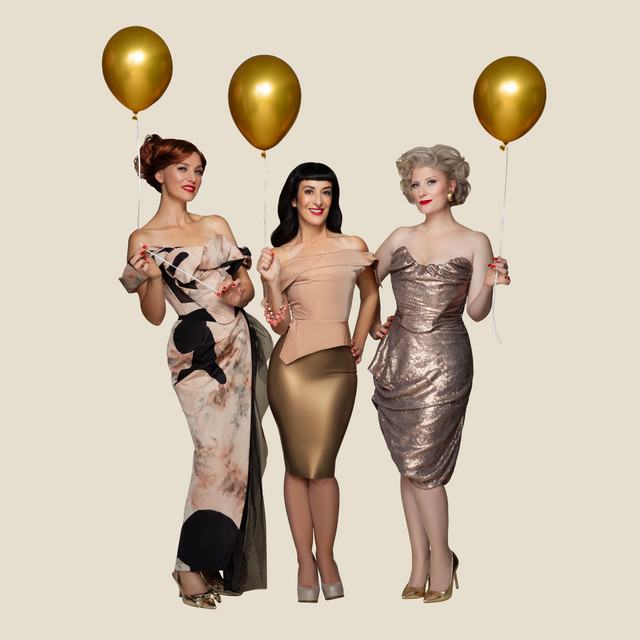
The Puppini Sisters
Swing Revival
Christmas Music
Electro Swing
5
/5
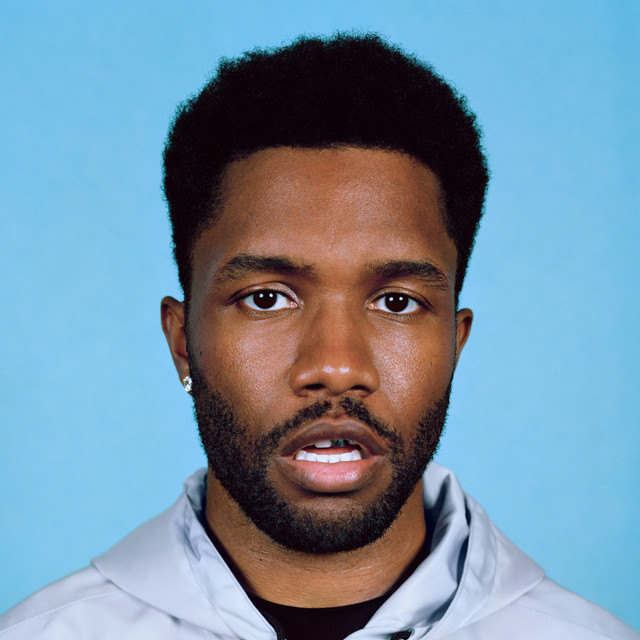
Frank Ocean
Neo Soul
Pop
Contemporary R&b
5
/5
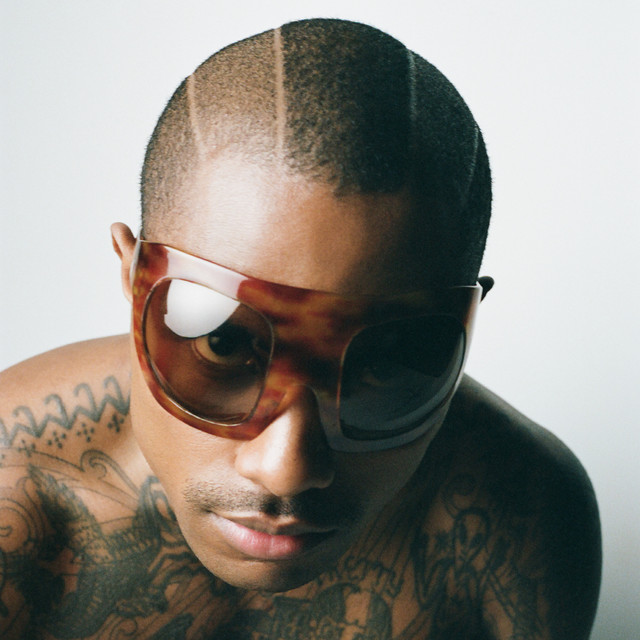
Steve Lacy
Afrofuturism
Indie R&b
Sped-Up Music
5
/5
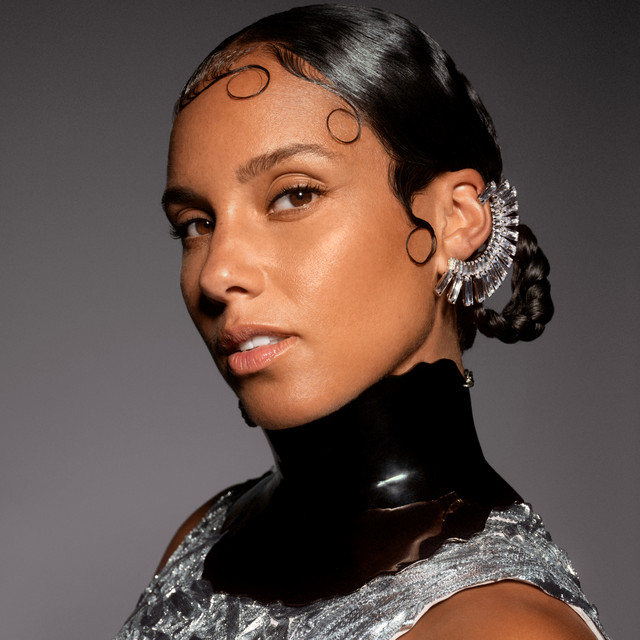
Alicia Keys
R&b
Neo Soul
Contemporary R&b
5
/5
Sade
Smooth Soul
Sophisti-Pop
Contemporary R&b
5
/5
Childish Gambino
Hip Hop
Atl Hip Hop
Neo Soul
4
/5
Anderson .Paak
Neo Soul
Hip Hop
Pop
4
/5
Amy Winehouse
Neo Soul
Pop
Soul
4
/5
Prince
Funk
Minneapolis Sound
Synth Funk
Download our mobile app
Get the Melodigging app and start digging for new genres on the go
Download on the App Store
Get it on Google Play
© 2026 Melodigging
Give feedback
Legal
Melodding was created as a tribute to
Every Noise at Once
, which inspired us to help curious minds keep digging into music's ever-evolving genres.